
News & Articles

Hotel painting in Naples fits between busy seasons when you work backward from reopening and release rooms in controlled phases. The schedule needs to protect return-to-service time , including preparation, repairs, coating application, ventilation, and inspection. A gap in re...
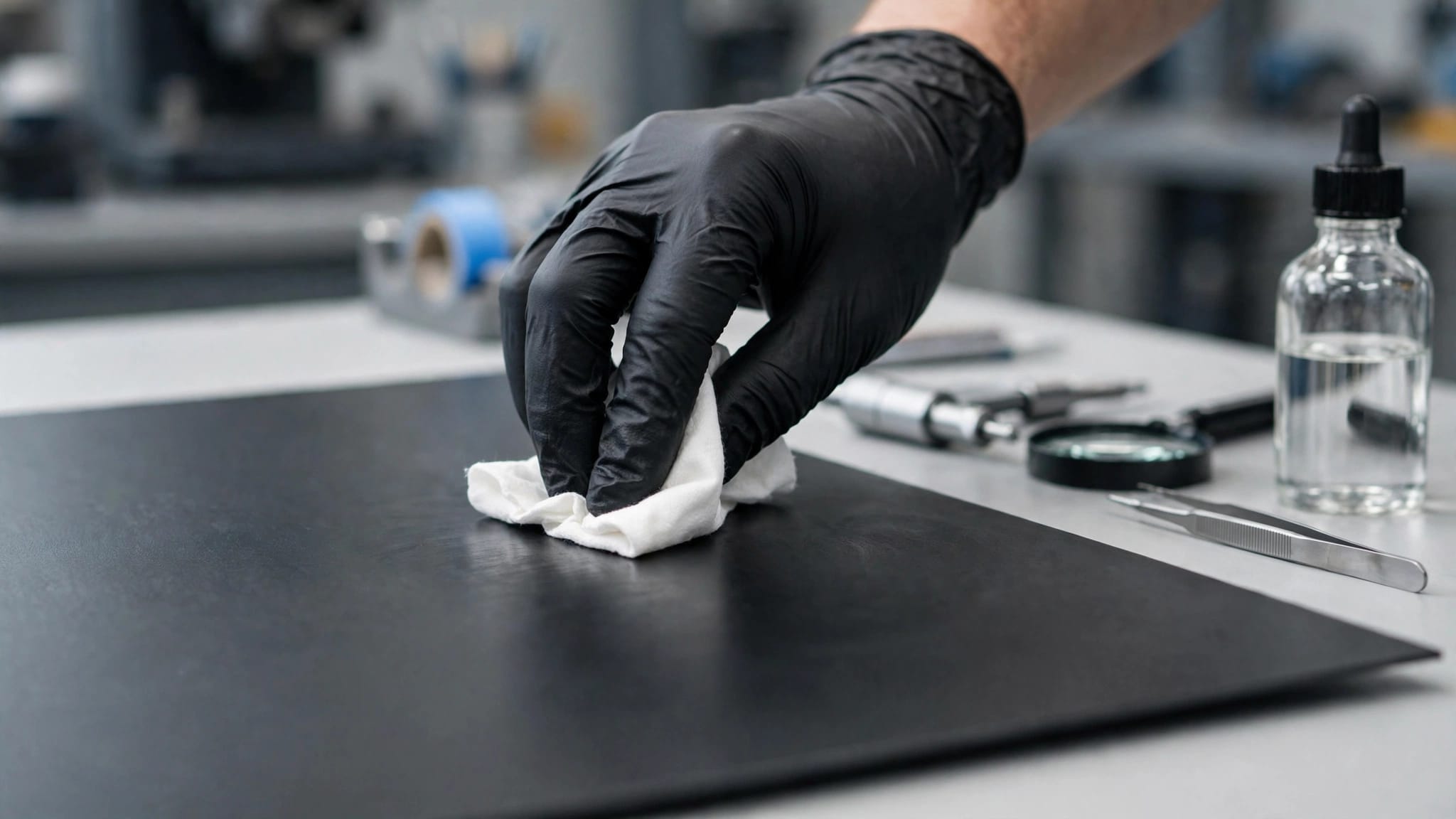
A solvent rub test checks how well a cured industrial coating resists a specified solvent under controlled rubbing. It can help identify a film that is still soft or vulnerable, but it does not prove that the coating is ready for every service condition. For a useful result, f...
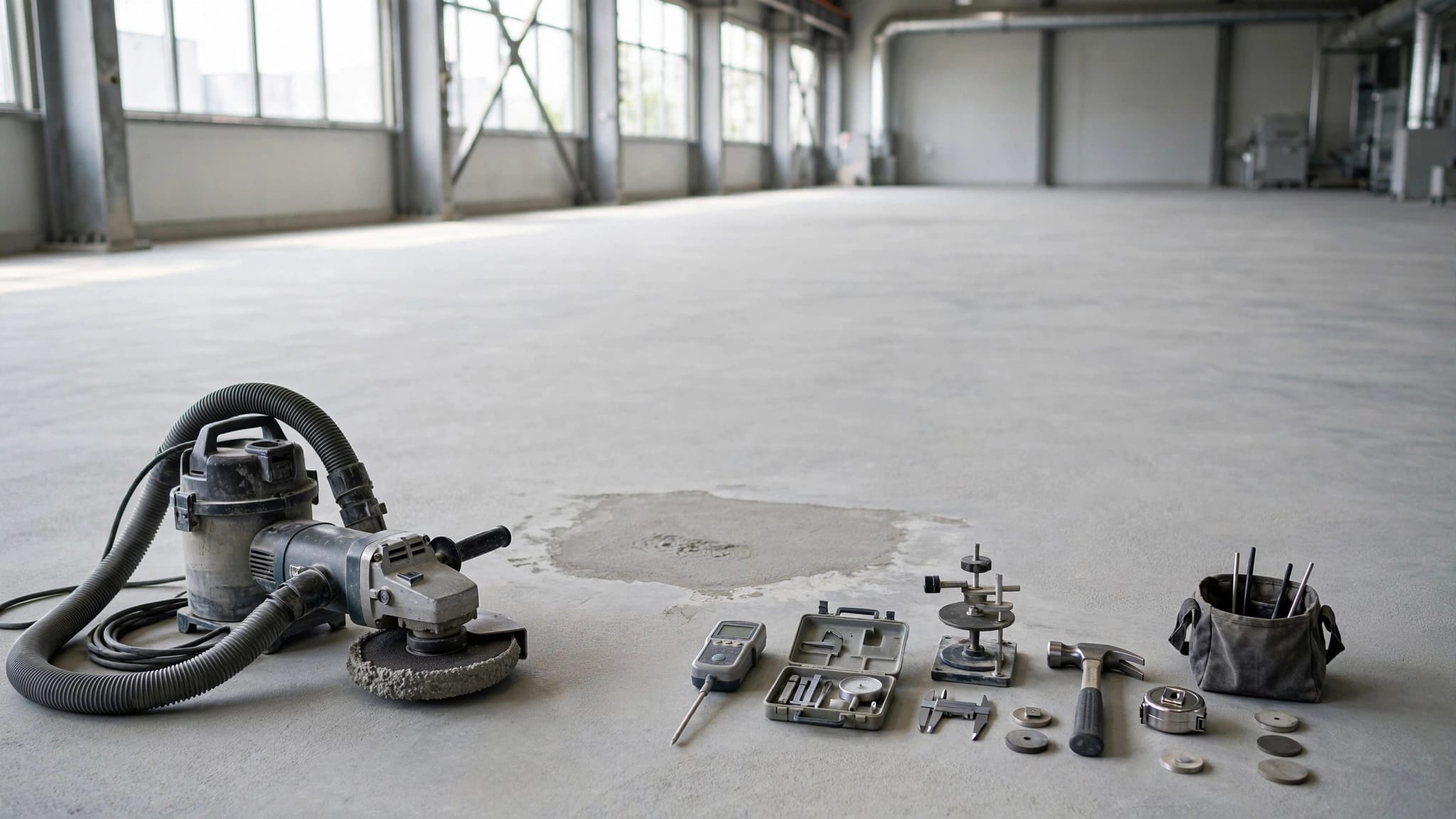
A durable industrial coating starts with concrete that is clean, sound, dry enough for the selected system, and textured to its requirements. Concrete surface preparation is a sequence of inspection, testing, cleaning, repair, profiling, and final checks, not a quick rinse bef...
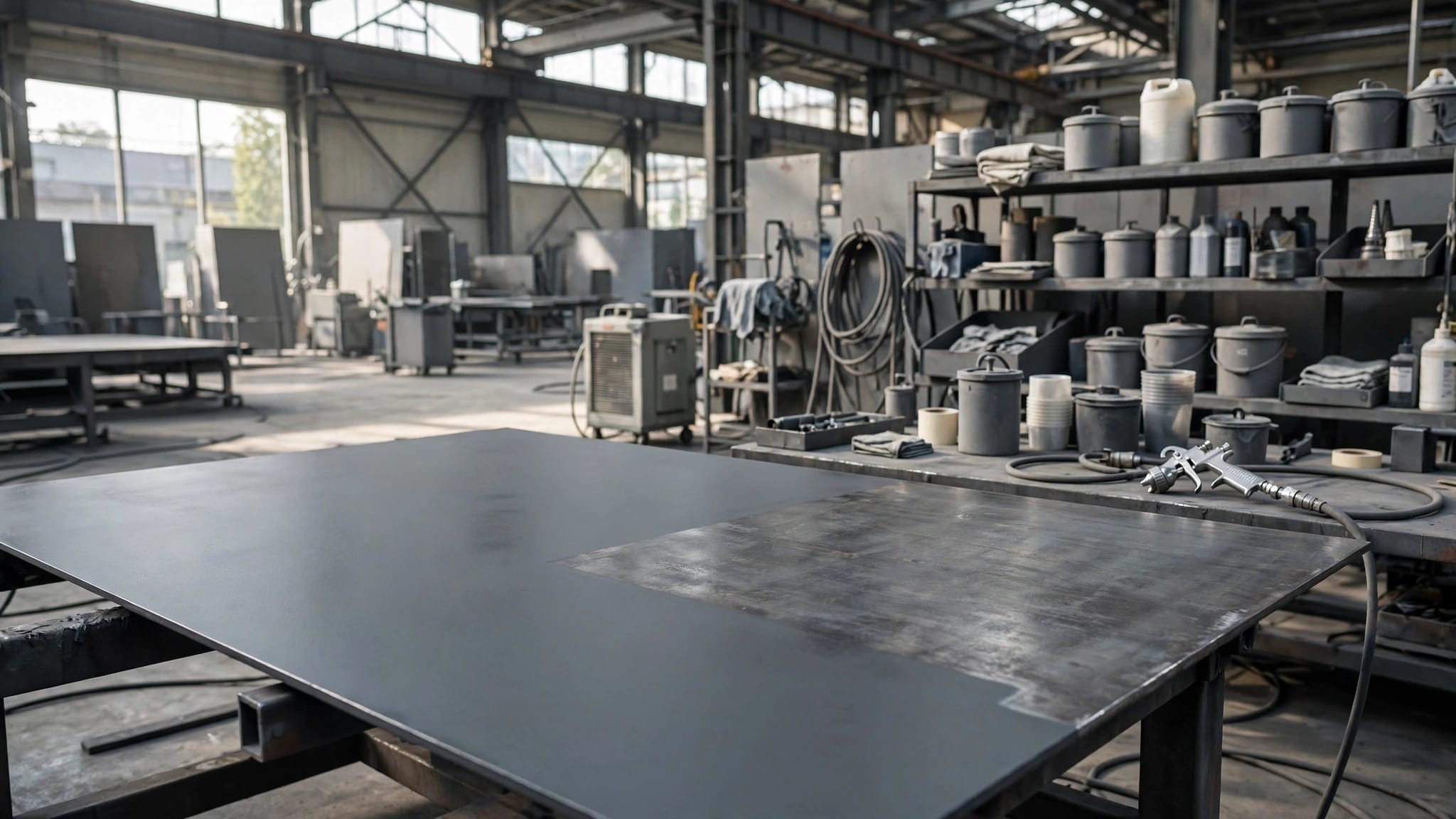
Theoretical coating coverage estimates how much surface a coating can cover at a specified dry-film thickness under ideal conditions. It's a useful starting point for comparing products and planning material quantities. Your project's practical coverage will usually be lower....
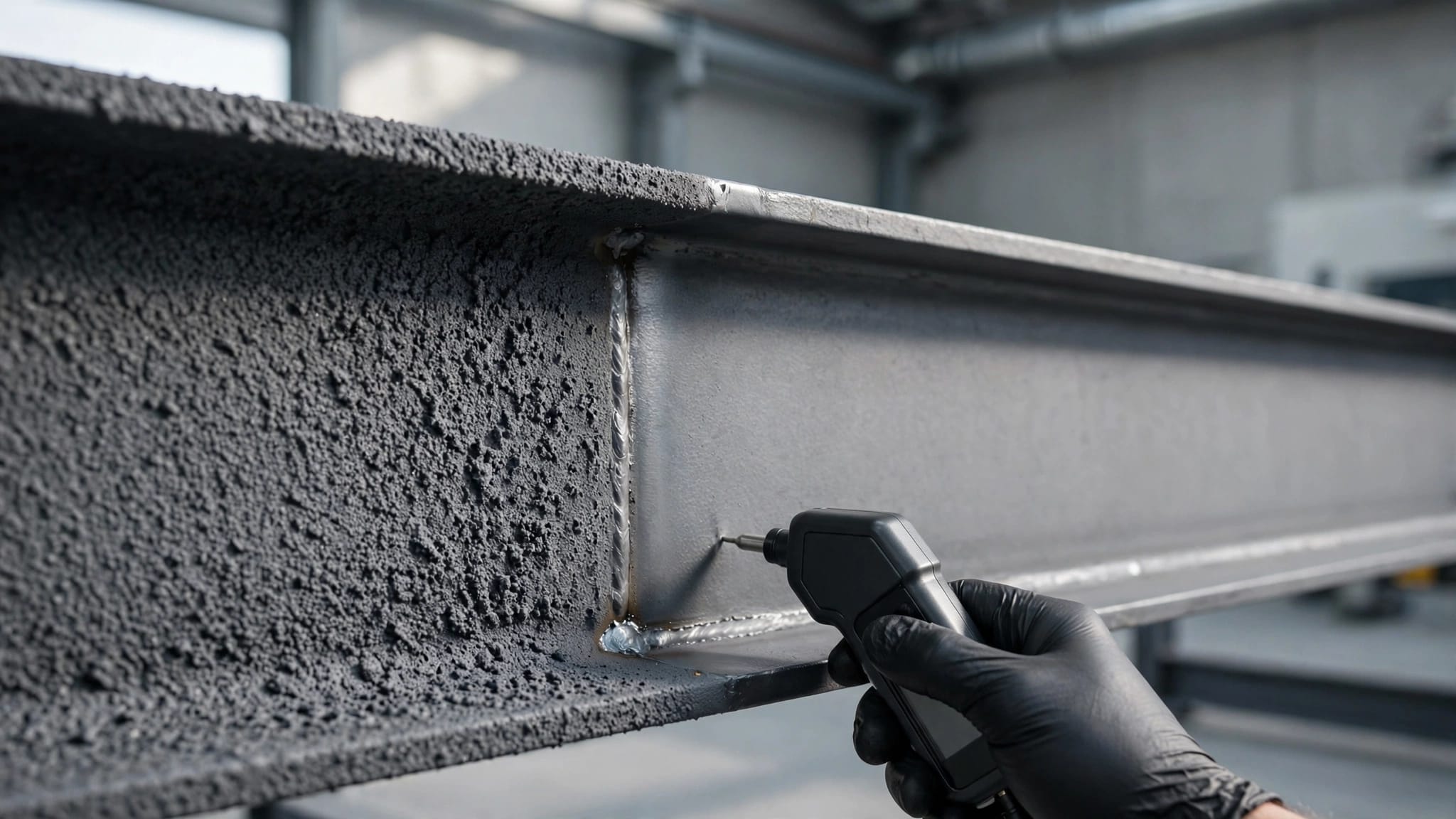
A dry spray coating has a rough, grainy appearance that can leave facility owners wondering whether their steel has adequate protection. Appearance alone won't establish the cause or show whether the coating meets the project requirements. A useful investigation looks at the a...
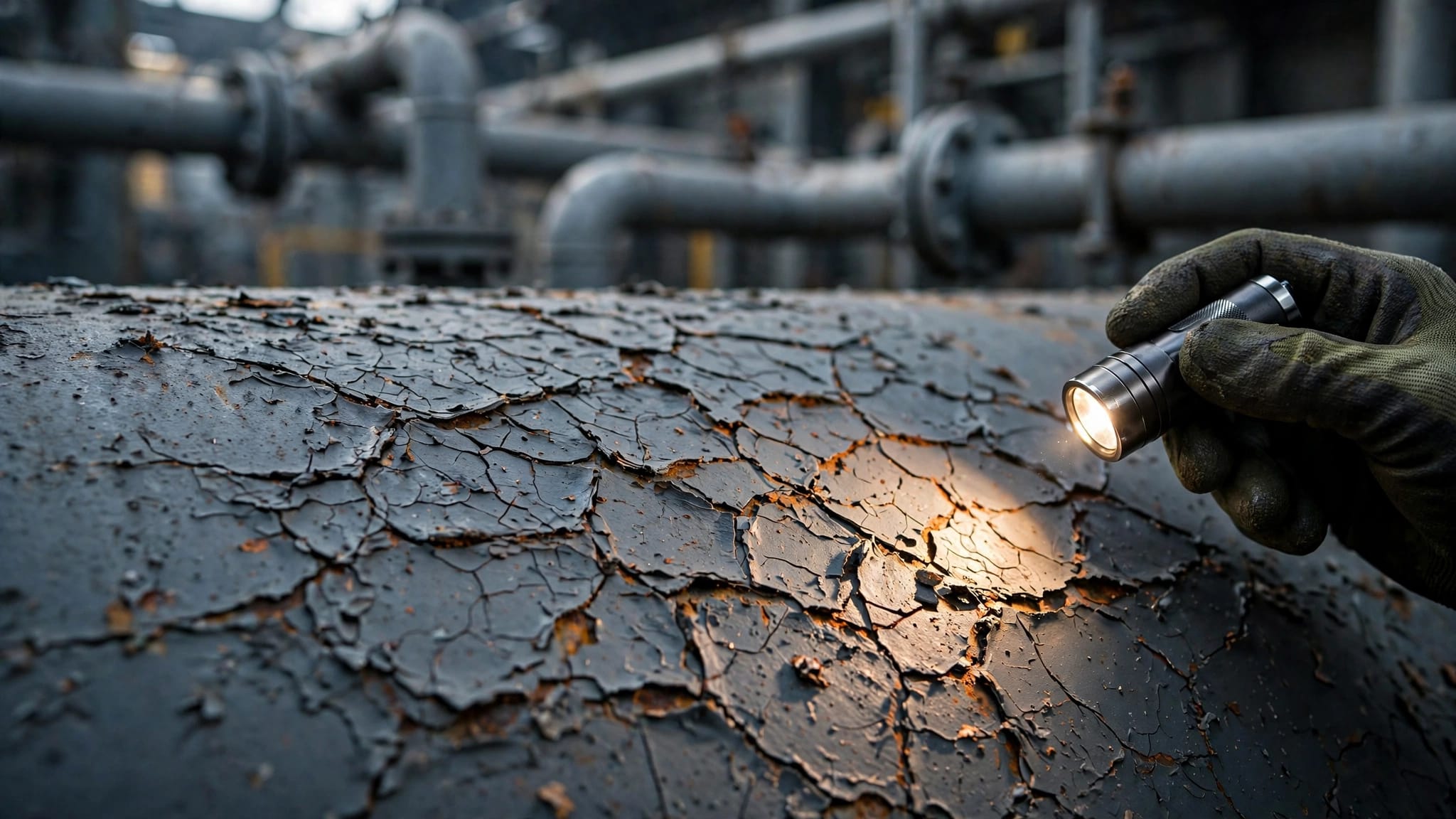
Mud cracking in industrial coatings appears as a network of irregular cracks that resembles dried mud. The pattern can reveal that a coating has failed, but appearance alone doesn't establish the cause . An inspection needs to consider the coating, the surface beneath it, and...
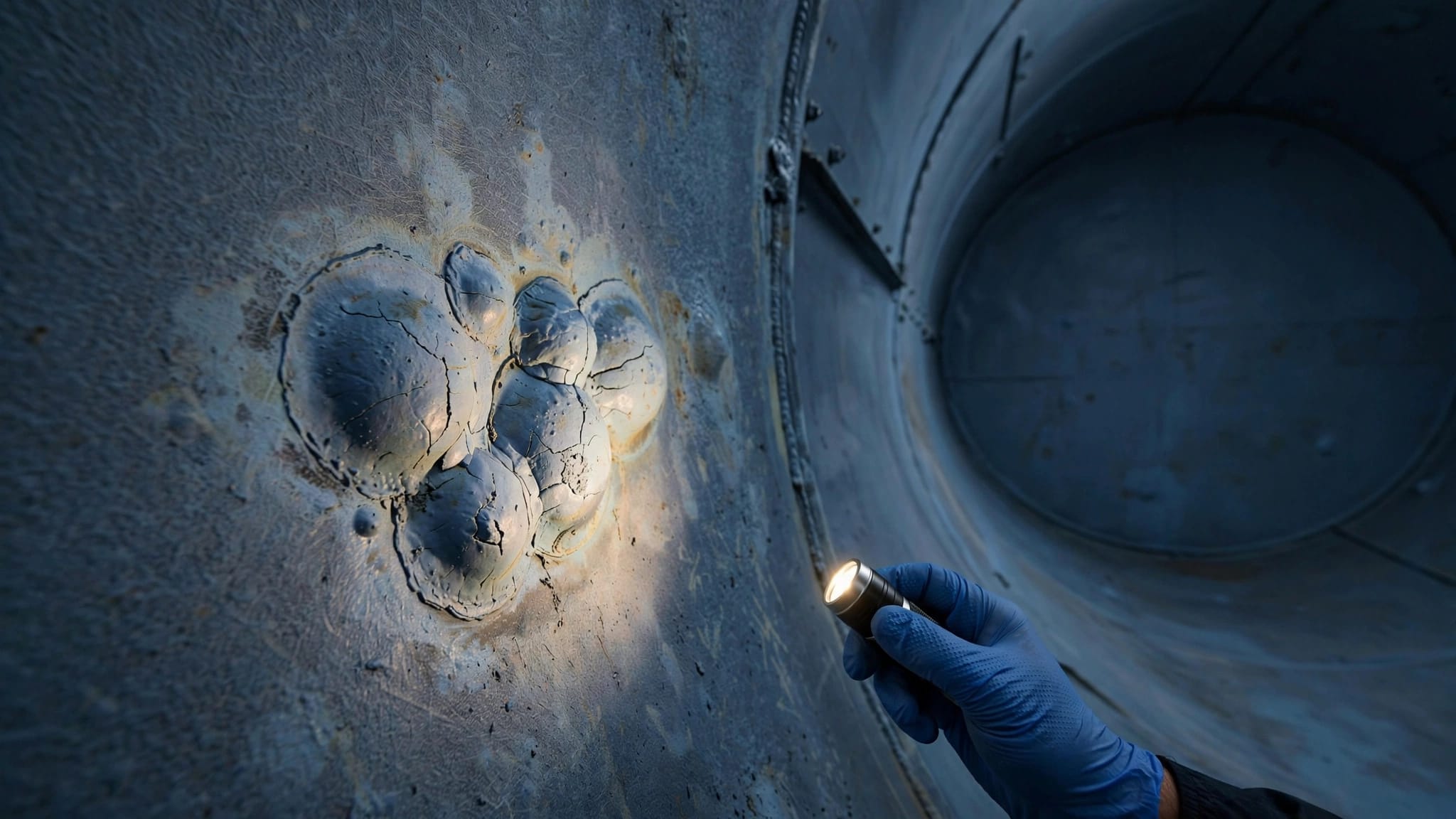
Osmotic blistering is one possible explanation for bubbles in an immersion lining, but appearance alone can't establish the cause. Moisture, contamination, trapped solvent, and heat can also contribute to blistering. For tank owners and facility managers, the first priority is...

The pot life of a two-component industrial coating is the period after its components are mixed during which the material remains suitable for application. Once that period ends, the coating may no longer perform as intended, even if it still looks liquid. For facility owners,...
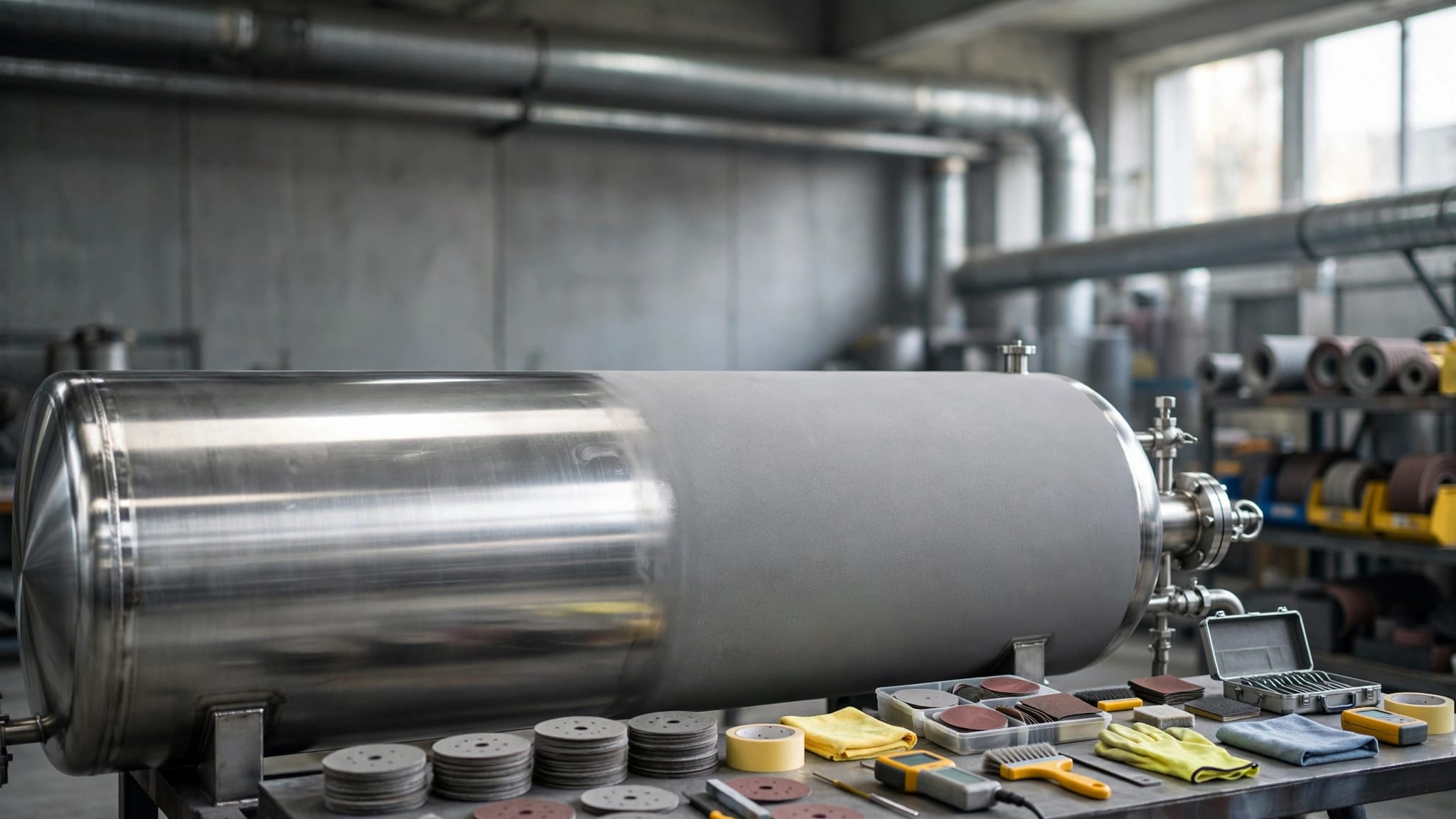
Stainless steel coating preparation starts with a clean, sound surface and a preparation method suited to the selected coating. The work generally moves through degreasing, contaminant removal, surface profiling, and inspection before application. For facility owners, the prep...
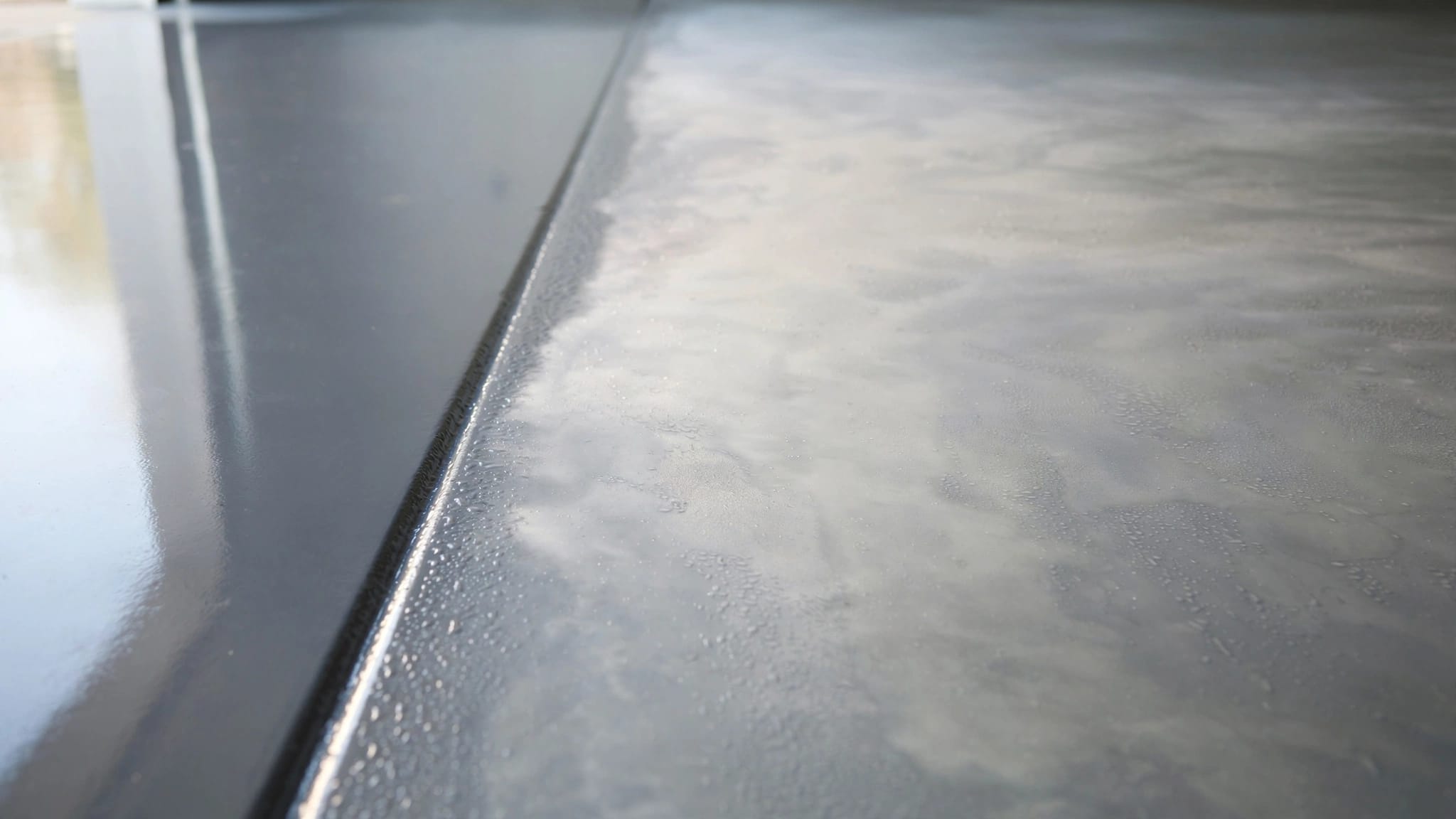
Amine blush is a surface issue associated with some amine-cured epoxy coatings. Moisture, carbon dioxide, temperature, and humidity all play a part in the conditions that can lead to it. For a garage floor or an industrial coating, the concern is adhesion between coats . A con...
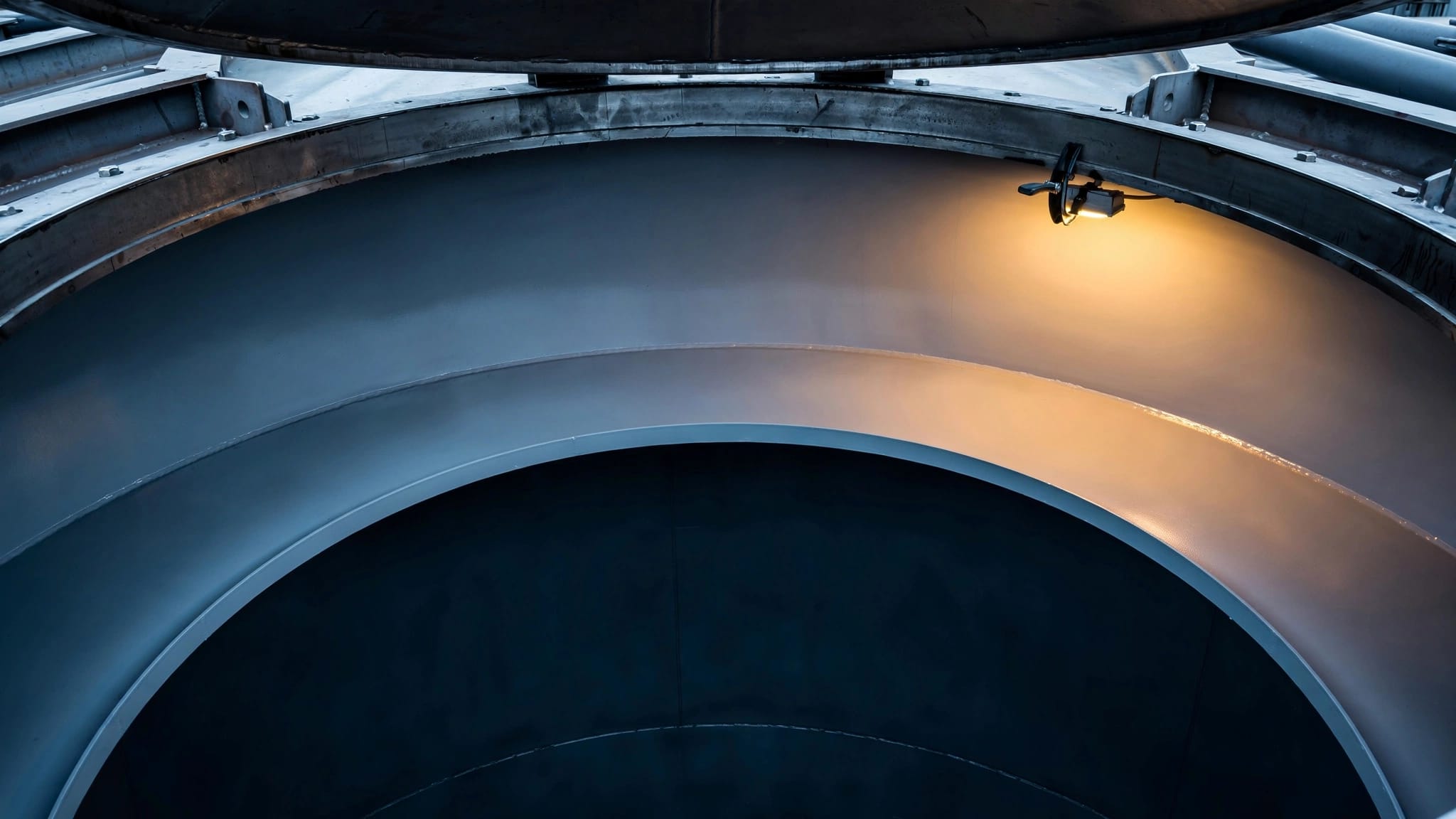
Industrial coatings must reach their specified immersion cure before a tank or other lined surface is filled. The required wait depends on the product, the liquid it will contain, and the conditions during curing. A coating can feel dry long before it's ready for continuous co...
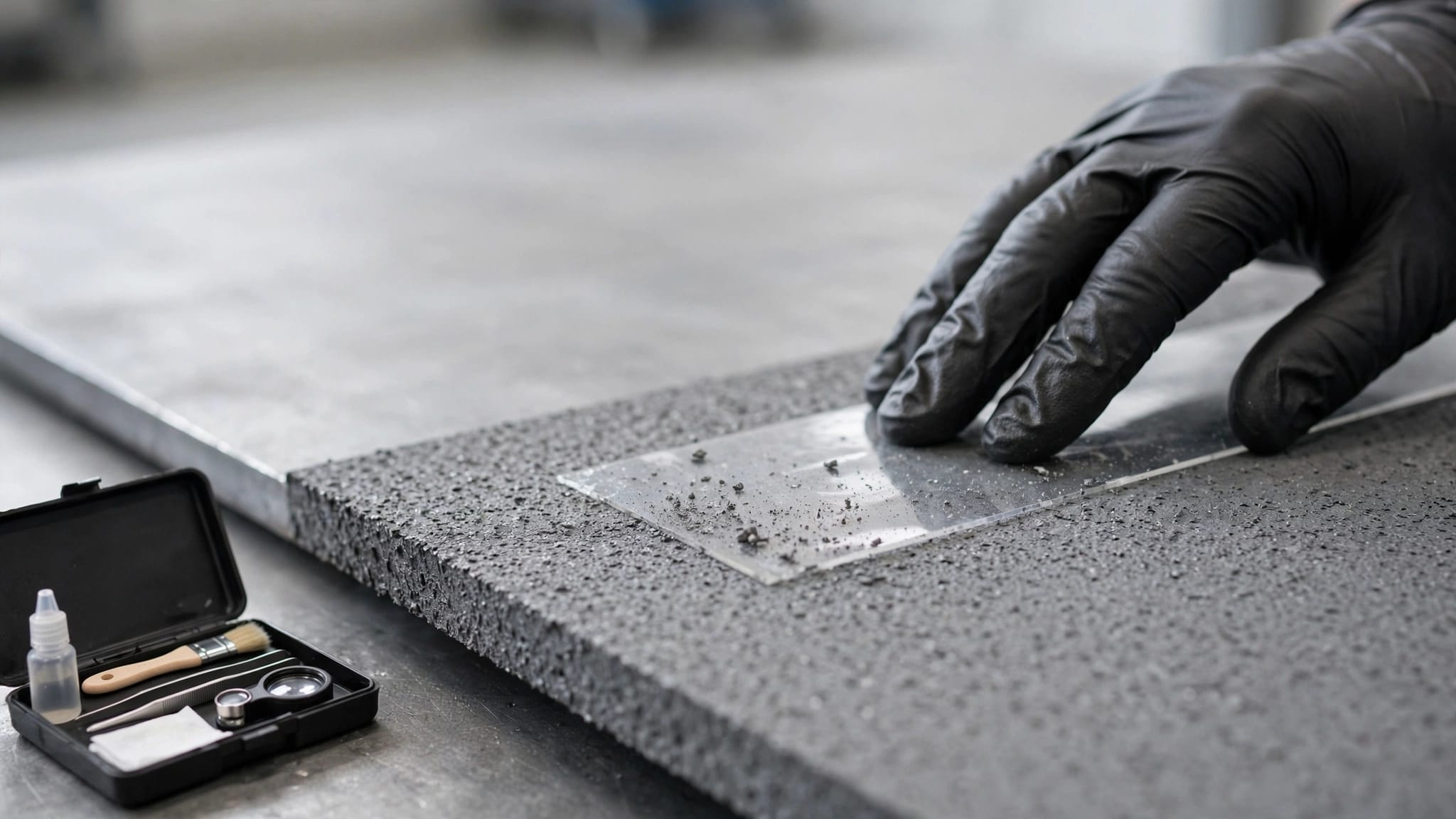
Checking blasted steel for dust starts after abrasive blasting and cleanup, before the first coat goes on. Inspectors look for loose residue, document the condition, and complete the dust assessment required by the project. A surface can look clean and still carry fine particl...
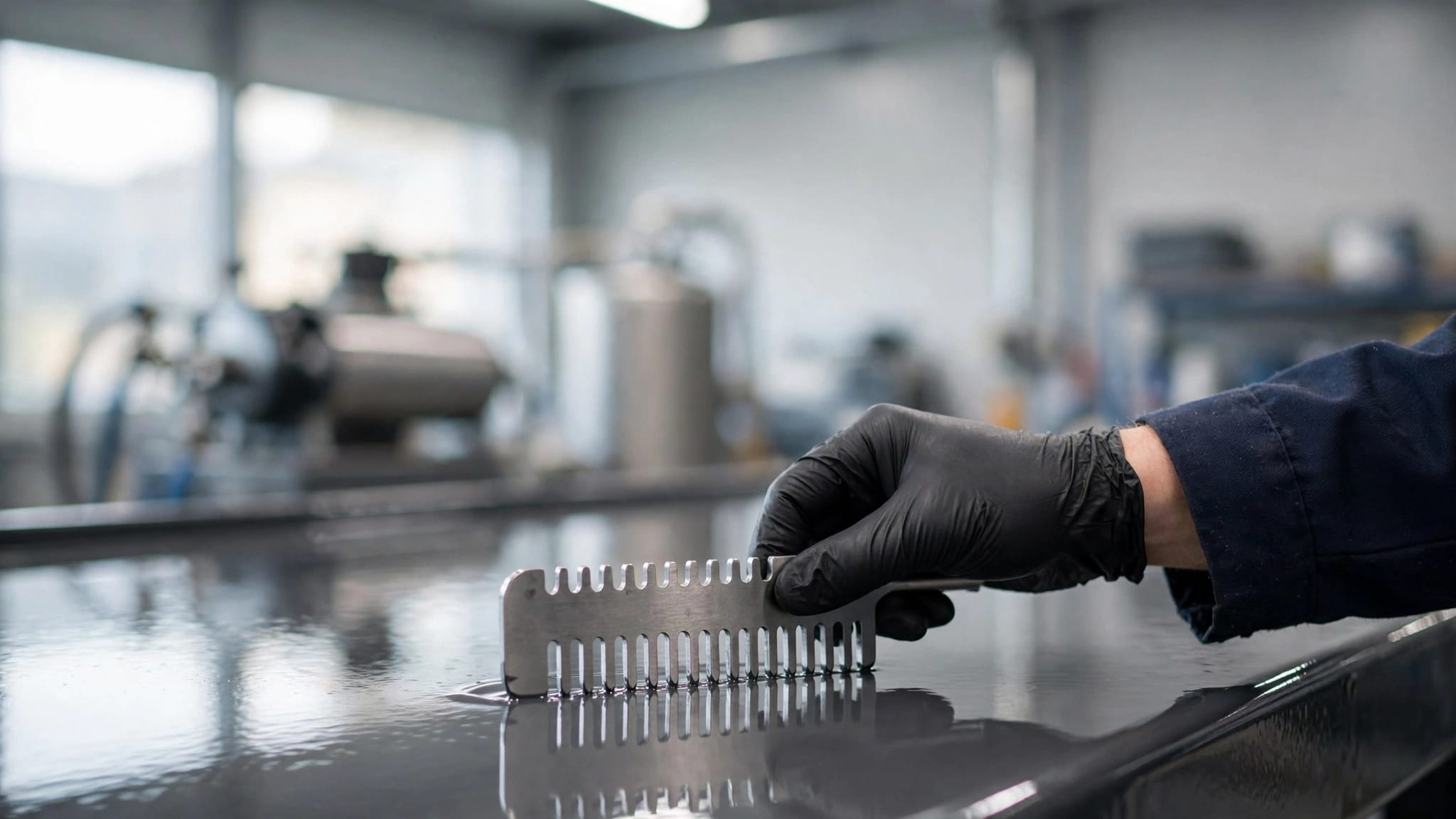
Wet film thickness helps a coating crew assess how much material is on a surface during application. For facility owners, those readings provide a way to track application consistency while the work is underway. A useful reading needs context : the coating product, the locatio...
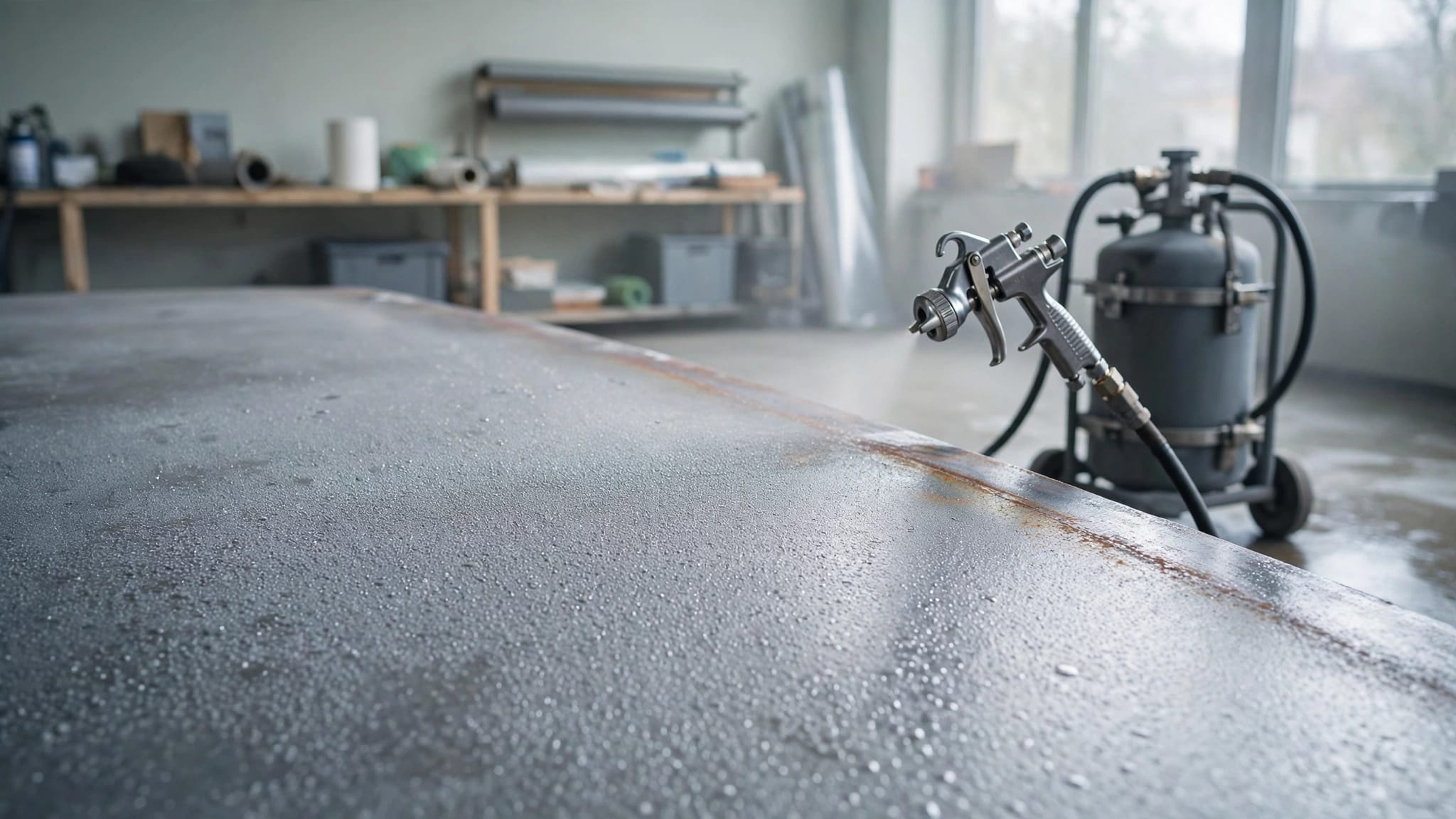
Flash rust prevention starts with keeping blasted steel clean and dry, then applying the specified primer while the surface still meets the coating requirements. Humidity, condensation, salt, and long delays can all put that work at risk. For a facility owner, the important de...
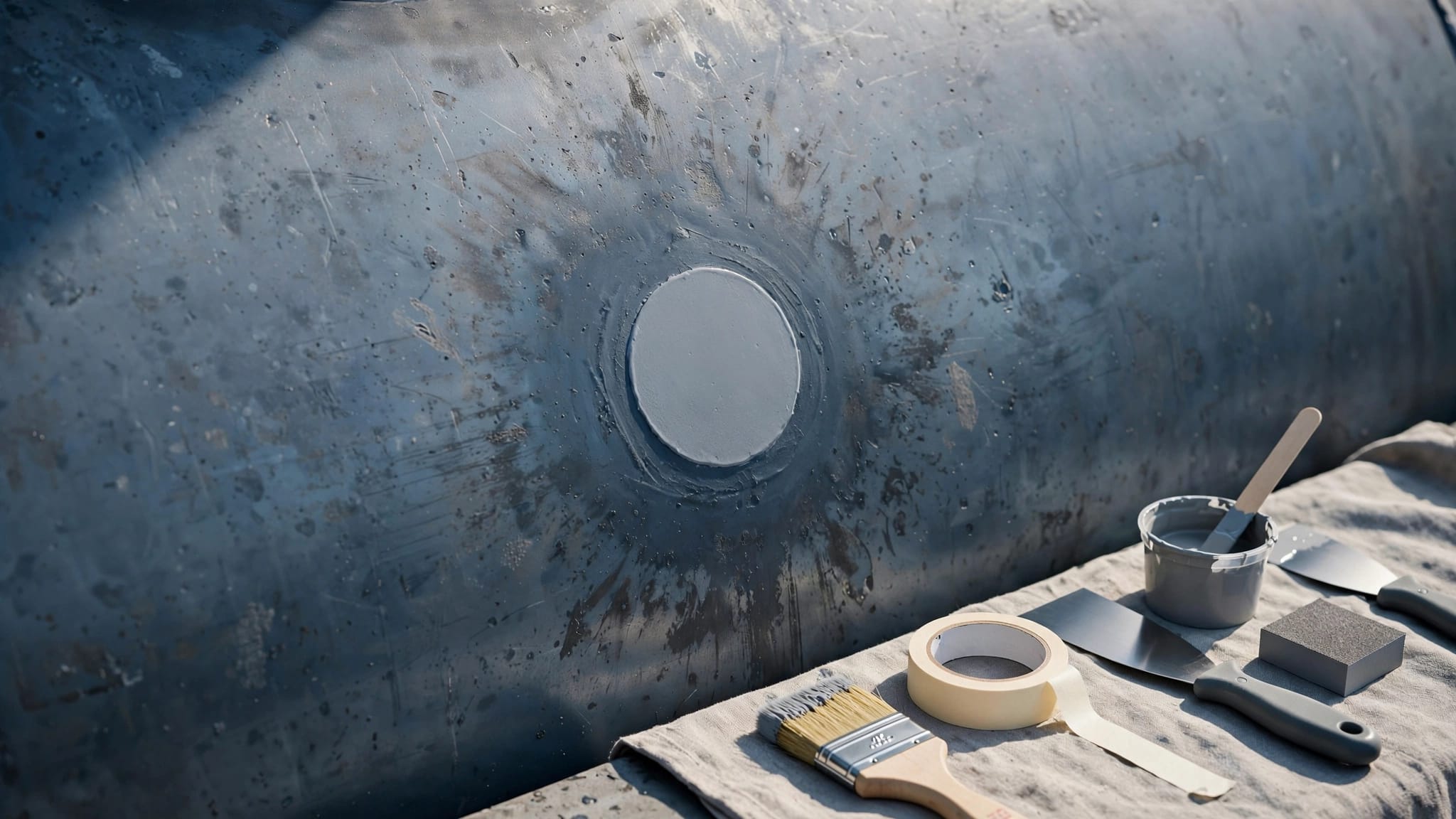
Industrial coating repair is a good choice when damage is localized, the surrounding coating still adheres well, and the substrate remains sound. Broader recoating makes more sense when failure is widespread, keeps returning, or the existing system can't support a reliable rep...
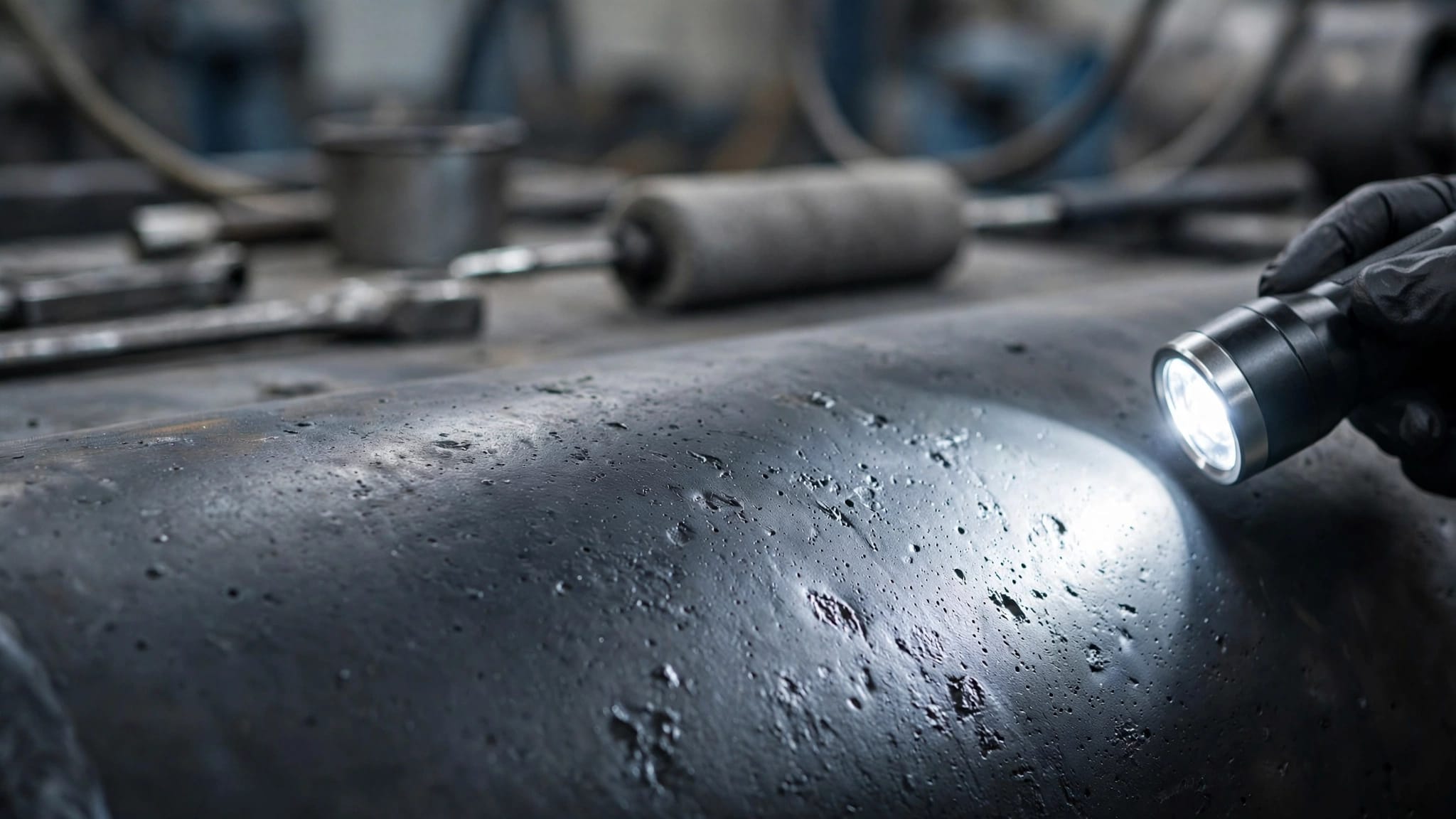
Solvent popping appears as small holes or craters in a coating film, often during or after application. If you spot them on a tank, floor, or piece of equipment, the important next step is to determine the extent of the defect before covering it with another coat. Similar-look...
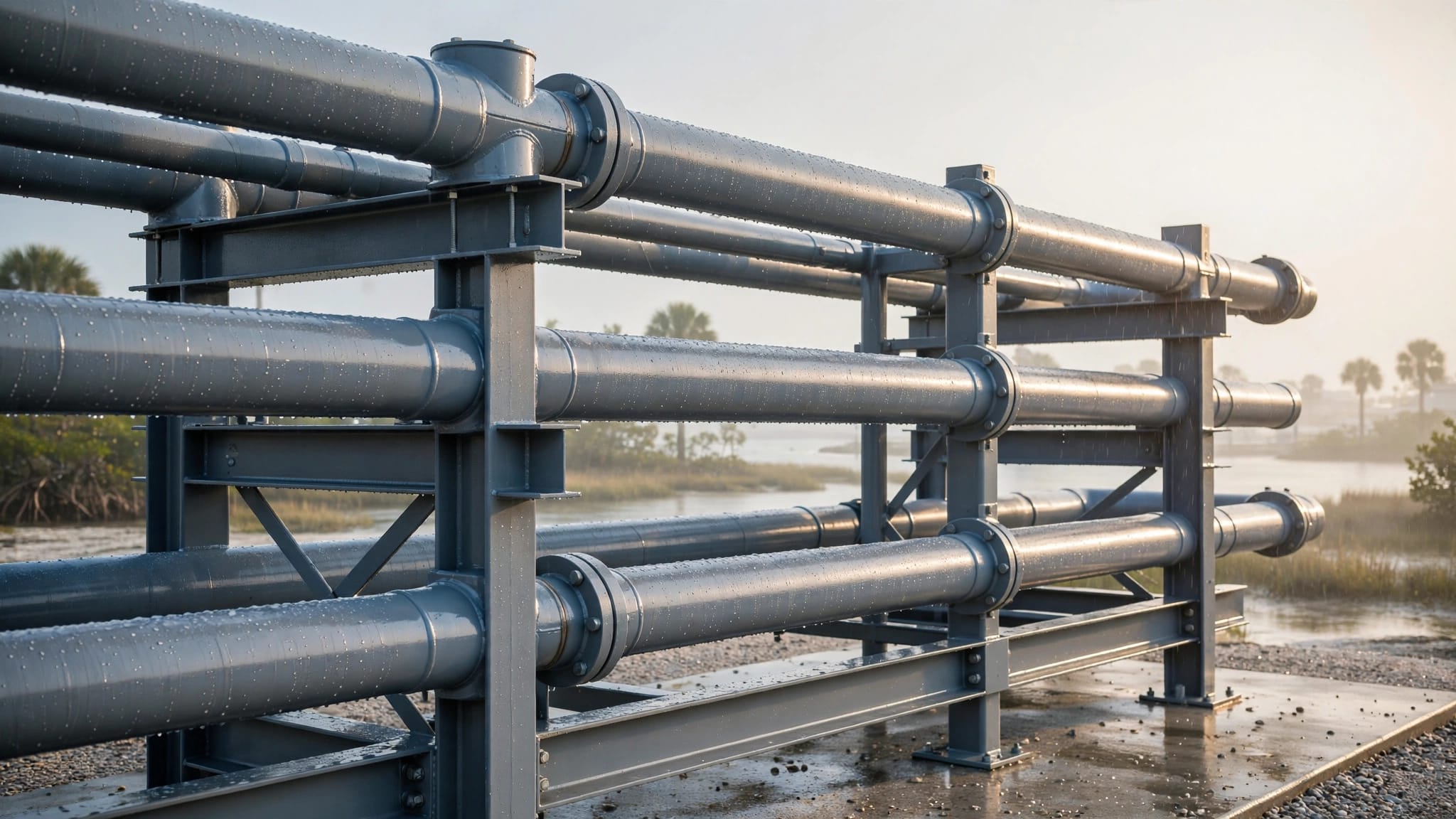
The right industrial pipe rack coatings combine corrosion protection with a finish suited to Florida's salt air, humidity, rain, and sun. The choice depends on the steel's condition, the rack's exposure, and how the coating will be applied and maintained. A product that looks...

Pull-off adhesion testing measures how strongly an industrial coating system resists separation under a pulling force. It gives facility owners evidence about bond performance that appearance alone can't provide. The result can help a contractor assess a new coating or investi...
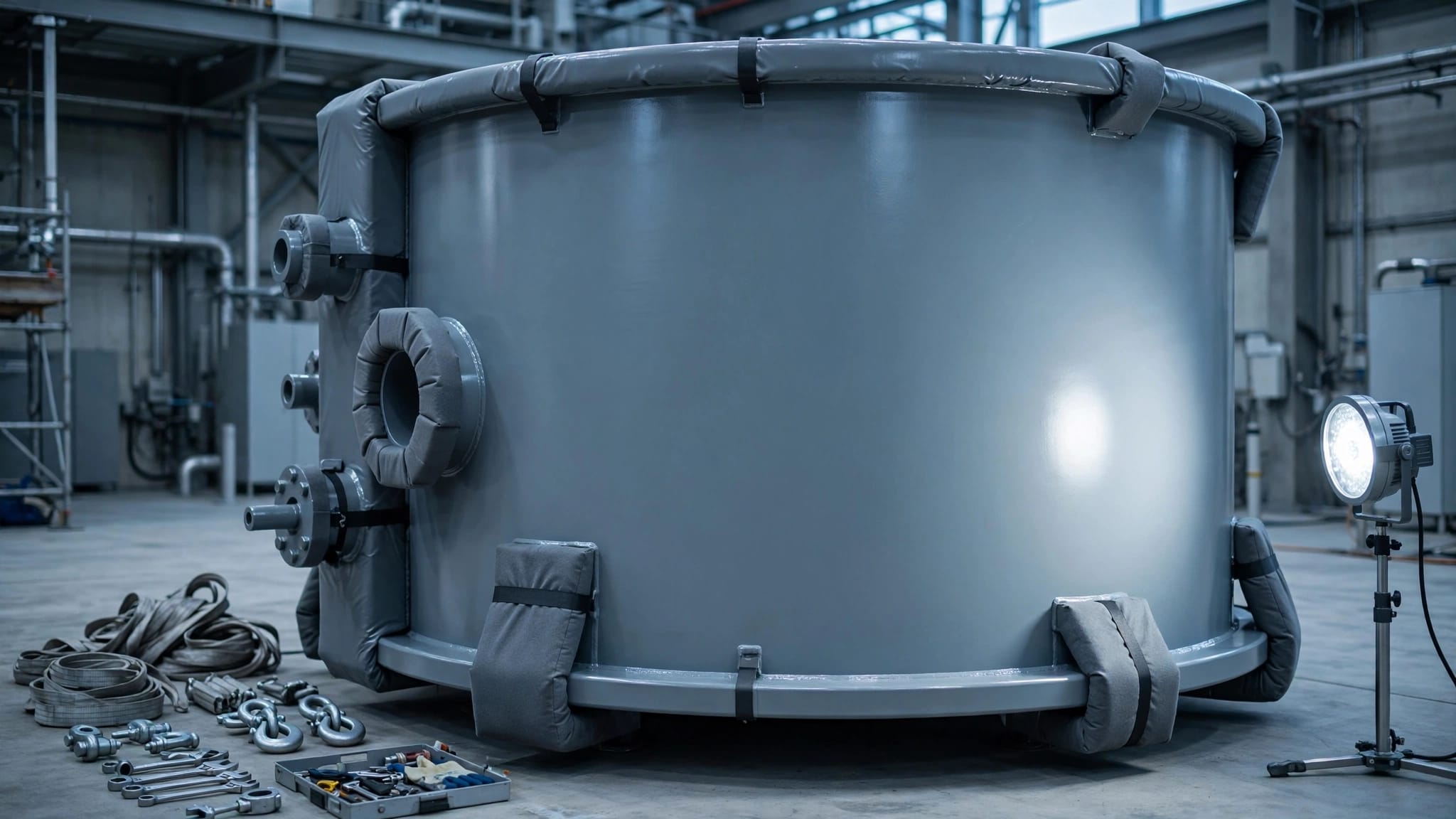
To protect industrial coatings during equipment installation, identify vulnerable surfaces, assign responsibility for protection, and inspect for damage before the equipment enters service. Scratches and contamination can compromise a coating that looked sound when it arrived....
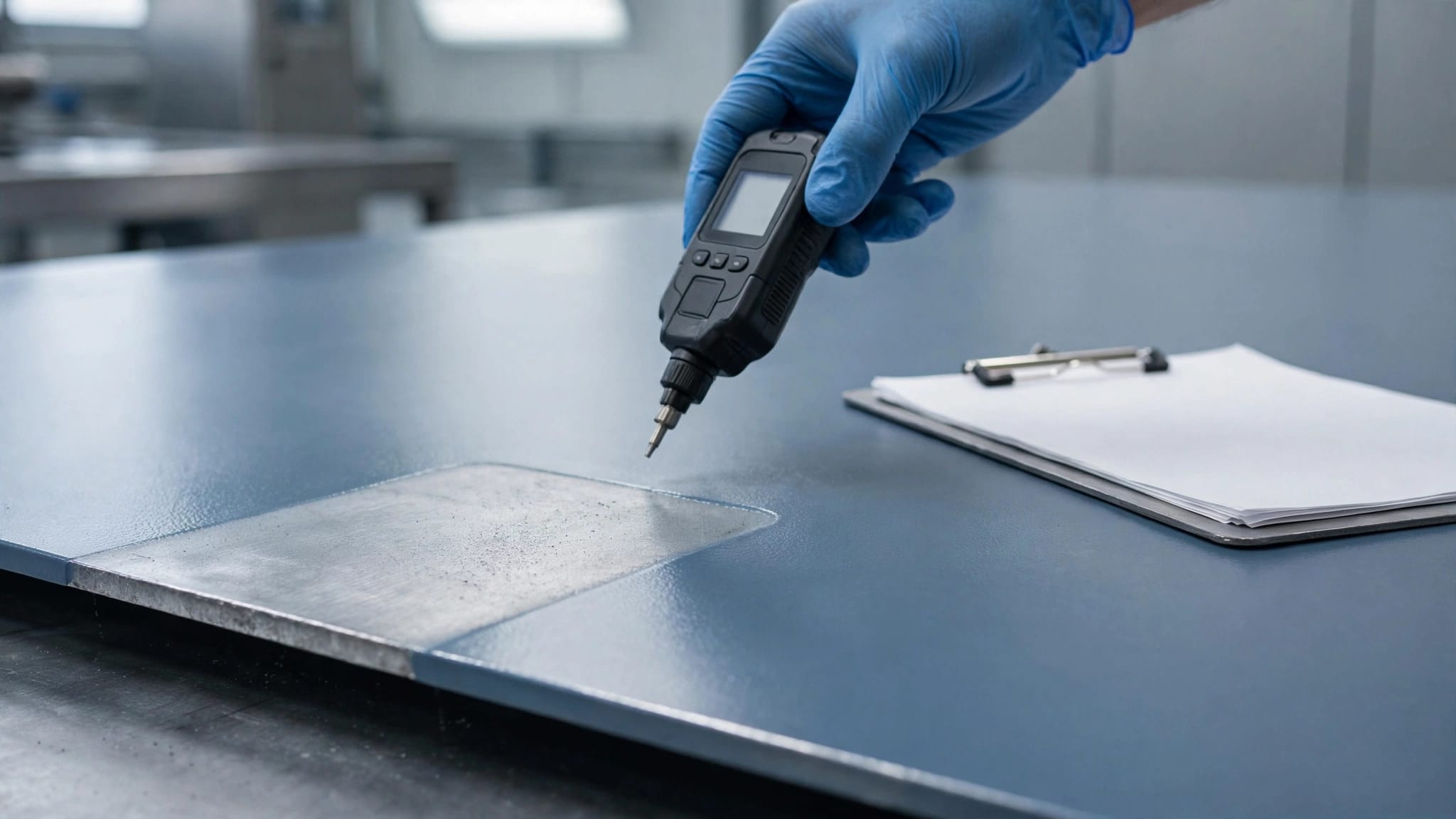
An industrial coating recoat window is the period when a previous coat is ready to receive the next layer without additional preparation. To check it, compare the product's instructions with the application record, actual conditions, and the surface condition before work conti...
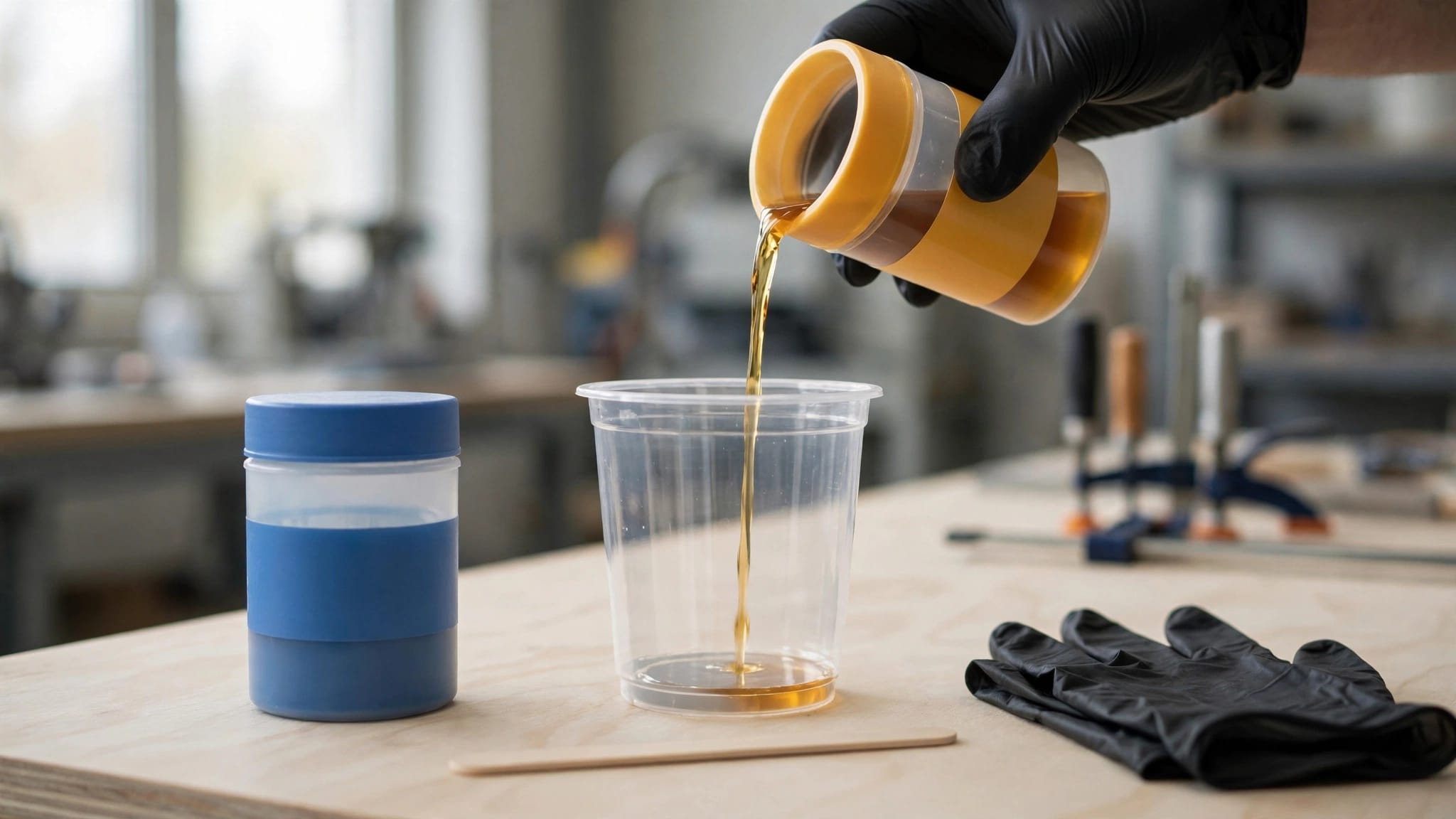
Two-component coatings need the manufacturer's specified proportions of base and hardener to cure as intended. The ratio may be expressed by volume or weight , and those measurements aren't interchangeable. For a facility owner, accurate mixing is one part of a dependable coat...
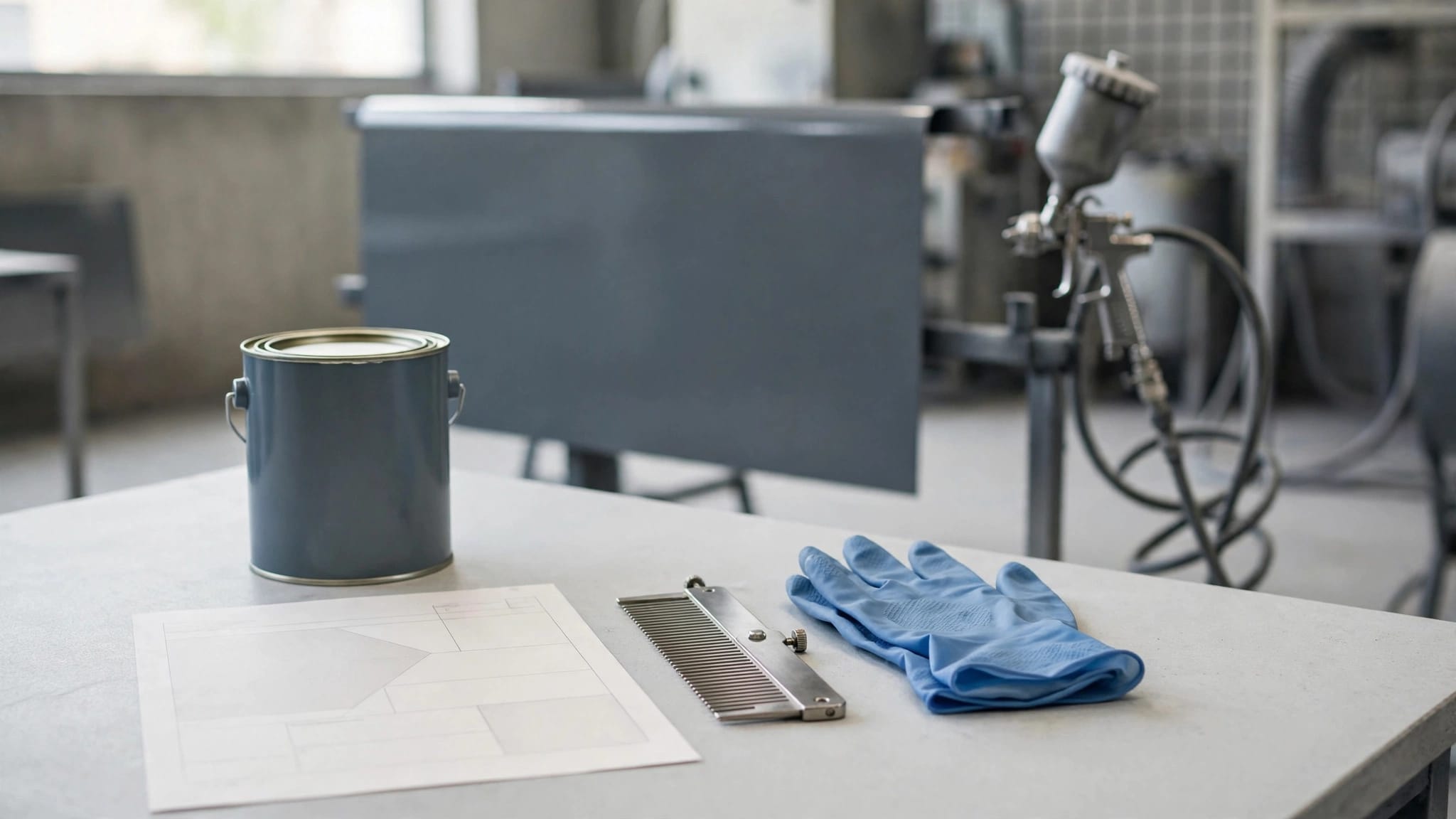
A coating product data sheet tells you where a coating can be used and how it must be prepared, applied, and cured. For facility owners comparing painting contractors, it's a way to understand what a proposed coating job includes. The most useful numbers describe conditions ,...
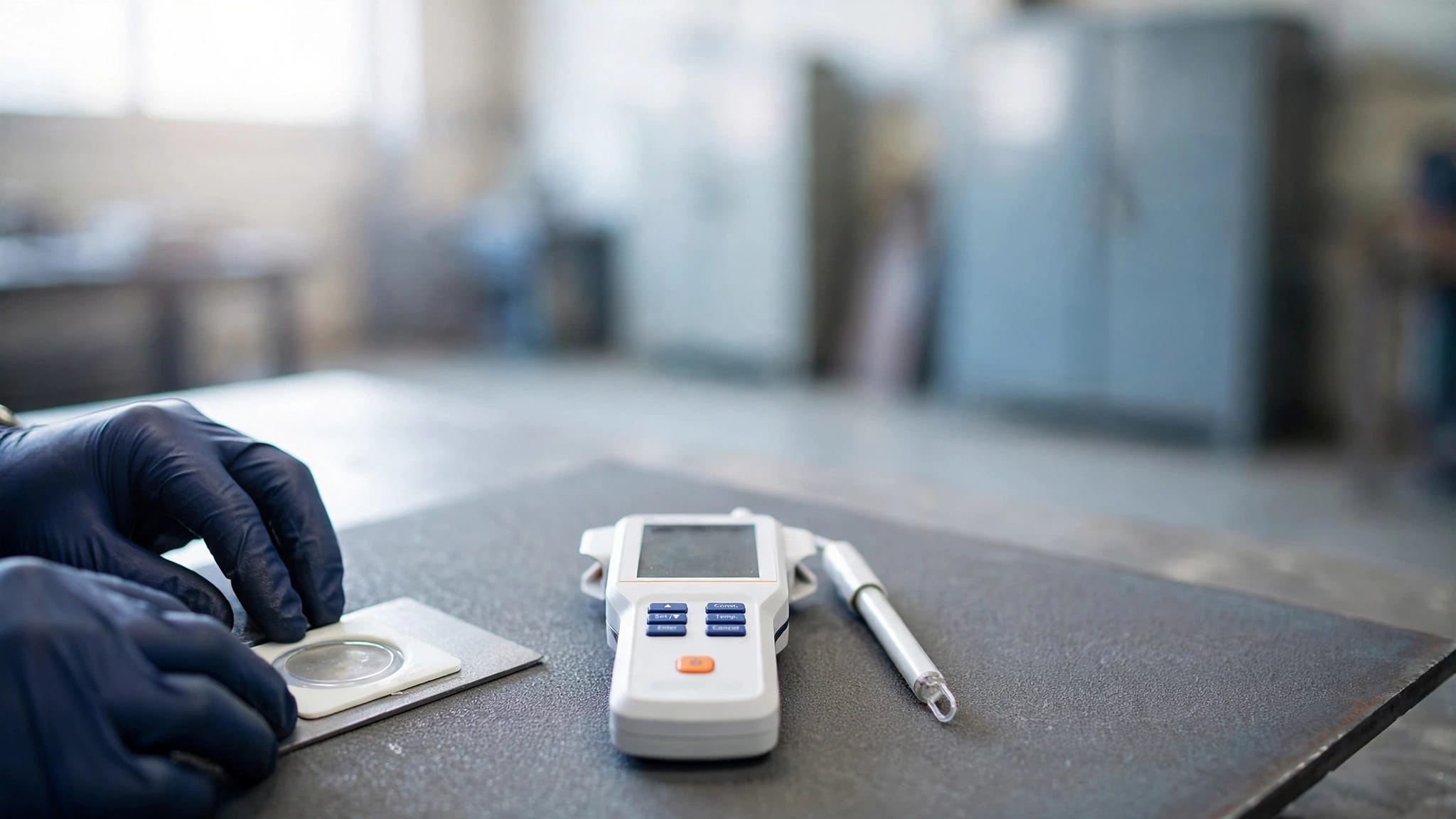
Soluble salt testing measures contamination on steel that can remain after the surface looks clean. A common field method uses a Bresle patch to extract salts with water, then measures the solution's conductivity. For facility owners, the important decision is whether the resu...
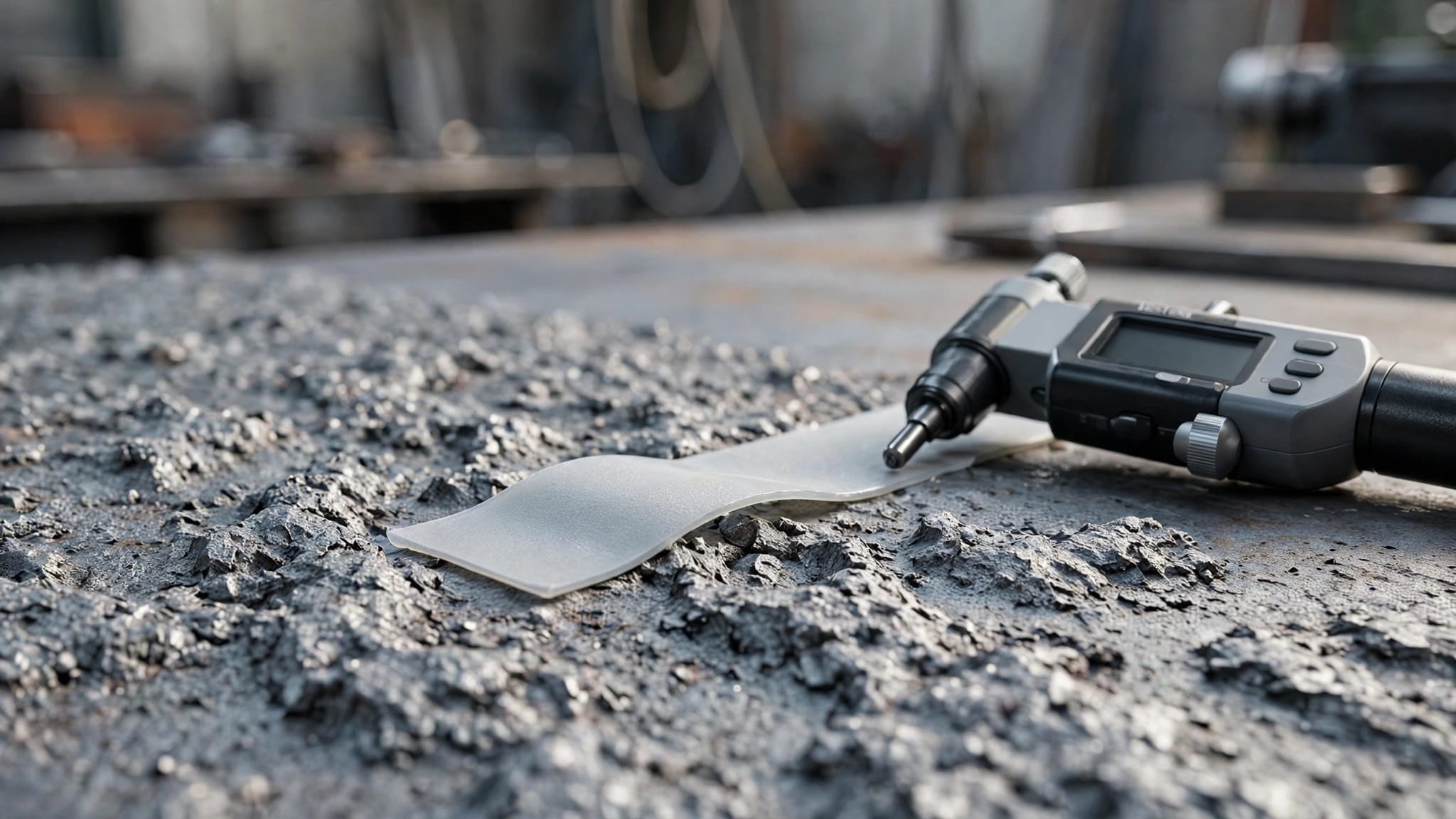
Measure abrasive-blasted steel before coating, using the specified profile comparator, depth micrometer, or replica tape method. Reliable surface profile measurement requires prepared equipment, representative sampling, and comparison with the project's acceptance criteria . A...
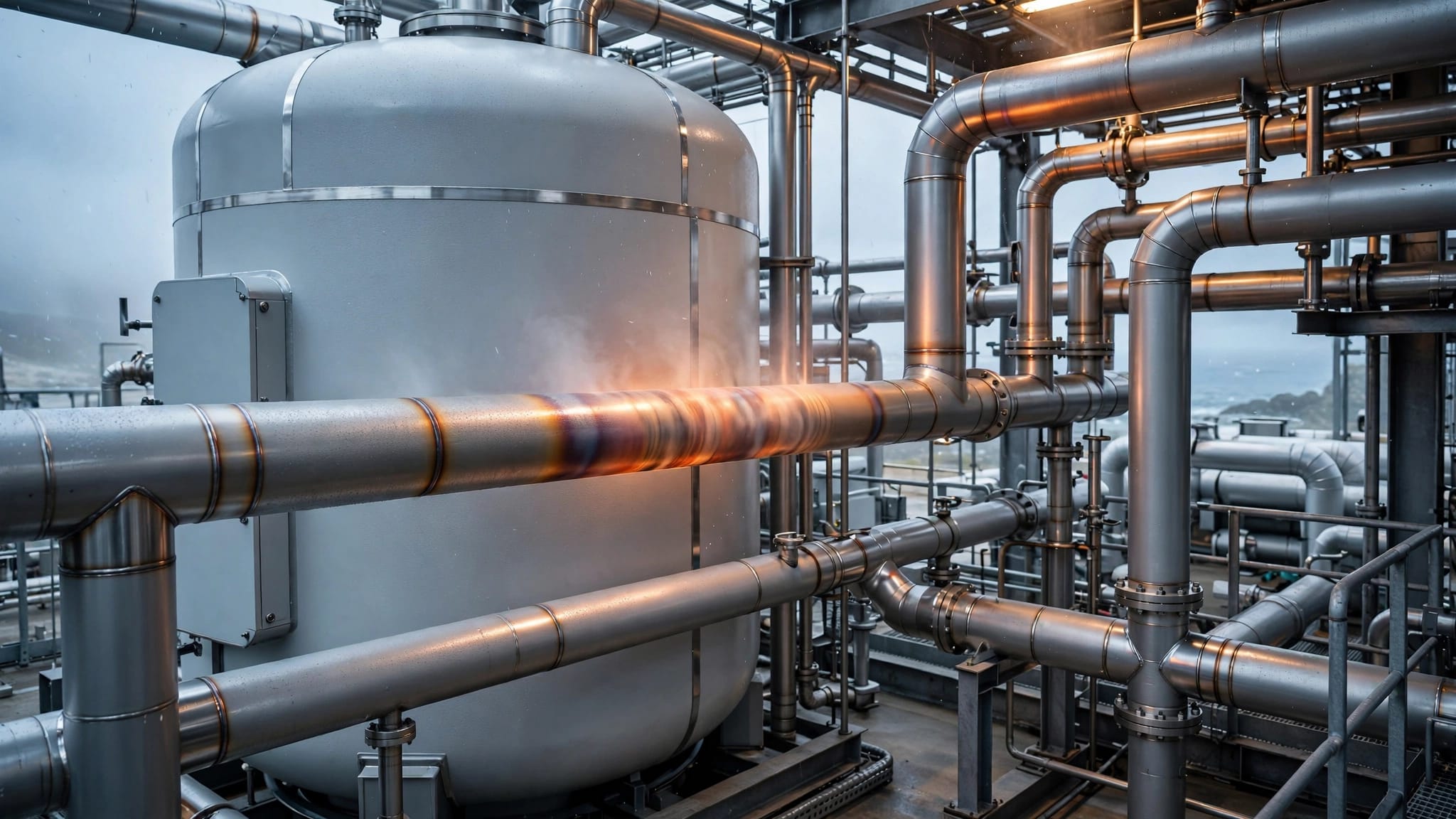
High temperature coatings protect process equipment by maintaining a protective barrier under the heat and environmental conditions specified for the system. Successful protection depends on matching the coating to the actual operating conditions , then controlling preparation...
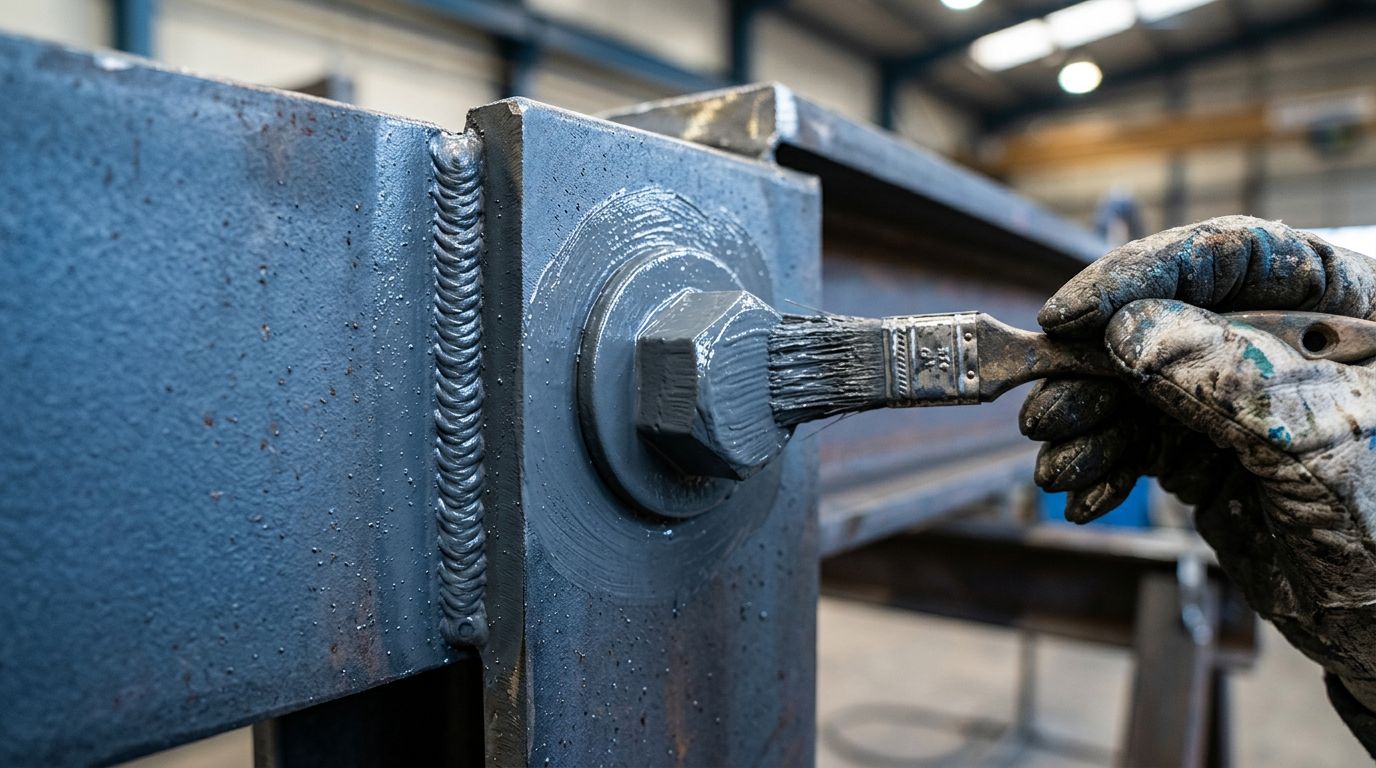
Stripe coating usually means applying additional, localized coating to steel details that are difficult to cover evenly, such as edges, welds, and fasteners. It supports continuous protection at vulnerable locations while the full coat covers the broader surface. A freshly pai...

Choose industrial coatings for substations in Florida by matching the system to exposure, substrate, existing finish, and equipment manufacturer specifications. For outdoor steel, a compatible rust-inhibitive primer and UV-resistant finish are often appropriate, but electrical...
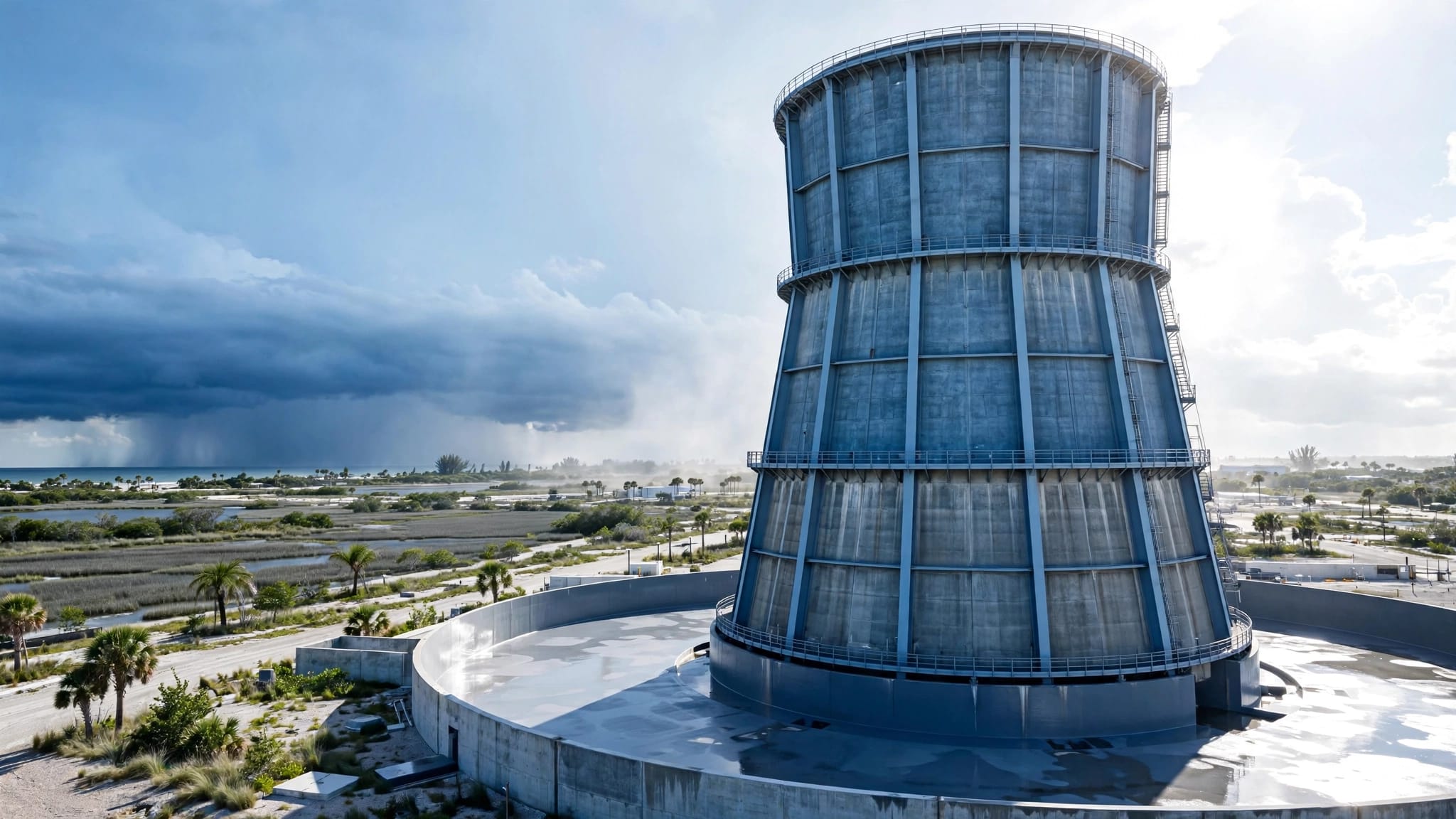
Choose cooling tower coatings by matching each area's substrate, water exposure, chemical contact, and operating temperature to a documented coating system. Then build the project around surface preparation , application conditions, and curing requirements. In Florida, coastal...
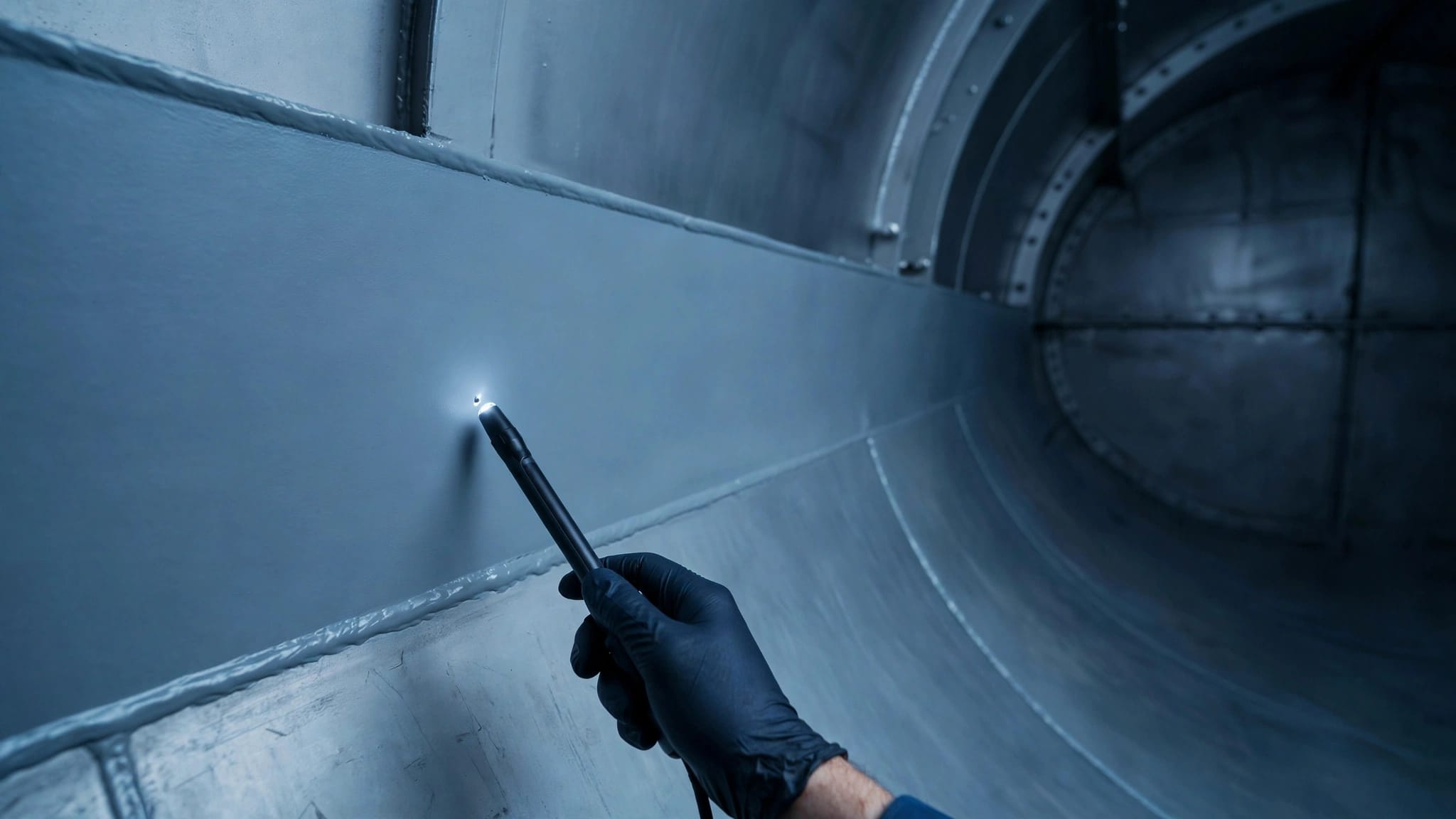
Holiday testing locates pinholes and other discontinuities in suitable industrial tank linings, including openings that visual inspection can miss. For tank owners, its value is identifying gaps in the protective barrier before those gaps become service problems. A smooth fini...
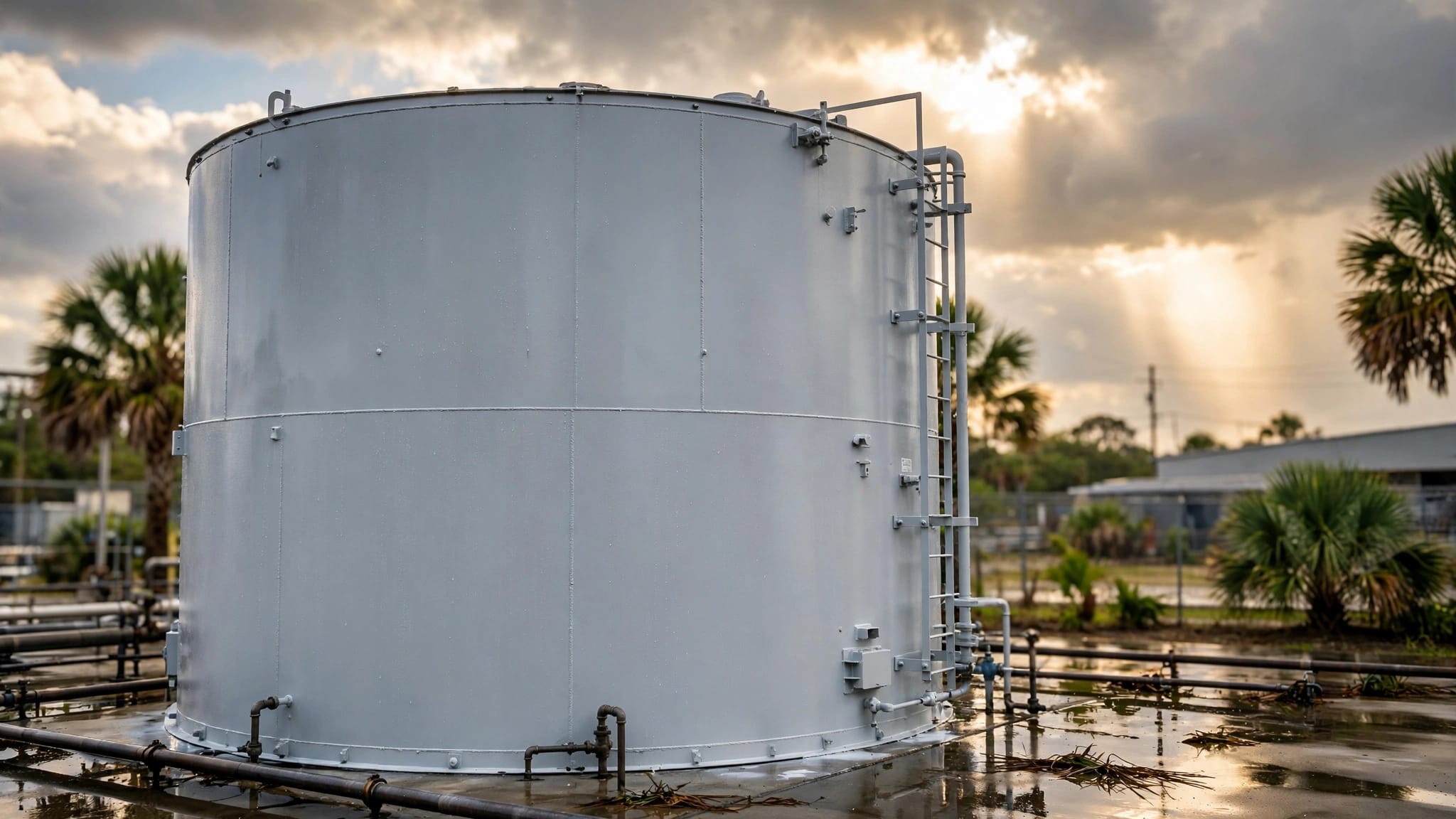
Successful above-ground tank recoating in Florida starts with inspection, contamination removal, and a coating system matched to the tank's service conditions. Humidity, coastal salt, intense sunlight, heat, and sudden rain make surface preparation and application timing espec...
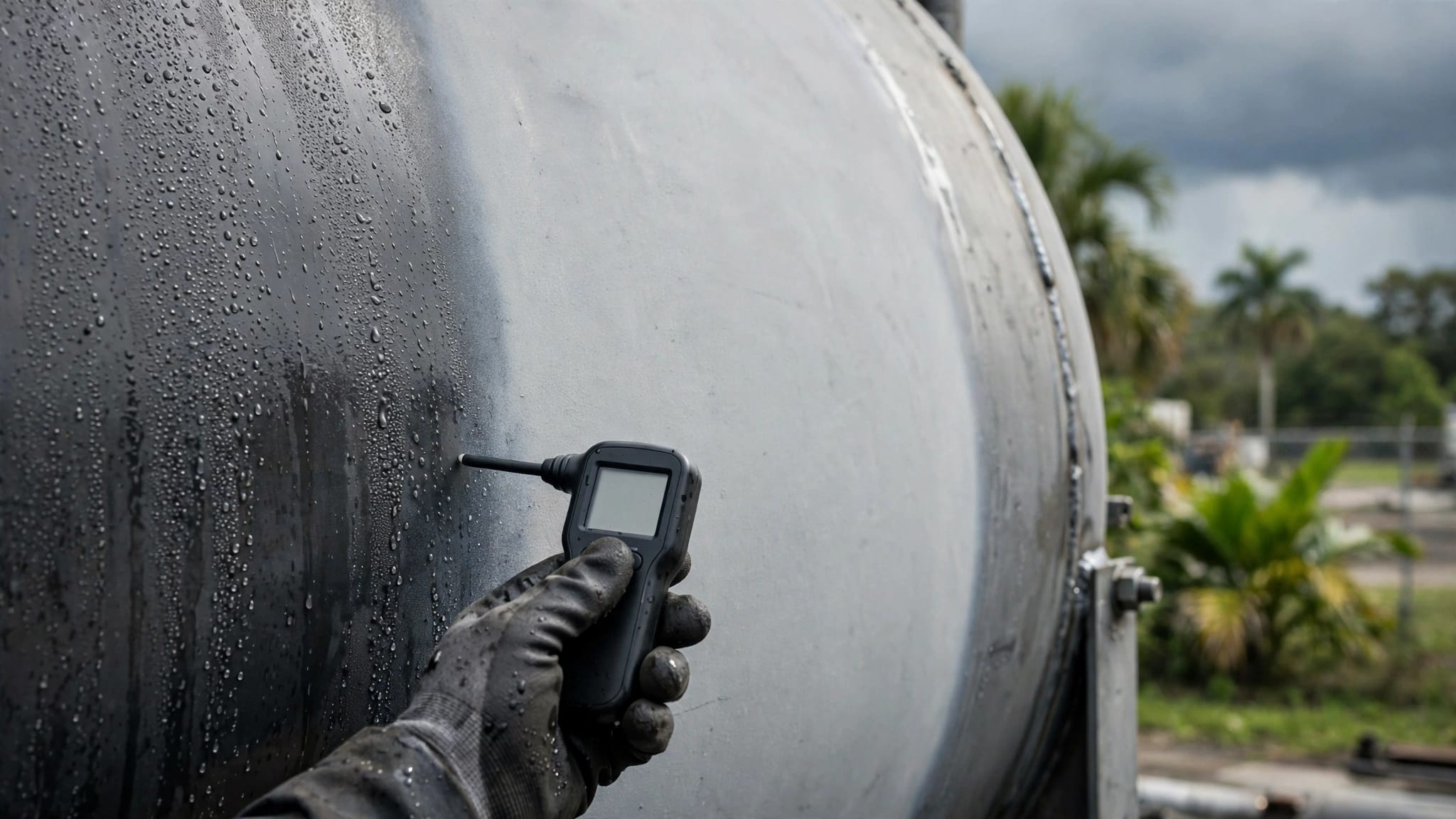
Dew point readings help determine whether an industrial surface can receive a coating without condensation interfering with adhesion. In Florida, the key comparison is surface temperature versus dew point , alongside the coating's temperature, humidity, and curing requirements...
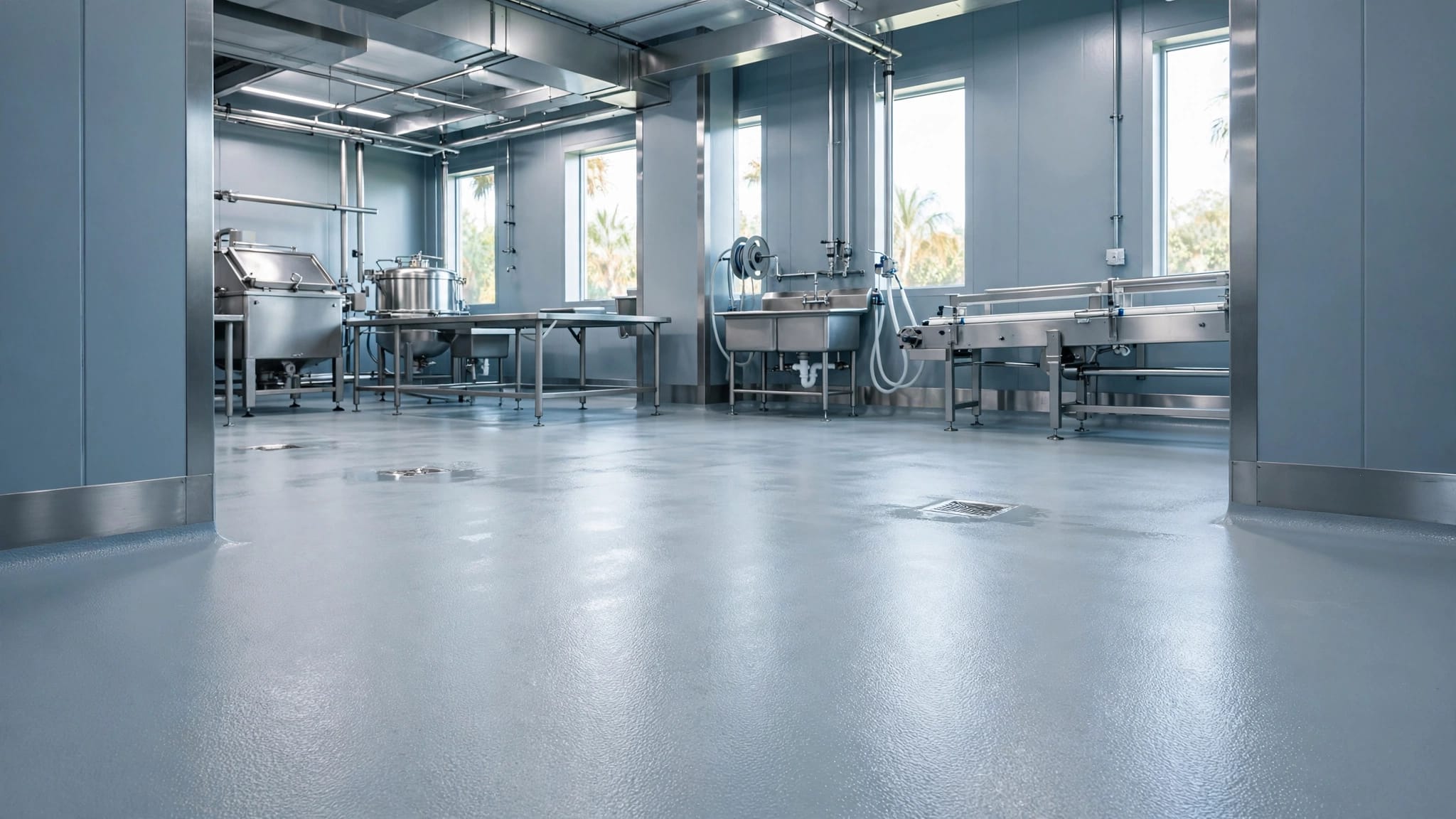
A food plant floor has to do more than look clean. It must hold up to washdowns, foot and equipment traffic, spills, and the moisture challenges common in Florida. The best food processing floor coatings match the facility's sanitation routine and slab condition, not just the...
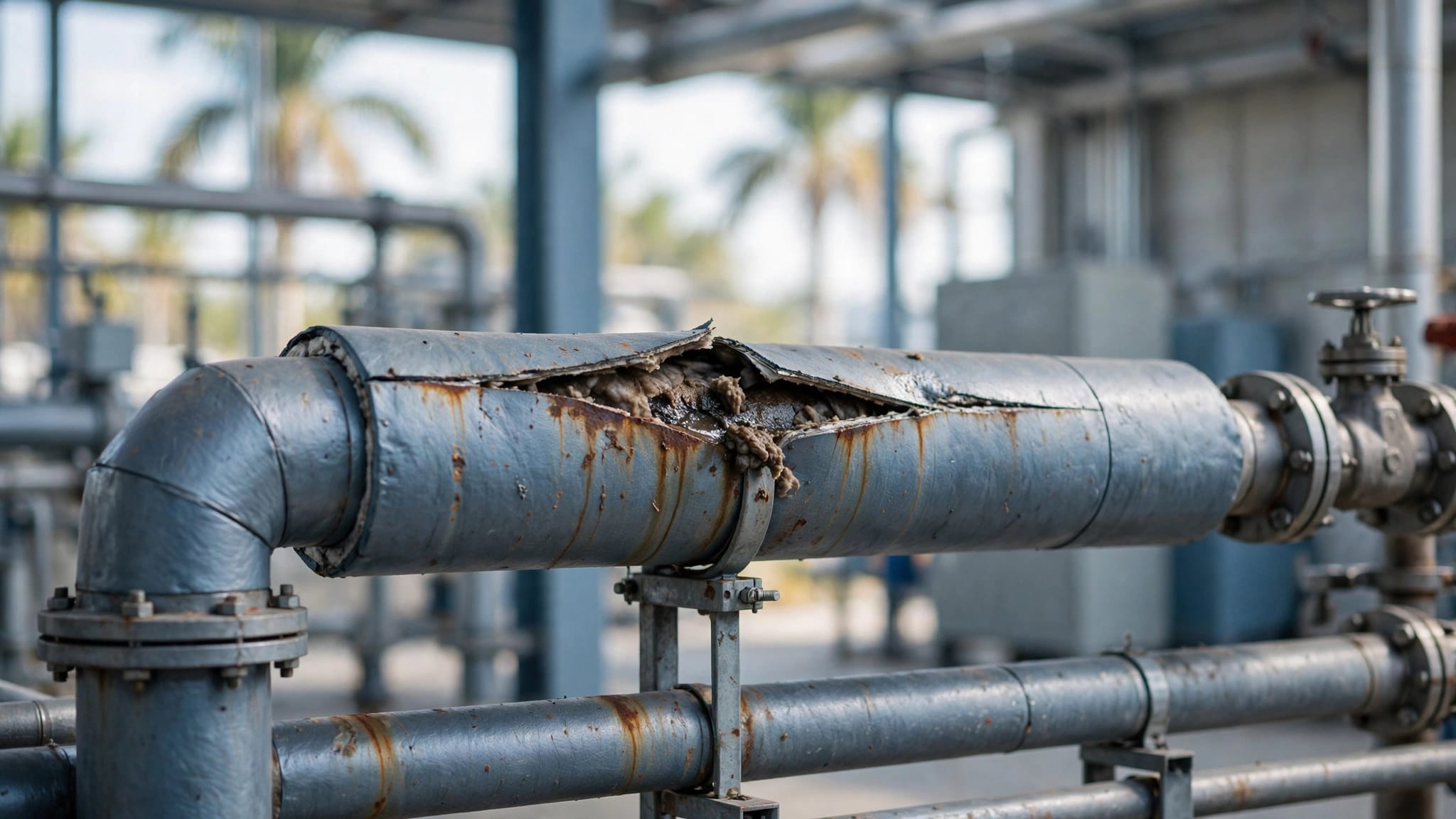
Corrosion under insulation can weaken industrial piping while the exterior still looks sound. In Florida facilities, water that enters through damaged seams or seals can remain against the pipe, so spotting a concern early depends on careful observation and good records. A wal...
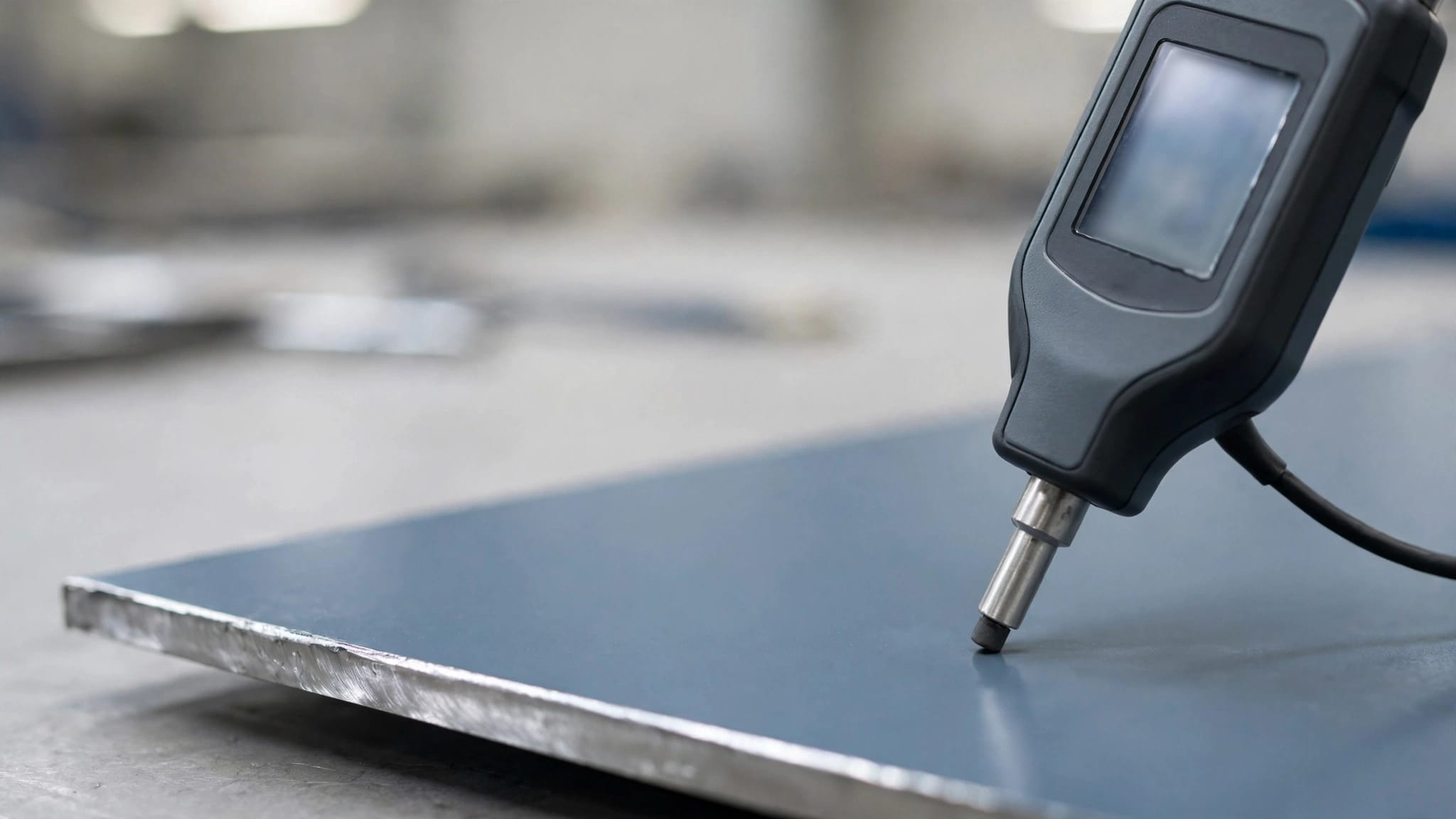
A coating can look uniform and still leave steel or equipment underprotected. Measuring dry film thickness (DFT) helps identify thin spots and uneven application before they become maintenance problems. The right process depends on the substrate, coating, gauge, and project sp...
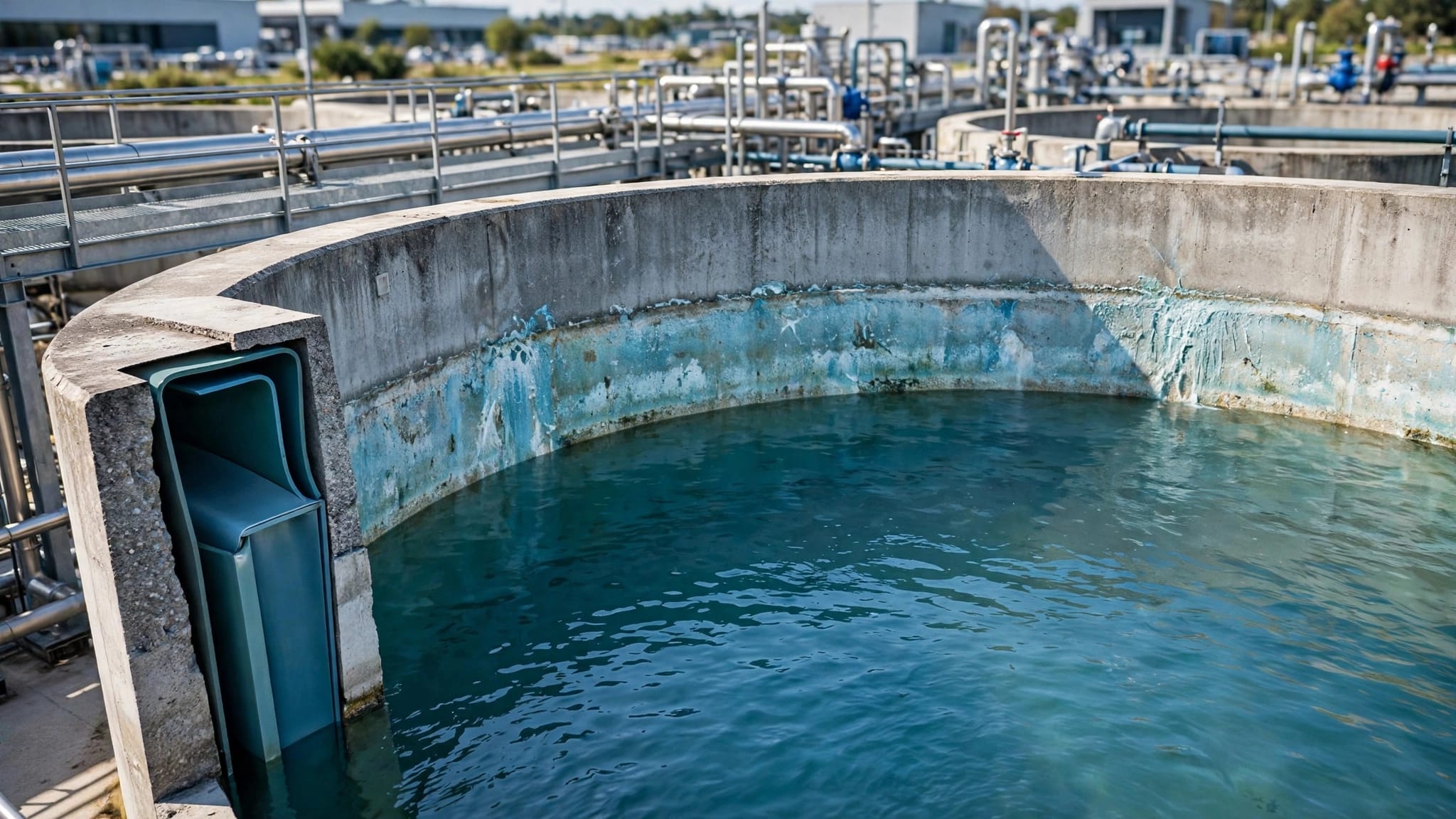
A coating that performs well inside a covered tank may fail quickly on a sun-exposed wall or an abrasion-prone channel. The right wastewater plant coatings depend on the structure's exposure, substrate, and operating conditions, so one product rarely fits every area. For facil...
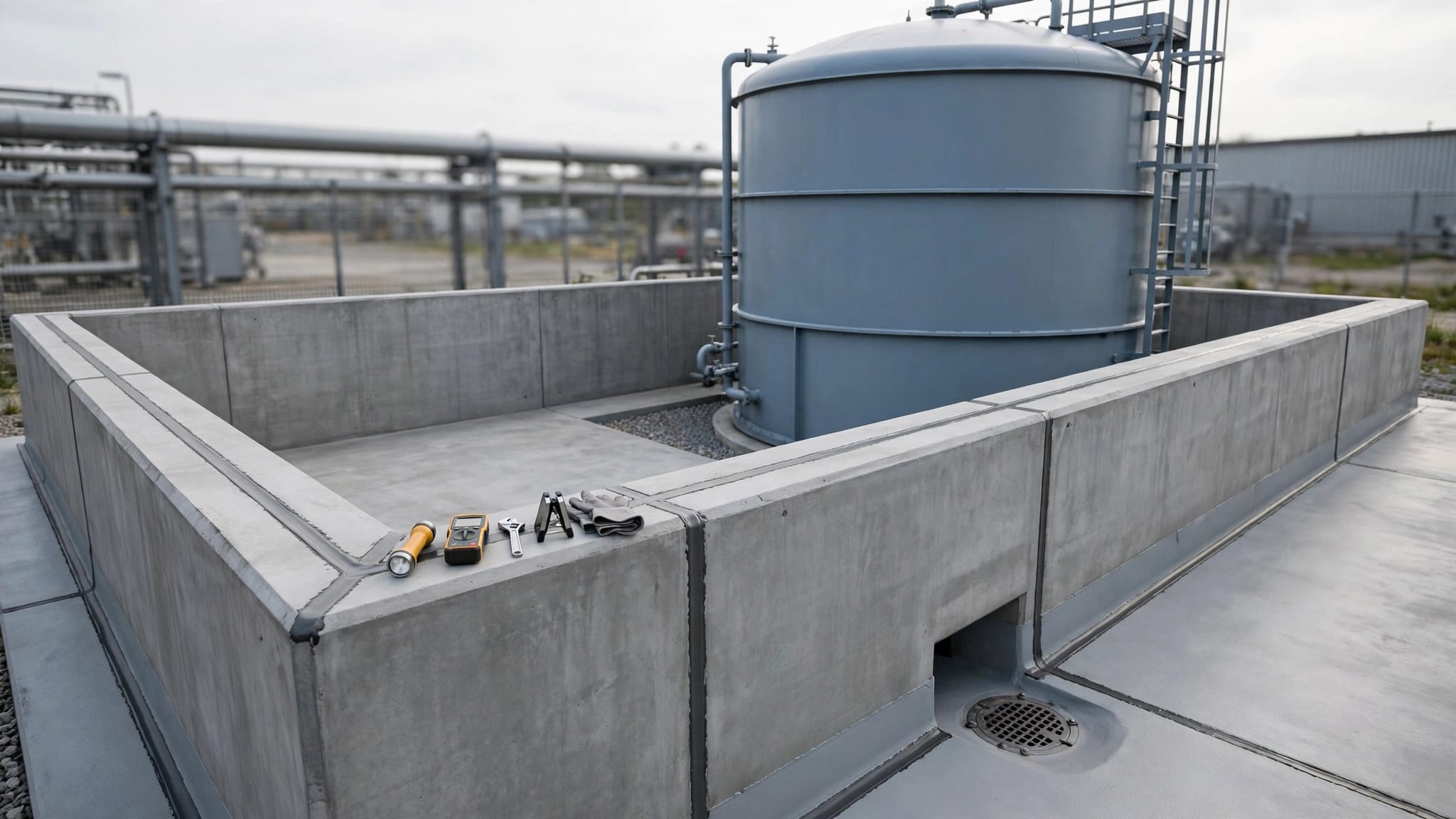
A concrete containment berm protects more than the floor beneath a tank. Its walls, joints, drains, and coating all have to work together to keep a release from escaping. The right protection starts with the chemical and the berm's condition, then matches repairs and coatings...
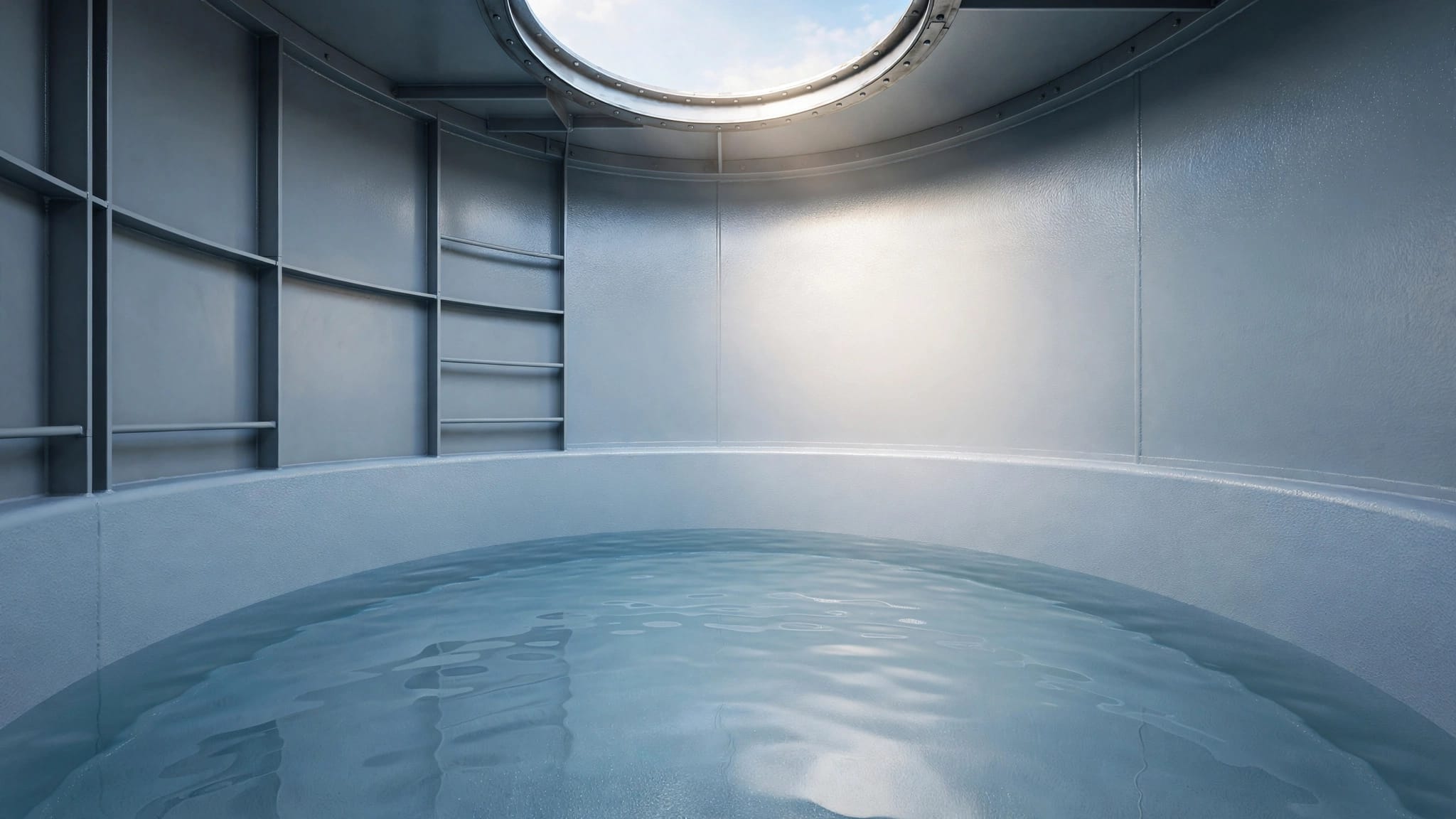
A potable water tank lining has two jobs: protect the tank and avoid adding harmful substances to the water. Choosing one means matching the coating to the tank's construction, water service, surface condition, and applicable requirements. The label alone doesn't settle the ch...
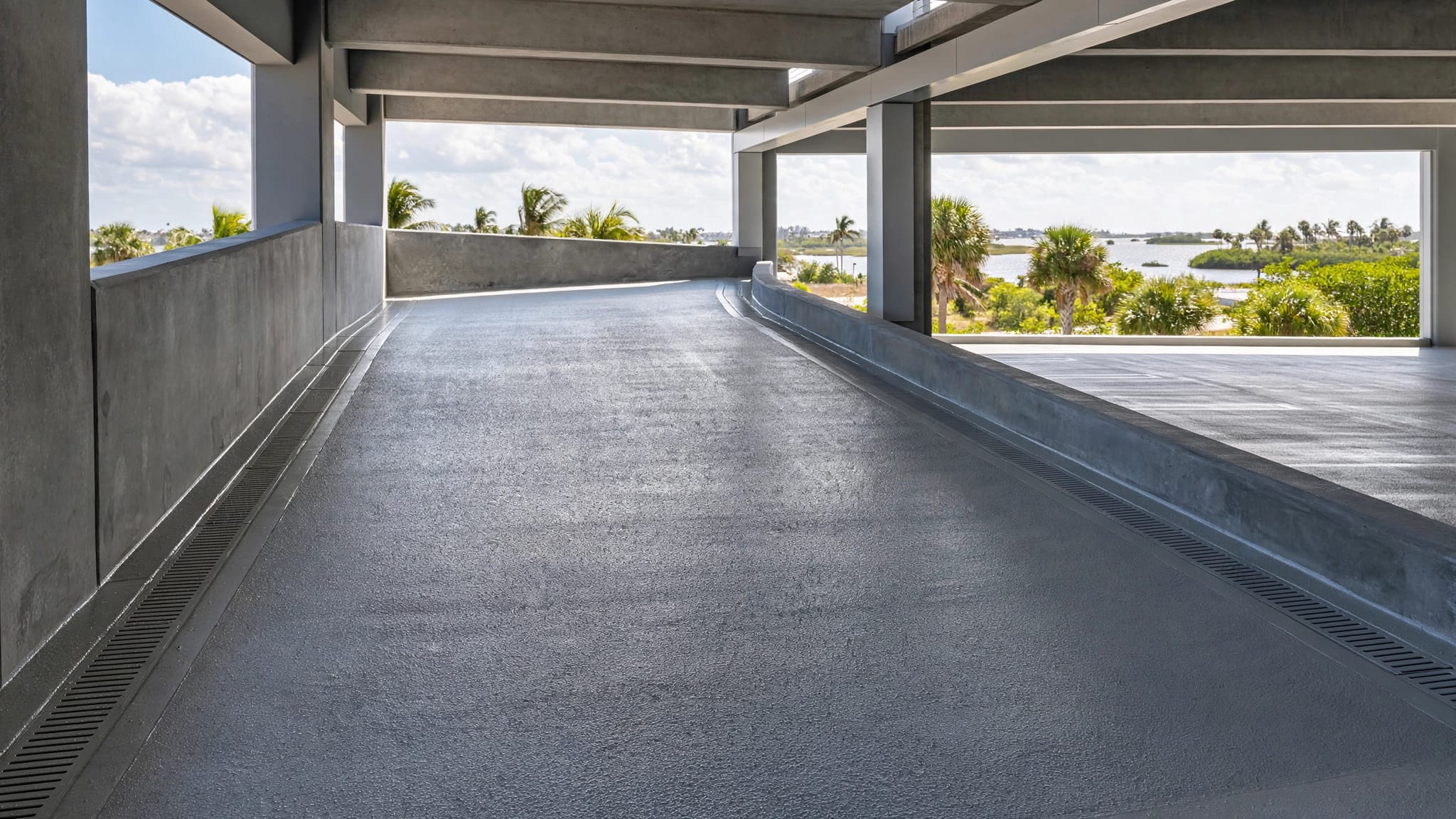
A parking garage coating has to handle vehicle traffic, water, grit, sunlight, and the movement of a busy property. In Southwest Florida, humidity, intense UV exposure, heavy rain, and salt carried from coastal areas add pressure to the concrete and the coating system. The rig...

To clean painted walls without dulling the finish, start by removing dust, test a hidden spot, and use the least pressure and moisture that work. A soft cloth and mild soapy water are usually enough for everyday fingerprints and light marks. Paint sheen and condition affect ho...
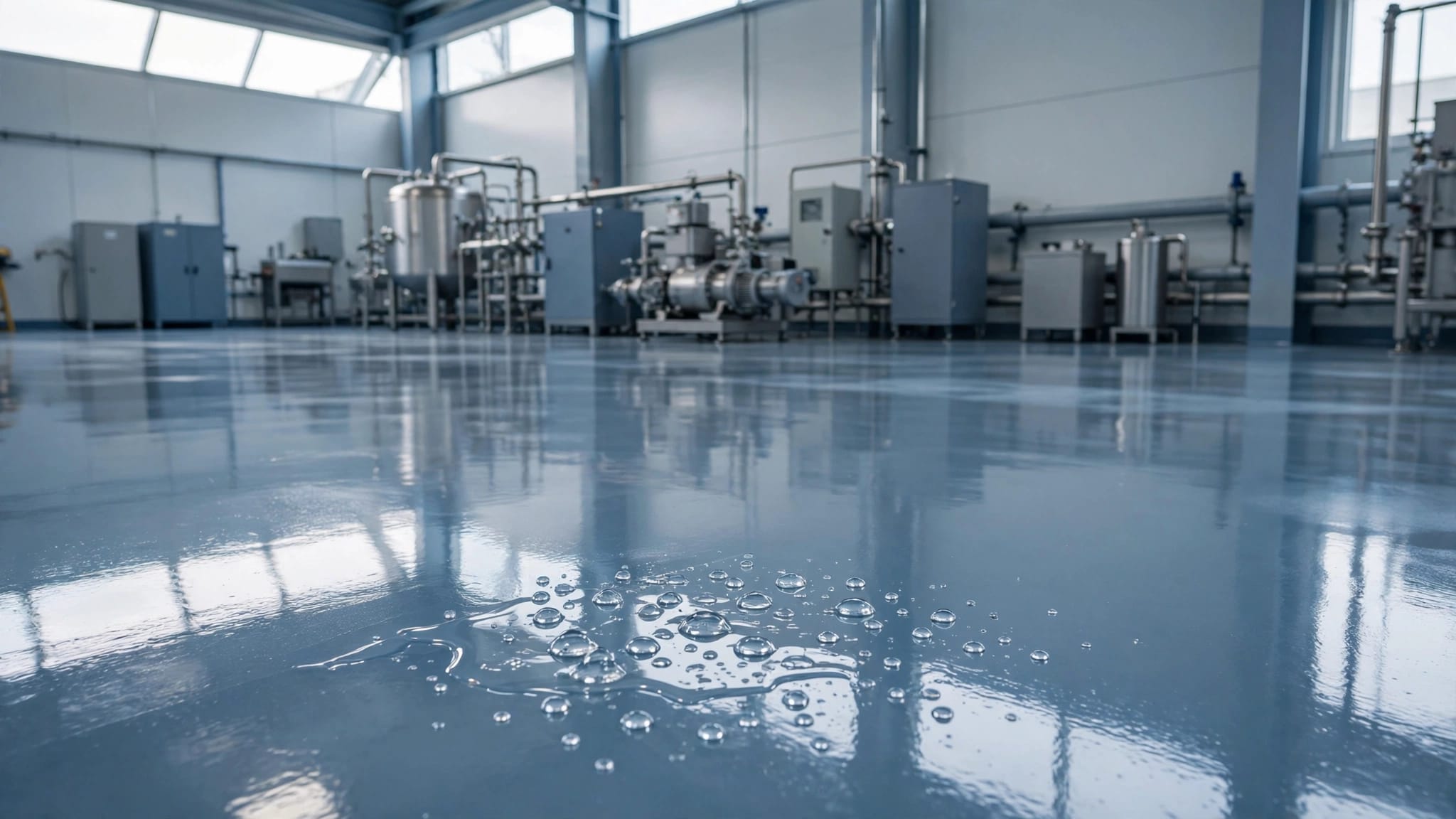
Industrial floors face more than foot traffic. Spills, washdowns, heat, and moisture can shorten a coating's service life when the floor system doesn't match the facility's conditions. Chemical-resistant floor coatings perform best when selection, preparation, installation, an...
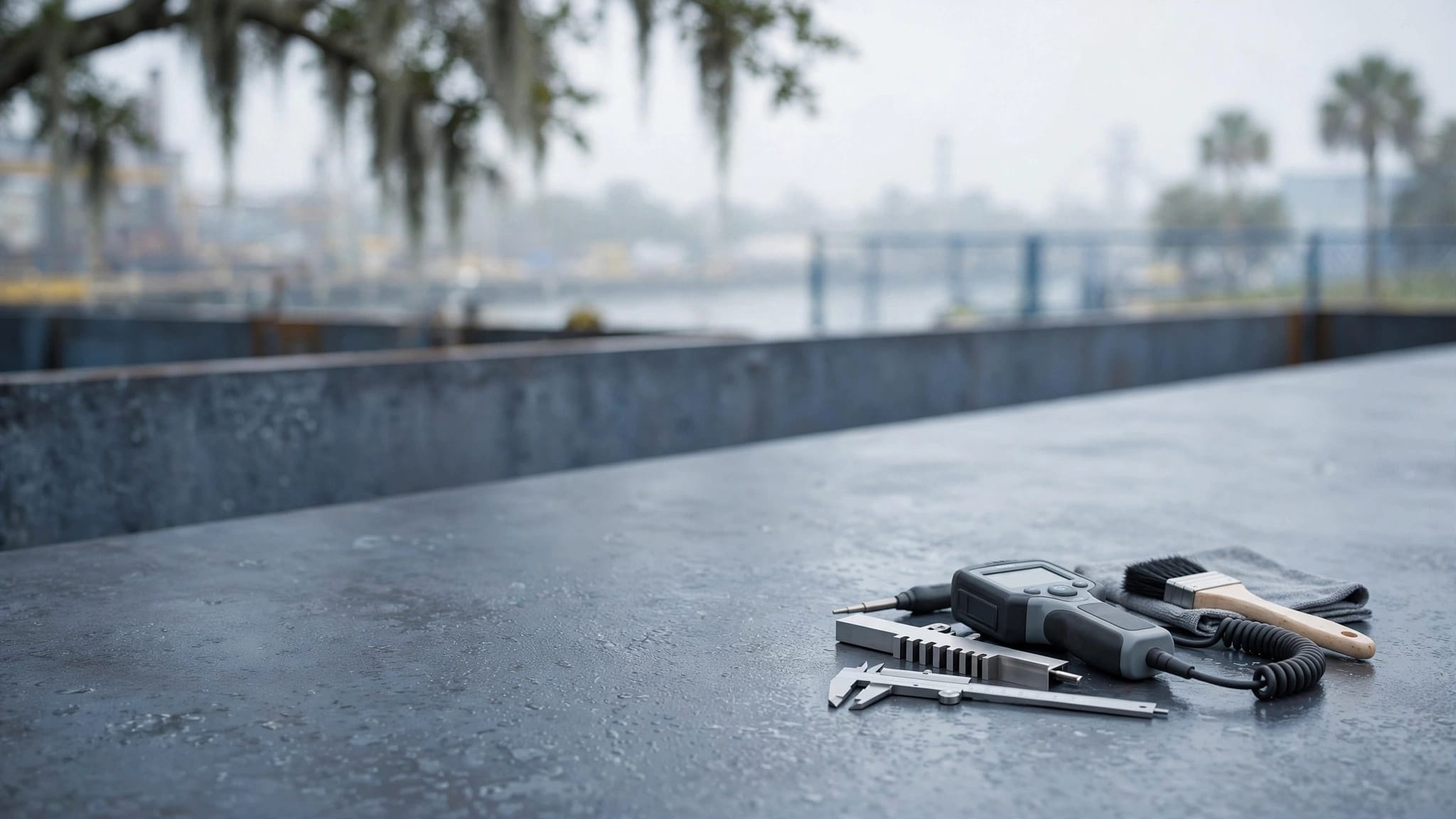
A coating can fail early even when the product is appropriate for the facility. The cause is often a mismatch between the specified preparation, the actual surface, and the conditions during application. Industrial coating surface preparation starts with the project specificat...
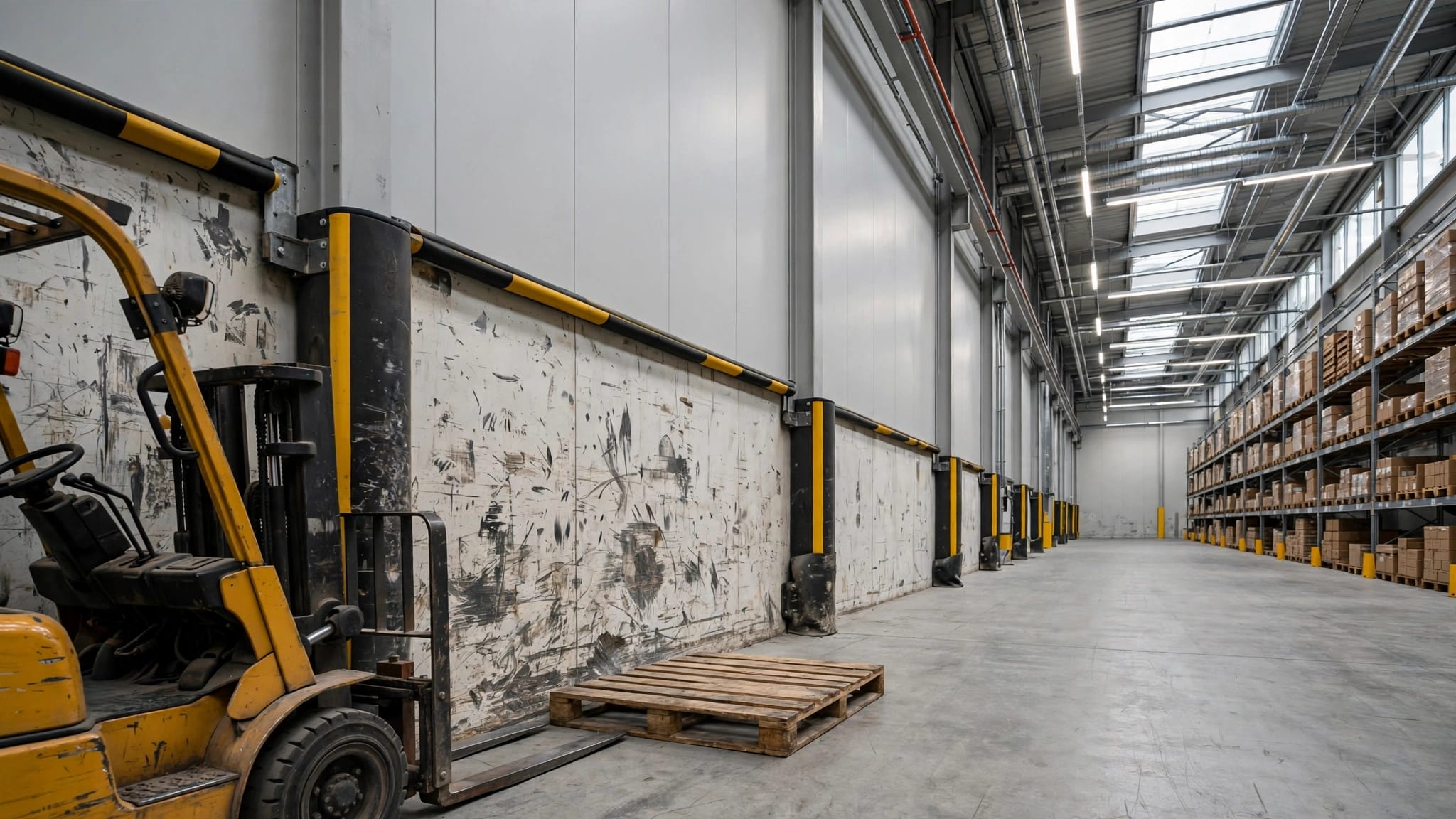
Forklift scuffs can make a warehouse look worn well before the walls need a full repaint. The right warehouse wall coatings depend on what is hitting the walls, what the surface is made of, and how the facility operates. A coating can provide a finish suited to the site's expo...
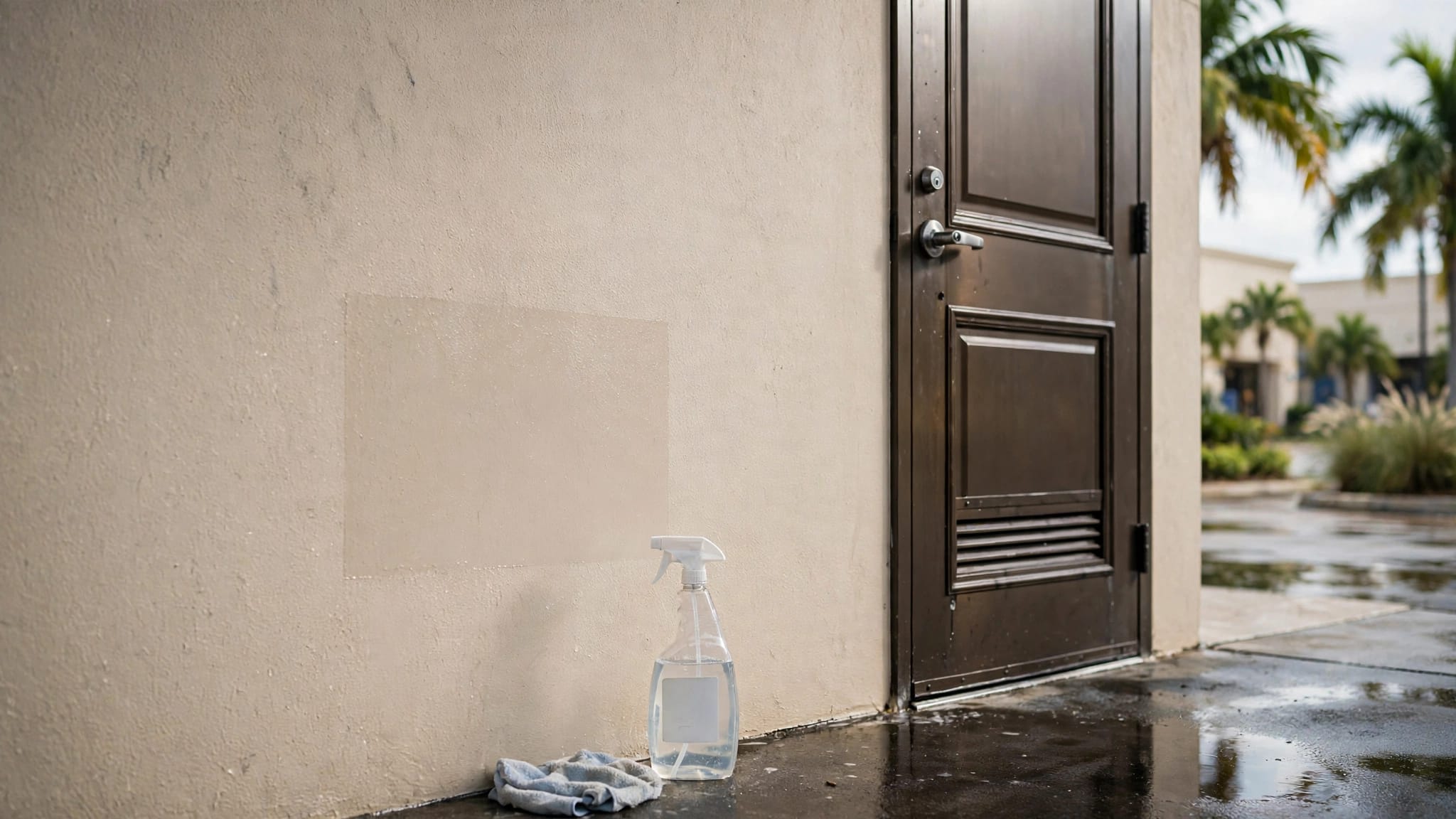
Graffiti on a storefront creates two problems: an unwanted mark and the risk of damaging the finish beneath it. Choosing anti-graffiti coatings starts with surface compatibility , followed by exposure, preparation, and a practical maintenance plan. For Southwest Florida commer...
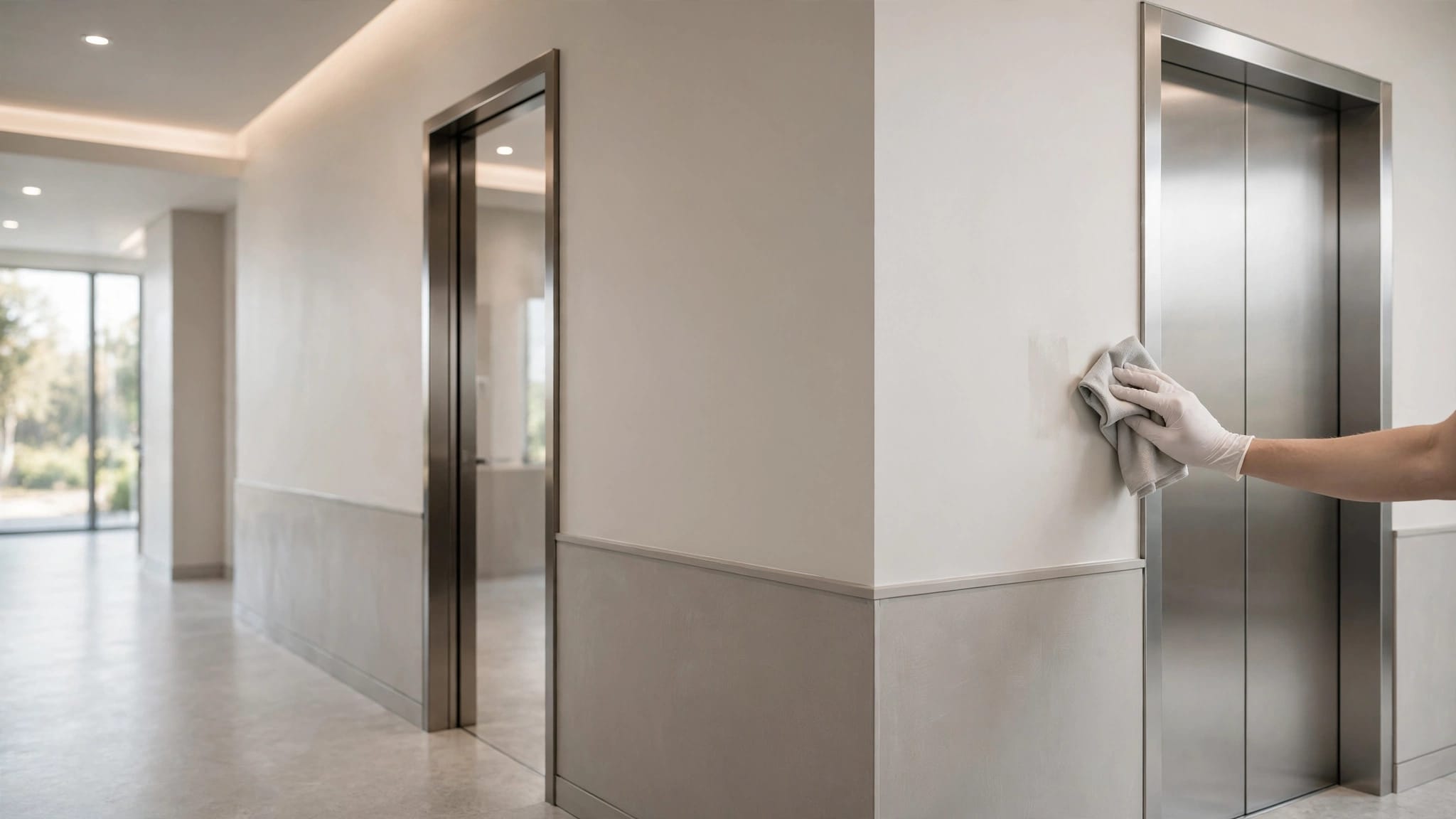
A hallway wall can look freshly painted until the first cart scuff or cleaning leaves a dull patch. Choosing washable wall coatings starts with matching the finish to your traffic, cleaning routine, and existing surface. The strongest choice combines cleaning durability with g...
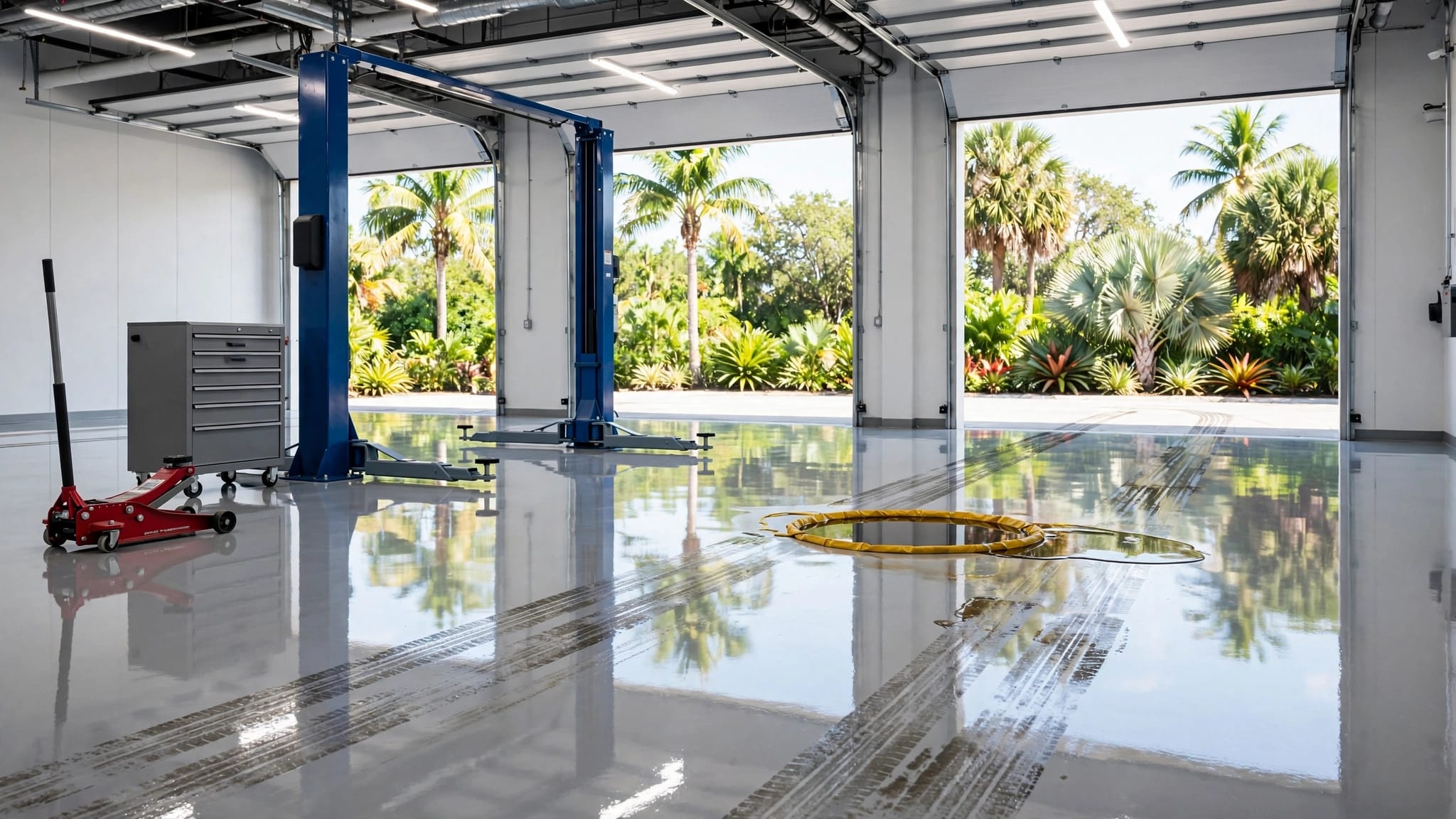
A service-bay floor can look clean while oil, moisture, and worn concrete threaten the next coating's bond. Reliable concrete floor protection starts with slab preparation , followed by a coating system matched to your shop's traffic and chemicals. In Florida, heat and humidit...

A leftover can labeled "living room beige" won't help much when a repair dries a different shade. A useful paint color record captures the exact coating, where it went, and how the surface was prepared. For Florida homeowners, matching the finish also means accounting for sunl...

Two painting bids can cover the same building and still describe different jobs. A clear commercial painting scope of work gives you a consistent basis for comparing prices, managing tenants, and accepting the finished project. For Fort Myers property managers, clear responsib...
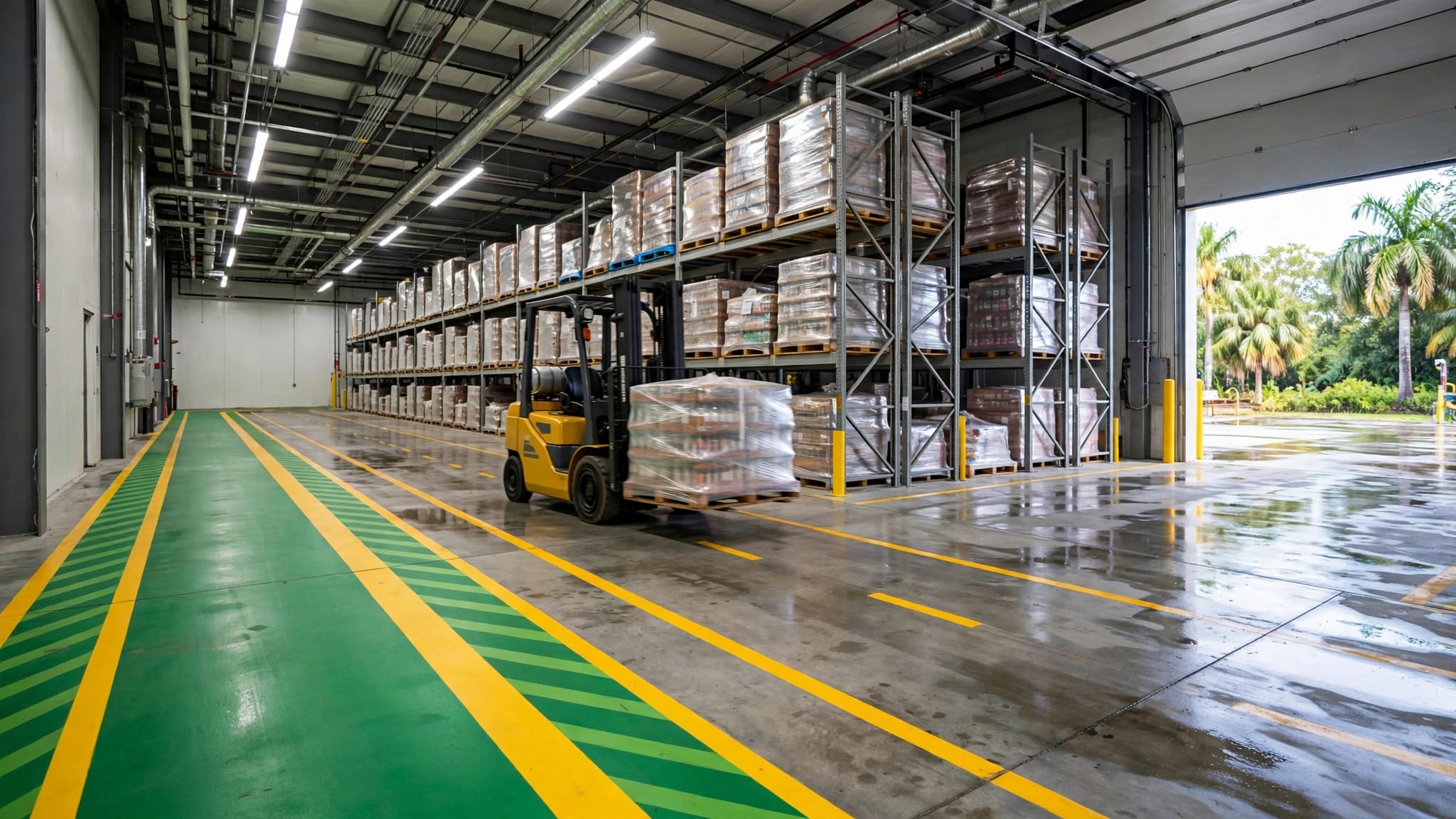
A bright aisle line won't prevent a collision if it sends pedestrians through a forklift's turning path. Effective warehouse floor striping starts with traffic separation , adequate clearance, and routes that remain visible during busy shifts. For Florida warehouses, the finis...

A painting estimate tells you little if it doesn't explain what happens before the first coat. When choosing painting services in Fort Myers and Naples, you need a clear plan for preparation, products, and property protection. Southwest Florida's sun, humidity, and coastal exp...

Your vacation home may look ready for guests while damp walls, mildew, or peeling trim tell a different story. Florida vacation home repainting should begin with an inspection, especially when nobody has watched the property through months of heat and rain. Fresh paint needs a...