Painting Over Lead Paint in Older Southwest Florida Homes
An old layer of paint can look harmless until a window repair or sanding job turns it into airborne dust. In Southwest Florida, homeowners considering painting over lead paint need to know that a new coat doesn't automatically make the surface safe.
Before work begins, confirm the home's age, assess the existing coating, and choose a contractor who understands lead-safe requirements. The right plan may use encapsulation, controlled removal, or another approved method, depending on the surface and project scope.
Why Older Southwest Florida Homes Need a Closer Look
Lead paint requires a different process because preparation can create the hazard you're trying to avoid. Age, moisture, storm repairs, and repeated repainting all affect the safest approach.
Start with the home's age and surface condition
Residential lead paint was banned in the United States in 1978. Homes built before that year may contain lead-based paint on walls, trim, doors, windows, siding, cabinets, and other painted components.
A pre-1978 construction date doesn't prove that every surface contains lead. However, it does mean you shouldn't sand, scrape, drill, or remove old coatings casually. If the construction year is unknown, treat the property as potentially covered until a qualified professional evaluates it.
Look for peeling, chalking, cracking, blistering, or powdery paint. Pay close attention to window channels, door edges, baseboards, and areas where painted surfaces rub against each other. These locations can release chips or dust during ordinary use and preparation.
Southwest Florida weather adds moisture problems
Homes in Fort Myers, Naples, Cape Coral, Bonita Springs, and nearby communities face high humidity, intense sun, wind-driven rain, and occasional storm damage. Those conditions can weaken paint adhesion and damage the material beneath it.
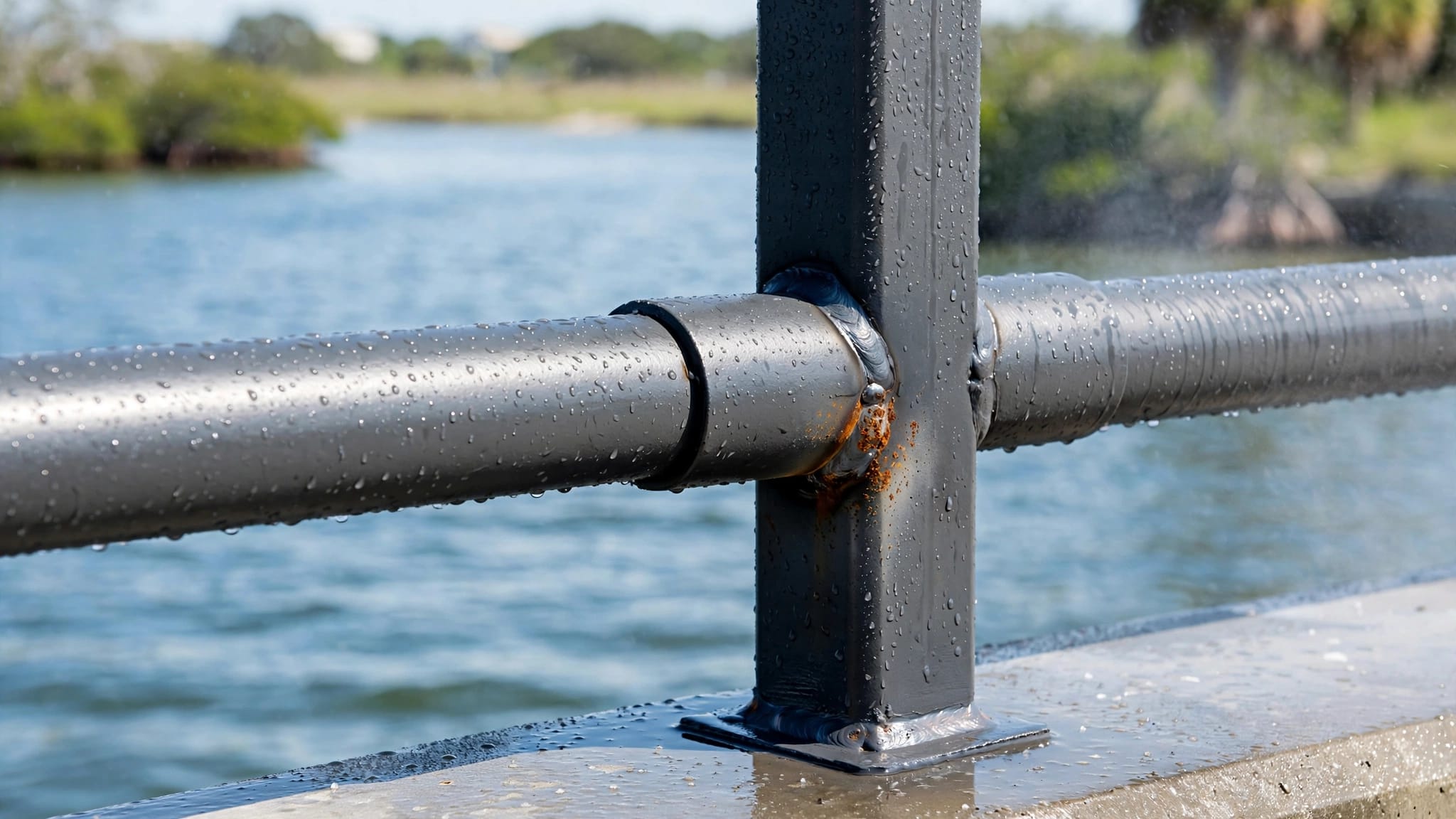
Water may enter around windows, soffits, fascia, stucco cracks, or roof details. Air-conditioning condensation can also affect interior walls and trim. A contractor should repair the moisture source before covering lead paint. Otherwise, the new coating may fail and expose the old layer again.
Is Painting Over Lead Paint Safe When Done Correctly?
Painting over lead paint can be appropriate when the existing coating is stable and the contractor follows lead-safe work practices. A simple coat of ordinary wall paint over peeling or loose lead paint isn't enough.
Encapsulation works only on sound surfaces
Encapsulation uses a coating system that forms a durable barrier over the lead-based paint. It isn't the same as applying standard latex paint. The existing surface must support the new system without separating, crumbling, or continuing to deteriorate.
A qualified contractor should inspect adhesion, substrate condition, moisture, and the amount of loose paint. The product must be suitable for the surface and applied according to the manufacturer's instructions.
Encapsulation may work well on stable walls, ceilings, and some exterior components. However, it becomes less suitable on surfaces exposed to friction, impact, or frequent movement. Window tracks and door edges need special attention because opening and closing can damage the coating.
A standard coat of latex over peeling lead paint is a repaint, not a lead-control plan.
Removal may be needed for damaged or high-contact areas
Removal is more aggressive than encapsulation. It may involve taking out painted components, using controlled methods, or completing lead abatement work under separate requirements. Full removal can create more dust if workers don't use proper containment and equipment.
Deteriorated paint, soft wood, recurring water damage, and heavily worn windows may require a different solution. In some cases, enclosure is another option. This involves covering the painted surface with an approved material instead of disturbing the old coating.
The safest choice depends on the component, condition, and future use. Don't choose removal simply because it sounds more complete. Don't choose encapsulation simply because it sounds easier.
What 2026 Lead-Paint Rules Mean for Homeowners
As of August 2026, the federal baseline for covered paid renovation, repair, and painting work is the EPA's Renovation, Repair and Painting, or RRP, Rule.
When the EPA RRP Rule applies
The RRP Rule generally applies when paid work disturbs painted surfaces in pre-1978 housing or child-occupied facilities. Covered work can include painting preparation, remodeling, carpentry, plumbing, electrical work, and window replacement.
The renovation firm must hold current EPA certification. This requirement applies to companies of all sizes, including sole proprietors. A certified renovator must direct the work, confirm containment, oversee lead-safe practices, and complete required cleanup and verification tasks.
Other workers must receive the training required under the RRP program. Before work begins, the firm must also provide the EPA pamphlet Renovate Right: Important Lead Hazard Information for Families, Child Care Providers, and Schools to the property owner or an adult representative.
A certified inspector or risk assessor may determine that affected components are lead-free at EPA's stated levels, 1.0 mg/cm² or 0.5% by weight. An EPA-recognized test method may also support that determination. Narrow exceptions for minor repair work can apply, so ask the contractor to explain the current rule rather than relying on a guess.
What to verify in Florida
Florida homeowners should confirm the contractor's current EPA firm certification, the certified renovator assigned to the project, and any required state or local credentials. Check contractor licensing and discipline information through the Florida Department of Business and Professional Regulation.
Local building departments in Lee, Collier, Charlotte, Sarasota, and Manatee counties may have permit requirements for window replacement, structural repairs, or storm-related work. County health departments can also help direct homeowners to local lead-safety resources.
Child-care centers, preschools, and similar facilities need extra care because federal child-occupied facility rules may apply. Verify the requirements in writing before work starts, especially when young children regularly use the building.
A Lead-Safe Painting Process, Step by Step
A professional project should have a written scope before anyone disturbs the old coating. That scope should identify the affected surfaces, preparation methods, containment plan, coating system, cleanup, and final verification.
Before preparation begins
The contractor should document the building age or testing results. Next, the crew should inspect for moisture, loose paint, damaged substrate, and friction surfaces.
If the project involves a pre-1978 home, keep children, pets, and occupants away from the work area. Move furniture and belongings before containment begins, or have the crew cover and seal them properly.
The work sequence
- The contractor confirms whether the property falls under the RRP Rule and identifies the certified renovator responsible for the job.
- The crew defines the work area and seals doors, openings, floors, furniture, and HVAC registers as needed. Containment should prevent dust and debris from moving through the home.
- Workers use lead-safe preparation methods. They shouldn't create uncontrolled dust through dry sanding, grinding, abrasive blasting, open-flame burning, or unsafe high-heat methods.
- The crew repairs moisture damage and stabilizes the substrate. Loose material must be managed under the approved lead-safe plan instead of being swept or knocked loose.
- Workers apply the selected encapsulation or enclosure system according to the product instructions. They should maintain containment until preparation, coating, drying, and cleanup are complete.
- The contractor cleans the area and completes the required verification. The final documentation should identify the work performed and any testing or cleaning records.
Warning Signs That Require Work to Stop
Stop the job and keep people away from the area if the crew creates visible dust or allows paint chips to spread outside containment. Lead-safe work should control debris throughout the project, not after the damage has already occurred.
Other warning signs include:
- The contractor can't show current EPA firm certification for covered work.
- Workers begin dry sanding, grinding, or open-flame paint removal without an approved containment plan.
- The crew leaves HVAC systems running while disturbing suspect paint.
- Paint is friable, heavily peeling, or falling from windows, doors, or other high-contact surfaces.
- Storm repairs expand the project without a new assessment of painted materials.
- The contractor refuses to provide the Renovate Right pamphlet or explain the cleanup procedure.
If the property year, paint condition, or work scope is uncertain, pause the project until a qualified lead professional reviews it.
Safe Cleanup and Returning Occupants
Cleanup should control dust, not spread it
Lead-safe cleanup is more than sweeping the floor. Workers should use appropriate wet-cleaning methods and a HEPA vacuum designed for lead dust. They should collect debris carefully, seal waste as required, and clean floors, sills, trim, and other exposed surfaces.
A household vacuum or ordinary shop vacuum can spread fine dust. Occupants shouldn't clean active work areas themselves unless the contractor provides a procedure that meets current requirements.
Ask about verification before reentry
The contractor should explain when the area is safe to reoccupy and what cleaning verification applies. RRP cleaning verification isn't automatically the same as a formal lead-abatement clearance examination. Ask which standard applies to your project.
Keep the firm's certification information, testing records, notices, product details, and final cleanup documentation. These records can help with future repairs, resale questions, and maintenance planning.
Questions to Ask a Painting Contractor
A broad estimate isn't enough when old paint may contain lead. For more guidance on bid details, review how to compare painting estimates, then ask each contractor:
- What year was the home built, and how will you address uncertain construction dates?
- Is your firm currently certified under the EPA RRP program?
- Who is the certified renovator assigned to this project?
- Will you test the affected components, and who will perform that testing?
- Why do you recommend encapsulation, enclosure, removal, or another method?
- How will you control dust around windows, doors, HVAC registers, and occupied rooms?
- Which preparation methods will you use, and which methods will you avoid?
- How will you clean the area and document final verification?
- Does the estimate separate repairs, containment, lead-safe preparation, coatings, cleanup, and disposal?
- What current 2026 regulations, licenses, and permits apply to this property?
Homeowners looking for local crews can also review Southwest Florida residential painting services, but a broad service list should never replace certification records and a project-specific safety plan.
Conclusion
Painting over lead paint can be a practical way to manage an older home's surfaces, but only when the existing coating is stable and the work follows lead-safe procedures. Encapsulation may fit sound surfaces, while damaged, high-contact, or moisture-affected areas may need enclosure, removal, or lead-abatement planning.
For Southwest Florida homes, confirm the construction date, address moisture first, verify the contractor's 2026 credentials, and require a written containment and cleanup plan. A fresh finish is useful only when the preparation protects the people living in the home.
More featured articles...