How to Repair a Weathered Porch Ceiling in Florida
Florida weather can ruin a porch ceiling long before the damage looks serious. Sun, humidity, wind-driven rain, and salty coastal air can make paint peel while moisture slowly weakens the material underneath. If you're searching for porch ceiling repair Florida solutions, start with the surface and the source of the damage, not the paint can.
A fresh coat of paint only lasts when the ceiling is sound, dry, and properly prepared. Before painting, you need to identify whether you're dealing with cosmetic failure, mildew, loose material, rot, or an active leak. The right repair depends on that diagnosis.
Key Takeaways
- Find and repair roof, flashing, gutter, or drainage leaks before touching up paint.
- Peeling paint requires scraping and sanding, while soft or crumbly areas need material replacement.
- Florida's humidity can keep wood and patched surfaces damp longer than expected.
- Use exterior-rated primer and paint that match the ceiling material and local exposure.
- Hire a painting contractor when damage involves structural wood, widespread rot, electrical fixtures, or difficult access.
Porch Ceiling Repair Florida: Start With a Careful Inspection
Begin the inspection on a dry day. Look at the ceiling from inside the porch, then check the roof edge and the area above it. Water often enters through a roof penetration, damaged flashing, overflowing gutter, or failed seal near an upper-level deck. A ceiling stain may appear several feet away from the actual leak.
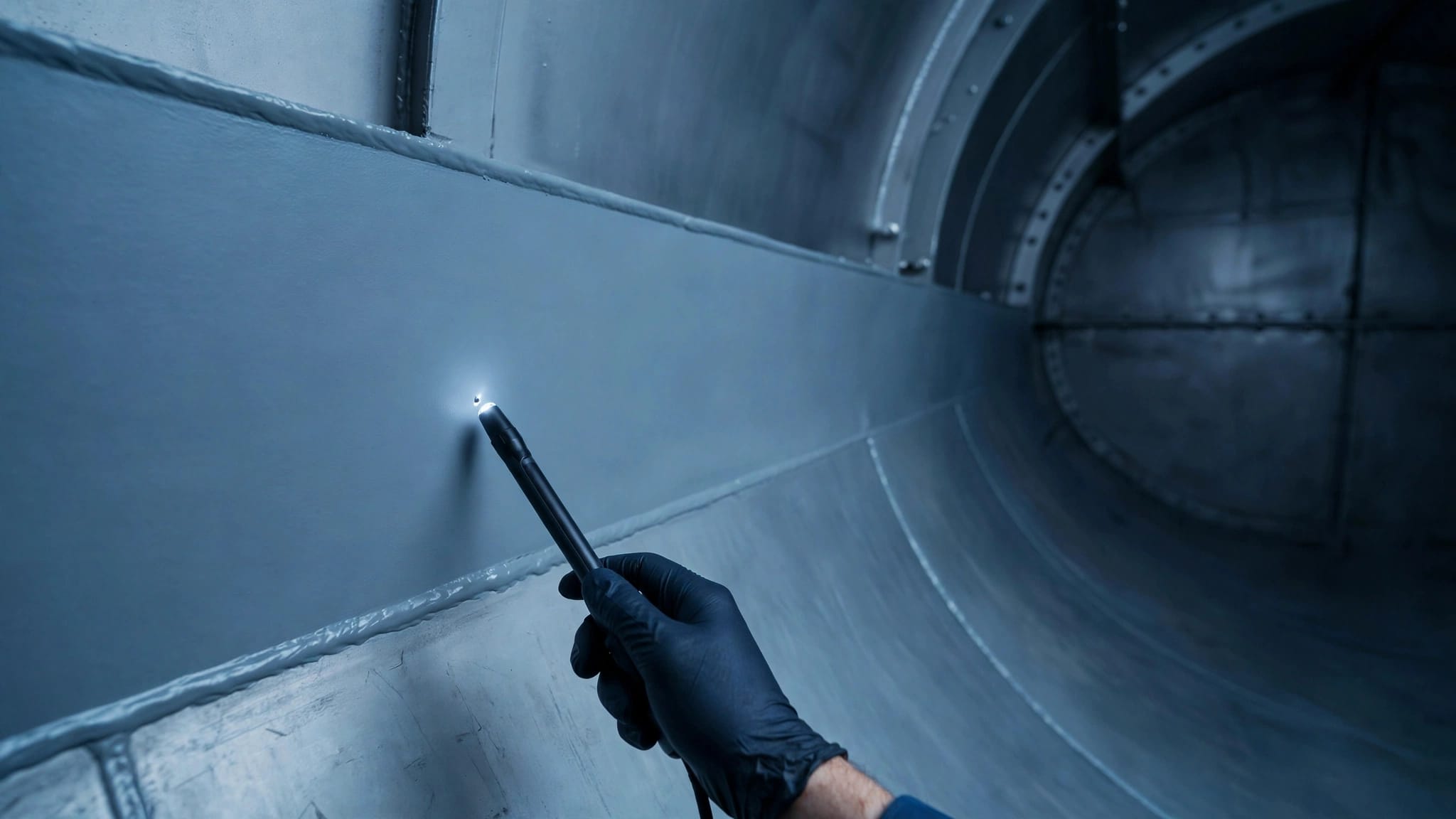
Use a flashlight to examine seams, corners, fasteners, and areas around light fixtures or fans. Pay attention to:
- Brown or yellow stains
- Bubbling or peeling paint
- Cracked joints and open seams
- Soft, swollen, or crumbly wood
- Dark mildew spots
- Rust around metal fasteners
- Sagging panels or visible gaps
Press questionable wood with a screwdriver. Sound wood resists light pressure. Rotting wood feels soft and may break away in small pieces. A moisture meter can help confirm a problem when the surface looks dry but stains keep returning.
Paint failure alone usually has a different appearance. The coating may flake, chalk, crack, or lose its bond while the ceiling remains firm. In that case, the repair focuses on removing unstable paint and preparing the surface. Rot and active moisture require more work.
A dry-looking ceiling can still hold moisture behind paint, especially after repeated summer storms. Test suspicious areas instead of sealing them immediately.
Check the ceiling material before choosing repair products. Common porch ceilings include painted wood, plywood, beadboard, fiber cement, vinyl, and metal panels. Each material handles sanding, patching, and primers differently. If you can't identify the material, a local painting contractor can inspect it before work begins.
Repair Leaks and Replace Damaged Material
Painting should wait until water has stopped entering the porch. Inspect nearby roof shingles or tiles, flashing, soffits, gutters, downspouts, and sealant joints. For a screened porch or lanai, also examine the enclosure roof and connections where rain can blow inside.
Some repairs belong to a roofer or building contractor rather than a painter. A painting crew can often remove failed caulk, replace a small ceiling panel, or repair limited surface damage. However, roof leaks, structural framing problems, extensive wood rot, and damaged electrical boxes require the appropriate licensed professional.
Once the moisture source is corrected, remove damaged ceiling material. Cut out rotten wood until you reach solid edges. Replace the section with a compatible exterior-rated panel or board, and fasten it according to the material manufacturer's instructions. Don't cover soft wood with filler. The patch may look smooth for a short time, but movement and moisture will bring the problem back.
For limited holes or shallow dents in sound wood, use an exterior-grade patching compound. Apply thin coats rather than one thick layer. Let each coat dry before adding the next, especially during Florida's humid season. Sand the repair flush when it has hardened.
Cracked seams need flexible exterior caulk or a compatible joint treatment. Remove loose material first, then clean the joint and apply the product to a dry surface. Rigid interior spackle and ordinary indoor caulk tend to crack when porch materials expand and contract.
Metal ceilings require a different process. Remove loose paint and surface rust with a wire brush or abrasive pad. Treat remaining rust with a suitable rust-control primer, then use an exterior coating rated for metal. Replace heavily corroded panels rather than painting over deep rust or holes.
Vinyl and PVC panels can resist moisture, but they still crack, warp, or lose their finish. Replace damaged pieces when possible. Avoid aggressive sanding because it can scar the surface and create visible scratches after painting.
Clean, Dry, Scrape, and Sand the Ceiling
After repairs, clean the ceiling before sanding. Remove dust, cobwebs, chalky residue, grease, and mildew. Use a cleaner labeled for exterior mildew removal, follow the product directions, and protect nearby plants and furnishings. Never mix cleaning chemicals.
Rinse when the product instructions call for it, then give the ceiling time to dry. Florida's high humidity slows evaporation, particularly on shaded porches and near pools. Use fans to improve air movement, but don't point them at a wet surface if they blow dirt into the ceiling.
Next, scrape all loose or peeling paint with a stiff scraper. Stop when you reach firmly attached edges. Feather the transition with medium-grit sandpaper, then use finer paper to smooth the surface. You don't need to remove every layer of paint if the remaining coating is stable and compatible with the new primer.
Sanding creates dust, so wear eye protection and a properly fitted respirator suitable for the work. Cover flooring, furniture, screens, and nearby walls. If the old coating may contain lead, especially in an older property, don't dry-sand until you have evaluated the risk and followed applicable safety requirements.
Replace protruding nails or screws and set fasteners slightly below the surface when the material allows it. Fill the small depressions with exterior patching compound. Remove sanding dust with a vacuum and a clean, slightly damp cloth, then wait until the ceiling is fully dry.
Drying time depends on rain, shade, airflow, material thickness, and humidity. A surface that feels dry may still hold moisture inside a wood patch. Painting too soon can trap water under primer and cause blistering, peeling, or mildew.
Choose the Right Primer and Paint for Florida Exposure
Primer helps the finish bond and creates a consistent surface. The best choice depends on what you repaired:
- Sound, previously painted wood: Use an exterior acrylic primer where the old coating is stable.
- Bare wood or repaired wood: Use a quality exterior wood primer to seal porous areas.
- Tannin-stained wood: Use a stain-blocking primer suited to exterior use.
- Vinyl or PVC: Use a compatible bonding primer if the paint manufacturer requires one.
- Metal: Use an exterior metal primer after removing rust and loose coating.
- Mildew-prone areas: Use a paint system labeled for mildew resistance, but only after cleaning and drying the surface.
For many Florida porch ceilings, a high-quality 100% acrylic exterior paint offers good adhesion and weather resistance. A low-sheen finish can hide minor surface flaws, while satin provides easier cleaning. Avoid using ordinary interior ceiling paint in an exposed porch. It isn't designed for repeated humidity, temperature changes, and wind-driven rain.
Pool enclosures and lanais face added moisture and chemical exposure. EFC's guide to paint for pool enclosure ceilings covers exterior acrylic options and mildew resistance for those settings.
Follow the paint label for application temperatures, recoat times, and surface conditions. Even if the air feels warm, direct sun can heat a ceiling beyond the product's recommended range. Paint in a shaded area when possible, and plan around rain rather than relying on a quick-drying forecast.
Apply primer to repaired areas and any exposed substrate. In some cases, priming the entire ceiling creates a more even finish, especially when the old paint has different levels of gloss or color. Allow the primer to dry completely before applying the finish coat.
Use a brush for corners, seams, and edges, then a roller suited to the ceiling texture. Work in manageable sections and keep a wet edge to reduce lap marks. Two thin finish coats often produce a more uniform result than one heavy coat.
Know When to Hire a Florida Painting Contractor
A small section of peeling paint may be a practical DIY project. Larger repairs need a more careful evaluation, especially when the porch ceiling sits above a tall entry, pool deck, or commercial walkway.
Call a professional when you find widespread soft wood, recurring stains, sagging panels, extensive mildew, or damage around electrical fixtures. A contractor can also help when the ceiling has multiple old coatings, difficult access, or a finish that must match surrounding trim.
The surrounding surfaces may need attention as well. If porch posts and columns are weathered, use guidance on painting porch posts in Florida to coordinate the coating system and sheen across the project.
For homes and businesses in Fort Myers, Naples, and nearby Southwest Florida communities, an onsite assessment can separate paint preparation from repairs that require another trade. That distinction prevents you from paying for a new finish over a problem that will return.
A Durable Finish Starts With a Dry Ceiling
Weathered porch ceiling repair in Florida begins with finding the moisture source and testing the material underneath the paint. Scrape stable surfaces, replace rot, treat rust, clean mildew, and allow every repair to dry fully before priming.
The most attractive finish won't last over a leaking roof or damp wood. Careful preparation, an exterior-rated primer, and paint suited to Florida exposure give the ceiling a sound start and help protect it through the next season of heat and storms.
More featured articles...