Water Damaged Drywall Repair After a Florida Leak
A plumbing leak can turn a clean wall into a stained, soft, or swollen surface within hours. Water damaged drywall repair requires more than covering the mark with paint, especially in Florida's warm, humid conditions.
The leak must be stopped, the wall must dry fully, and any contaminated material must be handled safely. Once the drywall is sound, professional preparation and painting can restore a smooth finish that matches the rest of the room.
Key Takeaways
- Stop the water source before inspecting or repairing the wall.
- Wet, swollen, soft, or moldy drywall usually needs removal rather than surface painting.
- Electrical hazards and sewage-contaminated water require professional help.
- Drying the wall completely is essential before installing new drywall or applying paint.
- A professional painting contractor can blend the repaired area with the surrounding finish.
Why Florida Plumbing Leaks Damage Drywall Quickly
Drywall contains a gypsum core covered with paper facing. When water reaches that paper, it can cause staining, bubbling, swelling, and loss of strength. The damage may spread beyond the visible mark because water often travels along studs, pipes, ceilings, and flooring before it appears.
Florida's humidity can slow evaporation. Air conditioning helps, but a closed room may still hold enough moisture to delay drying inside the wall cavity. A surface that feels dry may still contain moisture behind the paint or around the insulation.
Common signs of water damage include:
- Yellow, brown, or gray stains
- Bubbling or peeling paint
- Soft spots that give under light pressure
- Swollen seams between drywall panels
- Crumbling gypsum around a pipe or fixture
- Musty odors
- Damp baseboards, trim, or flooring near the wall
A small stain does not always mean the damage is minor. If the leak continued for several hours, water may have reached framing, insulation, electrical components, or the opposite side of the wall.
Before touching the area, identify whether the water came from a clean supply line, a drain, an appliance, or a toilet. Clean water from a supply pipe still causes building damage, but drain or sewage water can carry harmful contaminants. In that situation, avoid cutting into the wall yourself and contact a qualified restoration professional.
Drywall should not be sealed or painted while moisture remains inside the wall. Paint can hide the stain while the underlying damage continues.
Water Damaged Drywall Repair: What to Do First
The first step is stopping the source. Shut off the affected fixture or the home's main water supply if you can do so safely. A major pipe break, hidden leak, or failed water heater needs a licensed plumber. Painting or drywall work cannot correct an active plumbing problem.
Next, protect people and property. Move furniture away from the wet area, place a container under active dripping, and photograph the damage before removing materials. If water is near outlets, switches, appliances, or wiring, keep clear of the area. Turn off power at the breaker only if you can reach the panel safely and the panel itself is dry. Call an electrician when water may have entered electrical components.
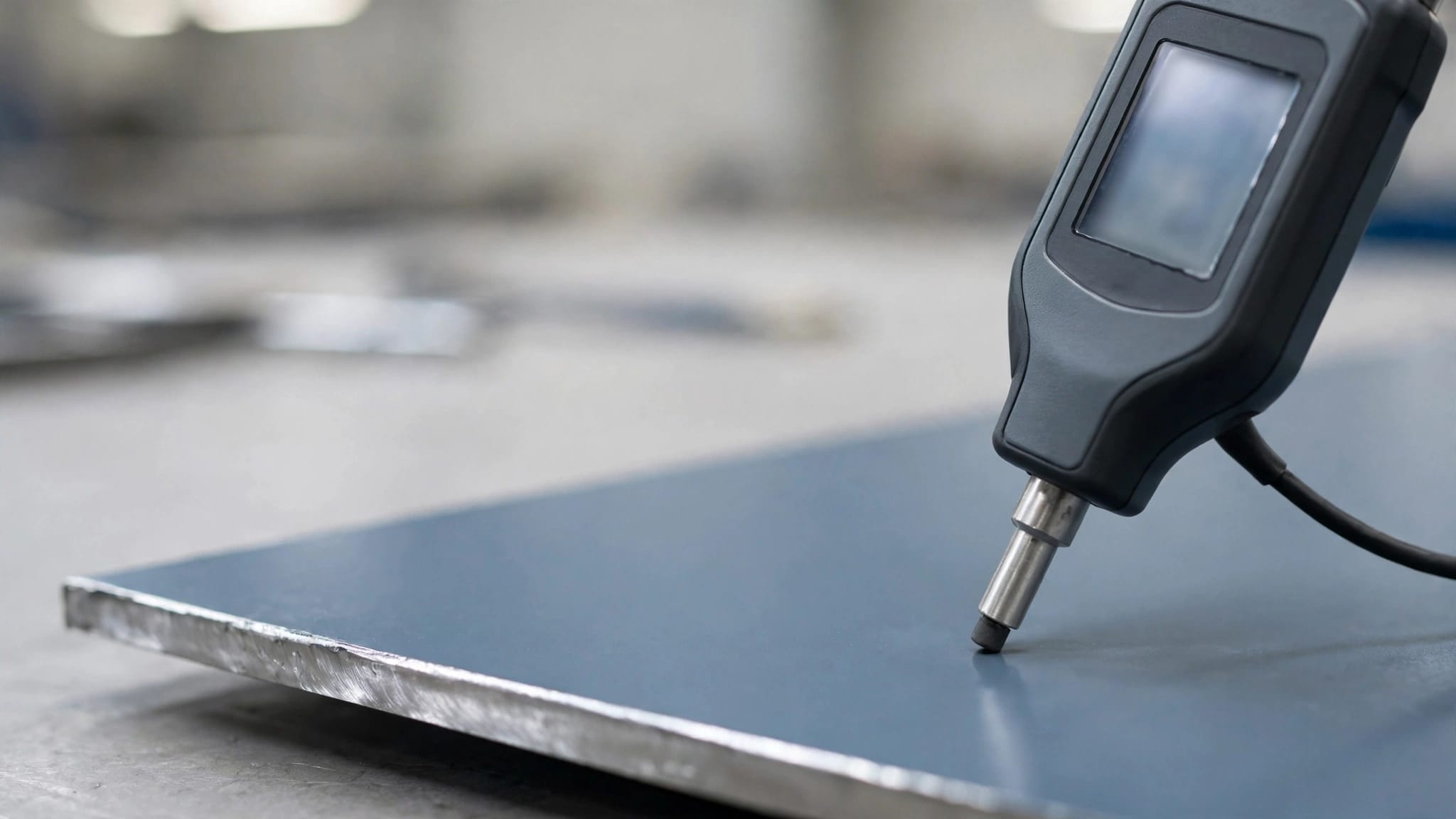
Once the area is safe, check the extent of the damage. A moisture meter can help locate damp sections, but it doesn't replace an inspection when water has entered a wall cavity. Look at both sides of the wall when possible. Check baseboards, flooring, cabinets, and the ceiling below an upstairs leak.
Drying equipment may include fans, air conditioning, and a dehumidifier. Keep air moving through the room, but don't spread potentially contaminated dust or mold particles through the home. A restoration company should handle water extraction, antimicrobial treatment, or mold remediation when those services are needed.
Give the wall time to dry before making repair decisions. The required time varies with the amount of water, room conditions, wall construction, and hidden moisture. Rushing this stage can lead to recurring stains, peeling paint, odor, or mold growth.
How Professionals Complete Drywall Repairs
A reliable repair starts with removal of material that cannot be saved. Drywall that is soft, swollen, crumbling, or delaminated usually won't return to its original strength. Cutting out only the visibly damaged section may leave wet material behind, so the repair area should extend into solid, dry drywall.
The opening is then squared up to create clean edges. A professional may cut along the center of a stud or add backing so the replacement piece has firm support. The replacement drywall should match the existing panel thickness. Ceiling repairs require extra care because the panel must remain secure overhead.
After the patch is fastened, the seams receive joint tape and compound. Several thin coats usually produce a better result than one thick application. Each coat needs adequate drying time before sanding. Excessive sanding can expose the tape or create a shallow area that shows through the paint.
The repaired surface must then be checked under good lighting. Small ridges and dips may be hard to see until a fresh coat of paint highlights them. Skilled finishers feather the compound beyond the patch so the transition disappears into the surrounding wall.
The next step is primer. A drywall repair needs primer before finish paint, and a water stain may need a stain-blocking primer rather than standard wall primer. The product must be compatible with the existing coating and the condition of the surface. Primer also helps prevent the repaired area from absorbing paint differently than the rest of the wall.
Finally, the wall receives matching finish paint. Color, sheen, texture, lighting, and age all affect the result. A perfect patch can still look obvious if the new paint stops at a small rectangle. In many cases, painting the entire wall provides a more consistent appearance, while larger repairs may require blending across the room.
When Can You Repair the Drywall Yourself?
A homeowner may handle a small repair when the leak came from clean water, the source is fixed, the drywall is fully dry, and there are no signs of mold or electrical involvement. Basic patching requires a utility knife, replacement drywall, screws, tape, joint compound, sanding tools, primer, and paint.
However, DIY work becomes risky when the damage is widespread or hidden. Professional help is appropriate when:
- The wall feels soft over a broad area.
- Water entered insulation or a ceiling cavity.
- The leak involved sewage, a toilet overflow, or a drain.
- Mold, persistent odor, or extensive staining is present.
- Electrical outlets, switches, or wiring became wet.
- The same area has leaked more than once.
- The repair involves a ceiling or a large section of drywall.
- You need documentation for an insurance claim.
Mold remediation is not the same as wiping down a stained wall. Removing contaminated material can release particles into the air and spread the problem to nearby rooms. A qualified remediation company can assess the affected materials and establish safe containment.
Plumbing repairs also deserve the right trade. A painter or drywall finisher can restore the wall after the leak is corrected, but they shouldn't diagnose or repair a concealed supply line, drain, slab leak, or water heater.
Preparing the Wall for a Professional Paint Finish
After drywall replacement, the paint finish depends on surface preparation. Dust from sanding must be removed without adding moisture to the repaired area. The wall should also remain free of active leaks, condensation, and dampness.
A contractor will typically review the existing paint before selecting the finish. Flat, eggshell, satin, and semi-gloss coatings reflect light differently. A patch on a satin wall may show more readily than one on a flat wall, especially near a window or ceiling light.
Color matching can be difficult when the original paint has faded or when the previous coating is unavailable. A small sample can help identify the closest match, but testing it on the wall under daytime and evening lighting is wise. If the difference remains visible, repainting the full wall often creates the cleanest result.
For homes and businesses in Fort Myers, Naples, and nearby Southwest Florida communities, a qualified contractor can coordinate drywall preparation with the final coating. EFC Contractors provides residential and commercial painting along with surface preparation for finished spaces.
Good project planning also protects the rest of the property. Floors and furniture should be covered, sanding dust should be controlled, and the work area should stay orderly. The final inspection should include the repaired surface, paint sheen, trim edges, and any areas affected by the original leak.
Preventing Another Drywall Repair
The best wall repair is one you don't need to repeat. Have recurring plumbing issues investigated instead of repainting the same stain. A slow discoloration near a bathroom, kitchen, laundry area, or air-conditioning line can indicate a small leak that has continued behind the finish.
Watch for changes after heavy rain and during periods of high humidity. Plumbing leaks and roof leaks can create similar stains, so the source needs to be confirmed before repairs begin. If the stain returns after painting, stop and investigate rather than applying another coat.
Ventilation also matters. Use bathroom exhaust fans during showers and for a period afterward. Keep supply and return air vents unobstructed, and have air-conditioning problems checked when indoor humidity remains high. These steps won't fix a plumbing leak, but they can reduce moisture that affects painted surfaces and drywall.
Where appropriate, moisture-resistant drywall may be selected for areas with regular humidity exposure. It still requires proper installation, ventilation, and leak control. No drywall product can compensate for an active water source.
Conclusion
A plumbing leak can leave more than a cosmetic mark. Effective water damaged drywall repair requires safe inspection, complete drying, removal of weakened material, careful patching, proper primer, and a finish coat that blends with the room.
If the damage involves contaminated water, mold, electrical components, a ceiling, or a hidden leak, bring in the appropriate professionals. Once the wall is dry and structurally sound, experienced painting contractors can restore the surface without leaving the leak's outline behind.
More featured articles...