Industrial Coating Inspection Checklist for Southwest Florida
A failed coating can expose steel, concrete, equipment, and occupied areas to costly damage before the problem looks serious. For facility managers, an industrial coating inspection helps identify corrosion, moisture intrusion, and adhesion problems while repairs are still manageable.
Southwest Florida properties face salt air, high humidity, intense UV exposure, heavy rain, and storm debris. Use this checklist during routine walkthroughs, after major weather events, and before scheduling a repainting or recoating project.
Key Takeaways
- Inspect exterior and interior coatings more often in coastal and high-humidity locations.
- Look for blistering, chalking, peeling, rust staining, cracking, and moisture intrusion.
- Check coating condition around seams, fasteners, drains, joints, penetrations, and splash zones.
- Keep photos, measurements, weather data, product information, and repair records together.
- Have a qualified coating professional evaluate serious corrosion or uncertain coating failures.
Why Southwest Florida Facilities Need Regular Coating Inspections
Coatings in Fort Myers, Naples, Cape Coral, Bonita Springs, and nearby communities face conditions that can shorten their service life. Salt carried by coastal air can settle on steel and concrete. Humid weather slows drying and can trap moisture beneath a coating. Strong sunlight can break down exposed binders, causing a surface to chalk and lose protection.
Storms add another source of damage. Wind-driven rain can reach joints and penetrations that appear sealed during normal weather. Flying debris can chip protective layers. Flooding or standing water can saturate concrete floors, damage wall coatings, and promote corrosion around equipment bases.
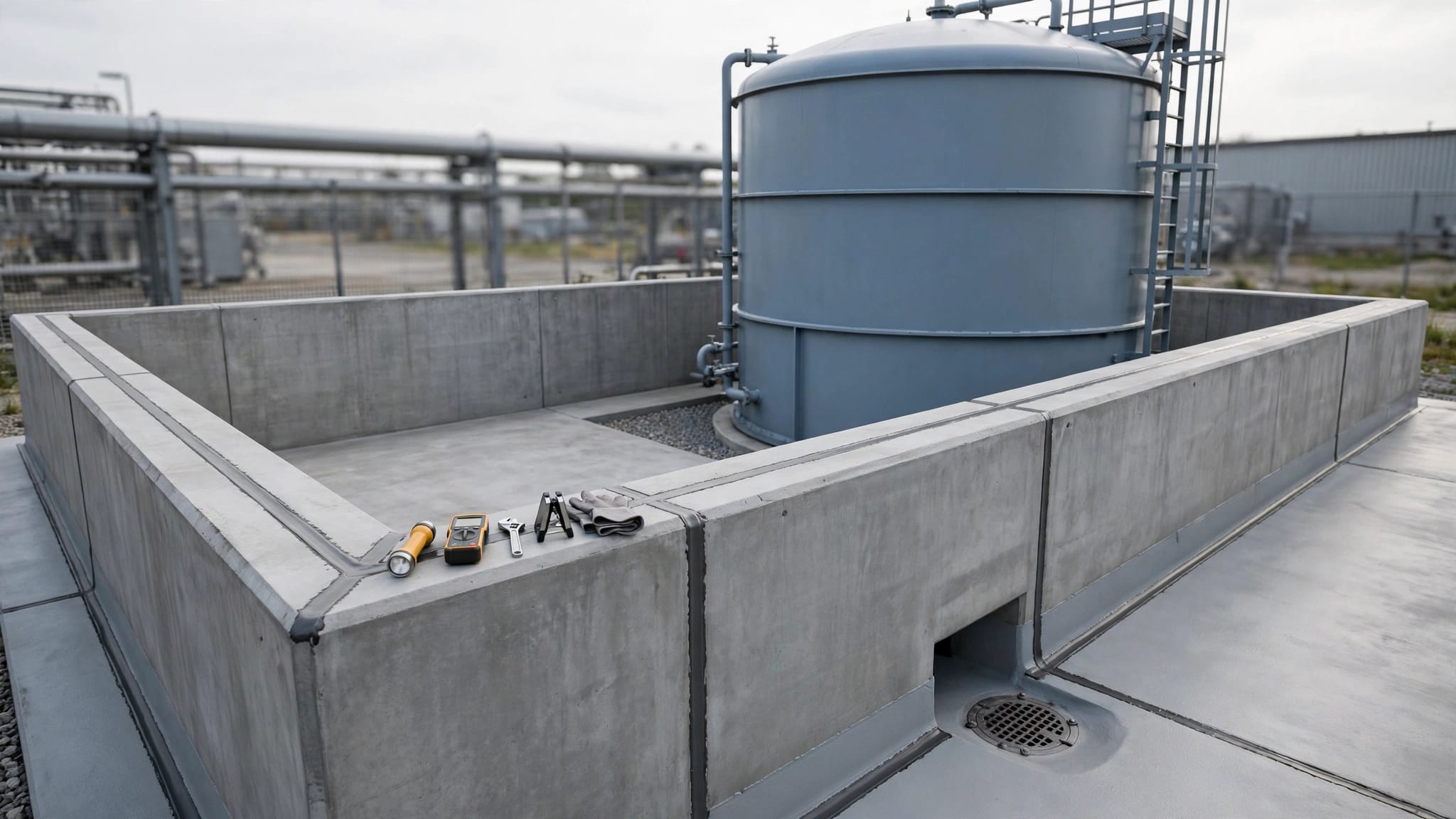
A building may need closer attention when it sits near the Gulf, a marina, a wastewater area, a chemical storage zone, or an industrial process that creates frequent washdown. Roof drains, loading docks, parking structures, tank supports, exterior stairs, handrails, and mechanical areas also deserve careful review.
The inspection should compare current conditions with earlier records. A small rust spot that stays unchanged may need cleaning and touch-up. The same spot spreading across a weld or underneath a flange points to a larger problem.
Facility managers can also review industrial painting services in Southwest Florida when an inspection identifies extensive coating damage or a need for specialized corrosion work.
Industrial Coating Inspection Checklist
Walk the property in a consistent order. Divide large facilities into zones, such as the north wall, production area, tank farm, loading dock, and floor sections. Mark each observation on a site plan or asset list so another person can find it later.
Before entering the inspection area
- Review the last inspection report, repair history, coating specifications, and warranty information.
- Identify areas exposed to salt spray, chemical contact, washdown, standing water, heat, or frequent traffic.
- Check whether a recent storm, flood, plumbing leak, roof leak, or equipment failure changed site conditions.
- Confirm access requirements for roofs, tanks, elevated platforms, confined spaces, and energized equipment.
- Set boundaries around forklifts, cranes, moving machinery, electrical panels, and active production zones.
During the visual inspection
- Look for rust staining , especially beneath seams, bolts, welds, pipe supports, and damaged edges.
- Check for blistering, which may indicate trapped moisture, contamination, osmotic pressure, or poor surface preparation.
- Record peeling, flaking, cracking, delamination, exposed substrate, and areas where the coating has worn through.
- Watch for chalking on sun-exposed walls, tanks, pipes, and equipment. Rub the surface with a clean glove or cloth and note any powder transfer.
- Inspect concrete for cracks, spalling, dusting, oil contamination, damp spots, and coating separation.
- Examine expansion joints, control joints, drains, curbs, thresholds, and transitions between floor materials.
- Check around roof penetrations, louvers, doors, windows, pipe sleeves, and electrical conduit for moisture intrusion.
- Look for coating failure below leaks, air-conditioning discharge points, cooling equipment, and washdown stations.
- Note impact damage from pallets, vehicles, tools, maintenance work, and storm debris.
- Inspect areas where different metals meet. Galvanic corrosion can develop when moisture connects dissimilar metals.
Measurements that add useful evidence
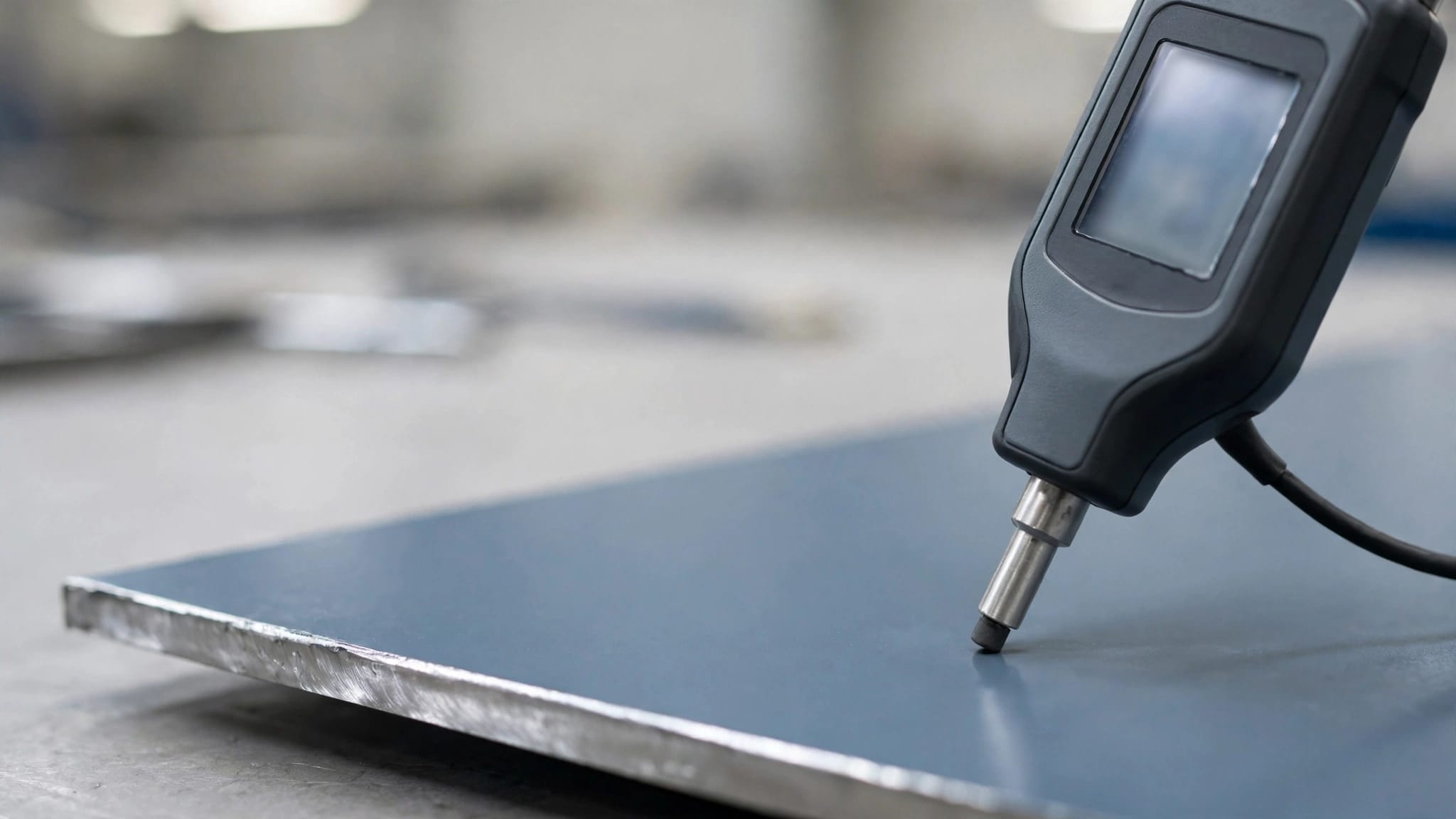
Visual observations show where a problem exists, but measurements help define its severity. A dry film thickness gauge can identify thin areas and inconsistent application. A surface profile measurement helps confirm whether a blasted steel surface has the texture required for the specified coating system.
A dew point meter records air temperature, surface temperature, relative humidity, and dew point. These readings matter during application because condensation can form when the substrate is too close to the dew point. For suspected adhesion problems, a qualified inspector may use a pull-off adhesion tester or cross-cut testing, depending on the substrate and coating.
Holiday detectors can locate pinholes or discontinuities in coatings that protect steel, tanks, and immersion-service surfaces. The correct test method depends on the coating type, thickness, substrate, and service environment. Never perform electrical testing on an unknown system without confirming safe procedures and equipment compatibility.
A clean-looking surface can still have thin film, poor adhesion, or hidden corrosion beneath the visible coating.
Record each measurement with the instrument type, calibration status, test location, and result. If readings fall outside the project specification, document the condition before anyone cleans, sands, or recoats the area.
How to Recognize Common Coating Failure Signs
Blistering and bubbling
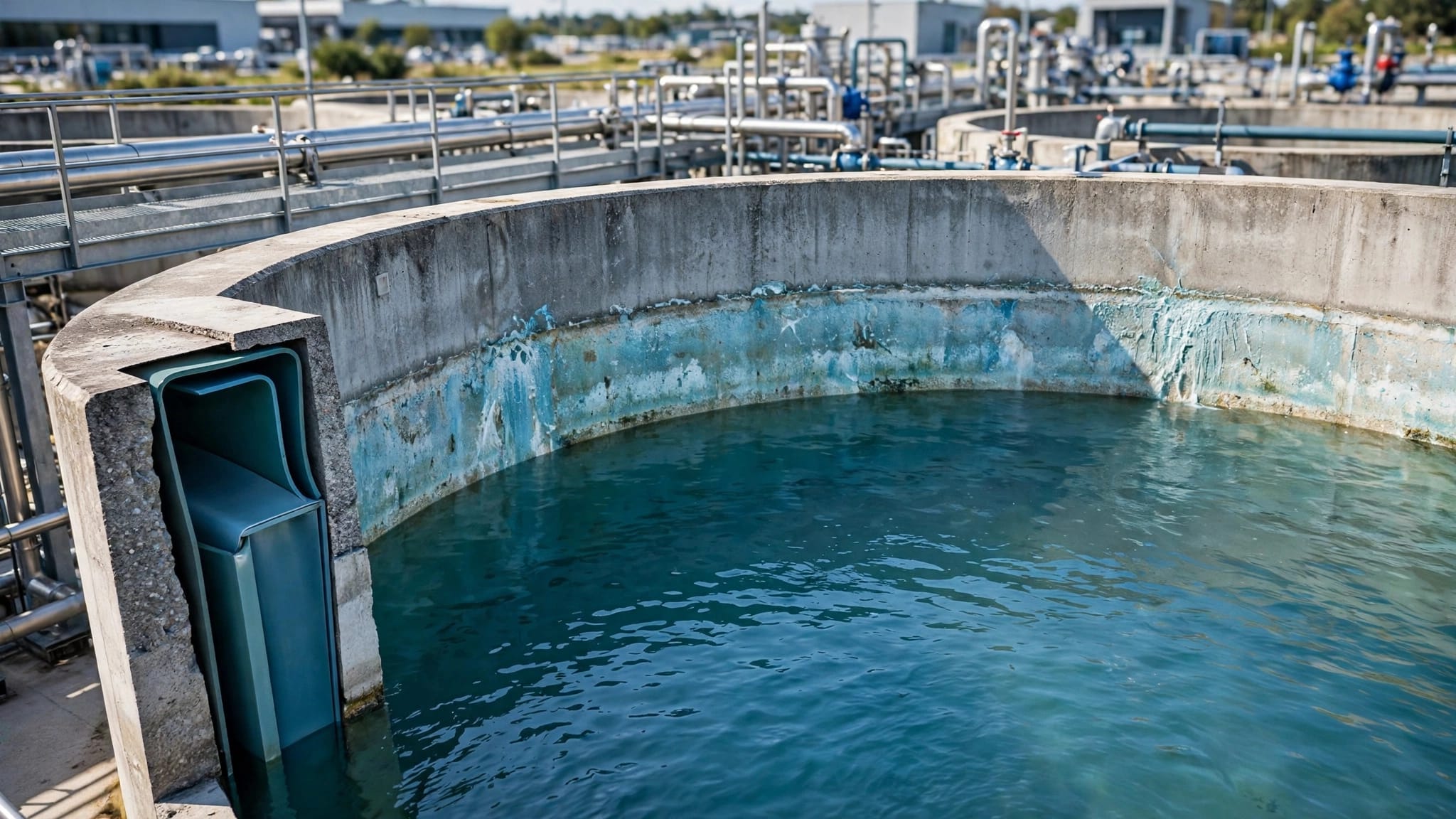
Blisters appear as raised bubbles under the coating. Some are small and isolated. Others spread across a wall, floor, tank, or steel member. Moisture, soluble salts, contamination, solvent entrapment, and heat can all contribute to blistering.
Don't puncture blisters casually. First photograph the area, record its size and location, and check nearby surfaces for dampness or corrosion. Removing a blister may reveal a wet substrate or active rust that needs professional evaluation.
Chalking and fading
Chalking leaves a loose powder on the surface. UV exposure often causes this condition on exterior coatings, especially on south- and west-facing elevations. Mild chalking may call for cleaning and a compatible maintenance coat. Heavy chalking can interfere with adhesion if the surface isn't properly prepared.
Fading doesn't always mean the coating has lost all protective value. However, sudden color changes, uneven fading, or chalking near cracks and exposed steel deserve closer inspection.
Peeling, flaking, and delamination
Peeling occurs when the coating separates from the substrate or from another coating layer. Common causes include inadequate cleaning, surface moisture, incompatible materials, impact, corrosion, or excessive coating thickness.
Trace the failure to its edge. If the surrounding coating lifts easily, the affected area may extend beyond what is visible. A small patch over unstable material usually fails again.
Corrosion and rust staining
Rust around fasteners, welds, lap joints, and crevices often indicates water has reached the steel. Orange staining below a joint can point to corrosion that is progressing behind the coating. In coastal facilities, salt deposits can accelerate the process even when the surface appears dry.
Measure or estimate the affected area, but don't grind structural steel or remove substantial material during a routine walkthrough. Structural loss, deep pitting, and corrosion near load-bearing connections require a qualified professional.
Moisture intrusion
Damp concrete, darkened walls, bubbling coatings, musty odors, and efflorescence can indicate water movement behind or through a coating. Check the source before planning surface repairs. Roof leaks, failed sealants, plumbing problems, poor drainage, and condensation may continue damaging a new coating.
For concrete floors, review durable industrial floor protection when coating failure involves traffic wear, washdown, chemical exposure, or repeated moisture.
Safety Comes Before the Inspection
An inspection doesn't justify entering an unsafe area. Follow the facility's lockout/tagout procedures before approaching moving equipment, energized systems, pumps, conveyors, or mixers. Use the required personal protective equipment, which may include safety glasses, gloves, hard hats, high-visibility clothing, hearing protection, and respiratory protection.
Elevated surfaces require approved fall protection and safe access. Confined spaces, tanks, pits, and vessels may need atmospheric testing, permits, an attendant, and a trained entry team. Don't scrape, pressure-wash, sand, or disturb an unknown coating until you understand whether it could contain hazardous materials.
Keep inspection staff clear of forklift routes and active loading zones. Schedule work around production when possible, and coordinate with operations before testing floors, equipment, or process areas.
If a surface is wet, unstable, structurally damaged, or contaminated, stop the inspection and restrict access. A coating report is never more important than worker safety.
Document Findings So Repairs Stay on Track
Good records help facility managers separate routine maintenance from urgent work. Assign each observation a location, asset name, date, and condition rating. Use consistent terms such as good, monitor, repair soon, or restrict access.
Photos should show both the full asset and a close view of the defect. Include a reference object or scale when practical. Photograph rust staining, blister edges, peeling boundaries, water marks, and nearby joints. Keep original files so future inspections can show whether the condition has grown.
A simple record can include the following information:
| Record item | What to capture |
|---|---|
| Location | Building, elevation, room, grid, or equipment number |
| Defect | Corrosion, blistering, chalking, peeling, cracking, or moisture |
| Extent | Approximate size, percentage, or number of affected areas |
| Environment | Salt exposure, washdown, chemical contact, UV, or storm damage |
| Measurements | Film thickness, humidity, surface temperature, or adhesion results |
| Action | Monitor, clean and repair, investigate, or schedule recoating |
Attach product data sheets, color information, prior inspection reports, and contractor proposals to the same asset record. When repairs occur, document the preparation method, environmental readings, coating products, batch numbers, application dates, and final inspection results.
That history makes future industrial coating inspection work faster and more accurate. It also gives contractors the information they need to match the repair to the existing system.
When to Call a Qualified Coating Professional
Schedule professional evaluation when corrosion covers a broad area, appears beneath a sound-looking coating, affects structural members, or returns soon after repair. Professional review is also appropriate when blistering is widespread, adhesion is poor, moisture remains active, or the existing coating system is unknown.
A qualified contractor should discuss surface preparation, substrate condition, environmental limits, coating compatibility, access, containment, and curing time before proposing a product. The specification should identify the intended service conditions, such as exterior exposure, immersion, chemical contact, traffic, or washdown.
Ask how the contractor will verify surface cleanliness, profile, dry film thickness, recoat windows, and final appearance. For industrial sites, experience with tanks, pipelines, production areas, concrete floors, and corrosion control may matter more than a general painting portfolio.
Coating and corrosion findings may require evaluation by a qualified coating professional . This checklist supports facility maintenance decisions, but it doesn't replace engineering judgment, hazardous-material testing, structural assessment, or the coating manufacturer's requirements.
Conclusion
Southwest Florida facility managers should treat coating condition as part of regular property maintenance, not a problem to review only after visible rust spreads. Salt, humidity, UV exposure, moisture, and storms can turn small defects into larger repair areas.
A consistent industrial coating inspection records what changed, where it changed, and what conditions may have caused it. With safe access, reliable measurements, clear documentation, and qualified evaluation when needed, your team can plan repairs before coating failure disrupts operations or damages the substrate.
More featured articles...