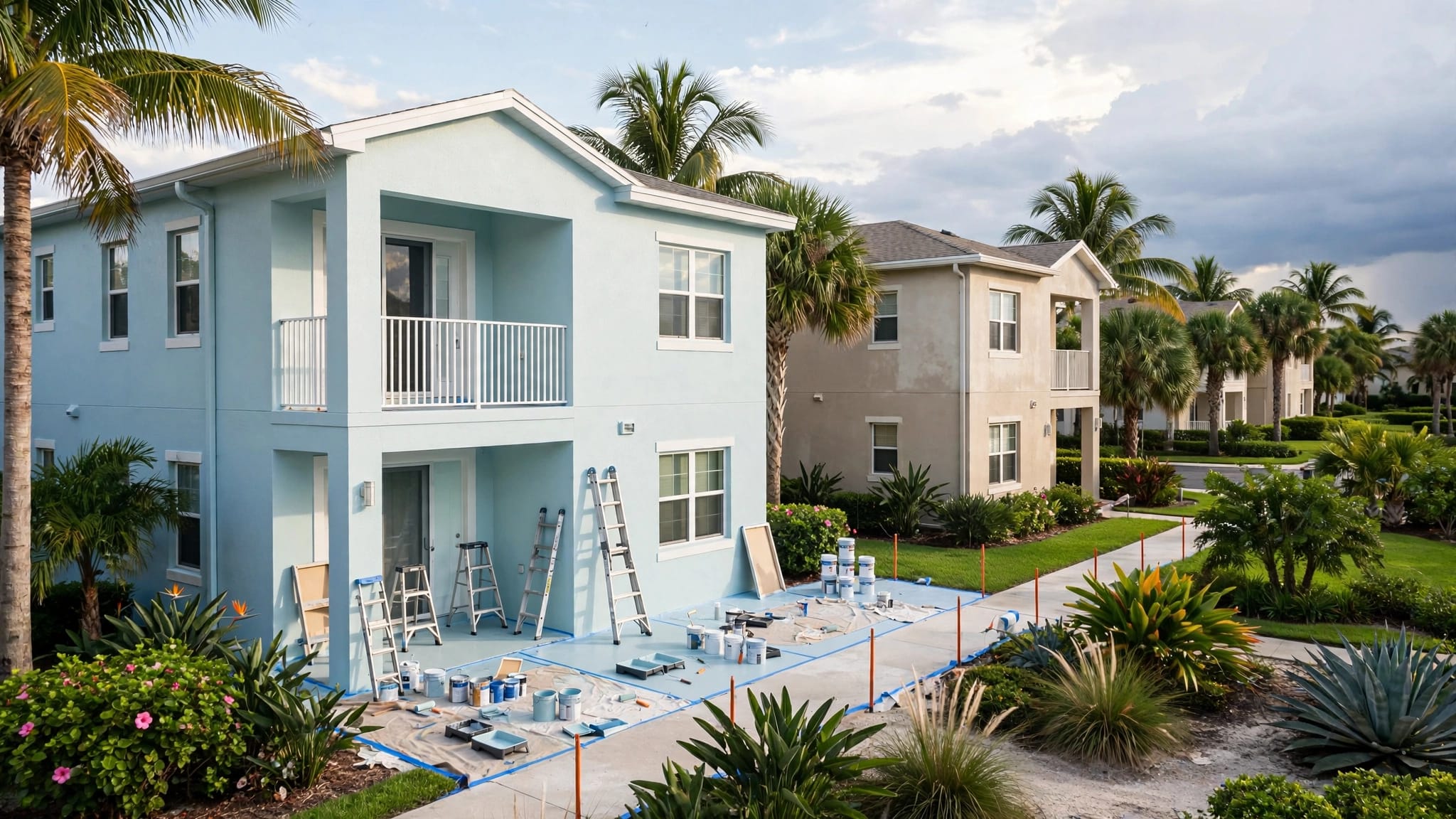
Paint Touch Up or Full Repaint for Florida Homes
Florida weather can make a home exterior look worn before the paint has failed everywhere. Strong sun fades exposed walls, while humidity, rain, salt air, and mildew affect shaded areas differently.
When one section looks damaged, a paint touch up may solve the problem without repainting the entire house. However, scattered peeling, widespread fading, or moisture damage usually calls for a broader plan.
The right choice depends on the coating, the surface beneath it, and how much of the exterior has changed. Start with a careful inspection before buying paint or requesting quotes.
Paint Touch Up vs. Full Repaint: Start With the Scope
The decision should follow the condition of the surface, not the size of the shopping list. A small repair on a stable wall needs a different plan than a home with failing coating.
When a paint touch up can work
A paint touch up makes sense when the damage is isolated and the surrounding paint still has good adhesion. Small nail holes, minor scuffs, a repaired section of trim, or a few localized chips may only need cleaning, light sanding, primer, and matching paint.
This approach works best on less noticeable areas, such as trim or a sheltered section beneath an overhang. A paint touch up becomes harder to hide on large, sun-faded stucco walls because the existing color and sheen may have changed over time.
When a full repaint makes more sense
A full repaint is usually the better option when several elevations show fading, chalking, peeling, or uneven color. Repainting the complete wall surface creates a more consistent finish and gives the crew a chance to complete the preparation correctly.
It also makes sense when the existing coating has become brittle, repairs cover many areas, or the home has different paint colors from past maintenance work. Painting only the damaged sections can leave the exterior looking patched, even when each repair is technically sound.
Inspect the Exterior Before You Decide
Walk around the house in daylight and inspect each wall from different angles. Exposed elevations often age faster than areas protected by roof overhangs.
Look for fading and widespread color mismatch
Compare the paint beneath an eave with the color on the wall below it. If the protected section is noticeably darker or richer, the exposed paint has likely faded. A new spot repair may match the original color formula but still look different from the weathered wall.
Check corners, garage doors, front entries, and walls facing intense afternoon sun. When multiple elevations have different shades, a full repaint usually produces a cleaner result than trying to blend separate patches.
Color mismatch can also come from earlier touch-ups, different paint batches, or changes in sheen. Glossy trim highlights those differences more than a low-luster wall finish.
Check for peeling, chalking, and cracking
Rub a clean hand over a dry painted surface. A white or dusty residue indicates chalking, which can prevent new paint from bonding. The surface needs thorough cleaning and may require primer before a new coat goes on.
Peeling paint points to an adhesion problem. Scraping and repainting the loose section won't solve the issue if dirt, moisture, incompatible coatings, or poor preparation caused the failure.
Hairline stucco cracks may need flexible exterior caulk or an approved masonry repair product. Wider cracks, recurring cracks, cracks around windows, and cracks that continue through the wall deserve professional evaluation before painting.
Mildew, Water Damage, and the Substrate
Paint can't correct a leak, rotten wood, or moisture trapped behind a wall. These conditions need attention before any touch-up or repainting begins.
Treat mildew before applying paint
Mildew often appears on shaded walls, soffits, fences, and areas near landscaping or irrigation. Cleaning the growth is only the first step. Gutters, downspouts, sprinklers, blocked drainage, and poor airflow can cause it to return.
A contractor should use a cleaning method suitable for the siding or stucco. Aggressive pressure can damage soft wood, force water into openings, or loosen sound paint. The surface must dry fully before primer or finish paint is applied.
Mildew-resistant exterior products can help, but they don't replace surface cleaning or moisture control. Painting over visible growth commonly leads to early discoloration and coating failure.
Check the substrate under the coating
Inspect wood trim, fascia, siding, stucco, and masonry for soft spots, swollen edges, efflorescence, or crumbling areas. Water stains around windows and doors may point to failed caulk or flashing rather than a simple paint problem.
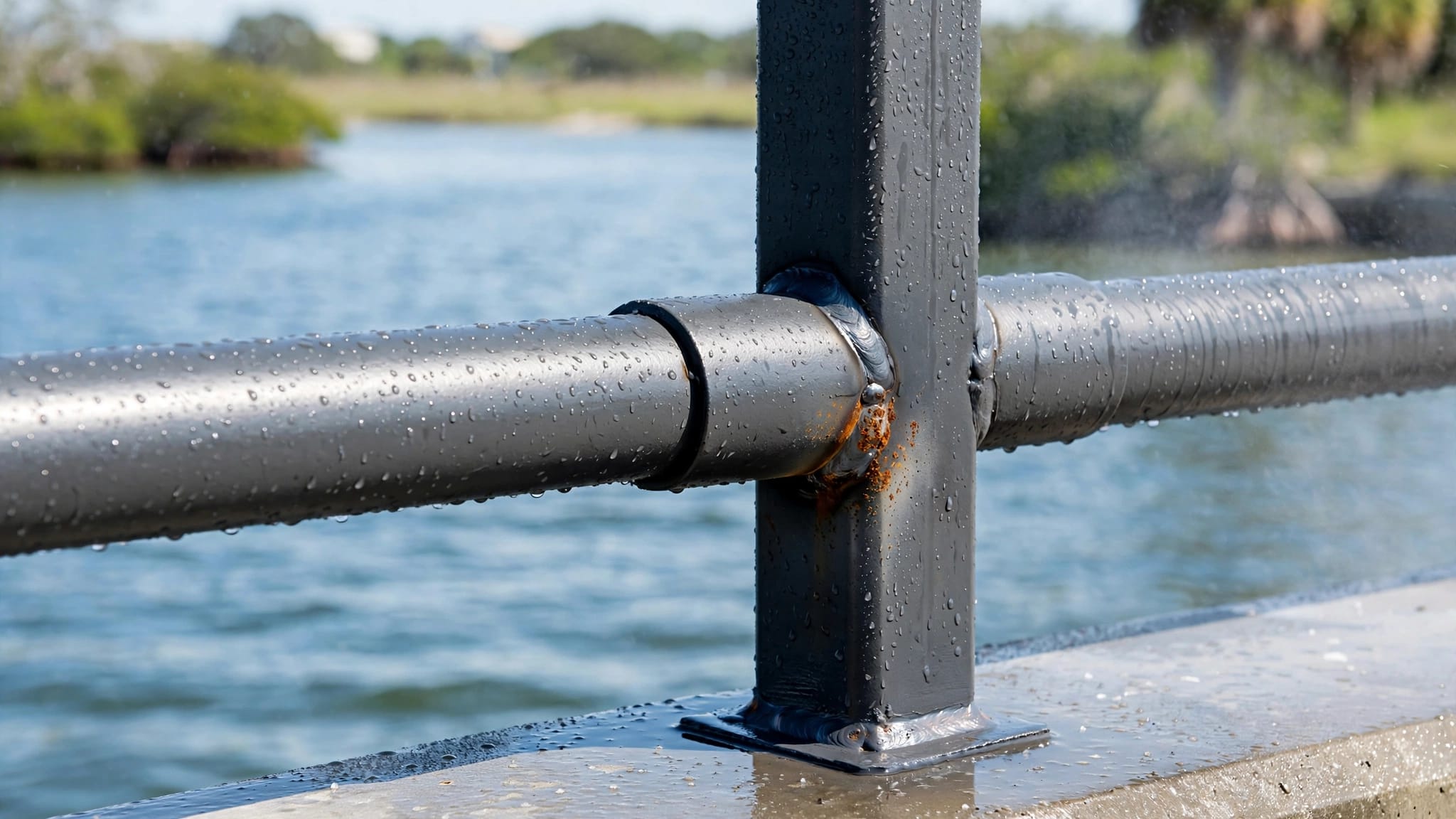
Bare wood needs suitable preparation and primer. Stucco repairs may need time to cure before coating. Metal railings and exterior fixtures require removal of rust and a compatible metal primer.
When the substrate is sound, painting can restore the appearance. When the substrate is damaged, the repair scope should come before the paint decision.
How to Match Paint for a Touch Up
Matching existing paint takes more than remembering the color name. The age of the coating, surface exposure, sheen, and application method all affect the final appearance.
Find the original paint details
Look for leftover cans, color cards, receipts, or records from the previous project. The brand, product line, color code, sheen, and base matter. A color name alone may not provide enough information.
If no records exist, remove a small paint chip from an inconspicuous area and take it to a paint supplier for scanning. The scan provides a useful starting point, but it can't recreate fading on the wall or account for differences between product lines.
Use the same type of coating when possible. Applying a different sheen can make a repaired area stand out, even when the color appears close.
Test before covering visible areas
Apply a sample to a hidden section or spare piece of the same material. Let it dry completely, then compare it in morning light, afternoon sun, and shade.
A fresh sample may look stronger than the surrounding paint because the old finish has faded and collected surface residue. If the match remains obvious, repainting the full wall or elevation may cost less frustration than repeated attempts at blending.
For a paint touch up on trim, paint the entire trim section between natural breaks, such as a corner or door edge. This creates a cleaner transition than stopping in the middle of a long board.
Prep Determines Whether New Paint Holds
Florida's climate makes preparation a major part of exterior painting. Dirt, salt residue, chalk, mildew, and damp surfaces can interfere with adhesion.
Clean, repair, and prime the surface
A sound process usually includes washing, allowing the surface to dry, scraping loose paint, sanding rough edges, repairing cracks, replacing damaged caulk, and priming areas that need it. Bare surfaces and patched areas often absorb paint differently from the surrounding wall.
Chalky surfaces may need a bonding or masonry primer recommended for the existing substrate. Water stains, rust, and tannin bleed from wood may need stain-blocking primer. The correct product depends on the cause of the discoloration.
Review the steps in this guide to prepare a Florida home exterior before comparing paint products. Skipping repairs can leave the new finish covering a problem that will return.
Plan around rain and humidity
Paint needs the right conditions to form a stable film. Heavy humidity can slow drying, and afternoon rain can interrupt a project or damage uncured paint. The crew should follow the product label for temperature limits, rain windows, recoat times, and cure requirements.
Shaded walls may stay damp longer than sunny walls. Coastal homes also collect salt residue, which makes washing and dry-out especially important. A contractor may schedule the work by elevation to account for sun, wind, and moisture.
Select a Coating for Sun, Rain, and Salt Air
Florida homes need exterior products selected for the surface and exposure. The right sheen also affects how repairs, texture, and imperfections appear.
Acrylic works well on many stable surfaces
Quality acrylic exterior paint is a common choice for sound stucco, siding, and previously painted masonry. It offers flexibility and generally allows a practical maintenance approach when the surface has minimal cracking and no ongoing moisture problem.
Low-luster or satin finishes often suit exterior walls because they balance washability with reduced glare. Semi-gloss is more common on doors, shutters, and trim, where a harder, more washable finish may be useful.
Review these exterior paint finishes for Florida homes before choosing a product solely by color.
Elastomeric coatings need the right conditions
Elastomeric products are thicker and more flexible than standard acrylic paint. They may fit certain stucco applications with small surface cracks, but they aren't the correct answer for every Florida wall.
The substrate must be evaluated for trapped moisture, active leaks, and previous coatings. A heavy film can create problems when moisture needs to move through the wall. Product compatibility, surface preparation, and manufacturer instructions all matter.
A contractor should explain why a coating fits the wall condition instead of treating one product as a universal solution.
Compare the Scope and Know When to Hire
A lower quote may cover less preparation, fewer surfaces, or no repair work. Ask each contractor to describe washing, scraping, caulking, repairs, primer, finish coats, trim, doors, and cleanup.
For current local cost factors, review this Southwest Florida exterior painting cost guide. The final price should come from the home's size, access, substrate, coating choice, repair needs, and project scope.
Ask for a written project scope
A touch-up estimate should identify each repair area and explain how the crew will blend or finish it. It should also state whether color matching, primer, washing, and minor repairs are included.
A full repaint estimate should list the elevations and surfaces covered. Confirm whether trim, shutters, garage doors, doors, soffits, and other details are part of the work. Ask which products the contractor proposes and how weather delays affect scheduling.
Bring in a professional when conditions are complex
Hire a professional when the home has widespread peeling, heavy chalking, recurring mildew, water stains, stucco cracks, wood rot, or hard-to-reach areas. Two-story walls and steep rooflines also create safety concerns that make exterior work unsuitable for many homeowners.
A local contractor can assess the substrate, identify repairs, match coatings, and plan around Southwest Florida weather. Homeowners in Fort Myers, Naples, and nearby communities can review residential house painting services when the project requires more than a small accessible repair.
Conclusion
A paint touch up fits a small defect on a stable, well-matched surface. A full repaint is more appropriate when fading, peeling, chalking, mildew, repairs, or color differences affect several areas.
Before choosing, inspect the coating and the substrate underneath it. Address moisture, clean the surface, select a Florida-appropriate product, and compare written scopes rather than prices alone. The best decision is the one that fixes the cause of the problem and leaves the exterior looking consistent.
More featured articles...