Painting Florida Brick Without Trapping Moisture
Painting Florida brick can refresh a faded exterior, but the coating must let the wall dry. Florida's humidity, heavy rain, intense heat, and coastal salt air create conditions where trapped moisture can cause blistering, peeling, staining, and mortar damage.
The right approach is straightforward: find and correct water problems first , choose a vapor-permeable masonry coating, and apply it during a suitable weather window. Paint cannot repair a leaking roof, failed flashing, cracked mortar, or poor drainage. Start with the brick and the building behind it, not the color chart.
Why Florida Brick Needs Room to Dry
Brick is porous. It absorbs some moisture during wind-driven rain, then releases that moisture through evaporation. Mortar joints can absorb water as well, especially when cracks, deteriorated joints, or open gaps surround windows and doors.
A paint film changes that drying process. If the product has low vapor permeability, water vapor may remain behind the coating. As temperatures rise, vapor pressure can push the paint away from the brick. The first signs may include bubbles, peeling patches, dark stains, or white, powdery deposits called efflorescence.
Florida weather increases the risk. Long periods of high humidity slow evaporation, while afternoon storms can drive water into small openings. Strong sun heats the wall and causes repeated expansion and contraction. Near Fort Myers, Naples, Cape Coral, and other Gulf Coast communities, airborne salt can also settle on the surface and interfere with adhesion.
Brick veneer adds another detail. Many veneer walls have a drainage space and weep holes behind or near the base of the brick. Those openings allow water to escape. Painting over them can interfere with drainage and leave moisture inside the wall assembly.
Paint is a finish, not a water-intrusion repair. Active leaks must be corrected before any coating goes on the brick.
A painted brick wall can perform well when the substrate is dry, the joints are sound, and the coating matches the masonry. Problems usually begin when paint hides a moisture source instead of addressing it.
Find and Correct Water Problems Before Painting
A careful inspection should cover both the brick surface and the surrounding building components. Look for staining patterns, loose mortar, cracked joints, peeling interior paint, musty odors, and areas that stay darker after rain.
Water may enter through several locations:
- Damaged roof flashing can direct runoff into an exterior brick wall.
- Failed caulk around windows and doors can allow wind-driven rain behind the opening.
- Cracked mortar joints can admit water and worsen during freeze-thaw cycles, although freezing is less common in Southwest Florida.
- Clogged gutters, short downspouts, and poor grading can keep the lower wall wet.
- Cracks in stucco, concrete, or adjacent materials can send water toward the brick.
- Missing or blocked weep holes can prevent water from leaving a brick veneer wall.
- Soil, mulch, or hardscape that touches the brick can contribute to rising moisture and staining.
Rising moisture deserves attention even on slab-on-grade homes. Brick can wick water from damp soil or from a poorly drained area beside the foundation. A coating won't stop that movement. The source may require improved drainage, a corrected irrigation pattern, or repairs near the foundation.
Efflorescence also needs investigation. Brushing away the white residue may improve the appearance for a short time, but the salts return if water continues moving through the masonry. A contractor should identify whether the moisture comes from rain, irrigation, plumbing, condensation, or ground contact.
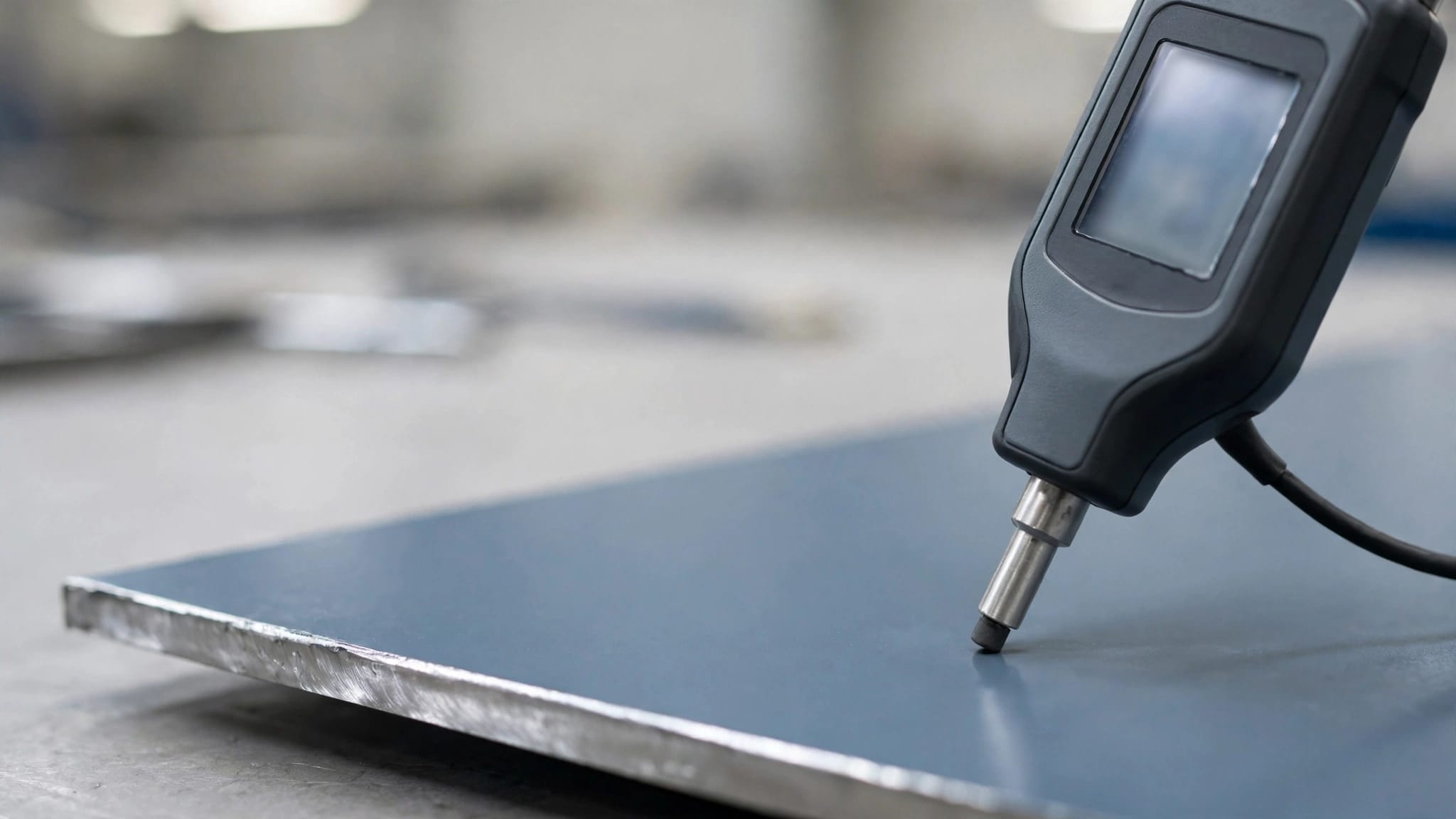
Don't rely on a single moisture reading. A moisture meter can help compare areas, but the reading should support a broader inspection. Contractors may also review weather exposure, check flashing, inspect the base of the wall, and perform controlled water testing when appropriate. Any test should protect the interior and avoid forcing water into known defects.
Allow repaired masonry and replacement mortar to cure according to the repair and coating manufacturer's instructions. Many products require new masonry to cure for about 28 days, but the label and technical data sheet control the schedule.
Choose a Vapor-Permeable Masonry Coating
The product should match the brick, existing finish, exposure, and moisture conditions. A label that says "exterior" doesn't automatically mean the coating is suitable for a damp Florida masonry wall.
Ask for technical information about water vapor transmission and liquid water resistance. ASTM E96 is one test method used for vapor transmission. Compare products tested under the same conditions, because perm ratings aren't useful when the test methods differ. A coating should resist rain while still allowing the wall to release vapor.
| Coating type | Where it may fit | Moisture concern |
|---|---|---|
| Breathable acrylic masonry paint | Sound, dry brick that needs color | Check vapor data and compatibility |
| Mineral silicate coating | Clean, unpainted mineral masonry | Requires a compatible substrate and careful application |
| Limewash | Bare brick with a matte, traditional finish | Wears gradually and needs maintenance coats |
| Elastomeric coating | Limited applications where flexibility is needed | Some products restrict vapor movement |
A breathable acrylic masonry paint is often practical for residential and commercial exteriors, provided the product is designed for brick and has appropriate vapor characteristics. It offers broad color options and can work over previously painted masonry when the old coating is sound and compatible.
Mineral silicate coatings chemically bond with suitable mineral surfaces. They can provide strong vapor permeability, but they need clean, compatible masonry and skilled application. Limewash is also vapor open, but it produces a distinct finish and typically requires more frequent maintenance than a durable paint film.
Elastomeric coatings deserve extra caution. Their flexibility can help bridge small surface cracks, but some formulas form a dense film with limited vapor permeability. Use one only when the manufacturer confirms it is suitable for the specific brick, existing coating, and moisture conditions.
Avoid interior paint, non-breathable waterproofing sealers, and generic primers that aren't rated for masonry. A masonry primer may help with a porous or previously coated surface, but it should come from the same compatible system as the finish when possible. More product isn't automatically better. Every additional layer can affect how the wall dries.
Coastal properties need an exterior coating rated for severe sun, rain, and salt exposure. Rinsing salt deposits off the surface is part of preparation, but a salt-resistant label doesn't excuse poor surface cleaning or unresolved water entry.
Prepare the Brick and Paint During a Dry Weather Window
Good preparation removes contamination without damaging the brick or mortar. A contractor should test the cleaning method in an inconspicuous area first. Excessive pressure washing can erode soft brick faces, remove mortar, and drive water deeper into the wall.
Loose dirt and salt deposits may require gentle washing and adequate drying time. Efflorescence often responds to dry brushing and a masonry-safe cleaning method. Strong acids can discolor brick or damage mortar, so they shouldn't be used casually. Mold and mildew require appropriate cleaning products, ventilation, gloves, and eye protection. Never mix bleach with ammonia or other cleaners.
After cleaning, the crew should remove loose paint and scrape failing areas back to a sound edge. Cracked or missing mortar needs compatible repair. Deep gaps around windows, doors, and utility penetrations may need new exterior sealant, while larger building defects require repairs beyond painting.
The surface should be free of dust, chalk, grease, loose coating, and visible moisture. Weep holes, vents, drainage openings, and expansion joints must remain open. Covering these details can create a problem behind an attractive finish.
Florida scheduling matters as much as surface preparation. The brick can become too hot for proper application during midday sun, especially with dark colors. High humidity and evening dew can extend drying times. Afternoon thunderstorms may arrive after a bright morning, so the forecast needs review throughout the project.
Follow the coating label for minimum and maximum temperatures, humidity limits, rain resistance, recoat time, and surface moisture requirements. A contractor may work in shaded sections, begin early, or adjust the schedule around storms. The wall should remain protected from rain until the product reaches the required cure stage.
Apply the specified number of coats at the specified spread rate. Heavy application can slow drying and increase the chance of a soft or uneven film. Brushes and rollers can work well on textured brick, while spraying may improve coverage on large commercial walls when the crew back-rolls or follows the product instructions. Mortar joints and recessed areas need close attention because missed spots can expose the wall to uneven weathering.
Light or medium colors often reduce heat buildup compared with very dark colors. Color choice doesn't correct moisture intrusion, but it can affect surface temperature, fading, and the amount of expansion the coating experiences in direct Florida sun.
Know When to Hire a Florida Brick Painting Contractor
Brick painting is more than rolling color across a wall. The contractor must evaluate moisture, protect drainage details, repair the substrate, select a compatible coating, and plan around Florida weather.
Homeowners can compare residential exterior painting contractors by asking for clear preparation details, product information, and a written scope of work. Commercial property managers can review commercial business painting services for projects that require scheduling around employees, tenants, customers, or equipment.
Before hiring anyone, ask these questions:
- How will you look for leaks, failed flashing, drainage issues, and rising moisture?
- What repairs are included before painting begins?
- What coating will you use, and what does its vapor-permeability data show?
- How will you protect weep holes, vents, windows, landscaping, and nearby surfaces?
- What weather conditions must be present before application and recoating?
A trustworthy estimate should separate repairs, cleaning, priming, coating, access equipment, and cleanup. It should also state what happens if the inspection finds active water intrusion.
Conclusion
Painting Florida brick successfully starts with moisture control, not paint selection. Repair leaks, drainage problems, failed flashing, cracks, deteriorated mortar, and rising moisture before applying a coating.
Once the brick is sound and dry, choose a compatible vapor-permeable masonry product and schedule the work around heat, humidity, rain, and salt exposure. That preparation helps the finish stay attractive without turning the wall into a sealed container for moisture.
More featured articles...