How to Paint Exterior Pergola Structures in Florida Humidity
Florida humidity can turn a fresh coat of paint on an outdoor pergola into a peeling, mildewed finish if the surface isn't ready. Heat, afternoon rain, strong UV exposure, and salt air near the Gulf all put stress on exterior coatings.
When you paint exterior pergola wood, metal, or PVC, success depends on more than choosing a color. The surface must be clean and dry, the primer must match the material, and each coat needs weather conditions that follow the product label. Start with the structure and the forecast, then work through preparation, priming, painting, and maintenance.
How to Paint Exterior Pergola Surfaces in Florida Humidity
Before you paint exterior pergola surfaces, identify the material and inspect its condition. A coating that works well on wood may fail on aluminum, steel, or vinyl without the right primer.
Identify the pergola material
Wood pergolas need close inspection for soft areas, cracks, mildew, loose paint, and exposed end grain. Pressure-treated lumber can hold moisture after treatment, so don't coat it until the wood meets the moisture requirements listed by the coating manufacturer. Cedar and redwood may also bleed tannins through light-colored paint unless you use a compatible stain-blocking primer.
Metal pergolas need attention around fasteners, welds, joints, and scratches. Surface rust must be removed before priming. Galvanized metal and aluminum also need a primer made for those surfaces, since standard wood primers may not bond well.
PVC and other synthetic materials require cleaning, light scuffing, and a bonding primer approved for the specific plastic. Some vinyl products expand and contract more than wood, so confirm that the paint is suitable for the material and expected outdoor exposure.
The same material-by-material approach used for exterior paint for Florida columns applies to pergola posts, beams, and trim.
Watch the weather and the surface
Humidity affects more than comfort. It slows evaporation, extends recoating time, and can leave moisture trapped beneath the film. Shaded surfaces may stay damp after the air feels dry, especially under a roof or between closely spaced rafters.
Choose a stretch of weather that follows the product label. Avoid painting when rain is likely, dew is forming, or wind can blow debris onto the wet coating. Direct sun can heat wood and metal enough to affect application, so work on shaded elevations when possible. Always follow the label's air and surface temperature limits, recoat window, and rain exposure guidance.
Select coatings that fit Florida exposure
For many exterior wood pergolas, a quality 100% acrylic exterior paint offers flexibility and resistance to sun and moisture. The exact product still depends on the existing coating, wood species, and condition of the surface. If the pergola has a previously applied stain, oil-based coating, or unknown finish, test compatibility before covering the entire structure.
Use an exterior bonding primer where the surface is glossy, difficult to coat, or made from PVC or metal. Bare wood, repaired areas, and exposed substrate usually need primer before the finish coats. A primer also helps create a more uniform appearance when the new color differs sharply from the old one.
A satin finish often works well on pergola posts and beams because it provides some washability without highlighting every surface flaw. Semigloss can make trim easier to clean, but it may show dents, brush marks, and uneven repairs. Color also matters in Florida. Dark colors absorb more heat and can make fading more noticeable, so confirm the coating's color recommendations before choosing a deep shade.
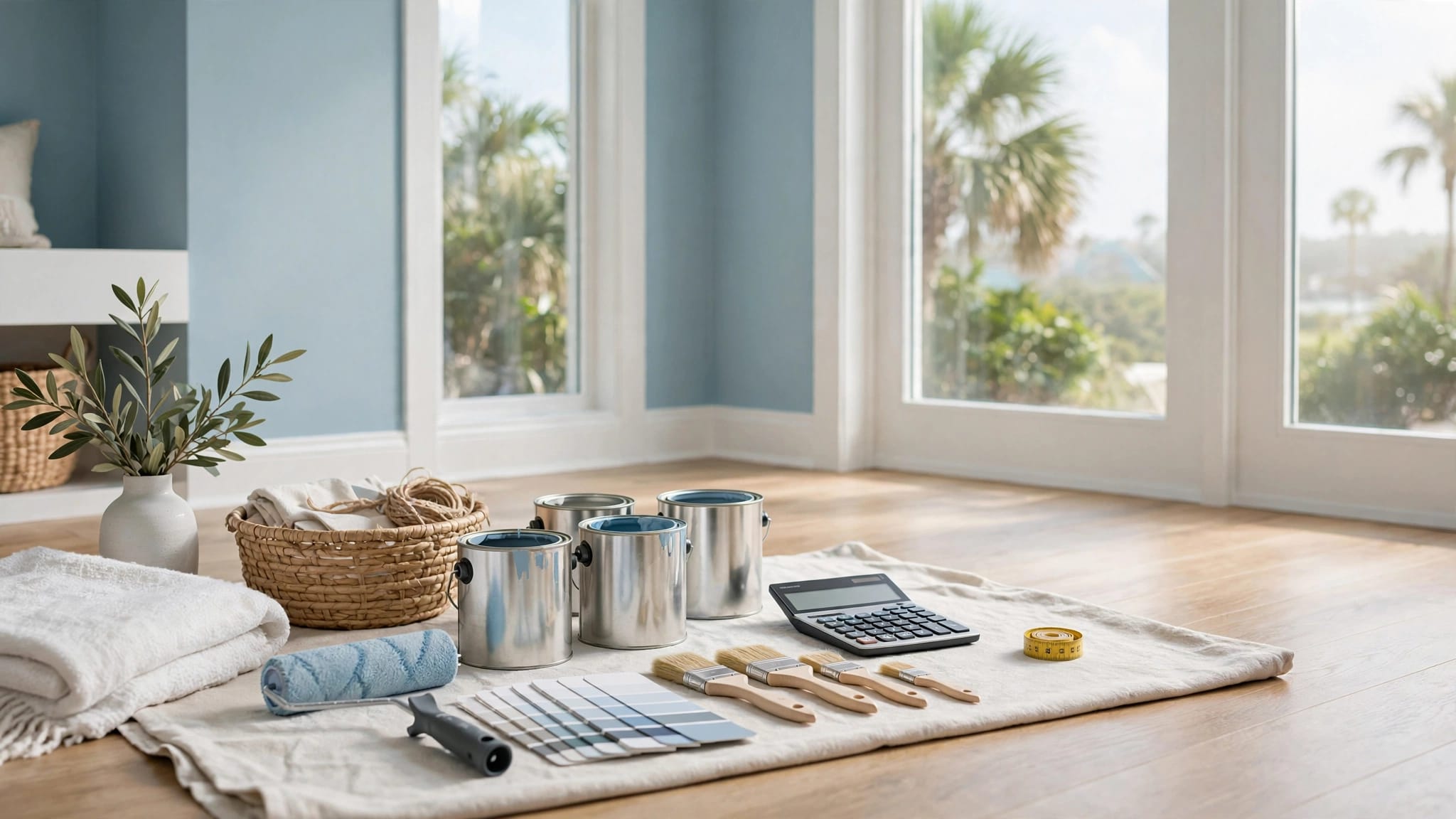
Gather these supplies before starting:
- A mild exterior cleaner or mildew cleaner approved for the surface.
- A soft brush, scrub pad, hose, scraper, sanding paper, and clean rags.
- Exterior-grade caulk or sealant that the paint manufacturer approves.
- The correct primer, finish paint, brushes, rollers, and extension tools.
- Drop cloths, plastic sheeting, painter's tape, gloves, eye protection, and a properly rated ladder.
A small test area can reveal adhesion, color, and sheen problems before they spread across the entire pergola.
Prepare the pergola before applying paint
Good preparation takes longer than brushing on the finish, but it determines whether the paint bonds or peels. Don't paint over chalk, mildew, loose coating, or greasy residue.
- Remove furniture and protect nearby areas. Clear the space below the pergola, cover patio surfaces, and protect plants, screens, walls, and outdoor kitchens. Secure plastic so it doesn't flap against wet paint.
- Wash the structure thoroughly. Remove dirt, pollen, salt residue, bird deposits, and mildew. Use a cleaner that matches the substrate, then rinse according to its instructions. Never mix bleach with ammonia or acidic cleaners. A pressure washer can help on durable surfaces, but excessive pressure can scar wood, force water into joints, and damage old coatings.
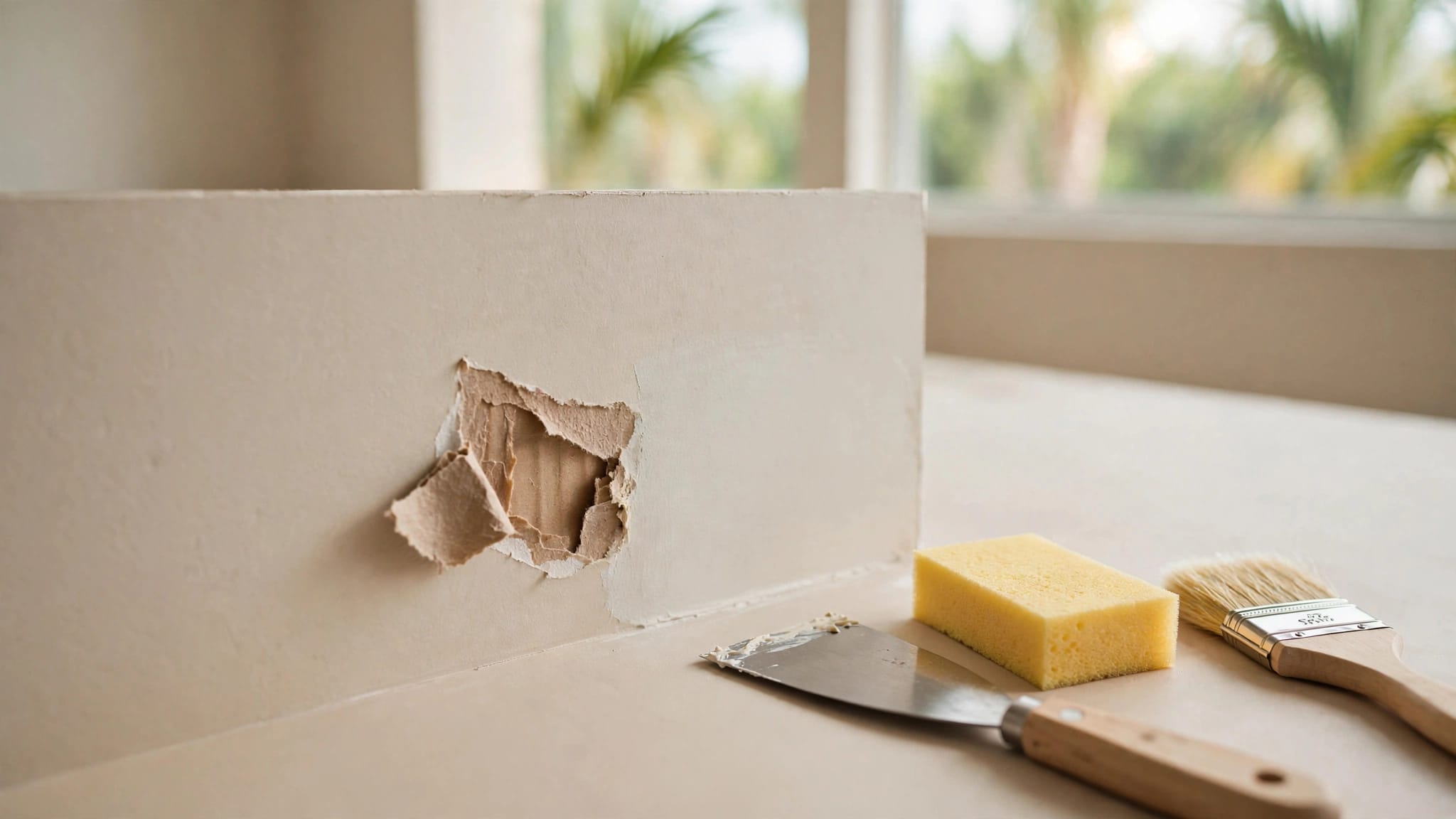
- Remove failing paint. Scrape loose sections and sand sharp edges until the transition feels smooth. Feathering the edges prevents ridges from showing through the new coat. Remove sanding dust before priming.
- Repair the substrate. Replace rotten wood instead of sealing over it. Tighten loose hardware, address rust, and fill small cracks with compatible exterior filler. Use paintable exterior sealant at appropriate joints, but don't block drainage paths or movement gaps.
- Allow the surface to dry fully. Drying time depends on rainfall, shade, airflow, humidity, and the material itself. Follow the cleaner, filler, primer, and paint labels rather than relying on a fixed number of hours.
A professional crew should also mask adjacent surfaces and stage ladders safely. The Southwest Florida exterior painting process typically includes washing, dry-out, repairs, spot priming, finish coats, and touchups, which are the same steps a pergola needs when the goal is a durable finish.
Apply primer and paint in manageable sections
Once the pergola is clean, dry, and repaired, prime every area that needs extra adhesion or protection. Bare wood usually needs primer on exposed sections, cut ends, repairs, and areas where the old coating has been removed. Metal requires a compatible corrosion-control primer, while PVC and glossy surfaces need a bonding primer approved for the substrate.
Work in sections that you can finish without losing track of the wet edge. Start with the upper rafters and beams, then move to posts and lower trim. Painting from the top down limits drips on finished areas. A brush gives you control around fasteners, corners, and joints, while a roller can cover broad, flat sections more evenly.
If you use a sprayer, protect surrounding surfaces and follow the coating's application instructions. Some products require back-brushing after spraying, while others don't. Don't thin the paint unless the manufacturer permits it.
Apply thin, even coats rather than forcing one heavy coat to hide the old color. Heavy application can sag, remain soft, or trap moisture. Keep paint out of hardware openings and drainage points. Pay close attention to end grain, the underside of beams, and the tops of posts because these areas can absorb water or collect dirt.
Respect the label's drying and recoating instructions. Florida's high humidity may extend those times, even during a sunny afternoon. If rain reaches a coating before the label allows exposure, the finish may blister, discolor, or lose adhesion.
Protect the finish from heat, UV, rain, and salt air
A pergola in Fort Myers, Naples, or another Southwest Florida community faces repeated wet and dry cycles. Rain enters open joints, the sun heats exposed beams, and high humidity keeps shaded areas damp. Coastal properties also collect salt deposits that can dull the finish and encourage corrosion on metal hardware.
Use a soft brush and mild cleaner for routine maintenance. Rinse salt and pollen from coastal pergolas before residue builds up. Remove leaves and standing debris from beam intersections, since organic matter holds moisture against the coating. Trim nearby vegetation if it keeps the structure wet or blocks airflow.
Inspect the pergola at least once a year, and check it sooner after a tropical storm or long period of rain. Look for:
- Peeling or bubbling paint, especially around joints and end grain.
- New mildew in shaded areas.
- Rust near screws, brackets, and cuts in metal.
- Cracks, soft wood, open caulk joints, or water-stained areas.
Small touchups are easier when the original product, color, and sheen are recorded. However, widespread peeling usually points to a preparation or moisture problem that requires more than another finish coat.
When to hire a painting contractor
A contractor is a practical choice when the pergola is tall, attached to a commercial property, heavily weathered, or difficult to access safely. Professional preparation also helps when the existing coating is unknown or the structure combines wood, metal, and PVC.
Ask for a written scope that identifies washing, scraping, sanding, repairs, primer, finish coats, access equipment, and protection for nearby areas. Confirm which products the crew plans to use and how weather delays will affect the schedule. A reliable contractor should inspect the pergola onsite instead of estimating every condition from a distance.
For a home or business in the Fort Myers and Naples area, an onsite consultation can identify hidden wood damage, coating failures, and moisture concerns before work begins. That inspection helps you compare estimates based on preparation and materials, not only the final color.
Conclusion: Build the Finish Around Florida Weather
To paint exterior pergola structures successfully in Florida, start with the substrate, remove every source of poor adhesion, and choose a primer and finish rated for the material. Clean, dry surfaces and label-compliant application matter more than rushing to complete the project.
Heat, UV exposure, rain, humidity, and salt air will continue testing the coating after the work is finished. With proper preparation, careful application, and regular inspections, your pergola can keep its color and protection longer. When access or repairs make the project difficult, a qualified local painting contractor can handle the preparation and finish with the conditions in mind.
More featured articles...