Exterior Primer Dry Time in Florida: How Long It Can Sit
Florida weather changes fast. A primer can look ready one hour, then face humid air, afternoon rain, blazing sun, and salty breezes before lunch is over. That makes exterior primer dry time a bigger issue here than in milder climates.
If you leave primer exposed too long, the surface can pick up moisture, dust, mildew, or UV wear before the topcoat goes on. The right wait time depends on the primer label, the substrate, and the weather the wall actually sees.
Key Takeaways
- The primer label comes first. If the can gives a recoat or topcoat window, follow it.
- Florida humidity slows drying. Heat helps some products dry, but moisture in the air can still hold them back.
- Many primers are paint-ready the same day. Some need only a few hours, while others allow longer.
- If primer sits exposed too long, reprime when needed. Look for chalking, dirt, mildew, or loss of adhesion.
- Substrate matters. Stucco, wood, metal, fiber cement, and concrete all behave differently in Florida weather.
What Changes Primer Dry Time on Florida Exteriors
Primer does not dry in a vacuum. In Florida, it dries in heat, humidity, dew, wind, and sun. That mix can speed things up one day and slow them down the next.
The product itself matters first. Water-based and oil-based primers do not cure the same way. Some exterior primers are ready for a topcoat in a few hours. Others need more time, especially on porous or uneven surfaces. The manufacturer's stated window is the rule, because formulas vary more than most homeowners expect.
The wall material matters just as much. Stucco can hold moisture in tiny pores. Wood can absorb primer unevenly, especially on fresh trim or patched areas. Metal needs firm adhesion and a clean, dry surface. Concrete and masonry can stay damp below the surface long after the top looks dry.
Weather exposure changes the game too. A wall facing strong afternoon sun may dry faster, but it also takes more UV. A shaded side may stay damp longer, which slows cure time and raises mildew risk. Near the coast, salt air can leave residue on the surface faster than inland air. That residue can hurt adhesion if the primer waits too long.
If a storm rolls in, the primer may be dry enough to touch but not ready for wet weather. Florida dew can do the same thing after sunset. That is why exterior work here needs a tighter schedule than in many other places.
For homeowners who want the process handled around local weather, understanding the professional exterior painting workflow helps set clear expectations.
How Long Exterior Primer Can Sit Before Painting
There is no single answer that fits every product, but there is a practical way to think about it. In Florida, many exterior primers should be topcoated the same day, often after a few hours of dry time. Some products allow a longer recoat window, sometimes up to a day or more, if the surface stays clean and dry.
The safest approach is simple. Paint as soon as the primer is ready, and stay inside the label's window whenever possible.
If the primer label says to topcoat within a certain period, that window matters more than the forecast.
Here is a general way to judge it:
| Surface | Florida watch-outs | Practical approach |
|---|---|---|
| Stucco | Holds moisture, can trap dust | Wait until fully dry, then topcoat within the label window |
| Wood | Can swell, crack, or absorb unevenly | Watch for clean, uniform coverage and paint soon after drying |
| Fiber cement | Sensitive to moisture and alkalinity | Keep it dry and follow the stated recoat timing closely |
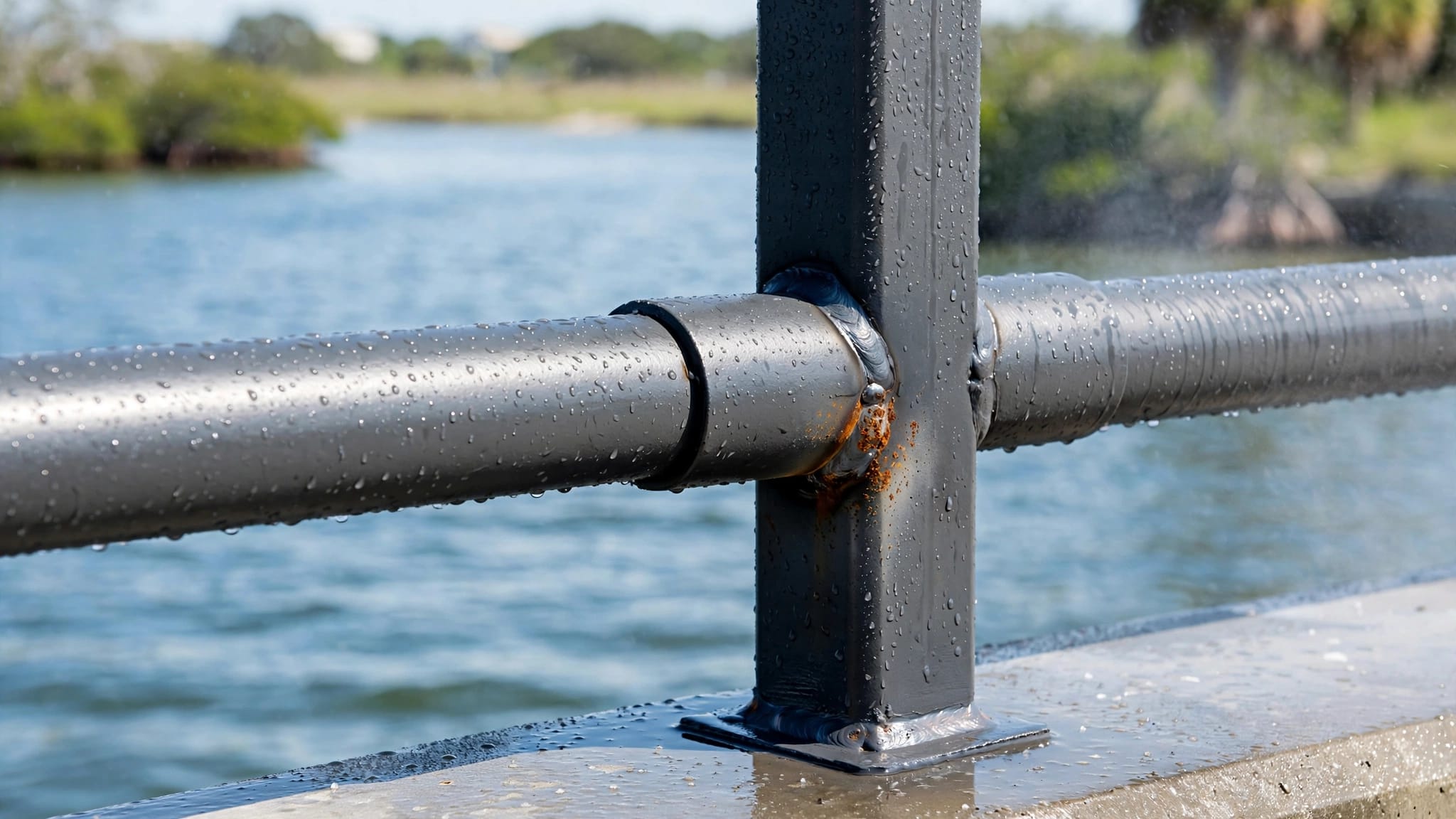
| Metal | Flash rust can appear fast | Topcoat after the surface is clean, dry, and still sound |
| Concrete or masonry | Porous, often slow to dry below the surface | Give it enough time to release moisture, then topcoat promptly |
The takeaway is clear. The longer primer sits in Florida weather, the more careful you need to be. A fresh, sound coat that stays clean and within its approved window usually paints well. A coat that sits through dew, rain, or days of sun needs a closer look.
On south- and west-facing walls, especially, don't assume yesterday's primer is still ready today. UV and heat can age the film faster than you expect.
Signs the Primer Is Still Paint-Ready
A dry-looking wall is not always ready for paint, so check more than the color.
Start with touch. The surface should feel dry, not cool, tacky, or rubbery. Then look at the finish. It should appear uniform, without wet-looking patches or soft spots. If you press lightly with a clean finger and the primer leaves a mark, give it more time.
Next, check for surface contamination. Florida exteriors pick up dust, pollen, salt residue, and mildew faster than many homeowners realize. If the wall feels gritty, looks chalky, or has visible spots from overnight moisture, it needs attention before topcoating.
A good paint-ready primer also looks stable. It should not powder off onto your hand. It should not show peeling edges, blisters, or dull patches that feel brittle. If the surface has stayed exposed under deep sun, check whether it still has a firm hold on the substrate.
These signs usually mean the primer is still in good shape:
- It feels dry across the whole area, not just on the surface.
- It looks even and clean, with no soft or glossy sections.
- It has no mildew spots, dirt film, or salt crust.
- It has not chalked enough to rub off easily.
A short delay can be fine if the label allows it and the surface stays protected. Still, the longer you wait, the more likely you are to need a quick inspection before painting.
When You Need to Reprime Before Painting
Sometimes the answer is not "wait longer." Sometimes it is "start over on that section."
If primer sits past the manufacturer's topcoat window, check the label first. Some products can be painted later if they are still clean and sound. Others need a fresh coat. If the label gives no help, judge the surface by condition, not by hope.
Reprime when you see any of these problems:
- Dirt, pollen, or salt residue has settled on the surface.
- Mildew has started to form, especially on shaded or coastal walls.
- The primer has chalked or turned powdery.
- Rain or dew left water spots, streaks, or soft areas.
- The primer lost adhesion after sitting in heat for too long.
If the surface only has light dust and the primer is still sound, a gentle cleaning and light scuff-sanding may be enough before repainting, if the product system allows it. However, if the film feels weak, uneven, or contaminated, a new primer coat is the safer choice.
That matters most on Florida homes where weather can change overnight. A wall primed in the morning can face sun, humidity, and a storm by evening. If a fresh topcoat is delayed for days, the primer may need another coat simply because the environment has had time to work on it.
When planning a bigger project, homeowners who want help with scheduling, prep, and weather timing can look at residential exterior painting services from a local contractor who knows Florida conditions.
Planning Around Florida Weather and Surface Type
The best exterior paint jobs in Florida start with the calendar, then improve it with local weather sense. A good plan avoids afternoon storm windows, heavy dew, and long gaps between primer and topcoat. It also keeps the crew focused on one side of the house at a time, instead of priming more than they can finish.
That matters in Fort Myers, Naples, and coastal areas where salt air and sudden rain can shorten your safe window. If you prime a wall in the morning and know thunderstorms are likely by afternoon, keep the work area small. Finish one section, topcoat it if the system allows, then move on.
Covered areas can buy you a little time, but they do not cancel the rules. Even under an eave, the surface still needs to stay clean and within the product window. The same is true for shaded walls that dry more slowly. A shady spot can look calm while moisture still hangs on.
Good scheduling also helps the finish last longer. When primer and paint go on in the right order, without long idle time between coats, the whole system bonds better. That matters on exteriors that face strong sun, mildew pressure, and frequent rain.
Conclusion
Florida does not reward guesswork. A primer that sits too long can lose its grip, collect dirt, or pick up moisture before the topcoat arrives. A primer that stays within its label window and on the right substrate usually gives paint a better start.
The simple rule is this, follow the manufacturer's recoat and topcoat window if it differs from any general guideline. Then judge the wall by Florida realities, humidity, dew, sun, rain, and exposure.
If you are planning an exterior project, the safest path is the one that treats primer like part of a timed system, not a waiting room for paint.
More featured articles...