Industrial Coating Repair: When to Patch or Recoat
Industrial coating repair is a good choice when damage is localized, the surrounding coating still adheres well, and the substrate remains sound. Broader recoating makes more sense when failure is widespread, keeps returning, or the existing system can't support a reliable repair.
For facility owners, the visible damage is only the starting point. The condition beneath and around it determines whether a patch will protect the asset or postpone a larger problem.
A practical decision starts with the damage pattern and an inspection of the existing coating.
When a localized coating repair makes sense
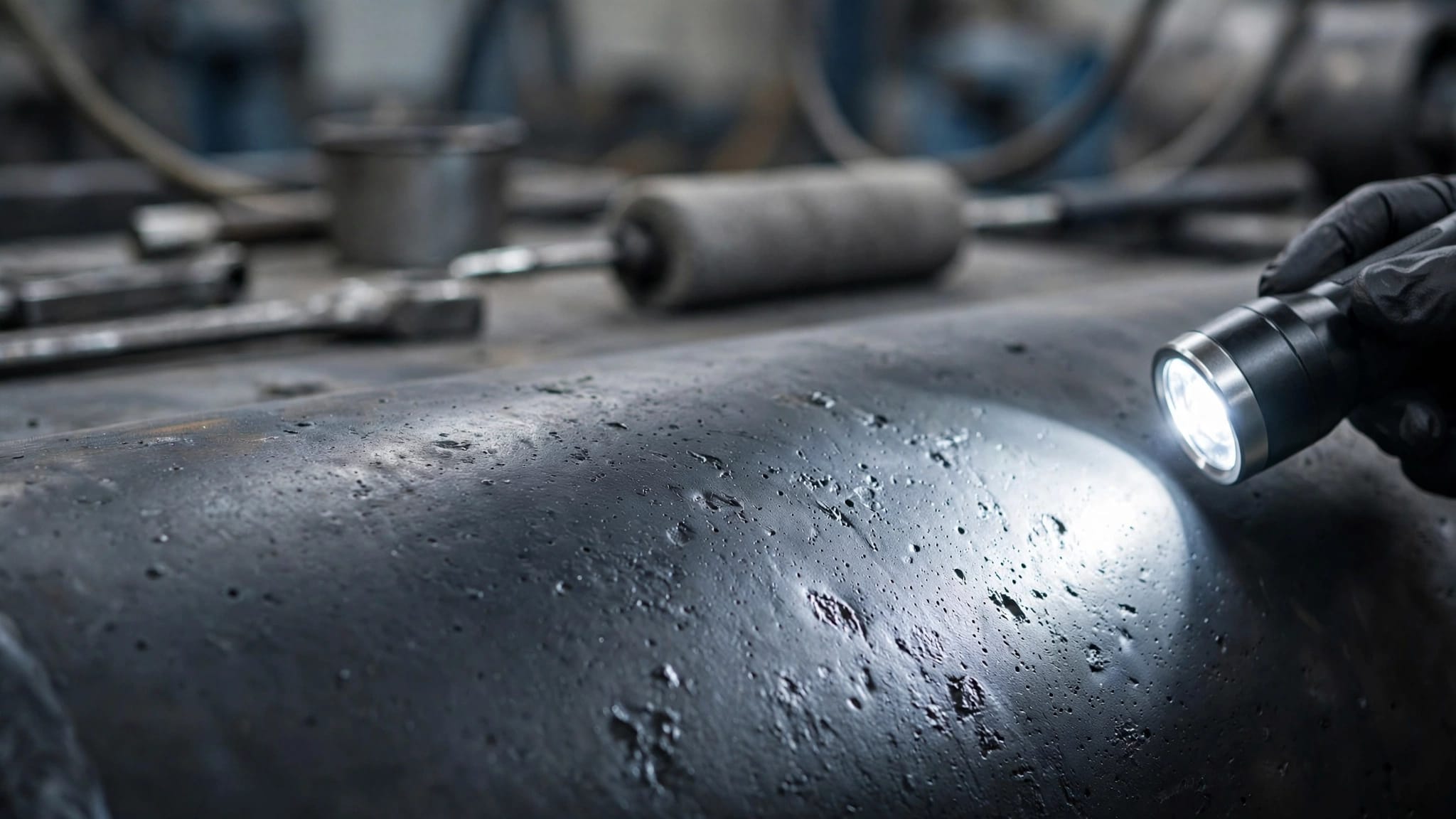
A spot repair can address an isolated defect without disturbing a coating system that's performing well. For example, a forklift scrape on a coated steel column may expose a small area of metal while the finish around it remains intact and firmly bonded.
Similarly, an isolated impact chip on a tank exterior may be suitable for repair after the affected steel is inspected and prepared. The contractor should remove damaged coating and corrosion, then extend preparation into sound coating far enough to create a suitable transition.
A repair is a stronger candidate when:
- The damage has a clear, local cause, such as impact or abrasion.
- Surrounding coating adheres well and shows no wider pattern of blistering or peeling.
- The underlying steel or concrete is sound enough to accept the repair.
- A compatible repair system is available for the actual service conditions.
- The cause has been corrected or can be managed.
The size of the visible chip alone doesn't establish the repair boundary. Rust can spread beneath a coating, and loose material can extend beyond the area that first caught your attention.
On tanks, localized coating work must also be kept separate from tank repairs. Deep pitting, leaks, distortion, damaged supports, or suspected wall thinning call for a qualified assessment. Paint can't restore metal thickness. Our guide to assessing tank coating damage before recoating covers that distinction in more detail.
When broader recoating is the better scope
Full recoating deserves consideration when damage appears across a broad area or when several patches have failed again soon after repair. Widespread peeling, poor adhesion, recurring rust, and extensive blistering suggest that treating each visible defect may leave the underlying problem in place.
The pattern matters as much as the amount of damage. Repeated failures along seams, welds, or floor joints may point to a common preparation or exposure issue. A patch at each location won't address the cause unless the work also corrects that issue.
A floor with coating separation across a production area, for example, needs a broader investigation than a single impact chip. Oil contamination, weak concrete, moisture, or an unsuitable coating system could affect the next application as well.
Recoating doesn't always mean complete removal. A contractor may be able to prepare and overcoat an existing system if it remains sound and the new materials are compatible. When the existing coating has poor adhesion or contamination, removal and a new system may be necessary. The inspection should establish which scope is appropriate.
A step-by-step inspection and decision process
A useful inspection gives the owner and contractor a shared picture of the damage before either selects a repair method. Our industrial coating inspection checklist can help organize the findings.
- Review the asset history. Gather available coating specifications, product information, previous inspection reports, and repair records. Note earlier failures and any changes in cleaning, chemicals, or operating conditions.
- Map the visible damage. Divide the asset into accessible areas and photograph peeling, cracking, blisters, rust staining, worn coating, and exposed substrate. Record locations around welds, supports, joints, and other details where water or debris collects.
- Investigate the surrounding coating. Look beyond the visible defect for lifting edges, staining, dampness, and similar failures nearby. A qualified inspector can select adhesion or other tests when the condition isn't clear.
- Assess the substrate and exposure. Identify corrosion, concrete deterioration, leaks, chemical contact, washdown, or abrasion. Refer suspected wall loss, structural damage, and other safety concerns to qualified personnel before planning coating work.
- Define and price the options. Compare a localized repair with a broader coating scope using the same assumptions about preparation, access, testing, cure, and future maintenance. Record why the selected option fits the findings.
Inspection findings may change the scope once loose coating is removed. Agree on how the contractor will document concealed damage and price changes before work begins.
What adhesion and coating tests tell you
A coating can look intact and still have a weak bond. Testing helps establish what is happening, but each method answers a different question.
Check the bond where failure is suspected
An inspector may use a pull-off or cross-cut adhesion test, depending on the substrate, coating, and project requirements. Results help assess the bond at the tested locations. They don't establish that every untested area is sound.
Some adhesion tests damage the coating, so test locations and subsequent repairs should be part of the plan. Poor results across several representative areas can support a broader removal or recoating scope.
Keep thickness and discontinuity results separate
Dry-film-thickness readings help identify thin areas and application consistency. They don't establish adhesion or reveal all corrosion beneath a coating.
For suitable lining systems, holiday testing for coating pinholes can locate discontinuities that leave the protective film incomplete. The method depends on the coating, its thickness, the substrate, and the specification. Qualified personnel should select and perform the test, particularly on an unfamiliar system.
Surface profile and environmental readings add different information. A record that identifies each test and location is more useful than a report that simply says the coating passed inspection.
Address corrosion, moisture, and chemical exposure
The repair decision depends on what caused the damage and what the surface will face after work is complete.
Investigate deterioration beneath the coating
Rust staining around a peeling edge may indicate corrosion under the film. On concrete, cracking, spalling, dampness, and loose material may point to substrate repairs before coating can begin.
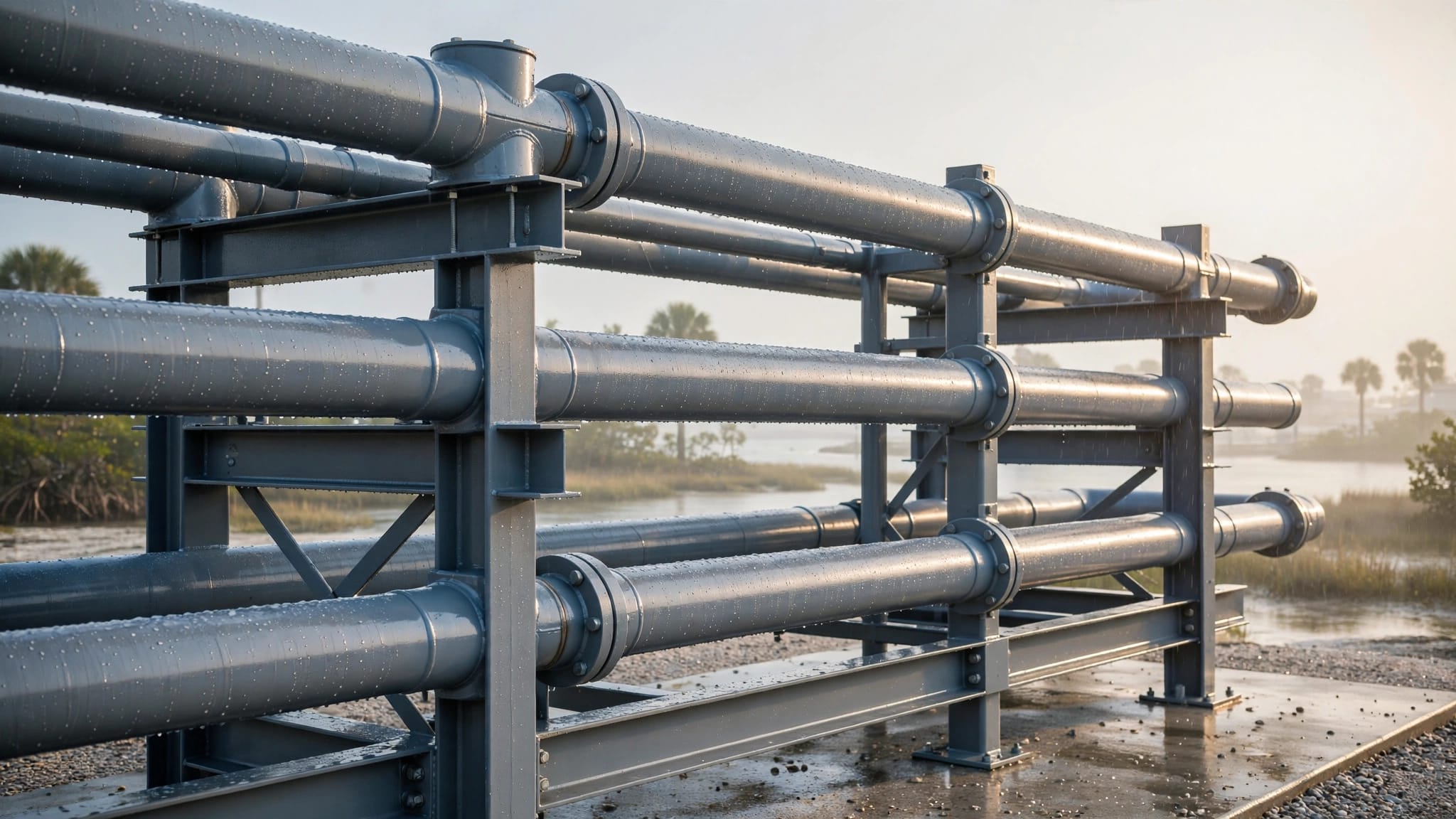
Persistent water needs attention too. A leaking line, failed seal, poor drainage, or damaged pipe jacketing can continue to wet a new coating. Our guide to inspecting piping for hidden corrosion explains why recurring moisture and deep pitting need further assessment.
Match the repair to the actual service
A coating exposed to occasional splashes faces different demands than one immersed in a chemical. Product selection depends on the chemical, its concentration and temperature, and the duration of contact. Cleaning agents can affect the repair as well.
For a containment area, the coating, repair compound, and joint sealant all need to suit their respective exposures. Our guide to protective coatings for concrete containment berms covers those system details.
Plan compatibility and surface preparation
A patch must bond to both the prepared substrate and the coating left around it. If the existing system is unknown, identifying it and establishing compatibility should be part of the scope. A trial area may help assess the proposed transition when appropriate, but it doesn't replace the product requirements or project specification.
The repair system must also fit the service. A product suitable for exterior steel isn't automatically suitable for tank immersion or a chemical containment floor. Primer, intermediate coats, and topcoat need to work together.
Prepare beyond the visible defect
Preparation may include removing loose coating, cleaning contaminants, and treating corrosion. Steel may require abrasive preparation to achieve the specified surface profile. Concrete may need mechanical preparation and repair of weak or damaged material.
The scope should describe how the contractor will prepare the edges where the repair meets the existing finish. It should also address joints, welds, and other details that affect coating continuity.
Control application and curing conditions
Surface temperature, humidity, ventilation, and moisture can affect application and cure. Condensation can form when the surface temperature approaches the dew point, even when the air feels warm.
The selected products' requirements should govern application conditions, coating thickness, recoat windows, and return to service. If contamination or deteriorated material remains under the new coating, a fresh finish can conceal a problem without correcting it.
Compare downtime and lifecycle cost
A localized repair may reduce the area taken out of service, but the project still needs time for preparation, application, inspection, and cure. A patch on an active floor may also require traffic restrictions or separation from nearby production.
Broader recoating can require more access equipment and a longer shutdown. However, coordinating it with an existing maintenance outage may reduce disruption compared with repeated visits.
Compare proposals on the same scope. Material price alone doesn't account for labor, containment, surface repairs, testing, cleanup, and the time before equipment can return to service. Future inspections and the consequences of another failure also belong in the decision.
Repeated small repairs can make sense when damage comes from isolated impacts and the rest of the system remains sound. When patches keep failing because the surrounding coating is deteriorating, their combined cost and disruption may favor a broader project.
What to ask for in a contractor's proposal
A useful proposal identifies the surfaces included, the damage to be repaired, and any areas excluded. It should describe the preparation method, coating products, required film build, application conditions, cure requirements, and inspection steps.
The scope should also address access, protection of operating equipment, containment, cleanup, and waste handling. Where structural repairs or tank interior work fall outside the coating project, those exclusions need to be clear.
Ask how the contractor will record repair locations and results. Product names, batch information, application dates, environmental readings, and inspection findings give your maintenance team a useful record for the next assessment.
For facilities in Southwest Florida, we offer industrial coating and inspection services. A site visit can help establish the condition of the asset and define a repair or recoating scope.
Choose the scope the coating can support
A localized industrial coating repair is appropriate when the damage is contained and the surrounding system provides a sound base. Widespread failure or recurring damage calls for a broader assessment and may justify recoating.
Base the decision on inspection evidence , not appearance alone. The right scope addresses the substrate and the cause of failure before a new coating goes on.
More featured articles...