Best Florida Lanai Ceiling Paint Near Pools
A lanai ceiling by a pool lives a hard life. Warm moisture rises, chlorine hangs in the air, and morning condensation can sit on the surface longer than you think.
That's why the best florida lanai ceiling paint usually isn't standard ceiling paint at all. For most screened pool enclosures in Florida, a high-quality exterior acrylic with mildew resistance gives the best mix of adhesion, color hold, and easy cleaning.
What poolside lanai ceilings need from paint
A ceiling near a pool doesn't fail from one big event. It fails from small, repeated stress. Humidity softens weak coatings. Condensation works into seams. Chlorine vapor and regular wipe-downs wear the finish. Then the sun adds heat, even in covered spaces.
Because of that, exterior-grade paint is the safest pick for most lanais. Regular interior ceiling paint often looks fine at first, then starts chalking, staining, or peeling early. Flat interior paint is the biggest risk. It hides flaws well, but it doesn't clean well, and it tends to hold mildew stains.
The sweet spot is usually a premium exterior acrylic or acrylic-latex coating with built-in mildew resistance. Acrylic stays more flexible in Florida heat, so it's less likely to crack or lift when the surface expands and contracts. It also stands up better to routine washing.
Finish matters too. A dead-flat finish can look nice on day one, but it's harder to scrub. On the other hand, semi-gloss can make every seam, patch, and ripple stand out overhead. Most homeowners do best with a low-lustre, matte exterior, or satin finish , depending on the surface condition.
Near a screened pool, treat the lanai ceiling like an exterior surface, not an indoor ceiling.
Timing also affects how long the job lasts. In Florida, a coating can feel dry while it's still soft underneath. If you want a better feel for moisture and dry-time risks, this guide on exterior paint cure times in Florida humidity is worth a look.
Best paint types and finishes for each lanai ceiling surface
The right paint depends on what the ceiling is made of. One product won't fit every lanai.
Here's a quick side-by-side guide:
| Ceiling surface | Best paint type | Best finish | Why it works |
|---|---|---|---|
| Painted drywall | Mildew-resistant exterior acrylic | Matte, low-lustre, or satin | Better moisture resistance than interior ceiling paint |
| Beadboard or wood | Exterior 100% acrylic over primer | Low-lustre or satin | Handles movement, cleans easier, resists peeling |
| Aluminum | Bonding primer plus exterior acrylic, or direct-to-metal coating | Satin | Sticks better to slick metal and wipes clean |
| Vinyl | Vinyl-safe exterior acrylic, primer if needed | Low-lustre or satin | Holds color well and handles frequent washing |
For painted drywall , keep sheen modest. If the ceiling has taped seams or patches, go with matte or low-lustre exterior paint. If the drywall is smooth and you expect frequent cleaning, satin can work. Still, don't go shinier than that.
With beadboard and wood , movement is the big issue. Florida heat and damp air make wood swell and shrink. A flexible exterior acrylic handles that better than brittle coatings. Satin often looks best here because it sheds grime without looking glossy.
For aluminum ceilings , adhesion is everything. Clean the surface well, dull any slick factory finish, and use a bonding primer when the label calls for it. After that, apply an exterior acrylic topcoat. Metal shows lap marks fast, so thin, even coats matter.
On vinyl , read the label before buying. Some paints don't bond well, and some aren't meant for vinyl at all. In most cases, a vinyl-safe exterior acrylic in a low-sheen finish is the safest route. White and light colors also help reduce heat stress.
The main takeaway is simple. The best florida lanai ceiling paint is the one that matches the substrate first, then the climate.
Prep, primer, and the mistakes that shorten paint life
Most paint failures start before the first coat goes on. Near pools, prep matters as much as the finish coat.
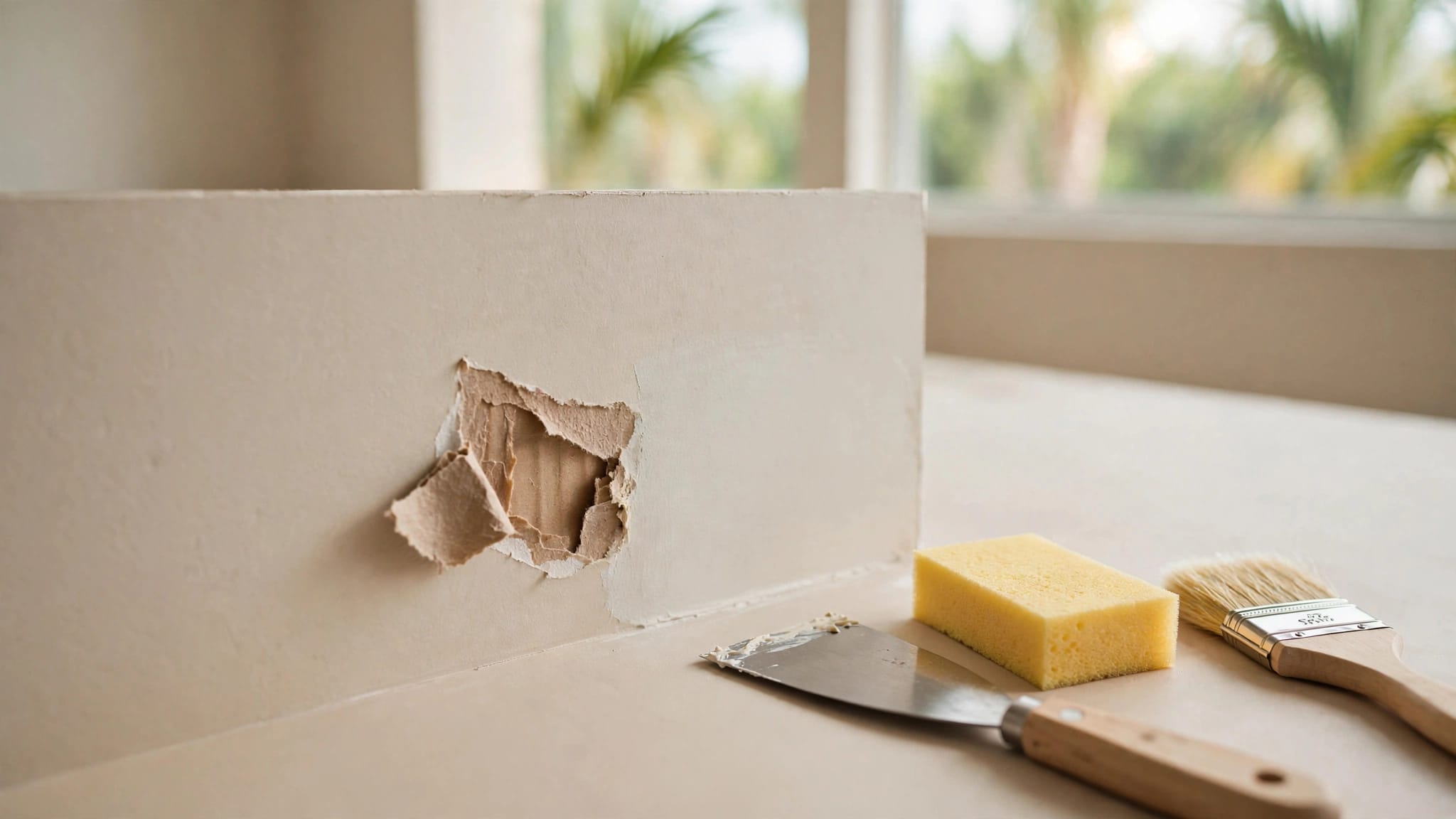
First, clean the ceiling well. Remove dust, sunscreen residue, bug marks, mildew spotting, and chalky paint. If mildew is present, kill it before painting. Don't coat over it and hope for the best. That only traps the problem.
Next, let the surface dry all the way through. In Florida, that takes longer than many homeowners expect, especially in beadboard grooves, drywall joints, and shaded corners. Painting over damp surfaces is one of the fastest ways to get blistering.
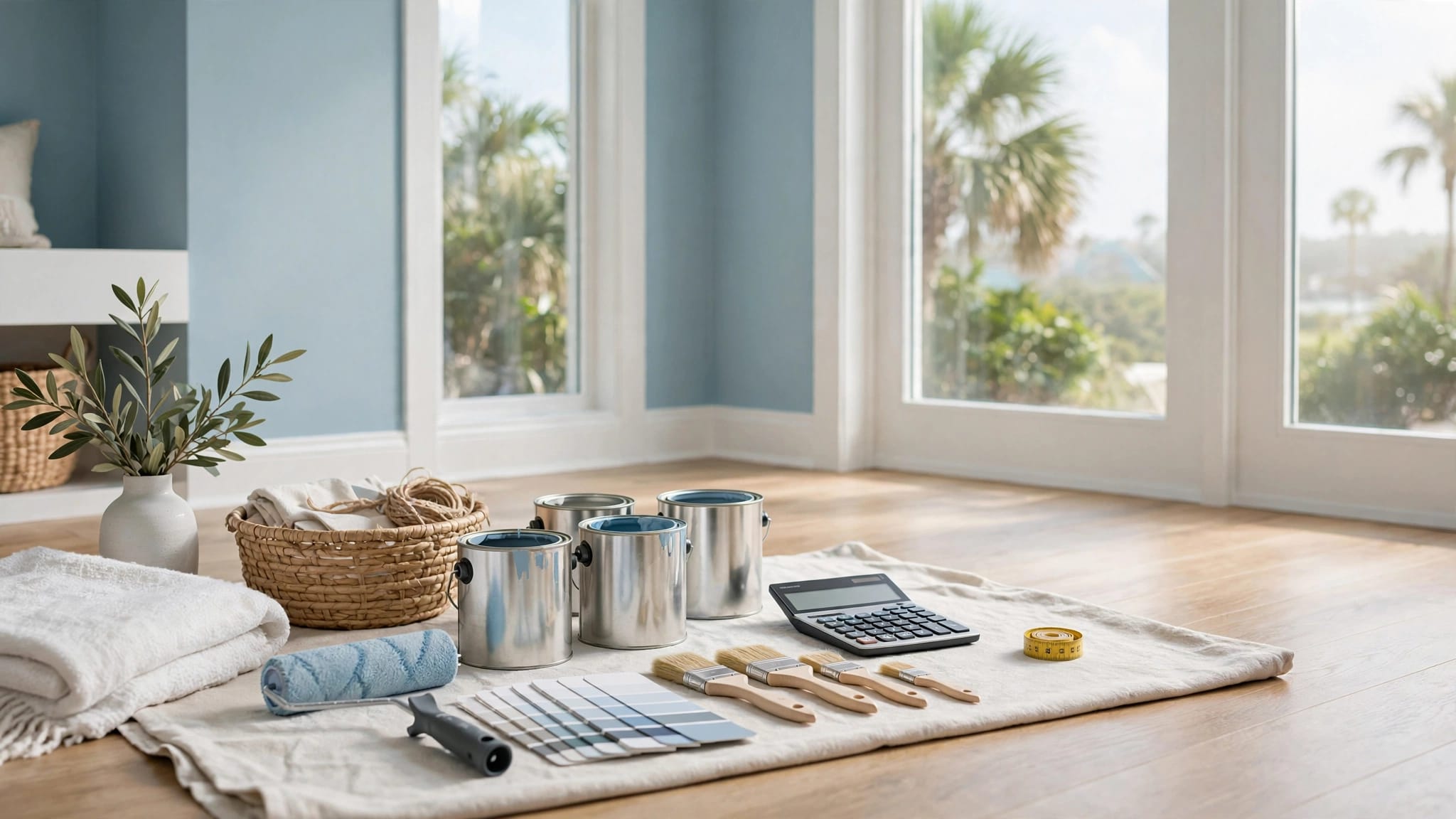
Primer is not optional when the ceiling has stains, bare spots, patched areas, slick metal, or past mildew trouble. A stain-blocking or mold-resistant primer helps the finish coat bond and look even. Current product examples homeowners often ask about include Kilz mold-resistant primers for problem areas and Sherwin-Williams Weather Shield as an exterior-grade topcoat option for humid Florida conditions. Those are examples, not the only good choices. What matters most is matching the primer and finish to the surface.
If you're hiring the work out, these prep tips for lanai and pool deck painting can help you spot whether the job scope is solid before the crew starts.
A few mistakes show up again and again in pool enclosures. Using interior bathroom paint outside is one. Applying heavy coats is another, because thick paint traps moisture and dries unevenly overhead. Painting too late in the day is also risky. Once evening dampness rolls in, cure time slows down fast.
One more thing trips people up: too much shine. A glossier finish sounds easier to clean, but it also throws light around like a mirror on the ceiling. If you're comparing sheen levels, this best paint sheens for humid Florida homes gives a helpful breakdown of how shine affects washability and surface flaws.
The best results come from light, even coats, good dry time, and realistic product choices. Florida heat rewards patience and punishes shortcuts.
A poolside lanai ceiling needs more than a pretty white paint. It needs a coating that can handle moisture, mildew pressure, chlorine in the air, and regular cleaning without peeling early.
Choose the paint for the surface first, stick with exterior-grade acrylics for most lanais, and don't rush the prep. If your ceiling is already spotting, blistering, or flaking, now's the time to fix the cause before another coat goes up.
More featured articles...