How Sprinkler Overspray Damages Exterior Paint in Southwest Florida
Picture this. Your morning coffee brews while sprinklers soak the lawn. Water mists the house walls too. At first, it seems harmless. Over months, though, that sprinkler overspray damage creeps in. Paint fades, bubbles, and peels faster than you'd expect.
Southwest Florida homeowners deal with this often. Daily irrigation keeps landscapes green amid intense sun and humidity. Yet constant wetting harms exterior finishes. You notice streaks or soft spots sooner than inland spots. This guide explains the process, spots trouble early, and shares fixes to protect your investment.
What Happens When Sprinklers Hit Exterior Paint
Sprinklers don't just wet the grass. They spray walls with fine droplets. Those land on stucco, siding, or trim. In Southwest Florida, systems run often because rain doesn't always cooperate. Hard water leaves mineral deposits. Reclaimed water adds salts and organics.
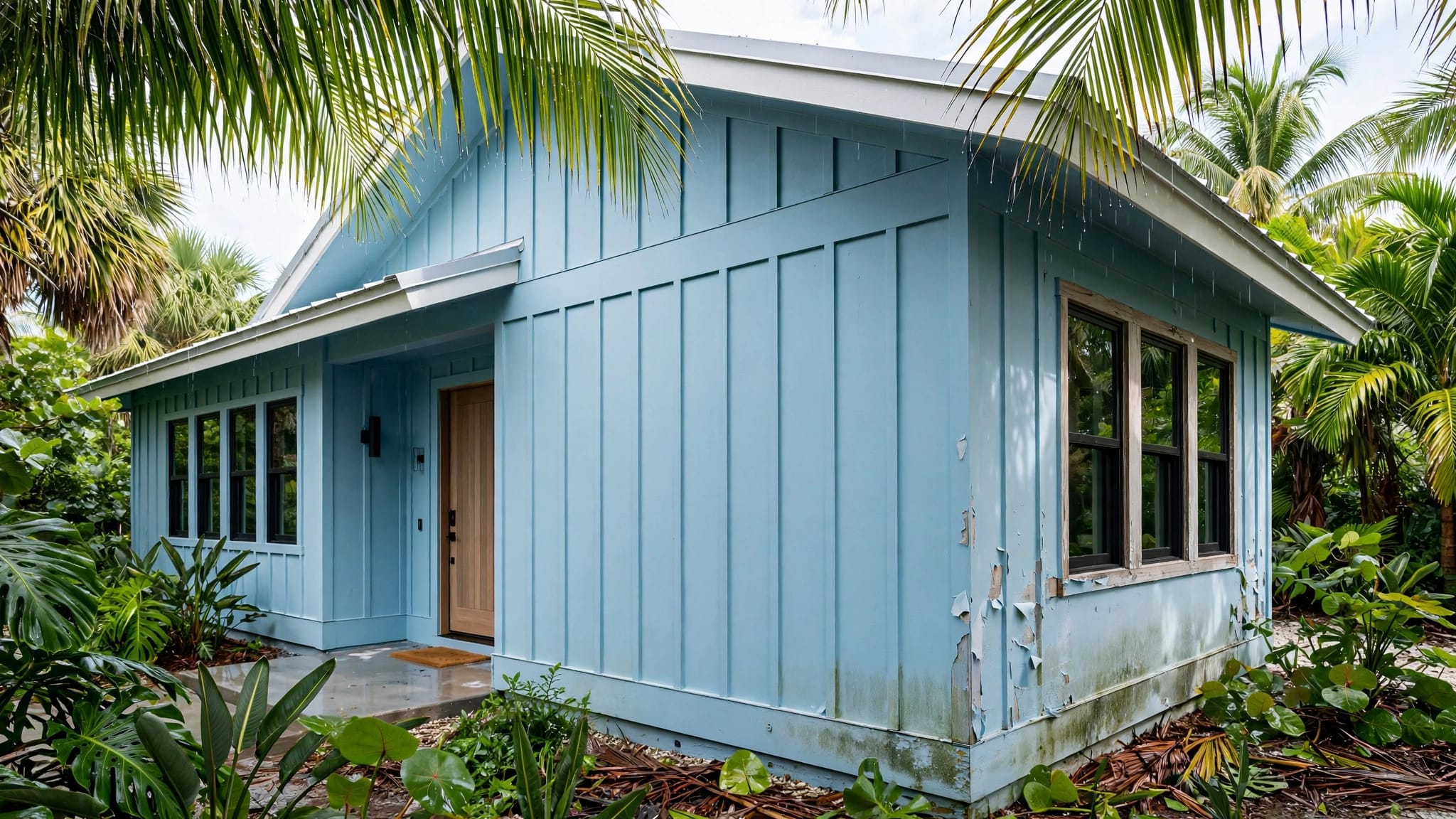
Water soaks into tiny pores first. Paint films aren't waterproof seals. They let vapor pass but hate standing liquid. Constant moisture softens binders. UV from our strong sun then breaks them down faster. As a result, chalking starts. Rub your hand on a wet spot; white powder appears.
Humidity traps that dampness longer here. Nights stay muggy, so walls dry slow. Bacteria and algae grow in the film. They stain and weaken adhesion. Eventually, edges lift. Paint flakes off in sheets. It's like sugar dissolving in repeated splashes; the coating loses grip bit by bit.
Frequent cycles speed failure. A sprinkler head aimed wrong hits the same baseboard daily. Lower walls suffer most. Trim around doors catches extra mist too. Without fixes, a five-year paint job needs touch-up in two.
Common Signs Your Paint Suffers from Overspray
Spot trouble before it spreads. Look for white streaks first. Hard water minerals build up. They etch the surface over time. Colors dull next, especially light shades.
Blistering shows up in humid spots. Water pushes under the film. Bubbles form, then burst. Peeling follows at edges or seams. Check after rain; damp patches linger.
Mildew rings appear black or green. Our warm air feeds spores. Sprinkler water keeps surfaces ideal for growth. Salt air worsens it near beaches. For more on salt air effects on exterior paint, see how coastal breezes team up.
Cracking happens on flex points. Wet-dry shifts stress stucco. Hairline lines widen. Rust stains bleed through if metal backs the area. Test with a hose; if water beads wrong or soaks in, damage lurks.
Early signs save money. A quick walk-around reveals patterns. Base of walls tells the story most.
Why Southwest Florida Amplifies Overspray Problems
Our climate hits hard. Intense sun bakes walls dry fast, but humidity rebounds quick. Sprinklers add to the wet phase. Frequent irrigation runs counter that drying.
Salt air drifts inland from Fort Myers to Naples. It mixes with water, corroding faster. Reclaimed systems common here carry extra minerals. They crust on paint like fine sandpaper.
Hard water leaves calcium spots. They trap dirt and block breathability. Stucco pores clog; moisture stays trapped. Combine with afternoon storms, and walls cycle wet often.
South-facing exposures fade quickest. Heat expands paint, water contracts it. Cracks form easier. Shaded north sides mildew more because drying lags.
Local lawns demand water. Drought rules push daily runs. Adjust heads poorly, and house pays. Businesses with big properties see it too; commercial walls streak same way.
Steps to Prevent Sprinkler Damage to Your Paint
Adjust irrigation first. Aim heads down or use deflectors. Low-volume drip works best for beds. Turn off zones near house during peak sun.
Install barriers. Plastic shields or river rock mulches block mist. Check quarterly; plants grow, heads shift.
Clean early and often. Gentle rinse removes minerals before they etch. Avoid high pressure; it drives water deeper. For drying tips after washing, review wait times after pressure washing before painting.
Choose tough paints. Acrylic masonry types resist wetting better. Elastomeric bridges minor cracks. Prime porous spots heavy.
Seal joints tight. Fresh caulk stops water entry. Our exterior caulk guide for Southwest Florida windows shows best picks.
Repaint smart. Plan every 5-8 years here. See stucco repainting schedules in Southwest Florida for timelines. Pros handle prep right.
| Prevention Step | Why It Helps | How Often |
|---|---|---|
| Redirect sprinklers | Cuts direct hits | Check monthly |
| Gentle wall rinse | Clears minerals | Every 3 months |
| Caulk trim joints | Blocks entry | Yearly inspect |
| Quality repaint | Stronger film | Every 5-8 years |
These habits extend life. Small effort beats full redo.
Repairing Overspray Damage Before It Worsens
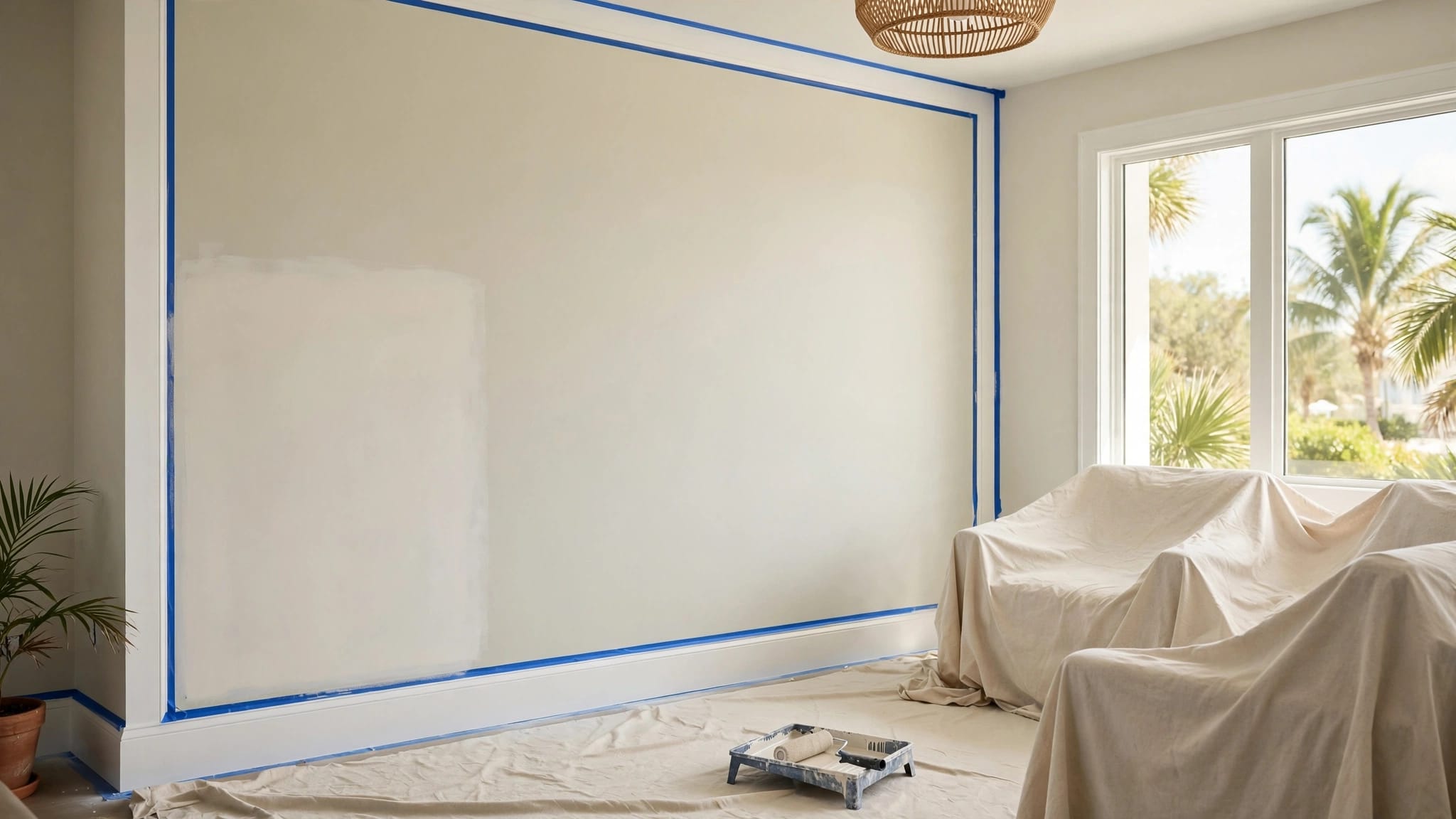
Scrape loose paint gentle. Sand edges smooth. Wash residue away; let dry full.
Patch cracks small. Use flexible filler. Prime bare wood or stucco heavy. Top with two coats acrylic.
For bad spots, full section redo. Match existing sheen. Our teams follow Southwest Florida exterior paint processes for clean results.
Humidity slows cure here. Wait longer before wetting again. Test moisture first.
DIY small areas. Call pros for walls or stucco. They spot hidden issues like poor drainage.
Keep Your Paint Strong Year-Round
Sprinkler overspray damages paint through constant wet-dry stress. In Southwest Florida, sun, humidity, and salts make it worse. Watch for streaks, blisters, and mildew early.
Adjust systems, clean regular, and seal smart. Quality products and timely repaints protect best. Your home stays sharp longer.
Ready to check yours? Schedule a free onsite estimate. Catch issues now, save later.
More featured articles...