Paint Coat Drying Time in Florida Humidity: How Long to Wait
In Florida humidity, the safe wait between paint coats is usually longer than people expect. A wall can feel dry and still hold moisture underneath, especially after rain, morning dew, or a long stretch of muggy weather.
That hidden moisture is where many paint jobs go wrong. If you rush the next coat, you can get soft spots, poor adhesion, or a finish that looks fine for a week and fails later.
Why humidity changes the clock
Paint dries because liquid leaves the film. In dry air, that happens faster. In humid air, the air already holds a lot of moisture, so evaporation slows down.
That matters even more in Florida. Morning dew, warm walls, and afternoon storms all stretch the paint coat drying time . What feels "good enough" to the touch may still be too soft for another layer.
Oil-based paint behaves differently from latex or acrylic. It does not rely on water, but it still needs time for solvents to flash off and for the coat to harden. High humidity slows that process too.
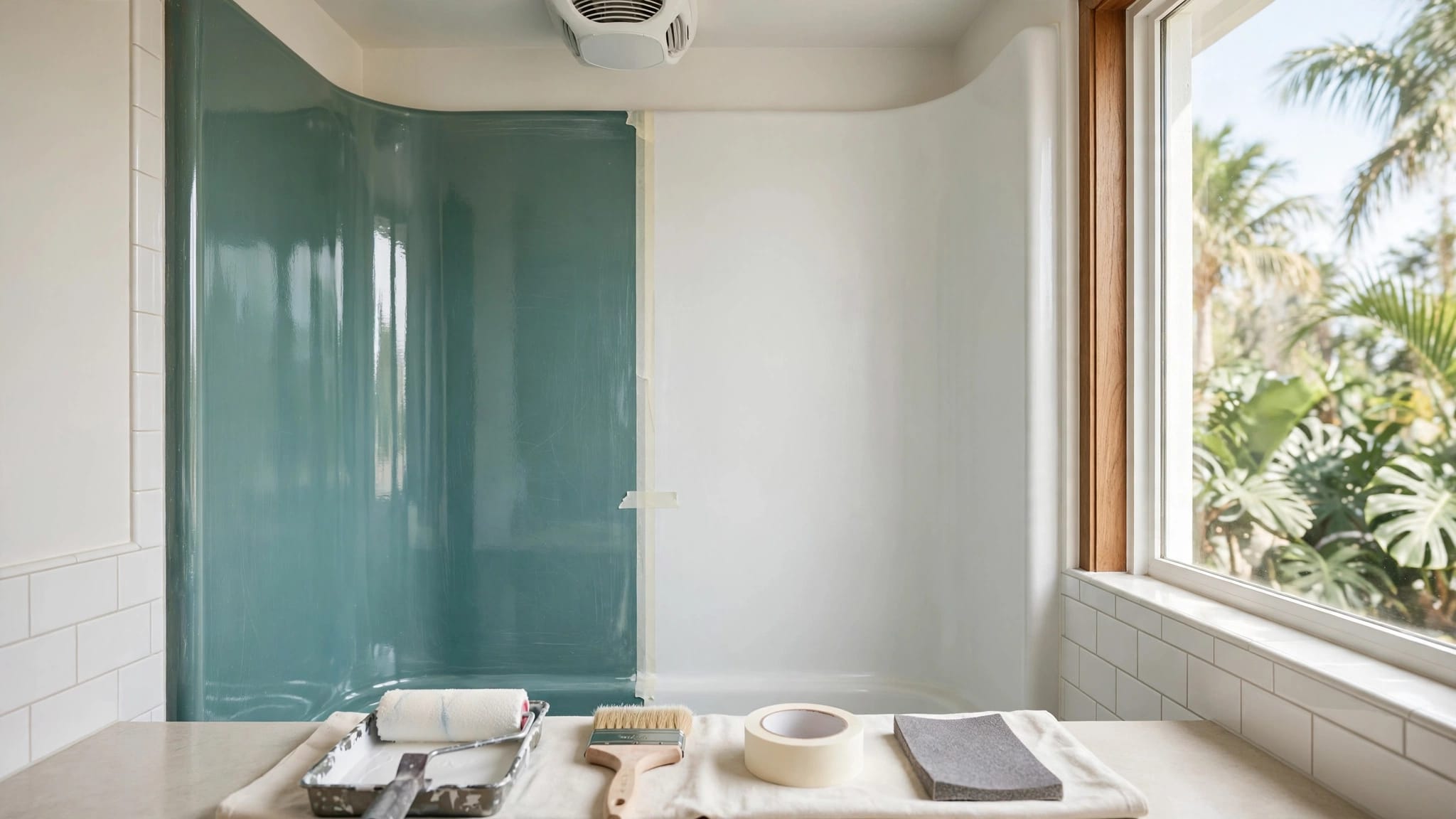
If the surface still feels cool, tacky, or slightly soft, it needs more time before the next coat.
Realistic recoat windows for Florida homes
Paint labels give you a starting point, but Florida weather often pushes the clock back. The ranges below are more realistic for homeowners and DIY painters.
| Paint type | Typical wait in easier conditions | More realistic wait in Florida humidity | Best fit |
|---|---|---|---|
| Latex or acrylic interior | 2 to 4 hours | 4 to 8 hours, sometimes overnight | Walls and ceilings |
| Latex or acrylic exterior | 4 to 6 hours | 6 to 12 hours, or the next day | Siding, stucco, trim |
| Oil-based interior | 6 to 8 hours | 12 to 24 hours | Trim, doors, cabinets |
| Oil-based exterior | 12 to 24 hours | 24 hours or more | Doors and detailed trim |
These are practical ranges, not promises. Thick coats, poor airflow, cool rooms, and damp surfaces all slow things down.
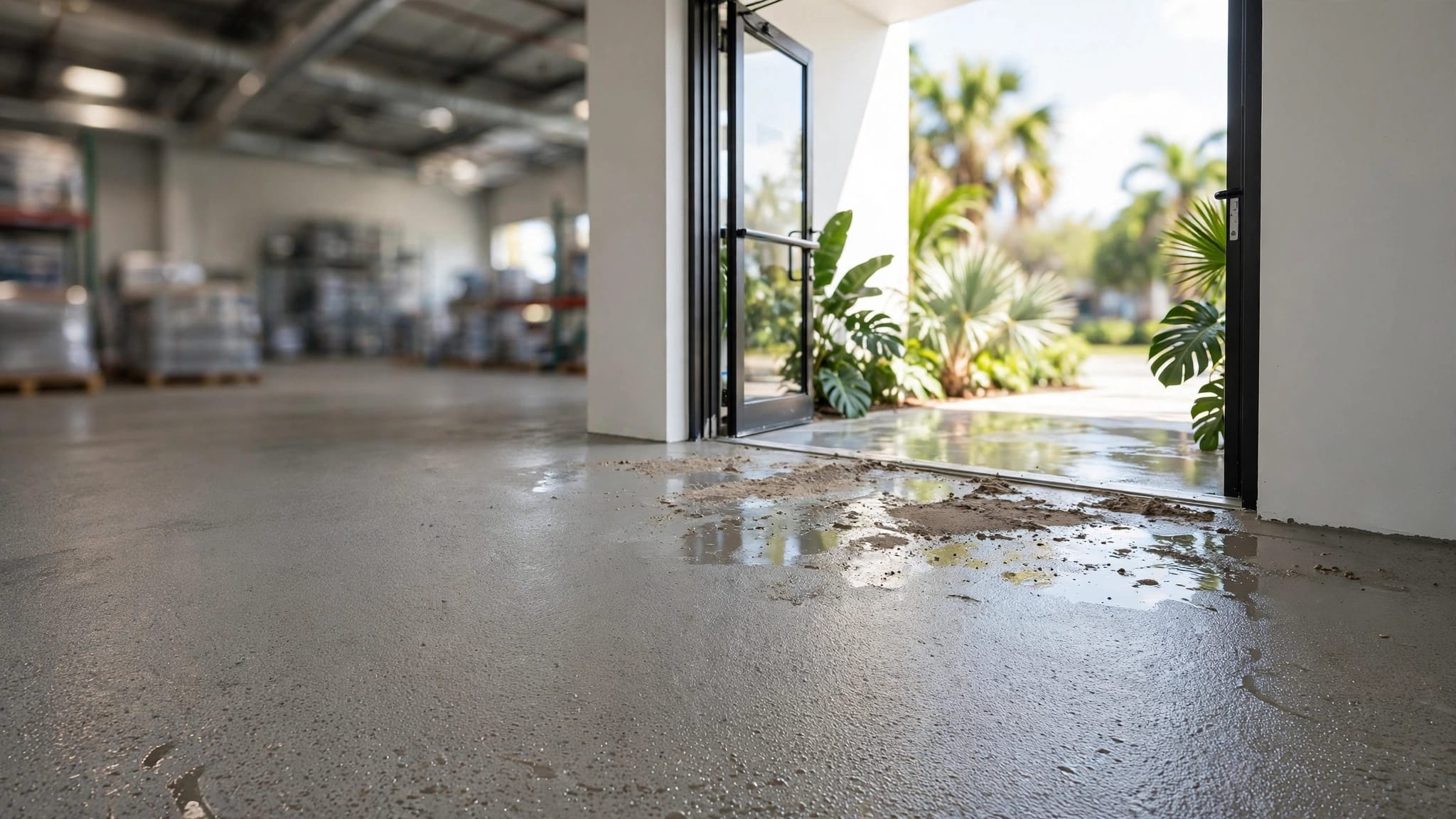
For exterior jobs in Southwest Florida, prep matters just as much as timing. If the surface was recently washed, how long to wait after pressure washing before painting in Florida is a helpful place to start. Wet substrate under fresh paint causes trouble fast.
Interior rooms, exterior walls, and why they dry differently
Interior painting gives you more control, but humidity still sneaks in. Bathrooms, laundry rooms, kitchens, and closed-up rooms hold moisture longer than you think. Even with air conditioning running, the air can stay damp after a rainy day.
For interior latex or acrylic paint, many people can recoat in the same day if the room is cool and dry. In Florida, it's smarter to plan for longer. If the room feels sticky or the paint has a slight drag, wait. Fans and AC help, but they need time to move damp air out.
Exterior jobs are harder. Florida sun can warm the surface fast, then afternoon humidity rolls in and slows everything down again. The best painting window is often after dew lifts and before the air gets heavy. That may mean late morning or early afternoon, depending on the day.
If you're repainting stucco, moisture under the surface matters even more. Testing stucco moisture before painting in Florida can save you from peeling or bubbling later. On coastal homes, that check is worth the extra few minutes.
For exterior projects, timing also ties into the finish you choose. Some products handle heat and wet air better than others, so best exterior paint finishes for Southwest Florida sun and rain is worth reading before you start.
How to help paint dry faster without ruining the finish
You can't control the weather, but you can help the paint dry the right way. The goal is steady airflow and lower indoor moisture, not speed for its own sake.
Use these simple steps:
- Run the air conditioner if you're painting inside. Cooler, drier air helps water leave the paint.
- Add a dehumidifier in closed rooms. It helps most during summer and rainy stretches.
- Use fans to move air across the space, not straight at one wet spot.
- Paint during the lower-humidity part of the day, often late morning after dew lifts.
- Keep windows closed if outdoor air feels damp.
- Apply thinner, even coats. Heavy coats take longer and stay soft underneath.
- Watch the forecast before exterior work. A clean, dry day is better than a rushed afternoon.
These steps help, but they do not make wet paint ready on command. If the first coat feels tacky, no amount of optimism changes that.
Signs the next coat is ready
A timer helps, but your eyes and hands matter more. Before recoating, look for these signs:
- The surface feels dry, not cool or sticky.
- Light pressure leaves no fingerprint.
- The sheen looks even, with no wet-looking patches.
- Edges and trim do not feel soft when you test them gently.
If you are unsure, wait longer. Extra time is usually cheaper than fixing a bad finish. That is especially true in Florida, where humidity can make a coat look ready long before it really is.
Conclusion
Florida humidity does not stop a paint job, but it does change the schedule. Latex and acrylic usually recoat sooner than oil-based paint, yet both need more patience when the air is damp.
The safest move is simple: watch the weather, keep airflow moving, and give each coat the time it needs. When the surface is dry to the touch and fully set, the finish has a much better chance of looking clean and lasting longer.
More featured articles...