How to Prepare Concrete for Industrial Coatings
A durable industrial coating starts with concrete that is clean, sound, dry enough for the selected system, and textured to its requirements. Concrete surface preparation is a sequence of inspection, testing, cleaning, repair, profiling, and final checks, not a quick rinse before application.
When preparation misses oil, weak concrete, moisture, or an unsuitable surface profile, the coating may lose adhesion or fail early. A clear plan ties each step to the coating system and the facility's conditions.
Inspect the Concrete Before Work Begins
Preparation starts by finding out what is on the slab and what condition it's in. The concrete's appearance can point to problems, but inspection and testing help identify issues a coating could conceal.
Map the slab's condition
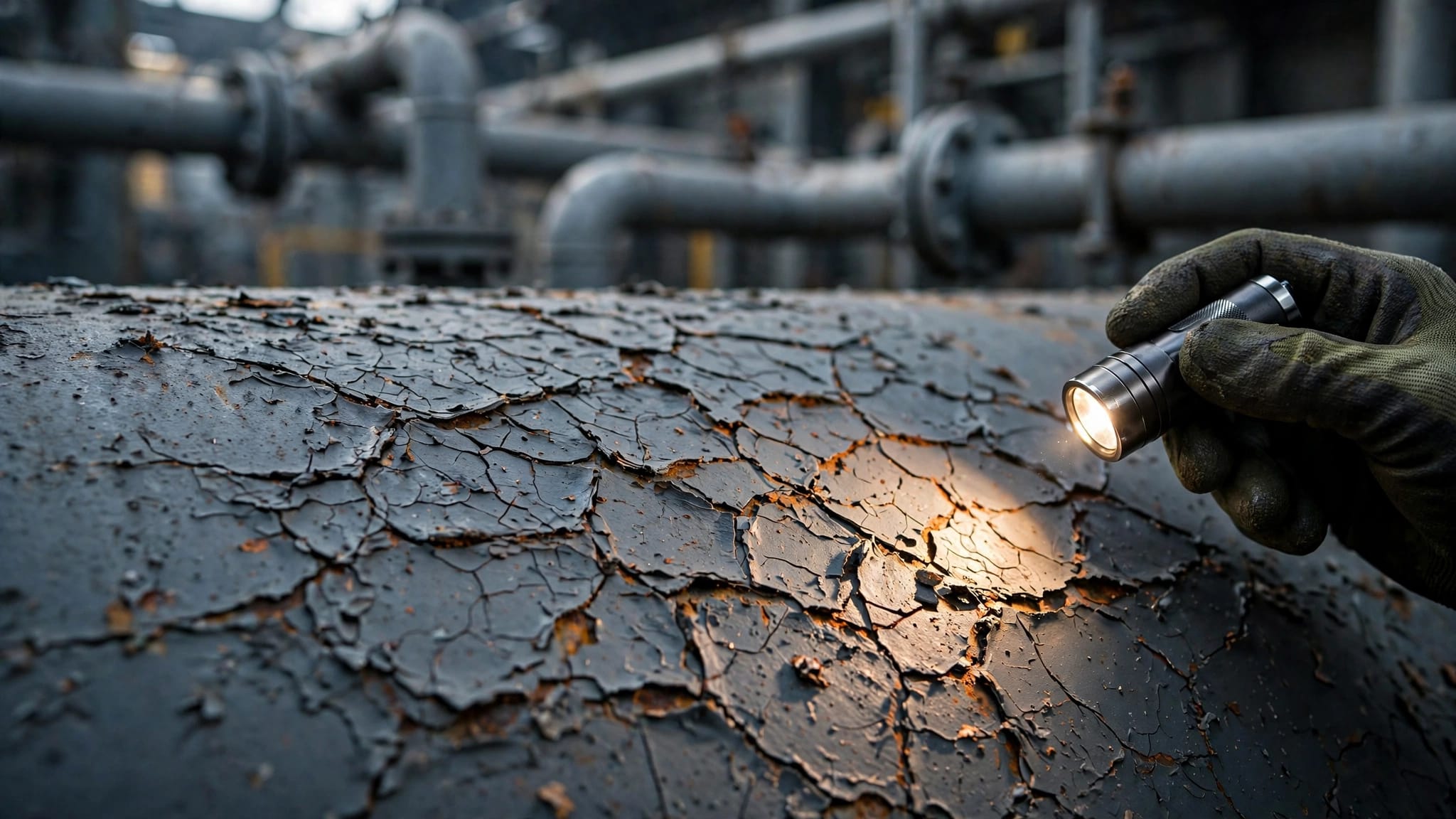
Look for cracks, spalls, low spots, deteriorated joints, hollow areas, previous repairs, and failing coatings. Note where damage occurs and whether it appears active or stable. Coating over damaged concrete won't correct movement or structural problems, and large or unstable areas may need concrete work before coating preparation proceeds.
Identify possible contaminants as well. Oil, grease, chemical residue, curing compounds, sealers, and old coatings can block adhesion or remain in the concrete's pores. A floor that looks clean may still have residue that needs treatment.
Establish the project requirements
Before choosing a preparation method, define the full coating assembly and its service conditions. An epoxy system in a warehouse may call for different preparation and repairs than a chemical-resistant lining in a containment area.
The work scope should describe the preparation method, repairs, required surface profile, and inspection points. Comparing complete systems makes it easier to understand how the product and preparation fit together. Our guide to choosing a concrete coating for a warehouse discusses why those requirements vary among coating types.
Test Moisture and Consider Site Conditions
Moisture testing matters because concrete can look dry while water vapor moves through the slab. If moisture exceeds the selected coating's limits, the coating may blister, peel, or lose adhesion.
Use a test that fits the coating
Project requirements may call for in-situ relative humidity testing, calcium chloride testing, pH testing, or another specified method. ASTM F710 may apply to concrete floor evaluation. ASTM D4263, the plastic-sheet method, can indicate moisture, but it is qualitative and doesn't provide every measurement a coating system may require.
Testing should produce documented results, with the method and test locations recorded. The project's acceptance limits should come from the coating requirements and specifications. If readings fall outside those limits, the plan may need compatible moisture mitigation or correction of the underlying cause before coating.
Account for weather and operations
Temperature, humidity, ventilation, and rain exposure affect application and curing conditions. In Southwest Florida, humidity and rain can complicate scheduling, while salt exposure may matter at some facilities. Active leaks, poor drainage, or water intrusion need attention before the coating goes down.
Coordinate preparation with facility operations, too. Grinding and blasting create dust and noise, and work areas may need containment or access controls. The schedule should leave time for testing, repairs, coating application, and required cure periods before traffic returns.
Remove Contaminants and Unsound Material
Coatings need contact with prepared concrete, not oil, residue, loose coating, or weak surface material. The removal method should match both the contaminant and the coating system.
Clean oil, chemicals, and residue
Use cleaners and procedures compatible with the planned coating to remove grease, oil, and chemical contamination. Contaminants can remain in pores or damaged areas, so a quick wash may not be enough. If residue remains after cleaning, further treatment or removal of affected concrete may be needed.
Pressure washing can remove some dirt, but it may not remove weak concrete or create the required texture. Acid etching is also not a substitute for mechanical preparation when the project calls for mechanical profiling. The preparation scope should name the contaminants being addressed and explain how the crew will remove them.
Remove failing coatings and weak concrete
Existing coatings that are loose, peeling, or incompatible with the new system need removal. Grinding or shot blasting can remove old coatings, laitance, and weak surface material while preparing the slab for the next step.
The amount of removal depends on the condition of the floor and the system requirements. For a concrete containment area, preparation and repairs must also account for the exposure and the coating's intended use. See our guidance on preparing concrete berms for protective coatings.
Mechanically Prepare the Surface Profile
Mechanical preparation removes unsuitable surface material and creates texture for the coating to bond with. The target profile depends on the coating product and the project specification.
Select the required profile
ICRI 310.2R-2013 describes concrete surface preparation for coatings, sealers, polymer overlays, and repairs. Its Concrete Surface Profile benchmarks range from CSP 1 through CSP 10. The project should specify the profile required by the selected system, rather than treating one profile as right for every coating.
Grinding and shot blasting are common mechanical methods, but the choice depends on the concrete, remaining coating, access, and the specified profile. A heavily coated or damaged slab may need more extensive preparation than sound, uncoated concrete.
Inspect the prepared texture
After mechanical work, assess the surface against the project's profile and cleanliness requirements. The texture should be consistent with the coating specification, including at edges, around repairs, and in areas where equipment had limited access.
Preparation standards describe different methods, not a universal recipe. For example, concrete-cleaning, abrasion, and acid-etching practices address distinct work. The project scope should identify the applicable approach and acceptance criteria. A vague instruction to "clean and coat" doesn't define the surface the coating needs.
Repair Cracks, Joints, and Surface Defects
Repair work should address defects without creating compatibility or movement problems. Use materials suitable for the concrete, the exposure, and the planned coating system.
Repair spalls, voids, and damaged areas
Remove loose concrete around spalls and deteriorated edges, then repair the area with compatible materials. Cracks and voids may need preparation before filling, and repair products need enough time to reach the condition required for coating.
The scope should identify repair locations and materials, especially when the floor has several types of damage. Coating over a weak patch or an unstable repair can lead to a failure that looks like a coating problem but starts below the finish.
Treat joints and active cracks appropriately
Deteriorated joints require repair, but moving joints shouldn't automatically be filled as if they were static cracks. The repair and coating details need to accommodate the joint's function and the system's design.
Active cracks or widespread damage may need evaluation beyond routine coating preparation. A coating can protect a sound, prepared slab, but it can't stop structural movement. Our article on parking garage concrete preparation and coatings covers preparation considerations for concrete floors in a demanding facility setting.
Remove Dust and Confirm Readiness
Dust left after grinding can interfere with adhesion. The final inspection should confirm that the preparation work meets the written scope before anyone mixes or applies coating.
Clean the slab after profiling
Use appropriate vacuuming and dust-control methods to remove loose particles and debris. Inspect corners, joints, repair edges, and areas around equipment, where residue can collect. If cleaning or additional work disturbs the surface, remove the resulting dust before coating.
Where the specification requires testing for water-soluble salts, use the specified method and acceptance limits. Salt levels shouldn't be judged against a general number that may not apply to the coating or facility.
Record the acceptance checks
A readiness review can document surface cleanliness, profile, repair condition, moisture results, and environmental readings as required by the project. Each result should connect to a location and a pass or corrective action. If an area fails, document the re-cleaning or re-preparation, then inspect it again before coating.
This record also helps coordinate later quality checks. Depending on the system and contract, inspections may include film thickness, recoat timing, and final appearance. Our industrial coating inspection checklist offers related guidance on documenting coating work.
Key Takeaways
- Start with inspection and testing, since visible cleanliness doesn't establish moisture condition or surface profile.
- Remove oil, chemical residue, old coatings, curing compounds, and weak concrete using methods suited to the contaminant and coating system.
- Match mechanical preparation and the required concrete profile to the product specification.
- Repair cracks, spalls, and deteriorated joints with compatible materials, while accounting for movement.
- Remove dust and document readiness checks before application.
- Plan around site conditions, ventilation, access, and the coating's application and cure requirements.
Frequently Asked Questions
Is pressure washing enough to prepare concrete for an industrial coating?
Pressure washing can remove some surface dirt, but it may not remove weak concrete, embedded contamination, or old coatings. It also may not create the profile the coating needs. The specified preparation method depends on the slab's condition and the coating system.
Which concrete surface profile should an industrial floor have?
There isn't one profile that suits every coating. ICRI's CSP benchmarks run from CSP 1 to CSP 10, and the project documents should identify the profile appropriate for the selected product and service conditions.
Can concrete be coated if a moisture test shows elevated readings?
The coating should meet its moisture requirements before application. If test results exceed the system's limits, address the moisture source or specify a compatible mitigation approach. A primer and a dedicated moisture-control layer aren't automatically interchangeable.
Should cracks and joints be filled before coating?
Some cracks and defects need repair, but joint treatment depends on whether the joint moves and how the coating system handles it. Repairs should use compatible materials and follow the project details.
Prepare for the Coating, Not Just the Application
Industrial coating performance depends on the condition of the concrete beneath it. A sound preparation plan identifies contamination and moisture, creates the specified profile, repairs defects, removes dust, and records acceptance before application.
When each step matches the coating system and the facility's conditions, the crew can begin with a surface that's ready for the work ahead.
More featured articles...