How to Plan Industrial Coating Around a Plant Shutdown
Plan industrial coating work during a plant shutdown by working backward from the time each asset must return to service. The schedule needs room for preparation, repairs, application, inspection, and full curing , not just the time a crew spends applying coatings.
That takes coordination between your operations team and the painting contractor before equipment goes offline. A clear scope and a shared schedule give everyone a better chance of completing the work without rushing the restart.
Define the Coating Scope Before the Shutdown
A coating contractor needs more than a list of assets and a shutdown date. The scope should show where work begins and ends, what condition the surfaces are in, and what the finished coating must withstand.
Survey Each Work Area
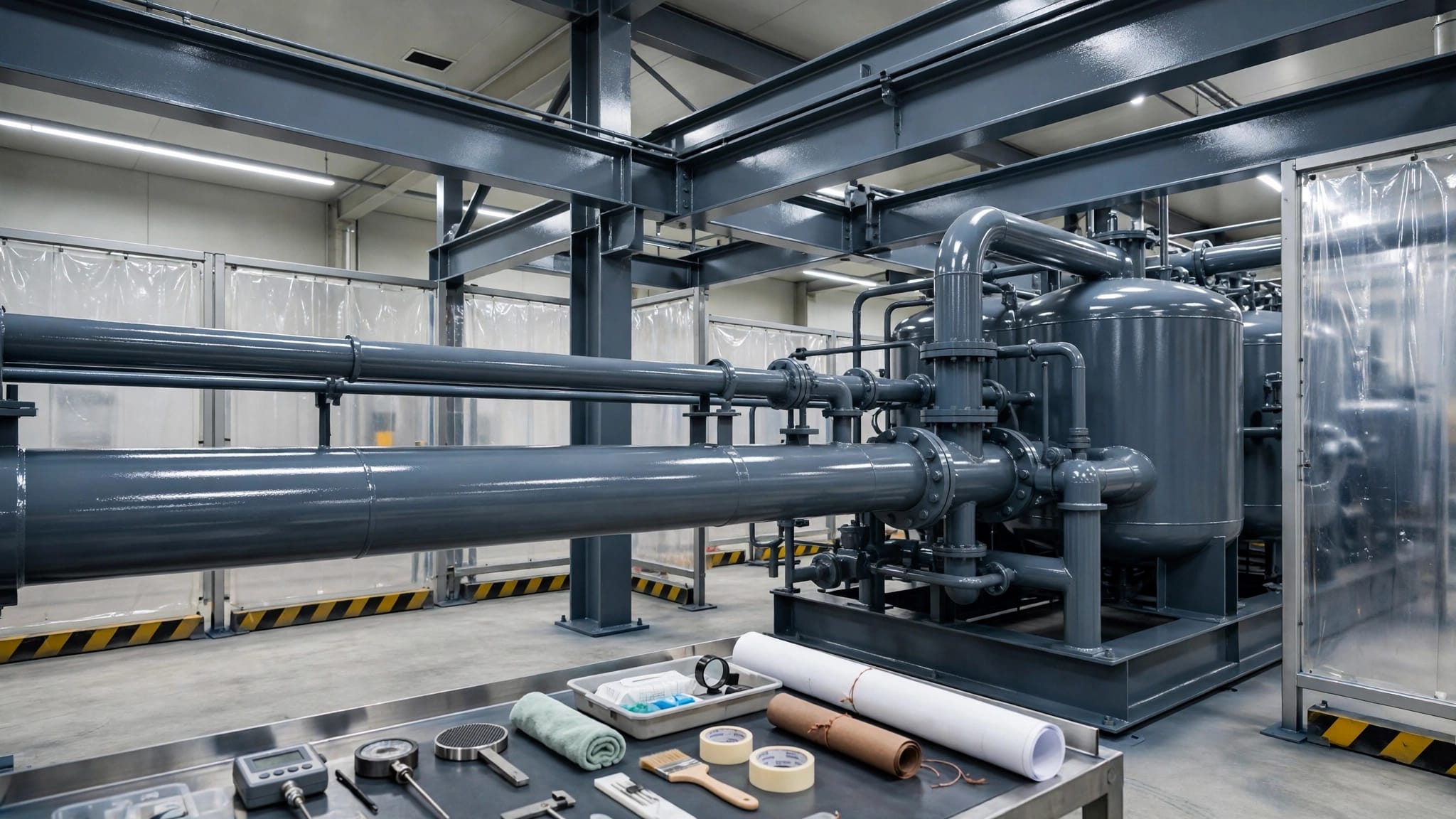
Walk the site with the contractor while areas are accessible. Identify the tanks, structural steel, piping, floors, or other surfaces included in the project. Mark their locations on drawings or photographs, and distinguish full recoating from localized repairs.
Record visible rust, peeling, cracks, contamination, and hard-to-reach areas. Some conditions may remain hidden until equipment is opened or old coating is removed, so the initial survey should also identify areas that need further assessment after shutdown.
Define Exposure and Exclusions
Tell the contractor how each surface is used. A floor exposed to forklift traffic has different demands than steel exposed to outdoor weather or a tank lining in contact with process materials.
The written scope should identify the service conditions, expected repairs, coating boundaries, and excluded work. It should also state who handles equipment removal, containment, waste disposal, and protection of adjacent assets. Our industrial coating inspection checklist can help your team organize condition observations before requesting proposals.
Coordinate Access and Equipment Isolation
Even a well-defined coating job can stall if another crew needs the same equipment or work area. Bring operations, maintenance, safety personnel, and contractors into the planning discussion before the schedule is fixed.
Establish Safe Access
Identify the scaffolding, lifts, lighting, ventilation, and entry routes needed for each area. Allow time for installation and removal, and agree on who supplies each item.
The plant must control equipment isolation through its applicable lockout/tagout procedures. Where confined-space entry applies, the work also needs the appropriate permit, monitoring, rescue provisions, and authorized personnel. Coating crews should begin only after the plant releases the area for safe work.
Sequence Work With Other Trades
Mechanical repairs, welding, blasting, and coating often compete for the same space. Arrange the work so repairs that generate heat, dust, or debris finish before final surface preparation and coating.
Also protect fresh coatings from nearby traffic and later maintenance work. Assign one person or team to coordinate changes between trades, including any revised access or restart times. A short handoff meeting at each shift change can keep crews aware of released areas and unfinished work.
Match Surface Preparation and Coatings to the Asset
Preparation and product selection affect both coating performance and the length of the shutdown. They need to be planned together rather than treated as separate purchases.
Specify Preparation and Repairs
The coating specification should identify the required cleaning method, surface condition, and surface profile where applicable. Some systems call for abrasive blasting; others permit specified power-tool preparation. Pressure washing alone doesn't create the profile required by every coating.
Address grease, soluble salts, loose material, corrosion, and damaged substrate as the specification requires. For steel, edges and welds may also need additional attention. Our guide to industrial coating surface preparation standards covers how to document and accept this work.
Plan containment, debris collection, and protection for nearby equipment. If the existing coating may contain hazardous material, arrange the appropriate assessment and controls before disturbing it.
Select a Complete System
Choose the primer, intermediate coats, and finish for the substrate and its expected exposure. The specification should also address compatibility with any sound existing coating that will remain in place.
For concrete floors, options include epoxy, polyurea, and polyaspartic systems. Their application and curing requirements differ by product, so compare the full system against the available window. Our guide to warehouse floor coating options explains several of those differences.
Build the Schedule Around Crews and Materials
The coating schedule should show when the contractor can enter each area, when other trades must be finished, and when the asset can return to its intended service. Work backward from that final milestone.
Put the Work in Order
Use the plant's shutdown plan to establish a sequence with clear release and acceptance points:
- Survey the assets, define the scope, and agree on the coating specification.
- Arrange materials, access equipment, permits, and inspection coverage.
- Isolate equipment and release each work area to the coating contractor.
- Complete repairs, cleaning, preparation, and preparation inspection.
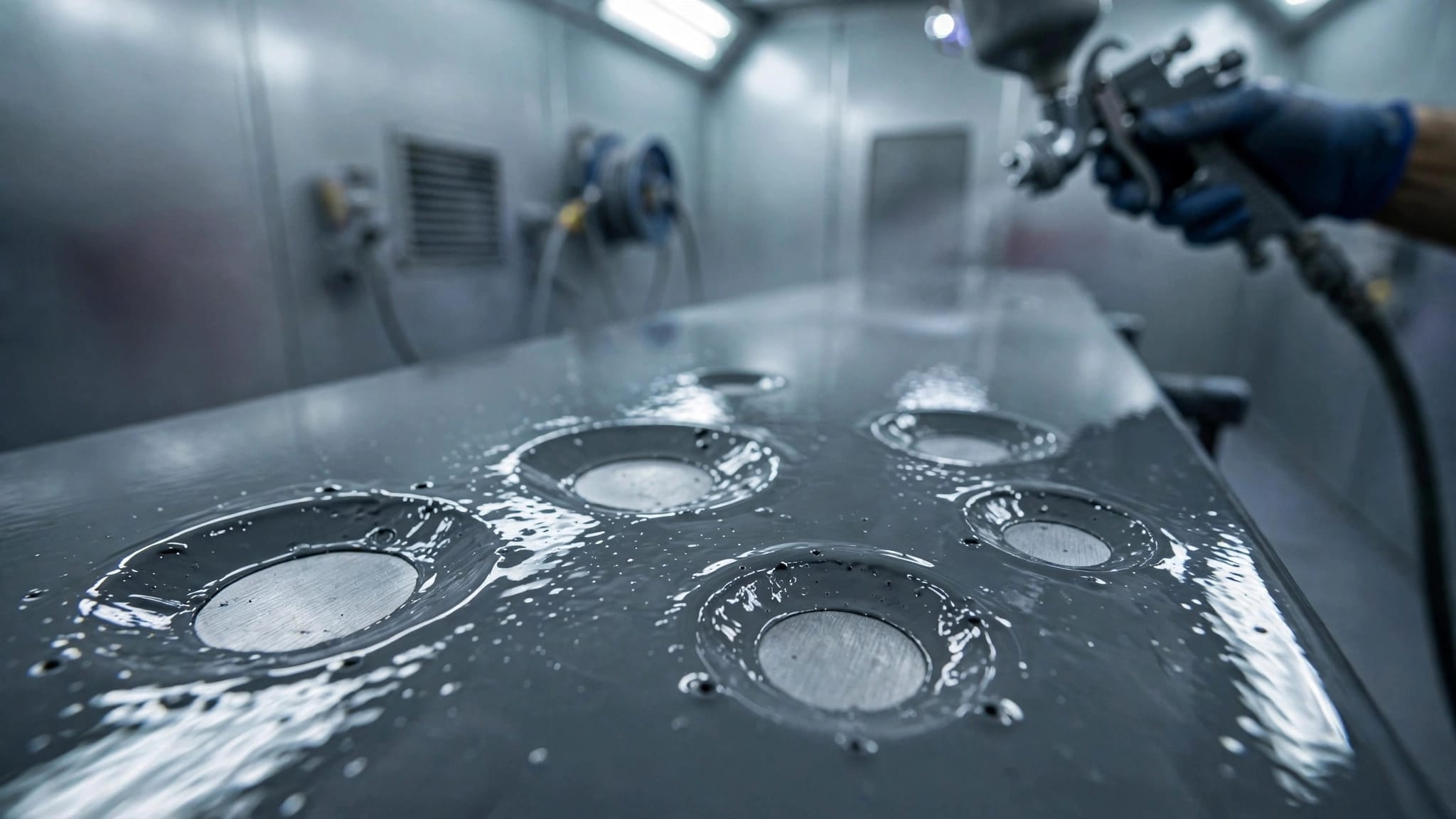
- Apply the specified coats within their required application and recoat windows.
- Complete curing, final inspection, corrections, and handover before restart.
Some areas may move through the sequence at different times. However, overlapping work only helps if crews can operate safely without contaminating or damaging another area.
Reserve the Resources
The contractor's schedule should account for preparation crews, applicators, inspectors, and any specialized equipment needed on each shift. Identify who can approve inspection results or resolve a condition that falls outside the scope.
Order coating materials, abrasives, masking, and repair supplies early enough for the planned work. Quantities should account for surface profile, application losses, and difficult geometry. Theoretical product coverage alone can underestimate what a project needs.
Store materials under the manufacturer's specified conditions, and keep batch information available for the closeout record.
Allow for Environmental Conditions and Cure
A coating can look ready long before it can tolerate traffic, washdown, heat, or process exposure. The schedule must include the conditions and time required for each stage.
Monitor the Surface, Not Just the Air
The specification or product instructions may set limits for air temperature, surface temperature, relative humidity, and the difference between surface temperature and dew point. Crews should record the readings required for the work and stop or adjust operations when conditions fall outside the permitted range.
In Southwest Florida, direct sun can heat steel above the surrounding air temperature. Morning moisture and changing humidity can also affect a surface that appears dry. Rain protection, ventilation, and overspray controls need to remain in place for the appropriate application and curing periods.
Separate Recoating From Return to Service
Dry-to-touch, ready-to-recoat, and ready-for-service are different milestones. The selected product's instructions determine when the next coat can go on and when the asset can accept its intended exposure.
Missing a recoat window can require additional preparation before application continues. Equally, starting equipment or washing a surface too early can damage a coating that hasn't cured enough for that use. Protect each area until it reaches the applicable service milestone.
Set Inspection Points Before Work Starts
Inspection should appear on the shutdown schedule as work progresses, not as a final walk-through added after the crew has finished. Agree on the inspection method, acceptance criteria, and person responsible for each hold point.
Inspect Preparation and Application
Before coating, document the substrate condition, completed repairs, surface cleanliness, and profile where required. Record the location and result of each check. If an area fails, identify the corrective work and inspect it again before coating begins.
During application, wet-film measurements can help crews control film build. Environmental readings, product batches, and application dates should also be recorded where the specification calls for them.
Check the Finished Coating
Final checks may include appearance, dry film thickness, and adhesion or discontinuity testing when specified. Too little coating can leave inadequate protection, while excessive thickness can cause product-specific curing or performance problems.
Our guide to measuring dry film thickness explains what those readings can and can't establish. A thickness gauge, for example, doesn't establish whether humidity and temperature were suitable during application. Keep those records separate and review them together.
Protect the Schedule With Contingencies
A shutdown plan should make room for problems that could delay acceptance. The goal is to decide how the team will respond before a delay puts pressure on the coating crew.
Reserve Time for Known Risks
Allow a contingency buffer for repairs discovered after cleaning, unsuitable weather, failed inspections, and re-preparation. The amount depends on the condition of the assets, access, exposure, and the work involved.
Identify which tasks control the restart date. If an unexpected repair affects one of those tasks, operations and the contractor can assess the effect on the schedule before making changes.
Avoid Common Scheduling Pitfalls
One common mistake is scheduling application as soon as equipment stops, without allowing for isolation, access setup, or mechanical work. Another is treating the last coat as the finish line while leaving no time for cure and inspection.
Avoid adding extra areas after the shutdown begins without assessing their effect on resources and restart. If the complete scope no longer fits, agree on which assets can be finished properly and which should move to a later maintenance window.
Hand Over the Work Before Restart
Handover gives operations a clear picture of what is complete, what remains restricted, and when each area can return to service. Walk the work with the contractor and responsible plant personnel before removing barriers or releasing equipment.
The closeout record should identify the areas coated, products and batches, preparation results, environmental readings, inspection findings, and completed repairs. It should also identify any unresolved items and the agreed plan for addressing them.
Keep those records with the facility's maintenance documents. They give future crews useful information when inspecting damage, planning repairs, or matching the existing system.
Plan for a Safe Return to Service
A workable shutdown schedule starts with the required return-to-service time and includes every step needed to reach it. Preparation, inspection, and cure all deserve space on the schedule.
At EFC, we provide industrial coatings and coating inspections across Southwest Florida. A defined scope and an agreed handover point help your team plan the work around the plant's operational needs.
More featured articles...