Hotel Painting in Naples Between Busy Seasons
Hotel painting in Naples fits between busy seasons when you work backward from reopening and release rooms in controlled phases. The schedule needs to protect return-to-service time , including preparation, repairs, coating application, ventilation, and inspection.
A gap in reservations doesn't automatically provide enough time for every surface on the property. Start with the rooms and areas you can take out of service, then build the painting sequence around their next scheduled use.
Key Takeaways
- Base the schedule on room availability, event commitments, and reopening milestones rather than a single completion date.
- Separate guest routes and staff operations from preparation, painting, and material storage.
- Protect time for repairs, weather interruptions, curing, and final inspections instead of treating those activities as spare time.
Build the Schedule Around Your Next Occupied Period
A useful hotel repainting schedule identifies when each area becomes available and when hotel staff need it back. The painter's finish date and the hotel's reopening date shouldn't be the same milestone.
Work Backward From Readiness
Start with the first scheduled guest arrival, banquet, restaurant service, or pool-area reopening. Then reserve time before that commitment for inspection, corrections, housekeeping, and furniture placement.
Work backward again through coating application, required intervals between coats, repairs, and cleaning. Include access equipment setup and removal for exterior work.
Give weather-sensitive elevations and surfaces with uncertain conditions additional flexibility. Don't place the most complicated exterior phase immediately before a fixed reopening commitment. Our guidance on scheduling an occupied commercial repaint explains how phased and after-hours work can fit business operations.
Connect the Plan to Room Inventory
Use the hotel's reservation system to identify room blocks that management can hold out of service. Include connecting rooms, balcony access, and nearby rooms affected by noise or access restrictions.
Assign each block a start date, inspection milestone, and release decision. Sales and front-desk teams need the same inventory information so they don't promise rooms that remain under contractor control.
Also identify fallback interior work. If rain stops exterior application, crews can move to an already-approved interior phase without displacing guests.
Phase the Work Around Hotel Operations
A room-by-room plan needs more than a numbered sequence. It should account for how contractors, employees, and guests move through the building.
Keep Room Blocks Manageable
Group rooms by shared access, layout, and preparation needs. A contained wing may be easier to isolate than scattered rooms across several floors.
However, the largest available block isn't always the most practical. Housekeeping needs space for displaced furnishings, while engineering may need access to electrical panels, plumbing, and air-conditioning equipment.
Use the first completed room to approve color, sheen, repairs, and workmanship before repeating that standard throughout the block. Keep the same preparation requirements in later phases, even when the reopening deadline gets closer.
Schedule Public Areas Separately
Lobbies, corridors, elevators, meeting rooms, and dining areas have different traffic patterns. Coordinate their closures with events, deliveries, breakfast service, and employee shift changes.
After-hours painting can reduce guest contact, but overnight sanding or equipment movement may disturb occupied rooms. Schedule noisy preparation separately from quieter application tasks.
Assign one hotel representative and one contractor representative to manage daily decisions. Their coordination should cover room releases, delivery routes, security access, and changes affecting the next shift. Put responsibility for moving artwork, disconnecting fixtures, and reinstalling hardware in writing before crews arrive.
A brief daily update should identify released areas, remaining restrictions, and the next shift's access needs. That record helps prevent conflicting instructions at the front desk.
Separate Guests and Staff From Active Work
Safety planning begins with physical separation. Use barriers appropriate to the work, clear directional signs, and a defined route that keeps people away from wet coatings, ladders, cords, and preparation debris.
Preserve access to exits and hotel services throughout each phase. Exterior lift placement also needs to account for vehicles, pedestrian paths, balconies, and overhead work.
Coordinate ventilation with hotel engineering so dust and odors don't travel into occupied rooms. Low-VOC paint can support product selection, but that label alone doesn't establish ventilation needs or re-entry timing. Use the selected product's safety information and application instructions.
Secure paints, solvents, tools, and waste away from guests and unauthorized employees. Protect food-service areas and keep contractor supplies out of housekeeping storage.
Daily cleanup matters as much as the final cleanup. Before reopening a route, remove trip hazards and inspect barriers, floor protection, and nearby surfaces for dust or overspray.
Finish Surface Preparation Before Coating Begins
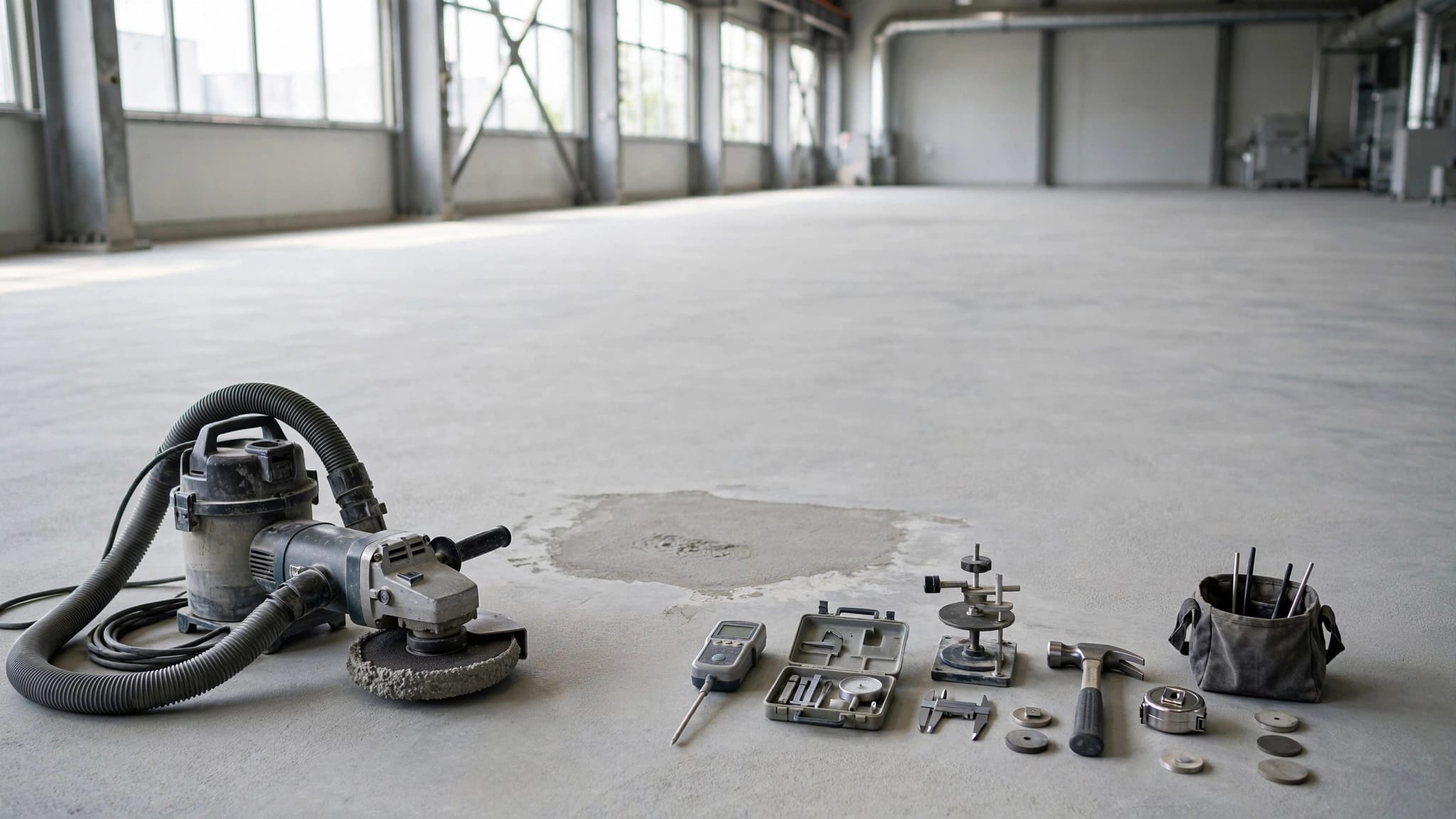
Preparation often determines whether the seasonal window is realistic. Inspect early enough to separate ordinary paint preparation from leaks, damaged materials, or corrosion that needs another trade.
Address Interior Damage at Its Source
Guest-room walls may have luggage scuffs, damaged corners, failed sealant, or stains near air-conditioning equipment. Repair the cause of recurring moisture before covering the stain.
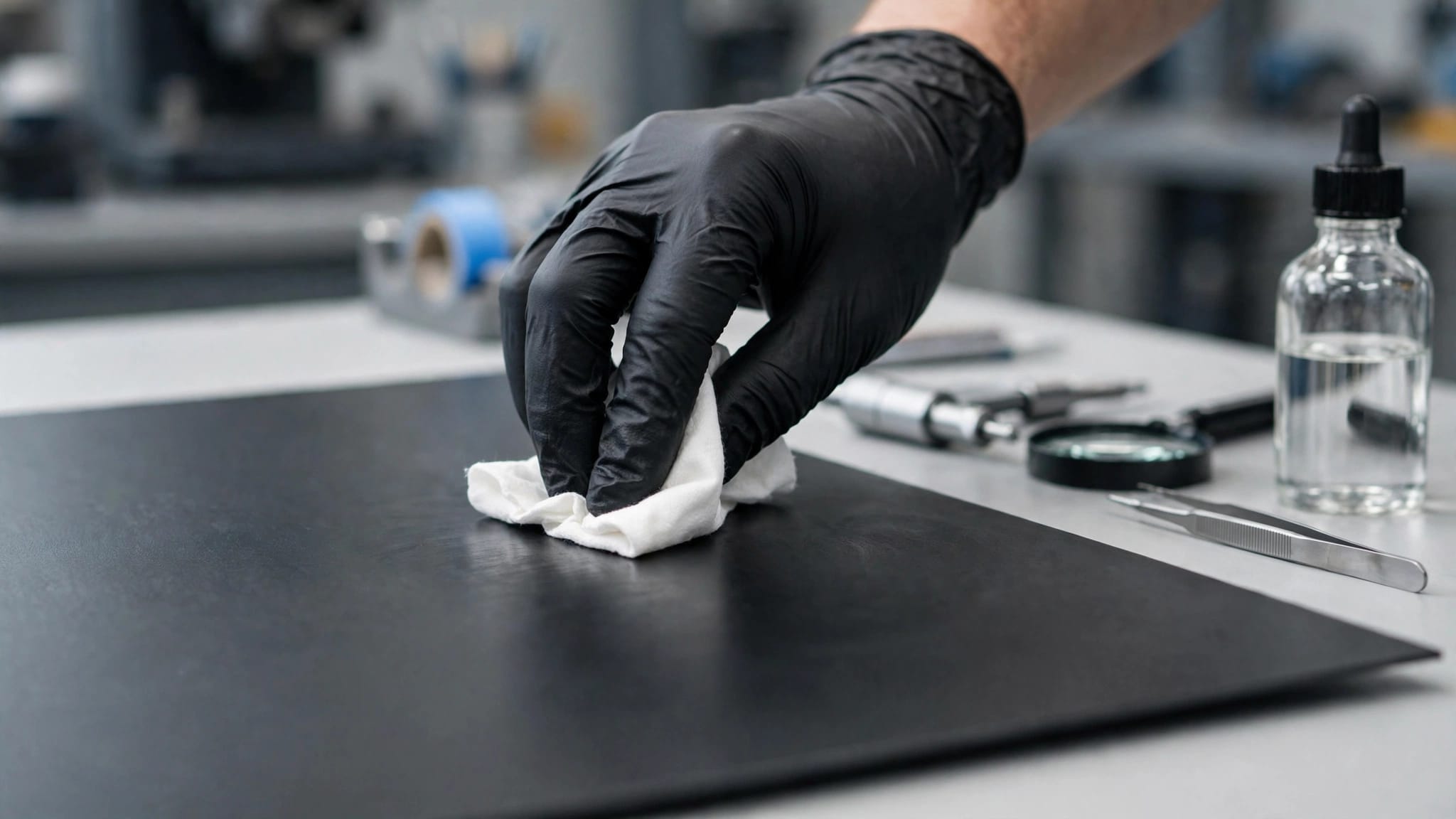
Clean surfaces where cleaners, skin oils, or other residues could affect adhesion. Evaluate glossy existing coatings for compatibility, then prepare them for the proposed system.
Allow patching compounds and sealants their required drying or curing time. Before primer conceals the surface, document completed repairs and any required moisture readings. Include ceilings behind window treatments and walls normally hidden by furniture in the initial assessment.
Remove Exterior Contamination and Failed Coatings
Naples exteriors face sunlight, humidity, rain, and coastal salt exposure. Powdery chalking, mildew, loose paint, and salt deposits need attention before application.
On metal, inspect fasteners, welds, brackets, and joints for corrosion. Spot rust and substantial material loss require different responses; paint can't restore weakened metal.
After washing, allow surfaces to reach the moisture condition required by the coating. Avoid sealing drainage openings or painting over unresolved cracks and failed joints. Our guidance on planning a Southwest Florida repaint connects these surface conditions with preparation and coating decisions.
Match Finishes to Each Hotel Surface
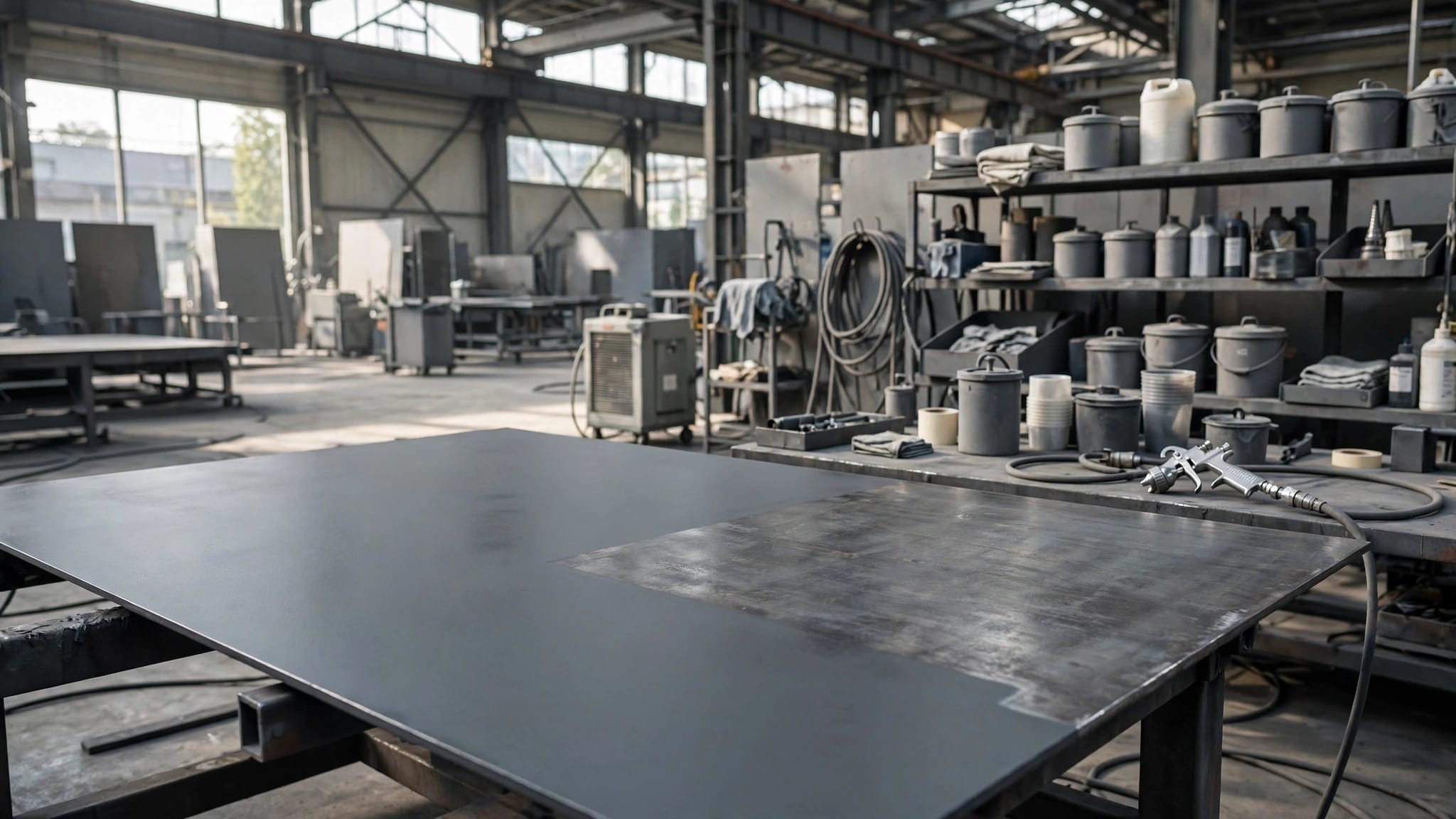
A single paint specification rarely suits guest-room walls, exterior stucco, doors, and coastal railings. Choose systems by substrate, existing finish, exposure, and cleaning demands.
Balance Interior Appearance and Maintenance
For guest rooms, consider washable wall coatings that suit housekeeping's cleaning methods. Corridors and luggage-contact areas need particular attention to abrasion and repeated cleaning.
Sheen affects appearance, but higher sheen alone doesn't establish durability. Review the actual coating's intended use rather than choosing only between eggshell and satin.
Approve samples under the hotel's lighting. Broad windows and corridor lights can reveal patching or sheen differences that a small color chip won't show. Keep an approved finish schedule so separate room blocks retain the same appearance.
Specify Exterior Protection by Substrate
Exterior masonry needs a coating compatible with the wall and its moisture conditions. Metal requires preparation, primer where needed, and a compatible exterior finish suited to corrosion and sunlight exposure.
Exterior acrylic systems, acrylic urethanes, and direct-to-metal coatings have different applications. Select among them based on the actual substrate and exposure, not a general claim of premium quality.
Document the manufacturer, product line, primer, color identifier, and sheen for each location. A written commercial painting scope of work also establishes how substitutions receive approval.
Protect Curing, Inspection, and Delay Allowances
Painting progress shouldn't be measured only by how many surfaces have received their final coat. Product instructions distinguish several stages that affect hotel operations.
Build these milestones into each phase.
| Milestone | Planning implication |
|---|---|
| Ready to recoat | The next coat can proceed under the specified conditions. |
| Ready for service | The area can return to its intended use within the coating's stated limits. |
| Fully cured | The coating has reached the manufacturer's stated cure stage for those conditions. |
The release decision should match the area's intended use, including cleaning and contact with furniture.
A room can allow light access while its new finish still needs protection from scrubbing and furniture pressure.
Exterior application also depends on surface conditions, not just an acceptable forecast. Use the coating's limits for surface temperature, humidity, condensation risk, and rain exposure. Record required readings rather than relying on how dry the wall appears.
Keep separate allowances for weather stoppages and newly discovered repairs. If the schedule tightens, defer an agreed lower-priority area instead of shortening preparation or curing.
Before handover, inspect coverage, edges, repairs, hardware, and cleanliness. Closeout records should include products, colors, application information, and maintenance instructions. Retain labeled touch-up material, then inspect early wear and exposed metal during routine property maintenance.
Questions About Repainting Between Occupied Seasons
Can Some Areas Stay Occupied During Painting?
Partial occupancy depends on whether the work can be separated from guest and employee activity. Room layout, ventilation, access, noise, and coating requirements all affect that decision.
A closed room doesn't automatically isolate an entire work process. Corridor preparation, spraying, or exterior work near balconies may affect surrounding areas. Define the full work zone before releasing nearby rooms for sale, and communicate temporary restrictions before guests encounter barriers.
What Happens if Weather Delays Exterior Work?
Use a sequence that includes approved interior tasks and exterior areas with different exposure conditions. Moving crews helps only when the alternate area is available and ready.
If delays consume the available window, reduce the remaining scope through an agreed priority plan. Preserve coating requirements and reopening inspections rather than compressing them. Record deferred areas separately so incomplete scope doesn't disappear into the final handover.
Reopen With the Work Ready for Use
Successful hotel painting in Naples depends on a schedule that protects readiness , not just paint application. Each phase needs a clear boundary, sound preparation, and a release decision based on its intended use.
Keep hotel operations and the painting contractor working from the same plan. When availability changes, adjust the sequence or scope rather than sacrificing preparation and curing.
For your next seasonal repaint, request a free estimate from our team at EFC Painting Contractors.
More featured articles...