How to Phase HOA Repainting in Southwest Florida
A community repaint gets complicated when crews, parked cars, balcony furniture, and afternoon thunderstorms compete for the same space. Phased HOA repainting gives your board a manageable way to protect buildings while keeping residents informed.
The starting point is a clear scope , followed by work zones, access rules, and weather allowances. Before choosing a start date, establish what each area needs and how residents will use it during construction.
Set the HOA repainting scope before scheduling
Confirm responsibility and approvals
First, check the governing documents to determine which surfaces the association maintains. Exterior walls, unit doors, balcony ceilings, railings, and common structures may have different ownership or maintenance responsibilities.
Then confirm color approvals, contractor paperwork, work hours, and equipment restrictions. EFC's HOA exterior paint approval guide covers considerations for Fort Myers and Naples. Requirements vary, so get applicable approvals before ordering materials.
Inventory surfaces and existing damage
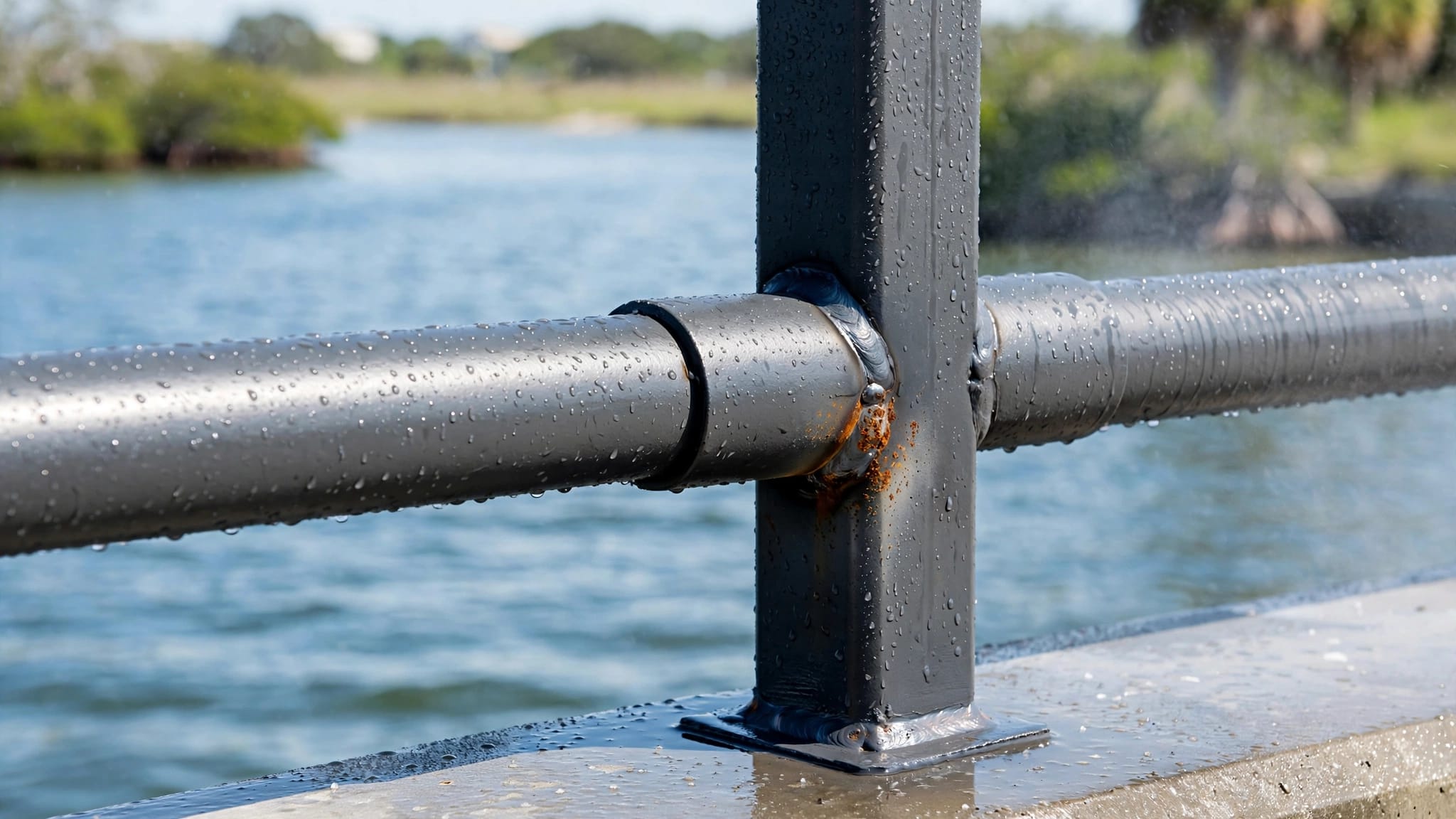
Walk the property with the contractor and photograph each building elevation. Record peeling coatings, chalky stucco, recurring mildew, rust, failed sealant, and damaged trim.
Also identify access needs, including lifts, narrow landscaping corridors, screened lanais, and occupied entrances. Separate painting from repairs that require another trade. Active leaks, loose stucco, or rotten wood need attention before painters cover those areas.
This inventory becomes the shared scope for bidding, scheduling, and inspections.
Divide the community into workable zones
Choose phase boundaries around complete, accessible work areas . Building clusters often work better than scattered walls because crews can keep equipment nearby and residents receive clearer notices.
However, buildings with extensive repairs may need a different sequence. Address urgent deterioration early, while keeping repair work separate from areas ready for coating.
Use the site's layout to choose practical boundaries.
| Work area | Useful phase boundary | Main coordination issue |
|---|---|---|
| Residential buildings | Building or nearby building cluster | Parking, balconies, and unit access |
| Clubhouse and amenities | Facility or independently accessible area | Closures and event schedules |
| Breezeways and stairs | Area with a safe alternate route | Resident access and emergency exits |
| Entry features and railings | Defined perimeter or entrance section | Traffic and equipment placement |
The right boundary lets crews finish an area without blocking essential community functions.
Avoid opening every building at once. Instead, limit active work to what the contractor can prepare, paint, protect, and inspect reliably.
Start with a representative area that tests the proposed preparation and coating system. Once the board accepts it, use that work as the quality benchmark. Before expanding production, resolve any issues with access, cleanup, or resident communication.
Coordinate resident notices and access
Send notices that explain required actions
Give residents an initial project announcement, then issue location-specific notices before work reaches their building. Follow the association's notice requirements and agree on reminder timing with the contractor.
Each notice should explain the affected area, expected work window, required resident actions, and contact person. Include instructions for moving vehicles, clearing balconies, securing pets, and avoiding freshly coated surfaces.
Use email, posted notices, and the community's usual communication channel. Also reach absentee owners and property managers responsible for rented units.
Keep daily access predictable
Agree on where crews can park, stage materials, wash equipment, and position lifts. Maintain safe paths to homes, emergency exits, and accessible entrances throughout the job.
For door painting, arrange appointments when residents must provide access. Explain when doors or windows can operate normally again, based on the coating's requirements.
EFC's Southwest Florida exterior painting process describes preparation, exclusions, and daily expectations that boards can discuss with residents.
When weather changes the sequence, send an update promptly. Residents shouldn't move vehicles or empty balconies for work that has shifted elsewhere.
Plan around Southwest Florida weather
Use the season to set expectations
November through April generally offers easier exterior painting conditions in Southwest Florida, with fewer storm interruptions than the wetter months. Still, cooler nights, morning dew, and shorter daylight can reduce usable work hours.
Summer projects need more schedule flexibility because heat, humidity, and afternoon rain affect application and drying. Build that flexibility into the overall timeline rather than promising uninterrupted production.
Atlantic hurricane season runs June 1 through November 30. Include a storm-readiness plan covering equipment, stored materials, resident access, and shutdown responsibilities. Keep hurricane shutter tracks, hinges, locks, and operating hardware functional throughout the repaint.
Let surface conditions control each day's work
The contractor should check radar, wind, humidity, surface temperature, and substrate moisture before coating. A sunny forecast doesn't establish that shaded stucco is ready.
Early starts can help crews avoid midday heat, but dew may delay painting. Meanwhile, direct sun can make walls too hot for the selected product. Sequence elevations according to actual conditions and manufacturer limits.
A rain-free application window must also allow the coating's required protection period. Dry-to-touch, ready-to-recoat, and fully cured describe different stages.
If rain strikes fresh paint, stop and protect the area. After conditions improve, inspect for damage and correct it before proceeding. Weather delays should change the schedule, not the preparation standard.
Make surface preparation consistent across phases
Clean and repair before coating
Southwest Florida exteriors commonly accumulate mildew, salt residue, and chalky old paint. Remove contamination using methods suited to the substrate, then allow adequate drying.
Scrape loose coatings, treat corrosion, and repair compatible cracks and joints. Investigate recurring stains, efflorescence, sprinkler overspray, and roof runoff because painting alone won't correct their causes.
Also distinguish masonry cracks from joints that need flexible sealant. Different conditions require different repair materials. Give patches and sealants their specified cure time before coating.
Establish a preparation checkpoint
Have the contractor document completed preparation before primer or finish paint hides the surface. Check repairs, clean surfaces, failed caulk replacement, and required moisture readings.
EFC's commercial repaint preparation checklist addresses wash plans, mildew treatment, manufacturer limits, and weather-related work stoppages.
Require the same preparation standard in later phases, even when deadlines tighten. If buildings date to before 1978, assess potential lead-paint requirements before disturbing old coatings.
Finally, protect landscaping, vehicles, glass, pavers, and mechanical equipment. Plan daily debris removal and secure material storage rather than leaving cleanup until phase completion.
Keep colors and finishes uniform
Phased HOA repainting needs one approved finish schedule. Record the manufacturer, product line, color name and code, sheen, primer, and designated surface for each coating.
Approve physical samples on the property before production begins. View them in sun and shade because stucco texture and lighting affect appearance. Keep an accepted sample area available for comparisons.
Require written approval for substitutions. A matching color name doesn't establish that another product or sheen will produce the same appearance.
The contractor should track tint formulas and batch information. When appropriate, mixing compatible containers of the same product and color, commonly called boxing, helps reduce variation.
Finish continuous wall sections at natural breaks, such as corners. Also keep application methods consistent across comparable surfaces. For touch-ups, retain labeled paint with the building, surface, product, and color information. Reorder from the approved specification rather than relying on an old color chip alone.
Put scheduling and costs into the contract
Define crew commitments and milestones
Ask who supervises the project, how crews will move between zones, and what other commitments could affect staffing. Verify insurance, relevant credentials, and experience with occupied communities.
The contract should identify mobilization, preparation approval, coating work, inspections, and final closeout. Include rules for weather delays, schedule updates, daily cleanup, and correcting rain-damaged work.
Also identify who can approve changes. Resident requests shouldn't alter the association's scope without authorization.
Tie progress payments to agreed, verified milestones. If the association negotiates retainage, document its release conditions and punch-list requirements.
Budget by scope rather than averages
Request pricing by building or work area, with preparation, repairs, coatings, and access equipment clearly described. Review exclusions before comparing totals.
Breezeways, stair towers, clubhouses, and railings can require different labor and coating systems. EFC's HOA common-area painting cost factors explains how repairs, access, and coastal exposure affect estimates.
Phasing can spread expenditures, but repeated mobilization, lift rentals, and material ordering may add cost. Ask bidders to separate those charges and explain how pricing works if later phases occur in another budget year.
Set a project-specific contingency after reviewing building conditions. For concealed damage, require photographs, a proposed repair scope, and written change-order approval before extra work proceeds.
Inspect each phase before accepting it
Assign one board or management representative to coordinate inspections with the contractor. Check preparation before coating, then inspect completed work under normal daylight.
Look for uniform coverage, consistent sheen, clean edges, missed surfaces, overspray, and defects around repairs. Where the specified system requires film-thickness verification, request appropriate measurements or documentation.
Confirm that doors, shutters, drains, and equipment still operate correctly. Check landscaping and adjacent surfaces for damage, too.
Keep a punch list organized by building and exact location, supported by photographs. Assign correction deadlines and verify completed items before closing the phase.
At final closeout, collect product records, approved colors, warranties, maintenance guidance, and labeled touch-up materials. Clarify warranty exclusions involving leaks, substrate defects, or other conditions outside the painting scope.
Phase inspections also give the board a chance to correct recurring problems before crews repeat them elsewhere. Track those decisions so later buildings receive the same accepted standard.
Finish with a plan the community can follow
Successful HOA repainting depends on repeatable standards for every work area. Clear boundaries, timely notices, weather-based decisions, and documented inspections keep the project manageable.
Before scheduling, have the board and contractor agree on scope, access, pricing, and acceptance requirements. EFC Painting Contractors offers free onsite estimates in Fort Myers, Naples, and surrounding Southwest Florida communities.
A well-planned phase ends with accepted work and a clear next step for residents and crews.
More featured articles...