HOA Common Area Painting Costs in Fort Myers and Naples for 2026
HOA common area painting in Fort Myers and Naples can look simple at first, then the price changes once prep, access, and coating quality enter the picture. A clubhouse wall may need a basic refresh, while a breezeway, stair tower, or garage area may need patching, rust treatment, and lift work.
For 2026 budgeting, the best estimates are built around scope, not guesses. Southwest Florida heat, humidity, UV exposure, salt air, and storm wear all affect both labor and materials.
The safest HOA painting budget starts with the surface, then the schedule, then the finish system.
If you want a contractor who can price the whole job the right way, start with professional painting services that include a site visit and written scope.
What HOA common area painting usually covers
Most boards think about walls and trim first. In practice, hoa common area painting often includes much more than that.
Common areas in Fort Myers and Naples may include lobby walls, ceilings, stairwells, breezeways, elevator lobbies, unit-entry doors, handrails, railings, columns, soffits, clubhouse interiors, mail areas, pool cabanas, storage buildings, and exterior common walls. Some communities also need service corridor painting, parking structure touch-ups, and concrete or metal coatings.
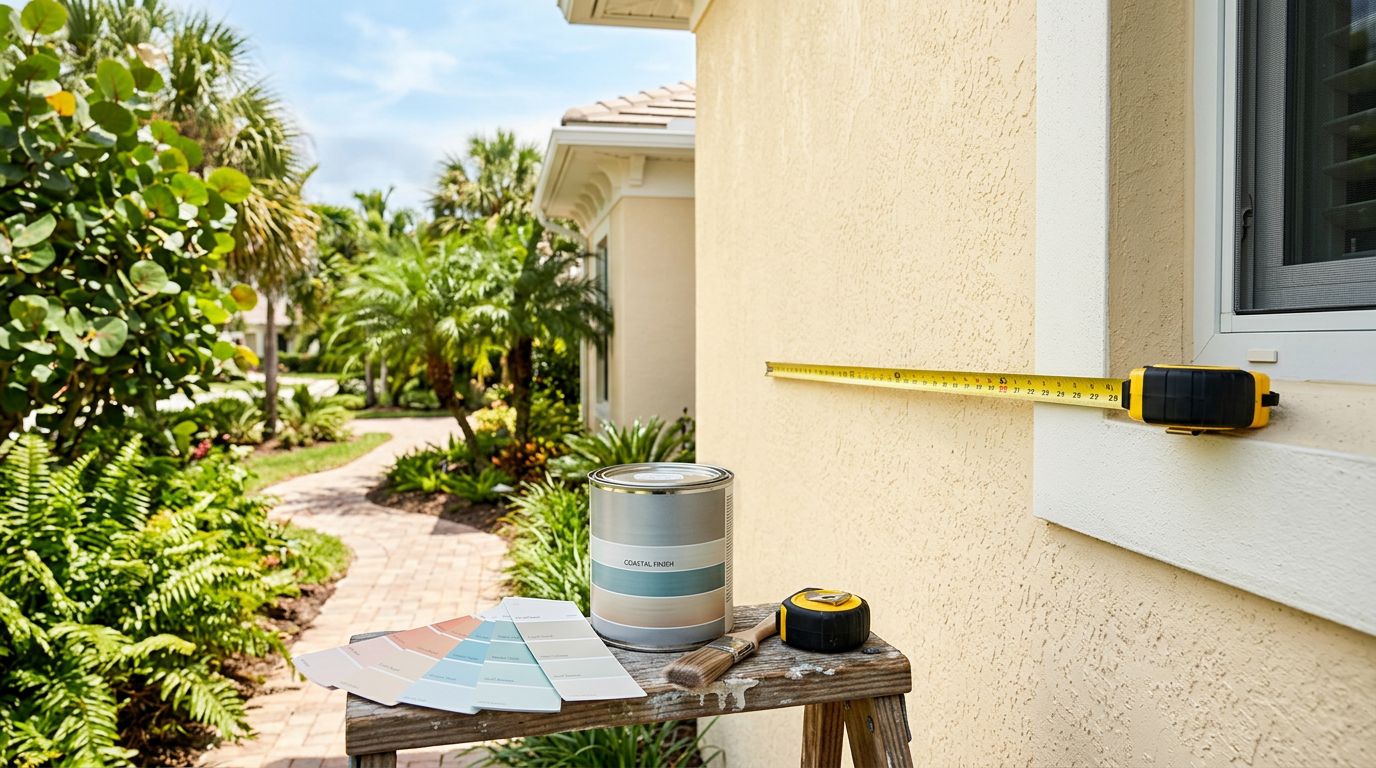
Material type matters here. Stucco, block, metal, wood trim, and concrete all age at different speeds. Salt air near the coast can attack metal and break down caulk faster. Meanwhile, shaded areas collect mildew, and sun-facing walls fade sooner.
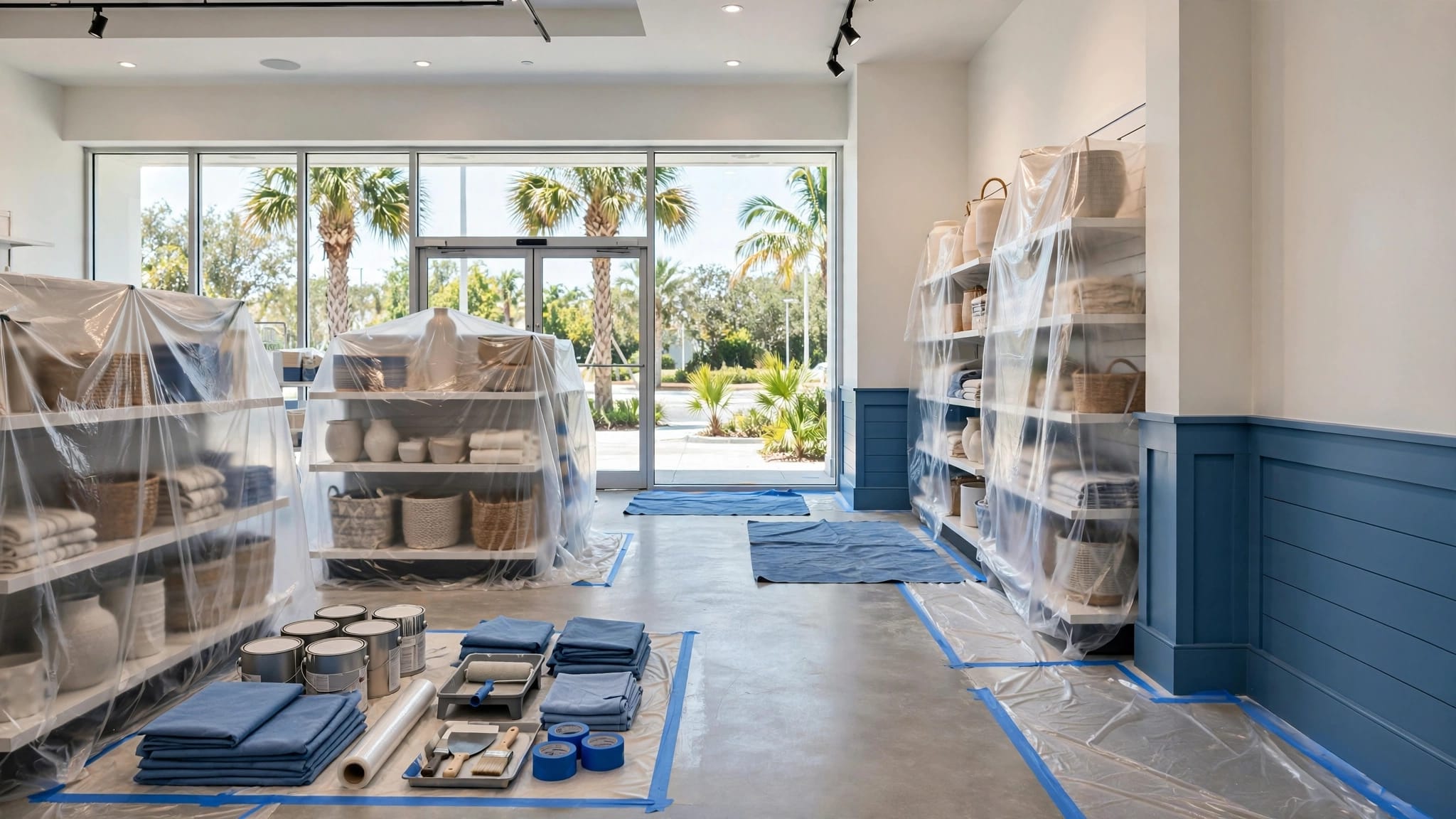
That mix changes the estimate. A contractor has to price both the visible finish and the work hiding under it. For occupied properties, timing matters too. If the project needs phased access, evening work, or weekend closures, labor costs usually move up.
2026 planning ranges for HOA common area projects
These are budget ranges, not bid numbers. Actual pricing shifts with prep level, product choice, height, access, and the condition of the property.
| Common Area Type | Typical Scope | 2026 Planning Range | What Usually Drives It |
|---|---|---|---|
| Small clubhouse interior refresh | Walls, trim, ceilings, light patching | $4,000 to $12,000 | Paint grade, room count, moving furniture |
| Breezeways and stairwells | Walls, ceilings, doors, railings | $6,000 to $20,000 | Height, masking, traffic control, prep |
| Pool cabanas and amenity buildings | Interior and exterior finish work | $3,500 to $15,000 | Size, access, mildew, trim detail |
| Parking garage walls and ceilings | Concrete surfaces, block, metal elements | $10,000 to $35,000 | Lift use, dust control, surface repair |
| Larger amenity package | Multiple buildings and shared spaces | $25,000 to $75,000+ | Scope size, coating system, schedule |
These ranges work best for planning reserve use or board discussion. A clean, well-kept clubhouse can sit near the low end. A coastal property with peeling paint, rust, and cracked caulk can climb fast.
For occupied commercial-style work, commercial painting services are often the better fit because they account for phasing, access, and resident disruption.
Why one quote can be much higher than another
Two bids can look close on paper, then turn out very different in the field. That happens because the real cost sits in the prep and production plan.
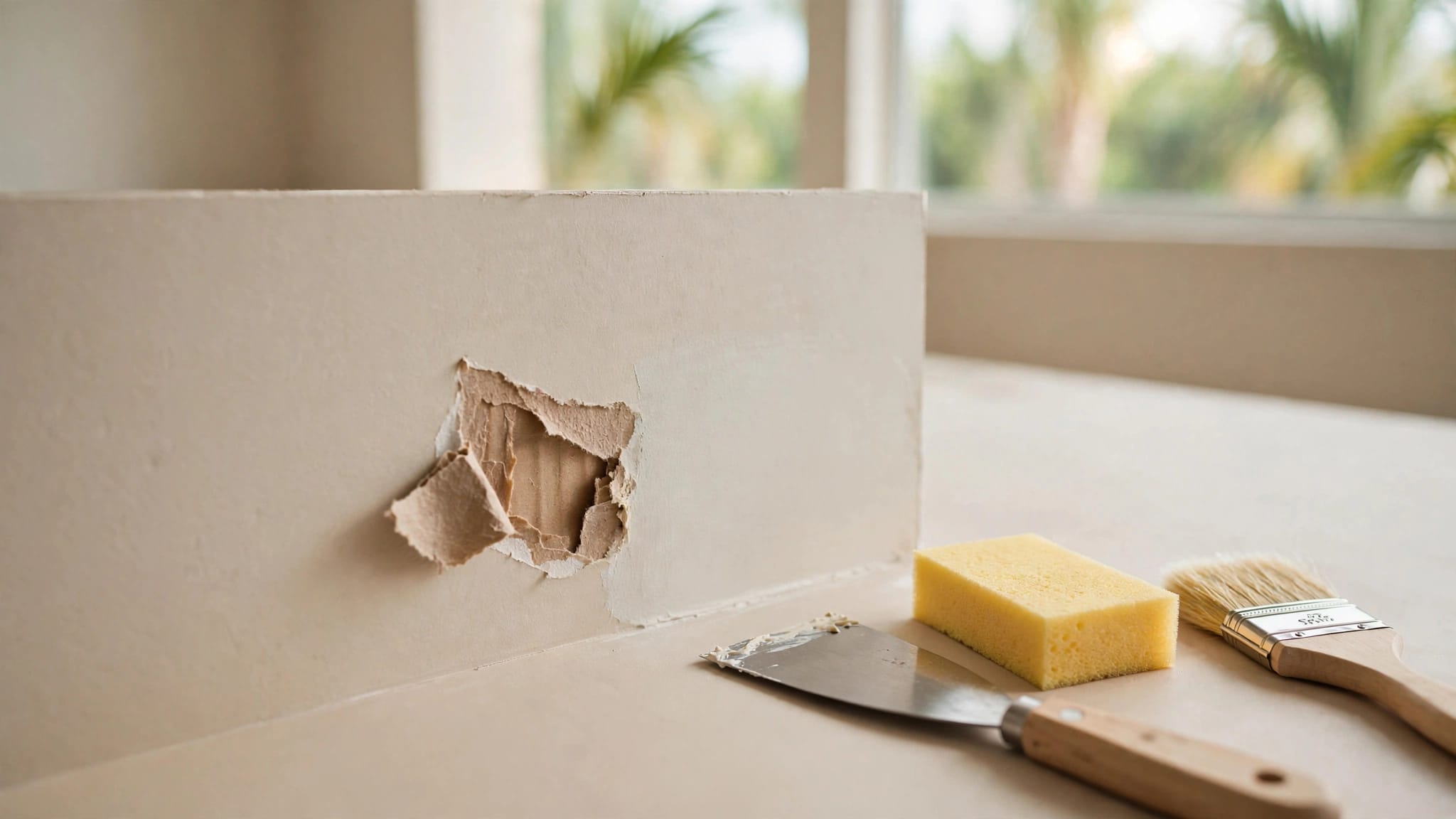
Surface condition is usually the biggest driver. Chalking stucco, peeling paint, mildew, failed caulk, rust on railings, and hairline cracks all add labor. If the contractor has to scrape, wash, patch, prime, and return for a second coat, the price rises.
Height and access matter next. Two-story stairwells, tight courtyards, and waterfront edges slow the crew down. Lift rental, scaffolding, and extra protection around landscaping also add cost.
Paint quality can shift the number more than many boards expect. Basic coatings cost less up front, but they may not hold up as well in Southwest Florida sun. Higher-grade acrylics, elastomeric systems, and specialty primers cost more, but they often last longer on stucco, concrete, and metal.
Scheduling can change the quote too. If the association wants work done around residents, events, or amenity closures, the contractor needs more setup time. That time is real labor.
Here are the main items boards should watch when comparing proposals:
- Heavy prep raises labor first.
- Multi-story access adds setup and safety time.
- Premium coatings cost more, but they often fit coastal exposure better.
- Night or weekend work usually increases the price.
- A thin scope often hides change orders later.
Naples communities often pay a bit more when access is tighter, the finish standard is higher, or the property sits closer to salt exposure. Fort Myers projects can also rise when storm-related wear has left more cracks, stains, or repair points behind.
How Southwest Florida conditions affect coating choices
Southwest Florida is hard on paint. The sun beats down for long stretches, humidity hangs in the air, and afternoon rain can push moisture into cracks and joints. Near the coast, salt air adds another layer of wear.
That is why many HOA projects need more than a simple repaint. A smart coating plan may include mildew-resistant wash procedures, masonry primer on bare spots, rust treatment on metal, and caulk rated for exterior movement. If the community has stucco, an elastomeric product may make sense in some areas because it bridges small cracks better than a standard finish.
Color choice can affect durability too. Dark finishes absorb more heat, so they can stress some surfaces faster. Many boards stick with approved neutrals and save stronger accent colors for doors, shutters, or small detail areas.
Storm season also matters. Wind-driven rain can open old seams, stain walls, and leave hidden moisture behind trim. After a storm, a careful inspection can prevent a small repair from turning into a larger repaint.
In short, Fort Myers and Naples do not price like dry inland markets. A project that looks average on a spreadsheet may need coastal-grade prep once the crew gets on site.
How to compare HOA painting bids without guesswork
The best way to compare proposals is to line up the scope first. If one bid includes detailed prep and another does not, the cheaper number is not really cheaper.
A clear HOA estimate should spell out the painted areas, prep steps, primer use, number of coats, product grade, access method, and any exclusions. It should also say whether the contractor will move furniture, protect landscaping, patch cracks, or handle minor rust work.
Use this order when reviewing bids:
- Walk the site with the contractor and mark every common area that needs paint.
- Ask for separate pricing for prep, coating, and access if the project is large.
- Confirm the exact product line and finish level.
- Ask how the crew will handle residents, closures, and cleanup.
- Add a contingency for hidden damage, especially in coastal or storm-affected areas.
That extra step matters. A proposal with a full scope may look higher, but it often saves the board from change orders later. It also makes reserve planning easier because you can see where the money goes.
Conclusion
For Fort Myers and Naples HOAs, the real price of common area painting depends on what the property needs, not just how big it looks. Prep, height, access, product choice, and Southwest Florida weather all shape the final number.
If the board wants a budget that holds up, the best move is a detailed on-site inspection and a written scope that separates surface repair from finish work. That gives everyone the same picture before the first coat goes on.
When the estimate is built the right way, hoa common area painting becomes easier to plan, easier to compare, and easier to defend at the board table.
More featured articles...