How to Fix Paint Runs and Sags on Florida Walls
Paint runs and sags usually mean too much wet paint collected in one area before it could dry. On Florida walls, humidity, poor airflow, a damp surface, or an overly thick coat can make the problem worse.
The right repair depends on whether the paint is still wet, already cured, or covering a moisture problem. Check the room and wall first, then repair the defect with light preparation and controlled repainting.
Why Paint Runs and Sags Happen on Florida Walls
A run is a visible stream of paint that moves downward. A sag is a heavier droop that may look like a ridge, curtain, or rounded bulge. Both defects form when the coating stays fluid too long or when too much material goes onto the wall.
Thick coats create downward movement
Loading a roller or brush with too much paint can leave a heavy film that gravity pulls downward. This often happens near corners, trim, door frames, ceilings, and the bottom of a wall. Paint may also sag when someone tries to cover a dark color with one oversized coat.
Overworking the surface can create the same result. Repeated rolling over paint that has started to set may redistribute wet material unevenly. Hot Florida rooms can also make the working time unpredictable, especially when one section receives more airflow than another.
Moisture can keep the coating soft
Humidity doesn't automatically cause every run or sag, but it can slow drying and curing. A wall may feel dry on top while the layer beneath remains soft. If another coat goes on too soon, the roller can pull at the first coat and make the surface uneven.
Look for related problems before repainting. Plumbing leaks, air-conditioner condensation, storm-related water intrusion, and damp areas around windows can all damage painted drywall. If the wall also has bubbles or blisters, review these Florida drywall paint bubbling solutions before treating the defect as a simple paint issue.
Inspect the Wall Before You Touch the Defect
A quick inspection helps you avoid sanding and repainting a wall that is still receiving moisture. It also tells you whether a small repair will work or the entire wall needs attention.
Check the paint and the surface
Run your hand lightly across the area once the paint is dry. A raised, hard ridge usually indicates a cured run or sag. A tacky, rubbery, or soft area needs more drying time before you sand it.
Use a bright work light held at a low angle across the wall. This exposes ridges, shallow depressions, roller marks, and uneven sheen that normal room lighting can hide. Check nearby corners, baseboards, windows, exterior walls, and areas behind furniture.
Gather basic supplies before starting:
- A flexible putty knife or paint scraper for loose ridges.
- Fine- to medium-grit sanding paper or a sanding sponge.
- A clean cloth for removing dust.
- Matching primer when sanding exposes drywall, joint compound, or stained material.
- The same color and sheen of interior paint used on the surrounding wall.
- A small brush and the correct roller nap for the wall texture.
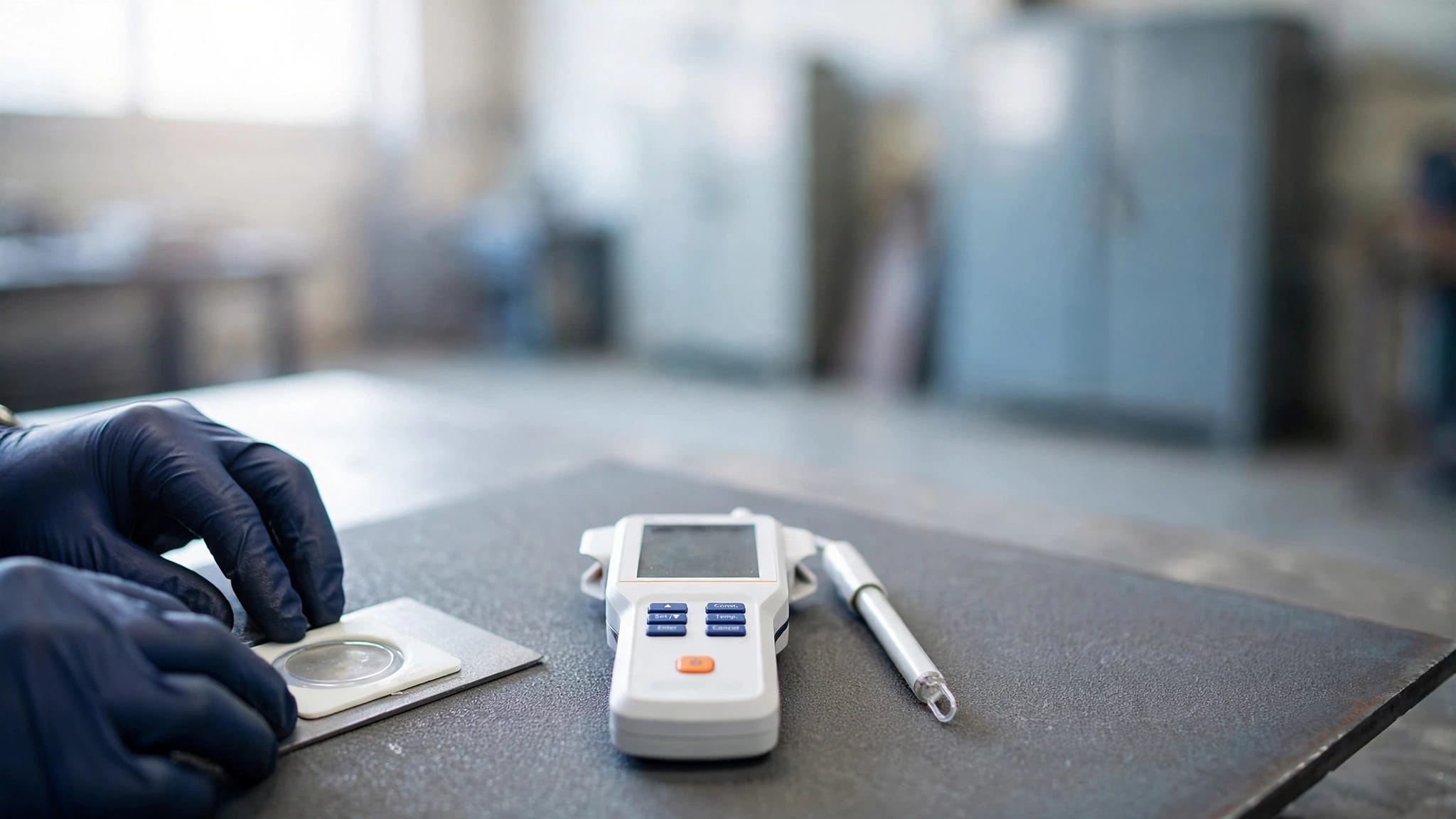
- A digital hygrometer to check indoor relative humidity.
Look for moisture and ventilation problems
Press gently around the defect. Soft drywall, staining, bubbling, peeling, a musty odor, or a recurring mark suggests a larger problem. Inspect beneath windows, around sliders, near plumbing walls, and below air-conditioning equipment.
Bathrooms, kitchens, laundry rooms, closets, and closed-up guest rooms often hold moisture longer. A wall can stay damp after a shower, floor cleaning, heavy rain, or a long period without adequate airflow.
Don't seal over a wall that remains wet. Repairing a leak or condensation source comes before cosmetic work. If the same run or sag returns in one location, the paint may be showing you where moisture is moving through the wall.
How to Repair Dried Paint Runs and Sags
Once the wall is dry and the underlying surface is sound, the repair is usually manageable. Work slowly, because removing too much material can create a wider patch than the original defect.
Remove the high spot carefully
Start by scraping only loose or sharply raised paint. Hold the scraper nearly flat and use light pressure. The goal is to reduce the ridge, not gouge the drywall or remove sound paint around it.
Sand the remaining high spot until it feels level when you pass your hand over it. Begin with a moderate grit if the ridge is pronounced, then finish with a finer sanding sponge. Stop when the repair blends into the surrounding surface. Heavy sanding can flatten textured walls and make the patch more visible.
Wipe away dust with a clean, slightly damp cloth. Give the area time to dry before priming. If the defect is broad or the surrounding paint is failing, continue removing loose edges until you reach a stable surface.
Prime and repaint with a lighter application
Apply primer over exposed drywall paper, joint compound, or a stained area. Repaired materials absorb paint differently from an existing finish, so skipping primer can leave a dull or shiny patch.
Use the same paint type and sheen whenever possible. Stir the paint thoroughly, but don't thin it unless the product label allows it. Load the roller evenly and remove excess paint before it reaches the wall.
Keep a wet edge as you work. Apply a moderate coat, then leave the surface alone once it looks covered. Brushing or rolling over paint that has started to tack up can create more ridges and lap marks.
A small repair may remain visible because older paint fades and changes sheen. If the patch stands out after drying, repaint the wall from corner to corner rather than adding repeated spot coats.
Manage Florida Humidity Before Recoating
The paint runs and sags may be a painting problem, but the repair can fail if the room remains too damp. Indoor conditions matter during preparation, application, drying, and curing.
Use a hygrometer and stabilize the room
Interior painting usually works best around 40% to 60% relative humidity. Above 60%, drying slows. At 70% or higher, improve room conditions before applying more paint.
A hygrometer gives you a better reading than the way the room feels. Keep the air conditioner running normally, and use a dehumidifier when a problem room remains damp. Maintain steady conditions instead of repeatedly turning equipment on and off.
Opening every window isn't always helpful in Florida. During a muggy afternoon or after a storm, outdoor air can add moisture instead of removing it. For more detail, review these Florida interior painting humidity levels before scheduling a repaint.
Use gentle, controlled airflow
Ventilation should move stale air outdoors without creating a strong current across the wet wall. A bathroom exhaust fan may help when it vents properly. A dehumidifier or stable air-conditioning system can be more useful than open windows when outdoor humidity is high.
Avoid pointing a powerful fan directly at the painted surface. Strong airflow can dry one section faster than another and leave lap marks, roughness, or uneven sheen. Low-speed circulation across the room is usually gentler.
Follow the paint label for ventilation, reentry, and drying instructions. Wear the recommended respiratory protection when the product calls for it, and keep children and pets away from the work area until the space is safe.
Allow Enough Time Between Coats
Drying and curing are different stages. Paint can feel dry to the touch while remaining soft below the surface. That softness makes new runs more likely and increases the chance of roller marks, dents, or lifted paint.
Test the surface before recoating
Press lightly in an inconspicuous area with a clean fingertip. Sticky paint, drag, a soft feel, or a visible impression means the coating needs more time. Don't use a second coat to hide a defect that hasn't hardened.
Interior latex or acrylic paint may accept another coat the same day in a cool, dry room. Florida conditions often require a longer wait, especially in bathrooms, laundry rooms, kitchens, and rooms with limited airflow. Use the product label as the starting point, then extend the wait when the wall still feels soft.
This guide on how long to wait between paint coats in Florida provides additional timing guidance for humid conditions.
Protect the finish while it cures
Keep furniture, boxes, and decorations away from the wall while the coating hardens. A surface that feels dry may still dent when something presses against it.
High moisture can extend full interior paint curing to 30 days or more. That doesn't mean the wall will remain unusable for a month, but it does mean you should avoid scrubbing, rubbing, or placing furniture tightly against a newly painted surface.
If the wall remains tacky for an unusually long period, read more about interior paint curing time in Florida. Persistent softness may point to high humidity, excessive film thickness, incompatible coatings, or a moisture source beneath the paint.
Prevent New Runs and Sags
Good technique prevents most repeat defects. Before opening the paint, clean the wall and remove grease, dust, mildew residue, and loose coating. Paint cannot bond reliably to a contaminated or unstable surface.
Use the correct roller nap for the wall texture. A smooth wall needs a different roller than orange peel or knockdown texture. Keep the roller evenly loaded, and avoid pressing hard to squeeze paint into low spots.
Brush corners and edges with enough paint to cover, not enough to form a thick line. Check trim edges and the lower portions of walls after each section. Catching a fresh sag early is easier than sanding a cured ridge later.
Maintain normal indoor temperature and humidity during the project. Run bathroom exhaust fans during showers and for about 20 minutes afterward. Keep furniture a few inches away from exterior walls when possible, and address window seepage or slow plumbing drips promptly.
For a broader view of room preparation, pacing, and cleanup, see the interior painting process in Florida.
When to Call a Florida Painting Contractor
A small, isolated run on a dry, sound wall may be suitable for a careful homeowner. Professional help makes more sense when the project includes multiple rooms, tall walls, extensive repairs, occupied commercial space, or suspected lead paint.
Call for an inspection when the same defect returns, drywall feels soft, stains keep spreading, bubbling appears, or a musty odor remains. An HVAC professional may need to check short cycling, duct leaks, persistent condensation, or failed bathroom ventilation.
Ask for a written scope that identifies surface preparation, drywall repairs, primer, finish coats, drying time, ventilation, daily cleanup, and any work another trade must complete. Clear planning matters in Fort Myers, Naples, and surrounding Southwest Florida communities, where indoor conditions can change quickly during rainy periods.
A contractor can manage repair and repainting as one process through professional interior house painters, rather than covering a recurring problem with another coat.
Key Takeaways
- A run or sag usually comes from excessive wet paint, slow drying, or uneven application.
- Inspect for leaks, condensation, soft drywall, stains, and bubbling before repainting.
- Use a hygrometer and aim for roughly 40% to 60% indoor relative humidity.
- Control airflow gently. Strong fans pointed at the wall can create uneven drying.
- Scrape and sand cured ridges carefully, then prime exposed drywall or repair compound.
- Recoat only when the first layer feels firm, dry, and free from tackiness.
- Hire a professional when defects return or the wall shows signs of moisture damage.
FAQ About Paint Runs and Sags in Florida
Can I fix a paint sag while it is still wet?
If you catch it immediately, remove excess paint with a lightly loaded brush or roller and smooth the area without spreading a thick edge. If the paint has started to tack up, leave it alone. Reworking it can make the defect larger.
Should I open windows while repairing a sag?
Only when outdoor air is reasonably dry and the opening won't bring in rain or excess humidity. During muggy weather, air conditioning, a properly vented exhaust fan, or a dehumidifier may control the room better. Follow the product's ventilation instructions.
Why does the same wall keep developing runs?
Recurring runs may come from repeated heavy application, slow drying, poor airflow, incompatible old coatings, or moisture entering the wall. Check windows, plumbing, air-conditioning equipment, and exterior-facing areas before applying more paint.
Do I need to repaint the entire wall?
Not always. A small, well-blended repair may disappear with matching paint and sheen. However, color fading, sheen differences, multiple repairs, or a large sag can make a wall-to-wall repaint look more consistent.
Conclusion
Florida wall repairs last longer when you correct the conditions behind the defect. Reduce excess paint, stabilize humidity, use gentle airflow, and allow each layer enough time to dry and cure.
When a run or sag returns, treat it as a warning rather than a surface flaw. A dry, sound wall and a controlled room give the new finish its best chance to stay smooth.
More featured articles...