How to Check Blasted Steel for Dust Before Coating
Checking blasted steel for dust starts after abrasive blasting and cleanup, before the first coat goes on. Inspectors look for loose residue, document the condition, and complete the dust assessment required by the project.
A surface can look clean and still carry fine particles that interfere with coating adhesion . For facility owners, the important question is whether the contractor can show that the prepared steel was inspected and accepted before priming.
Why Dust Matters on Blasted Steel
Abrasive blasting removes rust and old coatings while creating a texture that helps a new coating bond to steel. It also leaves behind spent abrasive, broken coating, corrosion products, and other debris. Even after cleanup, fine material can remain on the surface or settle back onto it.
Dust trapped beneath a coating can interfere with contact between the primer and the steel. Loose material can also create a rough finish or become a weak layer beneath the coating. The risk depends on the amount and type of residue, as well as the coating system and service conditions.
A clean appearance is a useful starting point, but it doesn't establish that the surface meets the project's requirements. Fine particles can be difficult to see against a textured steel surface. Dust inspection therefore belongs alongside the other preparation checks, before the primer covers the evidence.
When to Inspect for Dust
The most useful inspection takes place after blasting debris has been removed and before the prepared steel is coated. That timing gives the crew a chance to correct the surface without disturbing a fresh primer.
Inspect after cleanup
Blasting can leave debris on horizontal surfaces, inside corners, and around structural connections. The crew should remove that material using a method suitable for the job before inspection begins.
Good lighting helps the inspector see residue that might otherwise blend into the steel. The inspector should also look at the surrounding work area, since dust on nearby ledges or equipment can fall onto a clean surface.
Protect the steel before priming
A dust inspection describes the surface at the time it was assessed. Later blasting, grinding, traffic, or wind can contaminate the same area again. If that happens, the affected steel needs another evaluation before coating.
The schedule matters in Southwest Florida, where humidity and condensation can also affect exposed steel. Plan cleanup, inspection, and priming so prepared areas aren't left exposed longer than necessary. The coating specification and product requirements govern the conditions for application.
Where to Look on a Blasted Surface
A useful inspection covers the work area rather than focusing only on an easy-to-reach section. Divide a large tank, structure, or equipment item into identifiable zones so each finding can be tied to a location.
Exposed steel and horizontal surfaces
Look across broad areas of blasted steel for visible residue, uneven cleanup, or abrasive left in the surface texture. Horizontal surfaces deserve attention because loose particles can settle there after blasting or during other work nearby.
Inspect areas beneath scaffolding and platforms as well. Debris disturbed by workers or equipment can fall onto steel that was already cleaned. A marked site plan helps the crew identify which sections have been inspected and which remain open.
Edges, welds, and connections
Welds, corners, bolt heads, supports, and recesses can retain abrasive and dust after the surrounding plate looks clean. These locations may also be harder to reach with cleaning equipment.
Don't overlook the underside of members or the space around attachments. For tanks and other complex assets, our guide to tank surface preparation before recoating explains why supports, drainage, and access belong in the project scope.
How to Assess Dust Quantity and Particle Size
Dust assessment has two related parts: how much material is present and what the particles look like. Both observations help describe the condition, but they shouldn't be reduced to a general comment that the surface "looks fine."
Look for the amount and distribution
Visible piles of abrasive or scattered debris show that cleanup is incomplete. Finer dust may appear as a film, a light residue, or material concentrated around edges and welds.
Record whether the condition appears isolated or extends across a larger zone. That distinction helps the crew target cleanup and decide which areas need further attention. A clean-looking patch shouldn't be assumed to describe the entire structure.
Pay attention to fine and coarse material
Coarse particles can be easier to notice than fine dust. Small particles may remain in the blast profile or settle onto the steel after nearby work. Their appearance can also vary with the abrasive, old coating, and corrosion products present.
Visual observations help identify obvious problems, but they don't replace the project's required dust assessment. The inspector's record should distinguish observations about visible debris from the documented assessment results.
Remove Dust Without Recontaminating the Steel
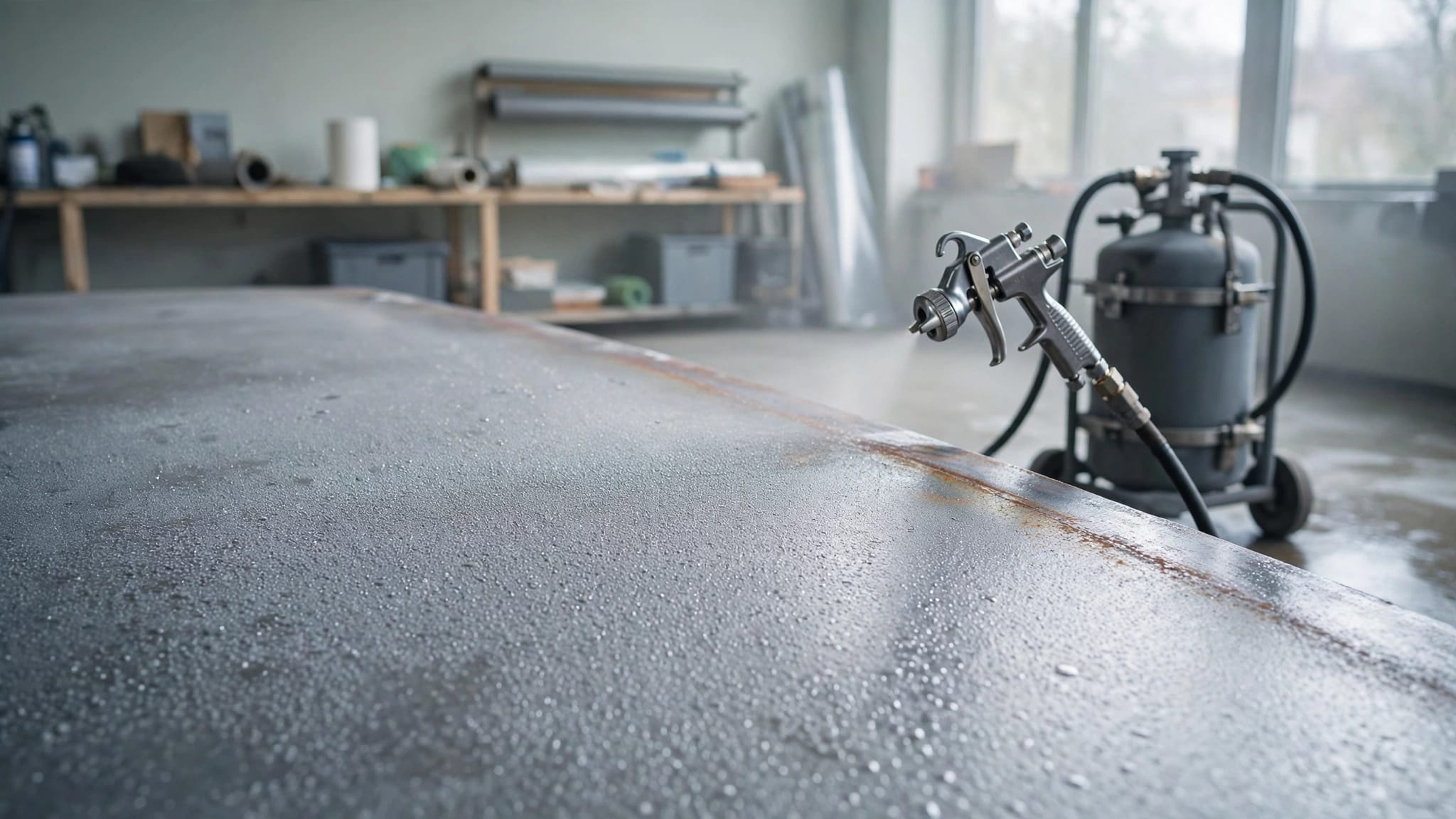
Once dust or loose abrasive is found, clean the affected area using the method approved for the project. Industrial vacuum equipment can remove loose debris without spreading as much material into the surrounding work area. Equipment and attachments should be clean and suitable for the prepared surface.
Where compressed air is permitted, it must be clean and dry. Air that carries oil or moisture can introduce another contaminant onto the steel. Cleaning equipment should also reach edges, welds, and recesses rather than treating only the broad, open areas.
After cleanup, inspect the affected zone again. If surrounding activity continues to deposit dust, cleaning the steel alone won't solve the problem. The work sequence or containment may need to change before the surface can remain ready for primer.
Avoid using a cleaning approach that damages the specified blast profile or leaves a residue. If the surface condition changes during cleanup, the project team may need to repeat other preparation checks as well.
What to Record Before the Primer Goes On
A useful record connects each finding to the asset and the exact area inspected. On a large job, "tank surface clean" doesn't tell the owner which section was assessed or what happened after a problem was found.
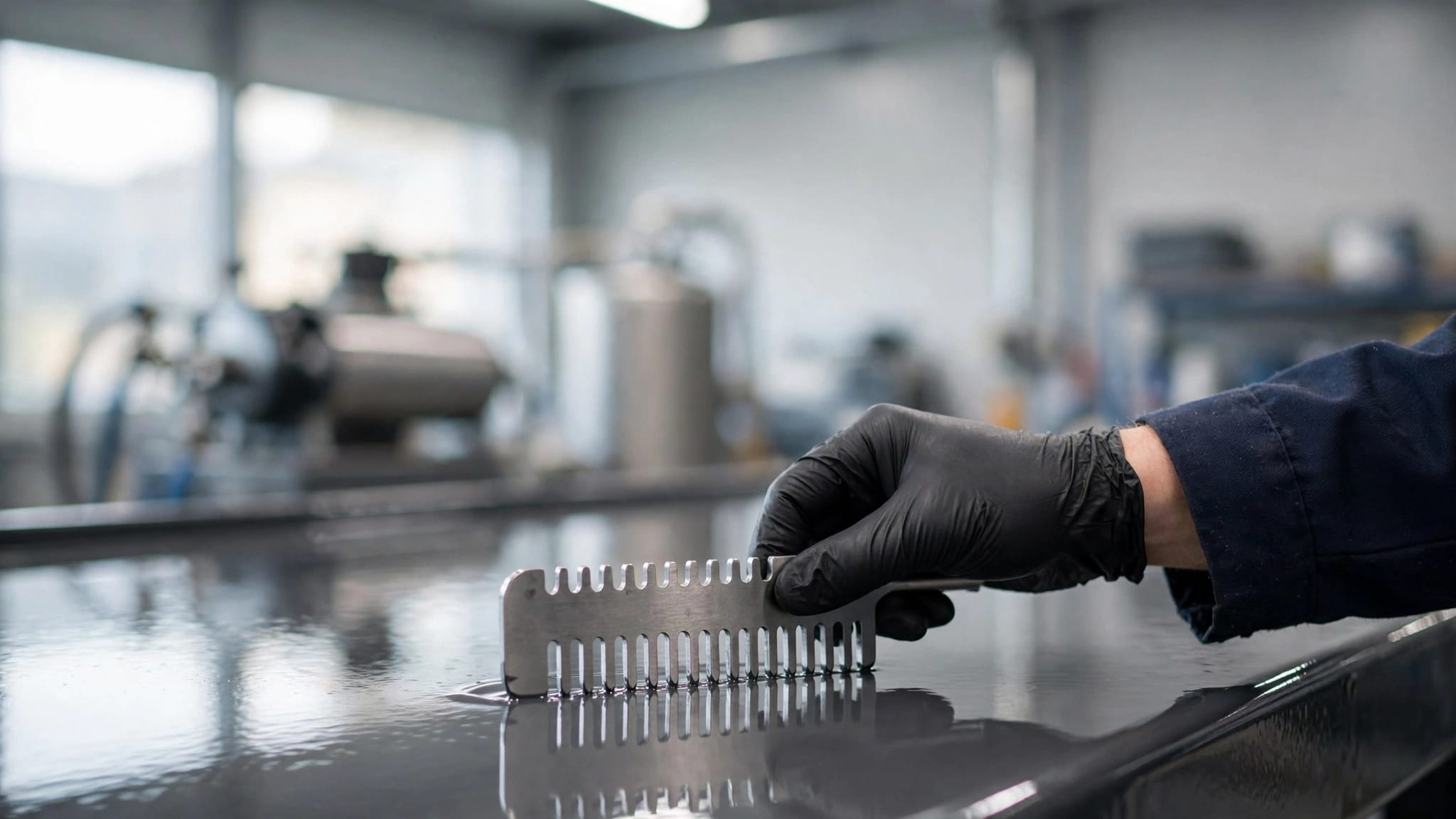
Document the inspection date and time, the work zone, the inspector, the applicable project requirements, and the dust assessment results. Identify the equipment or procedure used as required by the project. A site plan and photographs can help another person locate the same area later.
When cleanup is needed, keep the original finding in the record. Add the location, corrective work, and subsequent inspection results rather than replacing the first entry with a general statement that the area passed.
A dust record is most useful when it shows the condition before cleanup and the result after corrective work.
Keep these records with the coating system, preparation documents, and application information. Our industrial coating inspection checklist offers a framework for organizing findings by asset and zone.
Dust Is Only One Surface Preparation Check
Dust assessment is part of a larger inspection. A surface can be free of loose debris and still have another condition that affects coating performance.
For example, the blast-cleaning requirement describes the required prepared surface. SSPC-SP 6/NACE No. 3 commercial blast cleaning and SSPC-SP 10/NACE No. 2 near-white blast cleaning are different standards. Neither should be treated as a substitute for the project's dust assessment. Our article on surface preparation standards for industrial coatings discusses how preparation requirements fit the service area.
Surface profile is another separate check. It documents the texture of the blasted steel and helps determine whether that texture matches the coating system's requirements. Dust assessment doesn't measure the profile, and profile measurement doesn't establish that the surface is free of dust.
Soluble salts also require separate consideration. They can remain on steel even when it appears clean, and a dust assessment doesn't measure them. Depending on the project, salt testing may be included before coating.
Environmental readings matter too. Surface temperature, air temperature, humidity, and dew point help establish whether conditions are suitable for application. Visible dryness alone doesn't rule out condensation risk.
What to Ask an Industrial Painting Contractor
For a facility owner comparing proposals, preparation details can be as important as the coating product. A proposal that says only "blast and paint" leaves room for uncertainty about cleanup, inspection, and corrective work.
Ask how the contractor will divide the work into manageable areas and protect prepared steel from later contamination. The scope should identify who performs the required inspections, how findings are recorded, and what happens if a surface needs more cleaning.
Also look for a clear sequence between preparation and application. On tank work, for example, an inspection plan may include surface cleanliness and profile checks before coating, followed by environmental readings and film thickness measurements at the appropriate stages. Our guide to tank lining inspection requirements describes how those checks fit into a coating project.
At EFC Painting Contractors, we offer industrial coating and inspection services in Southwest Florida. A well-defined scope gives both the facility and the coating team a shared record of the work.
Decide Whether the Steel Is Ready for Coating
Before releasing an area for primer, bring the inspection records together. The dust findings should be resolved alongside the specified surface preparation, profile, and environmental checks.
If loose dust remains, clean the affected steel and inspect it again. If work nearby has contaminated an area after inspection, reassess that area before coating. Keep the original findings and corrective actions in the project record.
The decision should apply to an identifiable area, not an assumption about the entire job. That approach helps the crew protect steel that is ready while addressing sections that need more work.
Give the Primer a Clean Surface
A dust inspection gives the project team a chance to find loose material before primer covers it. The strongest record identifies where the inspection took place and documents any cleanup and follow-up.
For facility owners, traceable preparation records make the coating decision clearer. Ask for a scope that connects surface cleaning, inspection, and primer application before the work begins.
More featured articles...