How Morning Dew Affects Exterior Painting in Southwest Florida
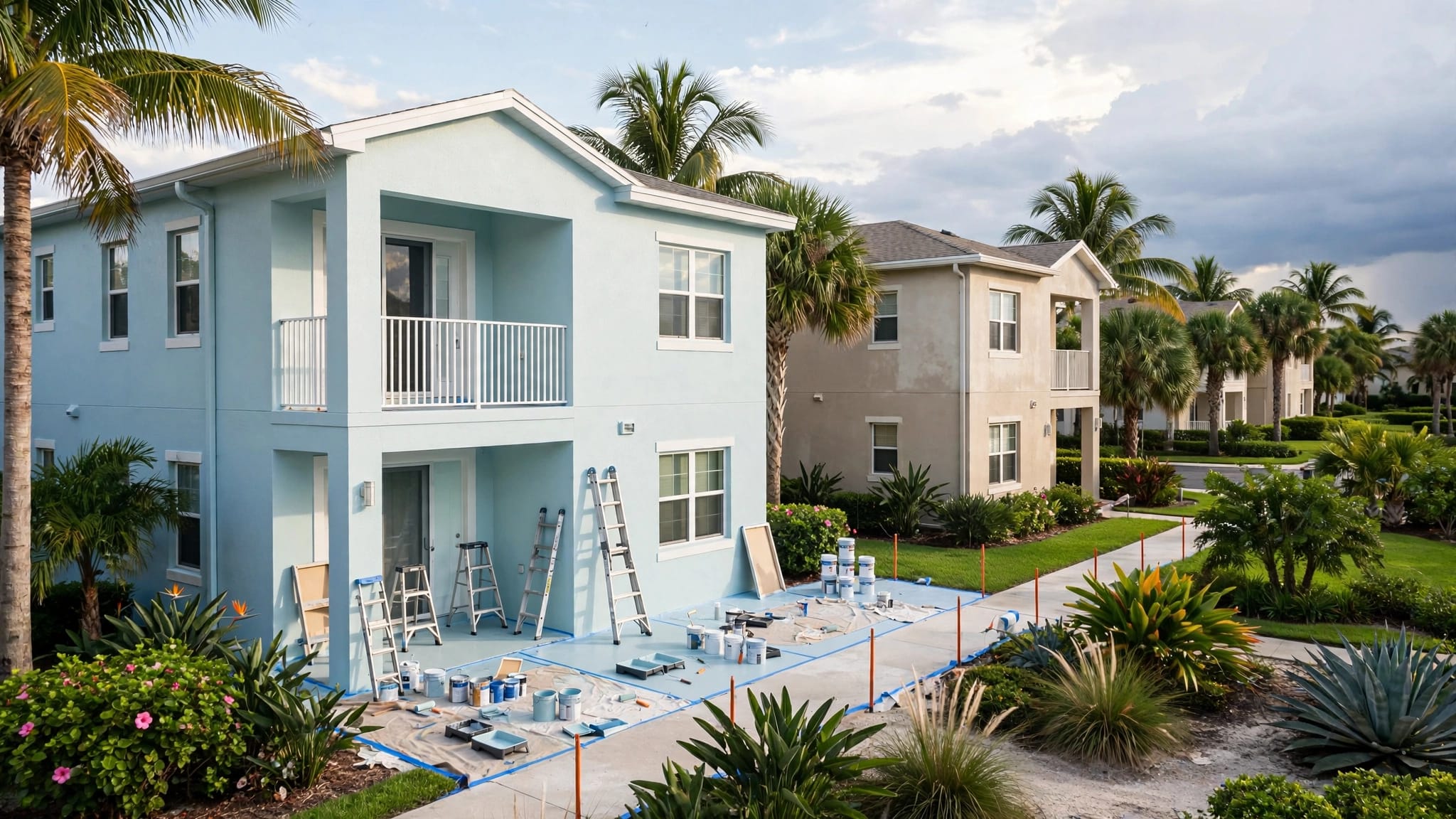
Picture this. You wake up early in Fort Myers. The air feels crisp. Your stucco walls look bone-dry under the rising sun. So you start painting. Hours later, blisters form. Paint peels right off. Morning dew exterior painting traps hidden moisture. It ruins fresh coats fast in Southwest Florida's humid climate.
Homeowners chase cooler mornings to beat the heat. That's smart. But dew lingers longer here than you think. High humidity keeps surfaces damp even after sunrise. That slows drying. It weakens adhesion on stucco, siding, and trim. As a result, your project fails early.
This guide breaks it down. You'll learn why dew matters. Plus, get tips to paint safely. Keep reading to protect your investment.
Why Morning Dew Forms and Sticks Around in Southwest Florida
Dew happens when air cools overnight. Moisture condenses on cool surfaces. In Southwest Florida, nights stay warm. Yet relative humidity often tops 80 percent. So dew points stay high. That means grass, stucco, and metal stay wet until mid-morning.
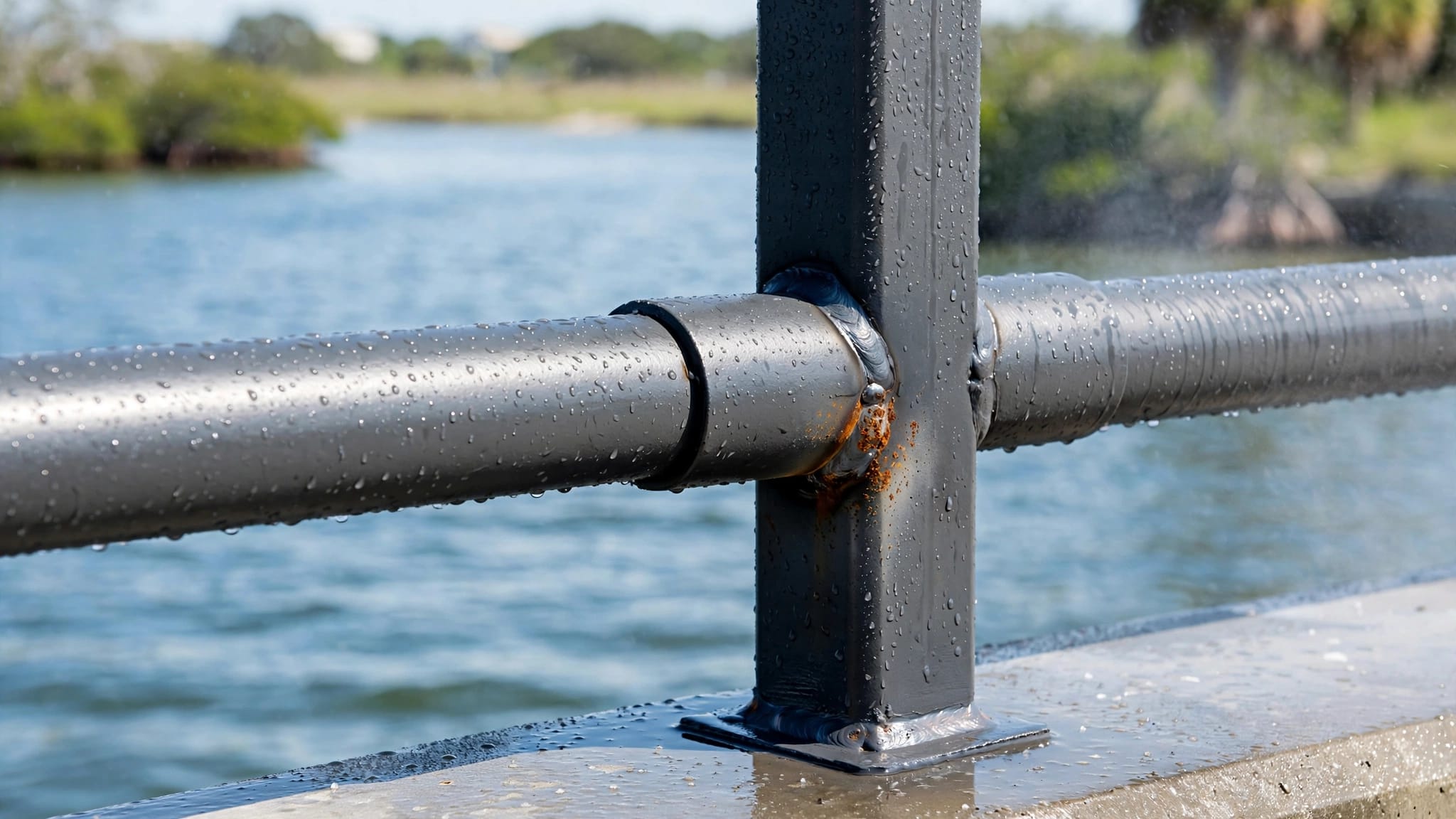
Think of it like a cold drink on a hot day. Sweat beads up fast. Your home's exterior does the same. Stucco soaks it up because it's porous. Siding holds droplets in textured spots. Fascia and soffits under eaves trap it worst. They face less wind and sun.
Local weather amps this up. April mornings in Naples hit dew points near 70 degrees Fahrenheit. Air holds more water vapor then. Surfaces need hours to dry fully. Even if they feel dry to touch, moisture hides inside. Painters miss it without checks.
Humidity doesn't quit after dew burns off. It hangs around all day. That extends drying times for paint. Acrylic coats need dry surfaces to cure right. Wet ones lead to bubbling later.
Dew's Impact on Paint Drying for Stucco and Siding
Stucco rules Southwest Florida homes. It's breathable but thirsty. Morning dew seeps into pores overnight. By dawn, walls hold water deep. You wipe the surface. It looks ready. But inside, moisture blocks paint bonds.
Take a typical Fort Myers ranch. North side stays shaded. Dew evaporates slow there. Paint applied at 8 a.m. sits on damp stucco. The film traps water. Bubbles push up within days. Cracks form as it dries unevenly.
Siding tells a different story. Fiber cement sheds dew better. Yet grooves catch it. Trim edges stay slick. Paint beads up instead of sticking. Fascia boards overhead drip onto fresh walls below. Soffits collect it like a pan. One drip ruins a section.
Exterior doors and lanai screens face extra risk. Metal doors chill fast at night. Condensation builds thick. Wood trim swells slightly. Paint cracks when it shrinks later.
High dew points worsen all this. When air temperature nears dew point, drying stalls. Check apps like Weather Underground. They show local dew points hourly. In April 2026, Fort Myers averages 68 degrees at sunrise. Wait till it climbs 10 degrees above that.
For full details on local projects, see what to expect during a Southwest Florida exterior paint project.
Hidden Dangers of Early-Morning Painting on Common Surfaces
You save time painting at first light. Crews beat traffic. Heat stays low. But morning dew exterior painting risks failure. Fresh paint needs dry substrates. Moisture above 15 percent causes issues.
Stucco hits trouble first. It absorbs dew like a sponge. Even low levels soften the surface. New acrylic paint cures soft. UV hits later. It chalks fast.
Trim and doors suffer next. Wood drinks dew through end grains. Swelling lifts old paint. New layers crack at joints. Lanais get chlorine mist too. Dew mixes in. It etches finishes quick.
Fascia and soffits hide worst moisture. Eaves block breeze. Dew pools in seams. Paint there drips down. It flashes uneven on walls below.
One pro tip stands out. Test moisture first. Plastic sheeting taped overnight shows condensation underneath. Wet? Wait. Or use a pin meter. Stucco over 12 percent? Hold off.
Ignore this, and problems spread. Blisters burst. Peeling starts at edges. Repairs double costs. Storms hit soon after. Wet paint washes off.
Coastal spots near Naples face salt too. Dew dissolves it. Salty water etches deeper. For more on that, check how salt air affects exterior paint near Naples beaches.
Smart Timing and Tests to Beat Dew During Exterior Jobs
Start later than you think. Aim for 10 a.m. in spring. Sun burns dew off by then. Winds pick up too. They speed evaporation.
Watch forecasts closely. Dew point below 65 degrees? Safer starts. Above 70? Push to noon. Apps give real-time data. Pair with surface checks.
Test surfaces simply. Wipe with a clean rag. Streaks mean wait. Or tape plastic for two hours. Droplets inside signal no-go.
Prep helps too. Wash day before. Let dry overnight. But avoid early coats. Prime shady spots last.
Choose paints wisely. Breathable acrylics handle trace moisture better. Elastomeric bridges tiny dampness. Still, dry is best.
On stucco-heavy homes, time repaints right. Most need refresh every 5 to 8 years here. See how often to repaint stucco exteriors in Southwest Florida for schedules.
Crew protection matters. Masks for overspray. Tarps catch drips. Daily cleanups keep sites neat.
Key Takeaways for Dew-Free Exterior Painting
Morning dew turns early starts into headaches. It soaks stucco, siding, and trim. High humidity drags drying. Always test moisture. Wait for sun and wind.
Your home deserves better. Smart timing saves rework. Pros know local dew patterns. They check dew points daily.
Ready for a reliable job? Call EFC Painting Contractors today. Get a free onsite estimate. Protect your Southwest Florida exterior right. What's your next paint project?
More featured articles...