How Long Before Pressure Washing New Paint in Florida
On a Florida home, wait about 30 days before pressure washing new exterior paint, and longer if the paint label says so. Many coatings feel dry within hours and can handle light rain within a day or two, but pressure washing is a different test.
That kind of water force can strip fresh paint, mark the finish, or push moisture into seams and caulk lines. In Florida heat and humidity, paint often looks ready before it has fully hardened, so the timing matters more than the calendar says at first glance.
The safest waiting period for Florida homes
Most homeowners should treat fully cured as the real starting line for pressure washing, not dry-to-touch. For many exterior paints, that means waiting two to four weeks. In humid coastal parts of Florida, 30 days is a safer rule.
Here's a simple way to separate the stages:
| Paint stage | Typical timing | What it means |
|---|---|---|
| Dry to touch | A few hours, sometimes longer | The surface feels dry, but the coating is still soft underneath. |
| Ready for rain | About 24 to 48 hours, if the label allows it | Light rain is less likely to leave marks, but the paint is not fully hard. |
| Fully cured | Usually 2 to 4 weeks, sometimes longer in Florida | The coating has hardened enough for gentle washing, and often for low-pressure cleaning. |
| Ready for pressure washing | After full cure, often around 30 days | Use the manufacturer's cure time as the final word. |
Dry to the touch is not the same thing as hardened enough for a pressure washer.
If you can press a fingernail into the paint, it's still too soon. If the finish feels solid and the label says it has cured, then you can move to careful cleaning.
Why Florida weather stretches the cure time
Florida gives new paint a tough mix of sun, moisture, and sudden rain. The surface can dry fast in hot weather, but the layers below it often need more time. That's why a wall can seem ready in the morning and still be soft in the afternoon.
Humidity slows the hardening process. Coastal salt spray adds another layer of stress. Afternoon thunderstorms can also hit before the coating has settled. In other words, Florida paint jobs often need more patience than the same paint would need in a drier state.
Homes in Fort Myers, Naples, and nearby Gulf Coast communities deal with another issue, mildew. If mildew was already on the wall before repainting, handle it before the new coat goes on with how to clean exterior mold and mildew. Once fresh paint is on the wall, the goal changes from removal to protection.
Sun exposure matters too. A wall in full afternoon sun may dry faster on the surface than a shaded side of the house. That does not mean it is cured. It only means the top layer set first.
How different exterior surfaces change the answer
The surface under the paint affects how long you should wait. Some materials hold moisture longer. Others flex more, which can make fresh paint more vulnerable when water hits it too soon.
Stucco
Stucco is common in Florida, and it can stay damp longer than people expect. Its texture also gives pressure washers more places to catch and lift the coating. After a stucco repaint, wait toward the longer end of the cure window.
If the stucco had patch repairs, give those spots extra time. Patch material, primer, and finish coat do not always dry at the same rate.
Wood
Wood needs care because it moves with heat and moisture. Fresh paint on wood trim, fascia, or siding can look fine on the surface while the board underneath is still settling.
That is one reason wood often reacts badly to early pressure washing. Water can slip into joints, open up old caulk, and leave a rough edge where the washer hits. Keep wood on the conservative side of the timeline.
Fiber cement
Fiber cement boards are more stable than wood, but the coating still needs time to cure. They can handle Florida weather well once painted, yet fresh paint should not be blasted early just because the board feels sturdy.
Use the paint label as your guide. If the finish is a standard acrylic exterior coating, the usual cure window still applies.
Masonry
Painted masonry, such as block walls or concrete surfaces, may seem tough enough for early washing. The problem is the coating, not the block. Masonry can hold moisture inside, and fresh paint can be slower to harden on porous material.
If the project used a thick coating or elastomeric product, expect a longer wait. Those finishes are built for protection, but they often need more time before any washing at all.
Latex acrylic vs oil-based paint
Most Florida exterior painting jobs use 100% acrylic latex because it handles sun and moisture well. It usually dries faster than oil-based paint, but that does not mean it is safe to pressure wash sooner.
Oil-based paint can take longer to harden. It may feel dry after a while, yet still need a longer cure period before any aggressive cleaning. Either way, the label matters more than the paint family alone.
A quick comparison helps:
| Paint type | Typical behavior | Washing caution |
|---|---|---|
| Acrylic latex | Dries faster and is common on Florida exteriors | Wait for full cure before pressure washing. |
| Oil-based | Often takes longer to harden | Give it extra time, and follow the product instructions closely. |
If the manufacturer gives a specific cure time, use that over any general rule. That guidance is tied to the exact formula, sheen, and weather conditions for the job.
Safer ways to clean before the paint is fully cured
Fresh paint still needs time, but that doesn't mean you have to leave dust and pollen on the wall. Use the gentlest method that gets the job done.
Some safer interim options are:
- Rinse loose dust with a garden hose on a light setting.
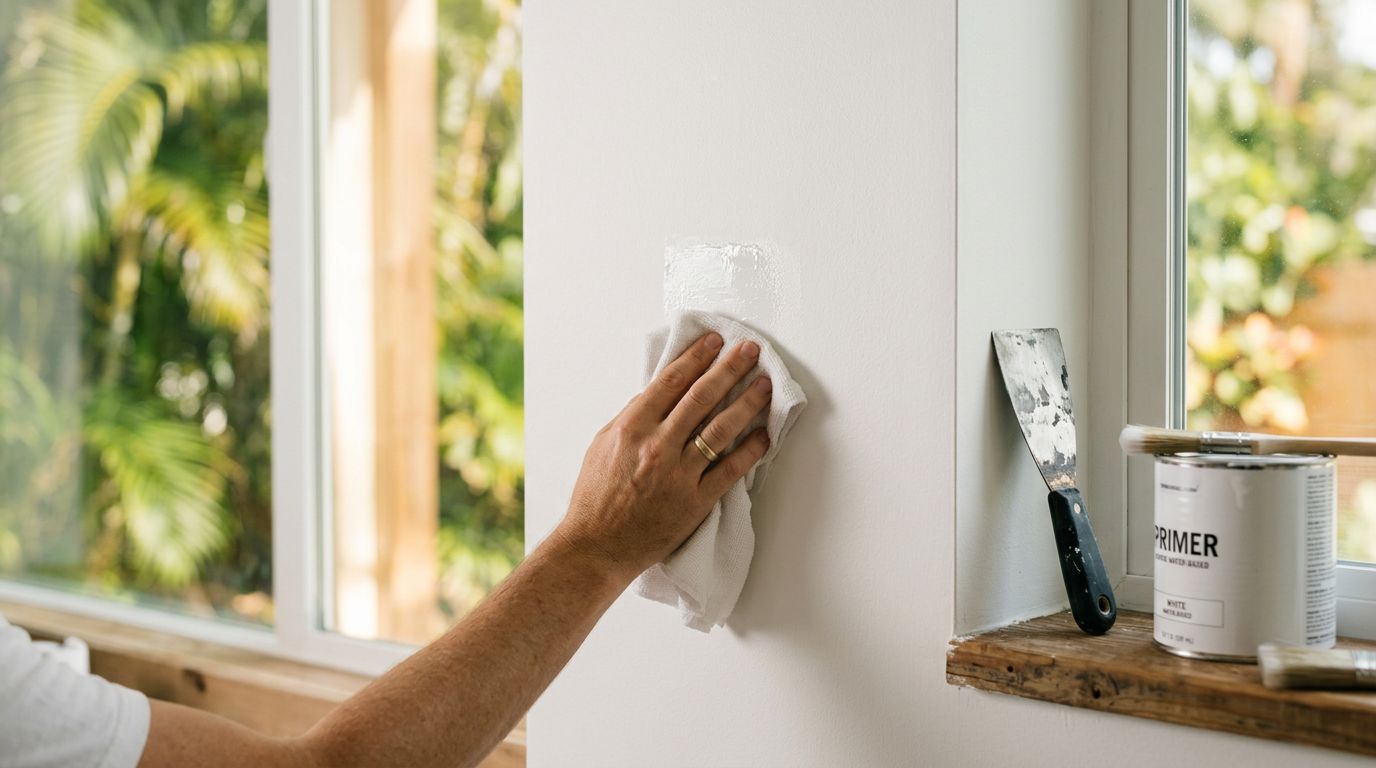
- Wipe small spots with a soft microfiber cloth.
- Use a bucket of water with a mild soap for touch-up marks.
- Blow away dry debris with a leaf blower on low.
- Let bird droppings or sap soften with water first, then blot them away gently.
Avoid scrub brushes with stiff bristles. Avoid strong cleaners unless the paint maker approves them. And avoid testing a new stain with a pressure washer just because it feels faster.
A soft brush and mild soap are usually enough for small areas once the paint has had a little time to settle. For big cleaning jobs, patience protects the finish.
How to pressure wash after the paint has cured
Once the coating has fully cured, use the gentlest pressure that still removes dirt. A soft-wash approach is better than blasting the wall.
- Start with a hose rinse to remove loose grit.
- Test a hidden spot first.
- Use a wide fan tip, not a narrow spray.
- Keep the wand moving and stay back from the surface.
- Watch edges, seams, caulk lines, and trim carefully.
- Stop if the paint dulls, lifts, or flakes.
The goal is to clean the surface, not peel it. Painted stucco, wood trim, and repaired areas need special care because water can find weak spots fast.
For trim-specific upkeep after the finish cures, how often to repaint home trim can help you plan the next maintenance cycle without guessing.
Conclusion
For Florida homeowners, the safest answer is simple, wait until the paint has fully cured , which is often about 30 days. Dry-to-touch and rain-ready are early milestones, but they do not mean the finish can take pressure washing yet.
Florida heat, humidity, and coastal weather make that wait more important, not less. When in doubt, follow the paint manufacturer's cure-time guidance, then clean with low pressure and a light hand.
That patience protects the finish you just paid for, and it keeps a fresh exterior looking better for longer.
More featured articles...