How To Remove Mildew From Exterior Paint Before Repainting In Florida
Florida's sticky humidity turns exterior paint into a mildew magnet. You spot those black or gray patches on your stucco or siding, especially after rainy spells. They spread fast on shaded walls or coastal spots hit by salt air.
Ignoring them before repainting leads to peeling and callbacks. New paint traps spores underneath. It bubbles or stains within months. You need a clean surface first.
This guide walks you through spotting mildew, safe removal, drying tips, and prevention. Follow these steps, and your repaint lasts longer in Southwest Florida's tough weather.
Spot Mildew Before It Ruins Your Prep Work
Mildew looks like dirt at first glance. However, it wipes off as a powdery residue. Rub a spot with a damp cloth. If it smears black or leaves a musty smell, that's mildew.
Dirt rinses clean without residue. Algae grows green and slimy, often on roofs or gutters. Mildew favors damp, shaded areas like north walls or under eaves. In Florida, constant moisture from April rains feeds it.
Coastal homes see it quicker. Salt traps humidity. Check eaves, trim, and low spots near sprinklers. Test multiple areas. Early spots prevent full outbreaks.
Inspect during dry spells. Walk your property after dew burns off. Note patterns. Shade and poor airflow signal trouble spots.
Gear Up with the Right Tools for Safe Cleaning
Start with protection. Wear gloves, goggles, and a mask. Mildew spores irritate skin and lungs. Cover plants with sheets. Tape off windows and doors.
You'll need a stiff brush, garden hose, and pump sprayer. Skip high-pressure washers. They damage paint. Use low pressure, under 1500 PSI if needed.
Mix a cleaner: one cup bleach per gallon of water. Or grab a mildewcide like Wet & Forget. Test it on a hidden spot first. Wait 15 minutes. No paint lift means go ahead.
Bucket, ladder, and drop cloths round it out. Work in sections. Florida sun dries cleaners fast. Shade helps them soak in.
Clean Mildew Step by Step Without Damaging Paint
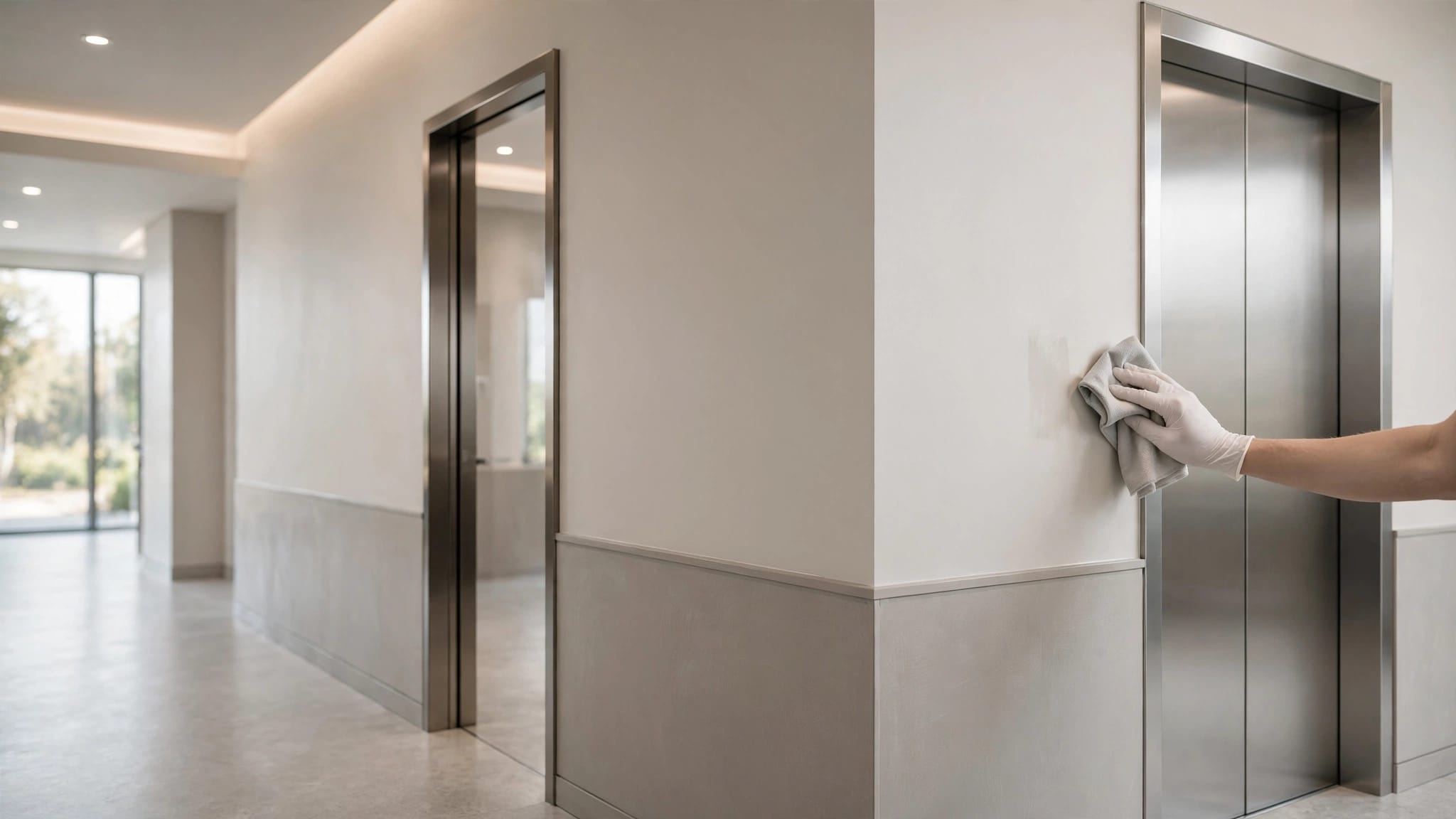
Wet the area first. Hose it down top to bottom. This loosens dirt.
Spray your bleach mix. Let it sit 10 to 15 minutes. Scrub gently with the brush. Work in circles. Rinse thoroughly from top down.
For stubborn spots, repeat. Or add TSP substitute for grease near garages. Rinse again. No residue left behind.
North walls take longer. Shade slows drying. Coastal salt needs extra rinses. Do this mid-morning. Dew dries, but humidity stays below 70 percent.
Divide big jobs over days. One elevation per session. This avoids overload. Check progress after 24 hours. Spots gone mean success.
After cleaning, your surface shows true condition. Loose paint or cracks appear. Address them now.
Let Surfaces Dry Fully Before Repainting
Florida humidity tricks you. Walls look dry but hold moisture. Wait 48 to 72 hours minimum. Shaded or coastal spots need more.
Fan airflow if possible. Turn off sprinklers. Trim bushes back. Good circulation speeds it up.
Use the plastic test. Tape sheeting over a spot for 24 hours. No condensation underneath? It's ready. Moisture meters work great on wood trim.
Rainy season hits hard now in April 2026. Check forecasts. Need two dry days ahead. For details on drying time after pressure washing for Florida repaints, see this guide.
Rushing leads to blisters. Paint traps water. Your new coat fails early.
Pick Mildew-Resistant Primers and Paints for Florida Homes
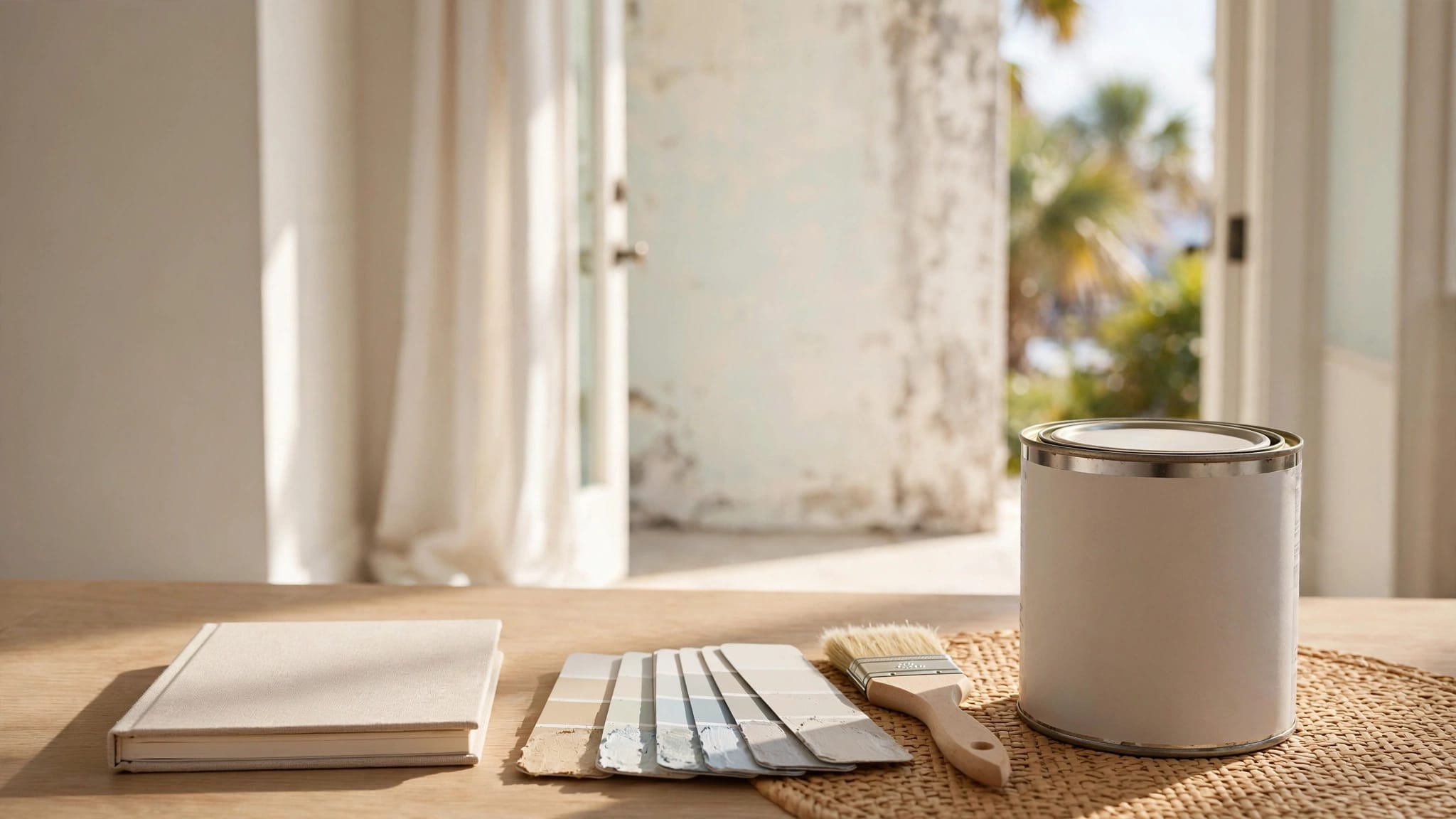
Prime first. Use a stain-blocking primer like Zinsser. It seals spores. One coat on cleaned spots.
Choose 100 percent acrylic latex paints. They resist mildew and flex in heat. Look for built-in mildewcides. Brands like Sherwin-Williams Duration or Behr Marquee fit humid climates.
Satin finish sheds water best. Flat hides texture but mildews faster. Lighter colors reflect sun on south walls.
Coastal? Add UV blockers. Elastomeric works on cracked stucco. It bridges gaps. Check stucco repainting frequency in Southwest Florida for timing tips.
Apply two coats. Thin first, full second. Paint mornings. Avoid evenings when dew forms.
Prevent Mildew Return After Your Fresh Paint Job
Trim trees for sunlight. Airflow fights spores. Redirect sprinklers. Wet walls invite growth.
Rinse walls yearly. Hose off salt and pollen. Early spring or fall works best.
Caulk cracks tight. Seal around windows. Water sneaks in otherwise.
Paint lasts 5 to 8 years here. Shade cuts that short. Coastal homes repaint sooner.
For the full picture, read what to expect in SWFL exterior repainting process. Pros handle timing right.
Quick Recap and Next Steps for Lasting Results
Clean mildew thoroughly. Dry completely. Use resistant products. Prevent with smart habits.
Your exterior stays fresh through rains and humidity. Spot issues early next time.
Tackle it yourself for small jobs. Big homes? Call local pros. They know Florida quirks. A solid prep job pays off for years.
More featured articles...