Coating Cure Time Before Immersion Service
Industrial coatings must reach their specified immersion cure before a tank or other lined surface is filled. The required wait depends on the product, the liquid it will contain, and the conditions during curing.
A coating can feel dry long before it's ready for continuous contact with water or chemicals. For facility owners planning a shutdown, that distinction affects both the return-to-service date and the life of the lining.
The safest schedule starts with the coating system's immersion requirements, then accounts for the conditions inside the tank.
Why Immersion Requires More Than a Dry Surface
Drying and curing describe different parts of a coating's development. Drying often involves water or solvent leaving the film. Curing can involve chemical reactions that develop the properties needed for service.
A coating's surface may harden while material beneath it is still curing. Continuous liquid exposure at that stage can interfere with the film and increase the risk of softening, blistering, adhesion loss, or premature failure.
Immersion also places different demands on a lining than occasional splashes or exterior weather. The liquid stays in contact with the surface, including welds, seams, and areas around fittings. Its temperature, chemical concentration, and length of contact all affect the system's suitability.
The required immersion cure is the manufacturer's stated condition for the intended service. Some products use the term "full cure" for that milestone, while others list a separate immersion or chemical-service time. Either way, surface dryness alone isn't a release criterion .
Understand the Four Coating Milestones
A product data sheet may list several times for the same coating. Each one permits a different activity.
| Milestone | What it means | What it doesn't establish |
|---|---|---|
| Dry-to-touch | The surface can be touched as defined by the product's test conditions. | The film is ready for handling or liquid exposure. |
| Recoat | Another specified coat can be applied within the stated window. | The complete system is ready for service. |
| Handling | The coating has developed enough resistance for the stated handling conditions. | It can withstand continuous immersion. |
| Immersion cure | The coating has reached the stated condition for the specified immersion service. | The system is suitable for every liquid or operating temperature. |
The table's main distinction is practical: each milestone authorizes only the activity it describes .
A recoat schedule can include both a minimum and a maximum interval. Applying the next coat too early or missing the allowed window can affect the bond between coats. If the maximum interval passes, the system may need additional preparation before recoating.
Handling times also deserve attention during a shutdown. Workers may need access for inspection or equipment installation, but the coating must be protected from damage during those activities.
How to Read an Immersion Cure Schedule
Start with the exact coating system and the service it will enter. A tank lining may have separate requirements for water, a particular chemical, or potable water. A general "service" time on the same sheet may not apply to immersion.
Match the Time to the Service
One PPG product data example illustrates why the distinction matters. At 77 degrees Fahrenheit , its listed cure is eight hours for standard service and three days for NSF 61 service. Those figures apply to that product's stated conditions, not to other linings.
For drinking water projects, the system's potable-water requirements also affect the release plan. Our guide to internal linings for potable water storage tanks covers selection and return-to-service considerations.
Read the Conditions Alongside the Number
The time in a table belongs with its stated temperature and other application conditions. A schedule listed at 77 degrees Fahrenheit doesn't automatically apply when the tank wall is colder.
The project specification should identify when the immersion-cure interval begins. For a multi-coat system, the final coat or a repaired area may govern the release date. Keep those dates in the project record rather than counting from the day surface preparation started.
Coating Chemistry Changes the Waiting Period
There is no single cure schedule for a material category such as epoxy. Formulation matters, as do the liquid exposure and the manufacturer's application requirements.
Two-Component and Moisture-Curing Products
Many tank linings use two-component coatings, including certain epoxies. Their components must be mixed in the specified proportions so the coating can develop its intended properties. Temperature affects the reaction, and a cold substrate can extend the required cure.
Other coatings rely on moisture in the air as part of their curing process. For these products, humidity can affect the cure differently than it does for a waterborne coating. The product's own limits matter more than a general rule about humid weather.
Waterborne and Solvent-Containing Coatings
Waterborne products need water to leave the film. High humidity can slow that process. Solvent-containing coatings also need suitable conditions for solvent release, including the ventilation described in the application instructions.
Some linings need both evaporation and a chemical cure. A surface that appears hard doesn't show whether every part of that process has reached the immersion milestone. Product selection and the documented cure schedule provide a sounder basis for release.
Film Thickness and Application Method Matter
The coating needs enough thickness to provide its specified protection. At the same time, excess material can create curing or performance problems for some products.
Keep the Film Within the Specified Range
A thick film can retain solvent longer or cure differently than a film applied at the intended build. Runs, sags, and heavy areas around welds or fittings deserve attention because their thickness may differ from the surrounding surface.
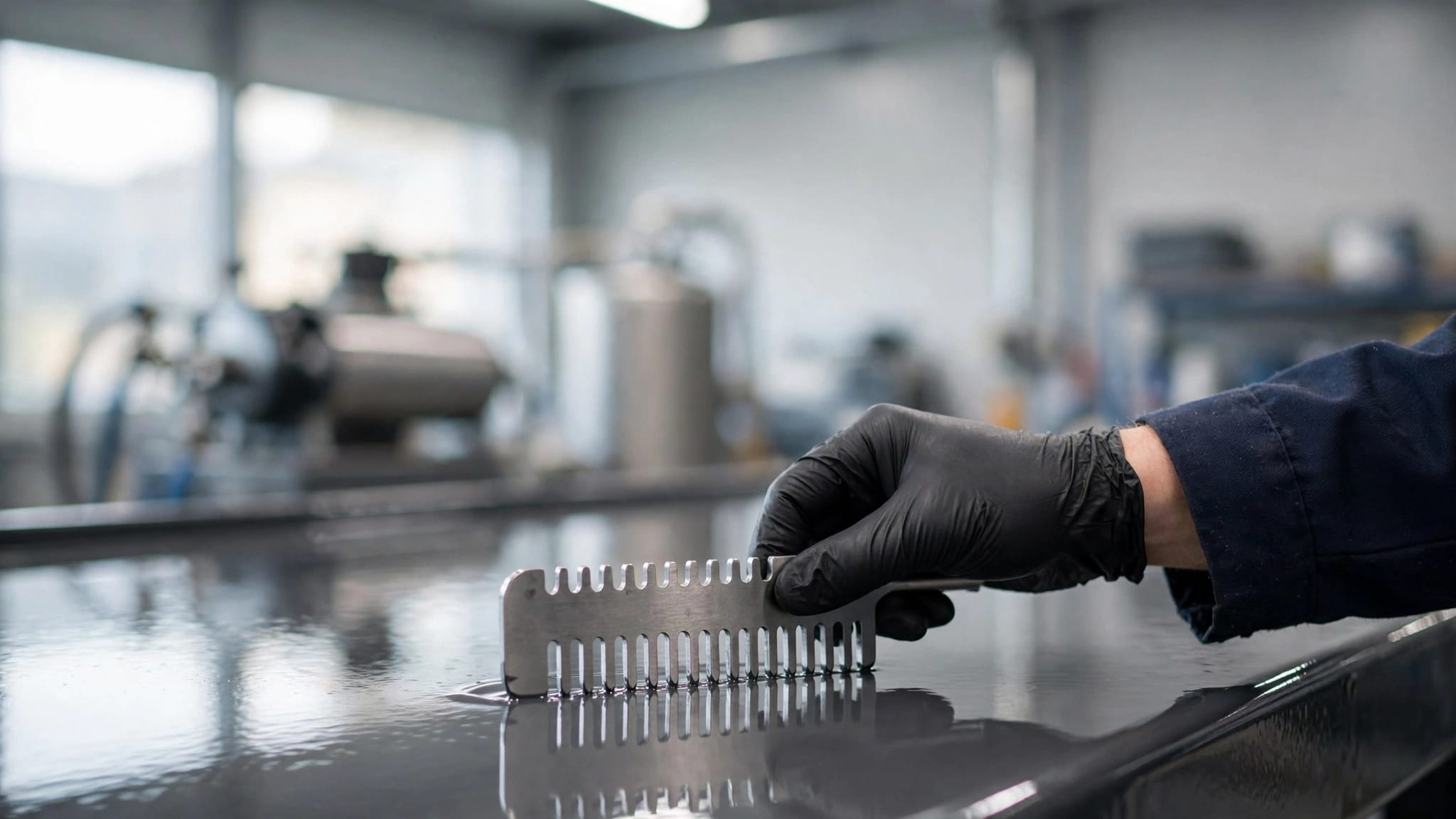
Too little coating presents a separate problem: it may leave an inadequate barrier even after the cure interval has passed. Our guide to measuring dry film thickness explains how measurements support inspection.
Account for Spray, Roller, and Repairs
Spray application, rolling, and brushing can produce different film builds. The approved method and coat sequence should match the product and project specification. Stripe coats may also be specified for edges, welds, and other difficult details.
Localized repairs need their own records. If a defect is repaired after the main lining has cured, that area may need additional time before immersion. The final release schedule should account for the repair material and the conditions under which it was applied.
Temperature, Humidity, and Ventilation Affect Cure
A warm afternoon doesn't necessarily mean a tank lining has remained warm throughout its cure. Steel can cool overnight, and the temperature of the substrate may differ from the air inside or outside the tank.
Watch the Substrate, Not Just the Air
Cure tables commonly tie time to temperature. When the coated surface remains colder than the listed condition, the required wait can be longer. Temperature changes during the cure period should be documented so the project's release decision reflects actual conditions.
Condensation is another concern. When a surface approaches the dew point, moisture can form on it and interfere with coating application or curing. Our guide to dew point and industrial coating application explains the measurements used to assess that risk.
Maintain Suitable Conditions Throughout Cure
Humidity affects coating types differently, while inadequate ventilation can slow the departure of water or solvent. Enclosed tanks need an environmental plan that addresses the coating's requirements and worker safety.
Controlled heating, dehumidification, or ventilation may help maintain suitable conditions when the project calls for them. Those controls must be appropriate for the coating and work area, especially where solvent vapors or confined-space hazards are present.
Conditions during application are only part of the record. Rain, dew, temperature drops, and changes in airflow can also matter after the crew finishes.
Build Cure Time Into the Shutdown Plan
The immersion cure is one part of the outage, not the entire schedule. Access, cleaning, surface preparation, repairs, coating application, and inspection all take place before the tank can return to service.
Schedule the Work Backward From Filling
The plan should identify the intended filling date, then allow the specified cure period under expected conditions. Before that period begins, the schedule must accommodate each coat and its recoat window.
Include time for weather interruptions and corrective work. A missed recoat window or a repaired holiday can affect the completion date. Comparing bids by application time alone can leave those steps out of the shutdown plan.
For wastewater facilities, different structures may have different exposures and operating constraints. Our article on wastewater plant coating specifications discusses how those conditions affect system selection.
Separate Cure Completion From Facility Release
A cured lining may still need inspection, cleaning, or other steps before filling. Potable-water tanks can also have disinfection and water-system procedures that belong in the owner's schedule.
Assign responsibility for the final release in the project scope. The coating contractor, inspector, and facility team should know which records and acceptance steps are required before operations resume.
Inspect and Document the Finished Lining
Time alone doesn't establish that a lining meets its specification. The project may also require thickness measurements, visual inspection, and testing for discontinuities called holidays.
Inspection should address welds, seams, penetrations, and repaired locations as well as broad surfaces. Where holiday testing is specified, the method and timing must suit the coating system. Any defects need repair and the applicable cure period before acceptance.
A useful closeout record brings the application and release information together. It can include product names and batch numbers, coat dates, environmental readings, thickness results, repair locations, and final inspection findings. Our industrial coating inspection checklist provides a framework for organizing coating records.
For Southwest Florida facilities, we provide industrial coating and inspection services. A written scope helps establish the exposure, application requirements, and expected shutdown before work begins.
Plan Around the Immersion Cure
The right coating cure time is the time stated for the specific system and intended immersion service under the applicable conditions. Dry-to-touch, recoat, and handling times each describe an earlier milestone.
Build the shutdown around that immersion requirement, with room for inspection and repairs. A documented release gives the facility a sound basis for putting the tank back into service.
More featured articles...