Dew Point and Industrial Coating Application in Florida
Dew point readings help determine whether an industrial surface can receive a coating without condensation interfering with adhesion. In Florida, the key comparison is surface temperature versus dew point , alongside the coating's temperature, humidity, and curing requirements.
A clear sky or dry-looking tank doesn't establish that conditions are suitable for application. Understanding the measurements helps you recognize when a contractor should proceed, adjust the work area, or pause.
Key Takeaways
- Air temperature, relative humidity, dew point, and substrate temperature describe different conditions; crews need all four.
- Keeping the substrate at least 5°F above the dew point is common practice, but manufacturer requirements and project specifications take precedence.
- Florida storms, overnight cooling, and shaded surfaces can change conditions during a shift.
- Recorded readings support application decisions, but they don't replace surface preparation, moisture testing, or cure requirements.
Four Readings That Govern Coating Conditions
A weather report describes general conditions. Industrial coating decisions require measurements at the actual work surface.
These four readings answer different questions:
| Measurement | What it means | Why it matters |
|---|---|---|
| Air temperature | Temperature of the surrounding air | Affects application, evaporation, and curing |
| Relative humidity | Percentage of saturation at the current air temperature | Helps describe drying conditions and calculate dew point |
| Dew point | Temperature at which the air becomes saturated as it cools | Indicates when condensation can begin |
| Substrate temperature | Temperature of the steel, concrete, or other surface | Determines the surface's margin above dew point |
The most useful comparison for condensation risk is substrate temperature minus dew point , often called the dew point spread.
Relative humidity depends on temperature. Therefore, cooling air can raise its relative humidity even without adding moisture. Dew point gives crews a temperature to compare directly with the substrate.
Meanwhile, the substrate may be warmer or colder than the surrounding air. Sunlit steel can become much hotter, while shaded metal or piping carrying cool liquids can remain colder.
That's why an air-temperature reading alone cannot establish whether a surface is ready for coating. Conditions can also differ between two sections of the same asset.
Why Florida Weather Changes the Application Window
Florida's combination of moisture, sunshine, and sudden rain makes a single morning reading inadequate for an entire shift.
Morning dew and evening cooling
Steel can cool overnight until its temperature approaches or reaches the dew point. Condensation may remain around seams, supports, shaded sections, and other areas that dry slowly.
After sunrise, exposed surfaces can warm faster than sheltered areas. Consequently, one side of a tank may have suitable conditions while another remains damp.
Evening creates the reverse problem. A surface that meets application requirements during the afternoon may cool toward the dew point before the coating develops sufficient moisture resistance. The application window must account for that early curing period.
Storms and rapid temperature changes
An approaching storm can reduce sunlight, cool exposed steel, and change local humidity. Rain also wets surfaces directly, regardless of the measured dew point spread.
Afterward, sheltered joints and porous concrete may retain moisture longer than exposed surfaces. Resuming work requires suitable surface conditions, not merely an end to rainfall.
Our guidance on Southwest Florida painting weather discusses seasonal scheduling. However, industrial work still depends on site readings and the selected coating system. Drier months can simplify planning, but no season eliminates condensation or rain exposure.
Apply the Dew Point Margin Correctly
A common practice is to keep the substrate at least 5°F (about 3°C) above the dew point during application. That separation provides a buffer against condensation.
However, this margin is not a universal approval rule. The coating manufacturer's requirements and project specifications take precedence. They also establish applicable limits for air temperature, substrate temperature, relative humidity, surface moisture, and curing conditions.
A suitable dew point spread doesn't authorize coating over visible water, contamination, or an improperly prepared surface. Likewise, meeting the spread doesn't mean a sun-heated substrate falls within the product's maximum application temperature.
A passing dew point spread describes condensation risk at the measured location and time. It doesn't establish that every application requirement has been met.
Trends also matter. If the surface is cooling or the dew point is rising, a marginal reading may become unacceptable during application.
The contractor should base the decision on the full set of requirements and the direction conditions are moving. The same approach applies to products intended for moisture-tolerant service; their written application requirements still control.
How Moisture Can Damage Industrial Coatings
Condensation can affect adhesion, appearance, and corrosion protection. However, different substrates introduce different moisture problems.
Steel: adhesion loss and corrosion
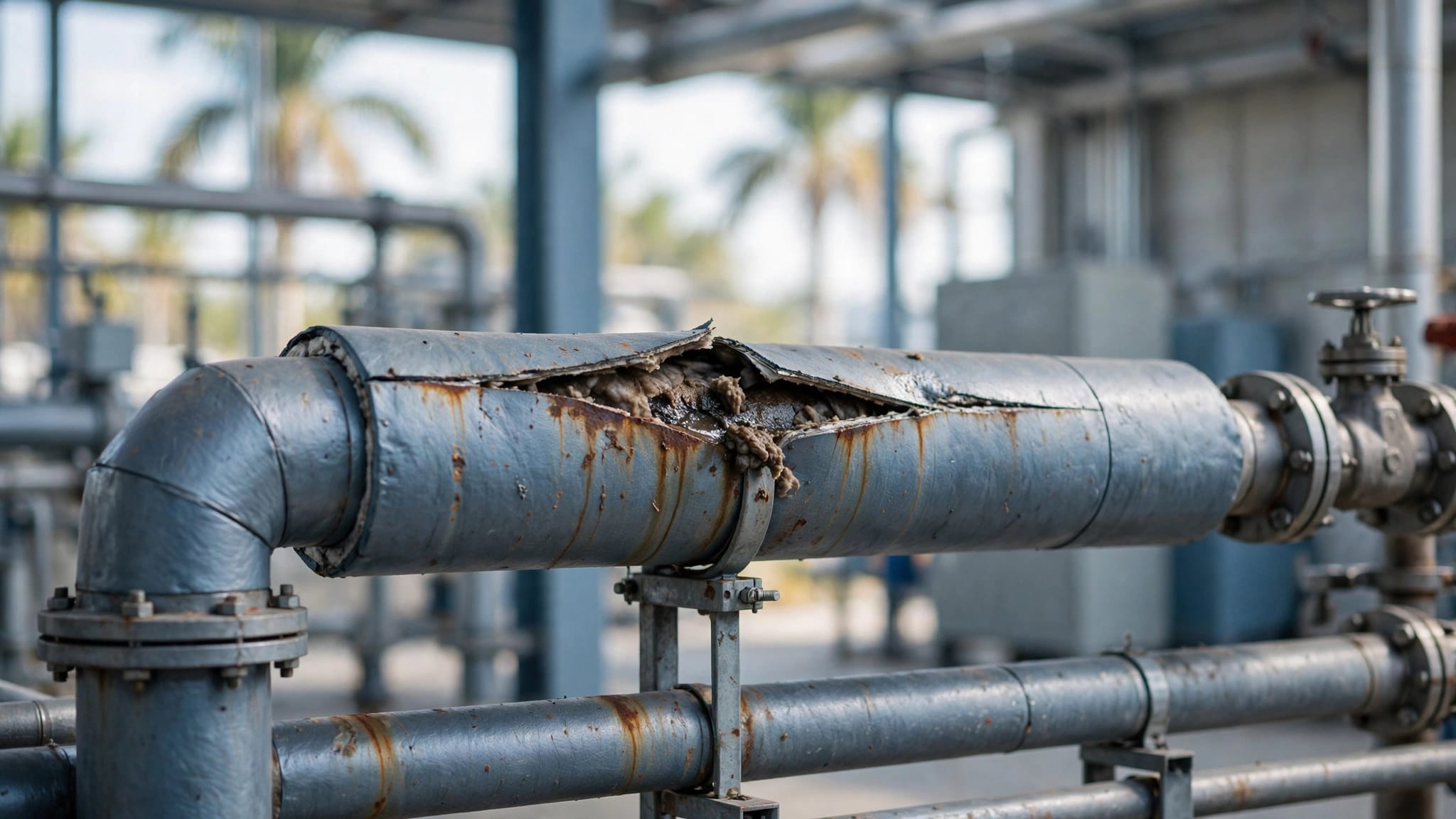
A thin moisture film can interfere with the bond between a coating and prepared steel. Water may also promote fresh rust on an exposed surface before the primer goes on.
After application, moisture-related problems can include blistering, peeling, or corrosion beneath the film. Coastal salt contamination adds another concern because soluble salts can attract moisture and contribute to blistering.
For that reason, acceptable weather readings cannot compensate for inadequate cleaning. Surface cleanliness, preparation quality, and environmental conditions must work together to protect the substrate.
Concrete: condensation versus internal moisture
Dew point readings help identify condensation risk at a concrete surface. They don't measure moisture within the slab or moisture moving through it.
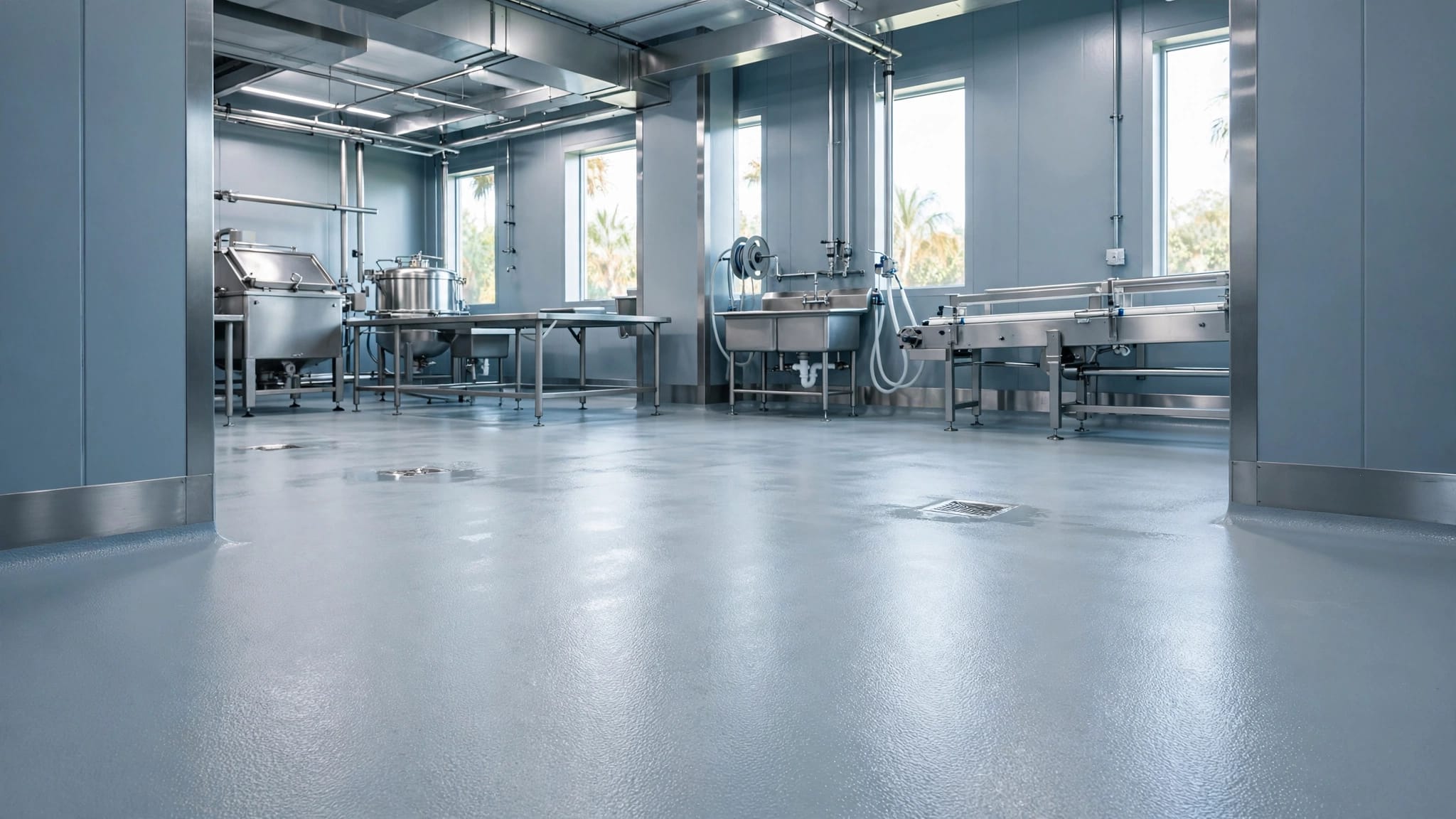
A floor can have an acceptable surface temperature and still present a moisture-related risk to an epoxy system. Depending on the specified system, the project may require separate concrete moisture testing and mitigation.
Rain, washdown water, and damp repairs also require attention before coating. These conditions call for different assessments, so a dew point meter cannot replace the moisture evaluation required for a concrete floor.
Measure and Document Conditions at the Work Area
Useful readings come from representative locations. A measurement taken beside an office door may say little about shaded piping or a tank wall.
Take readings where coating will happen
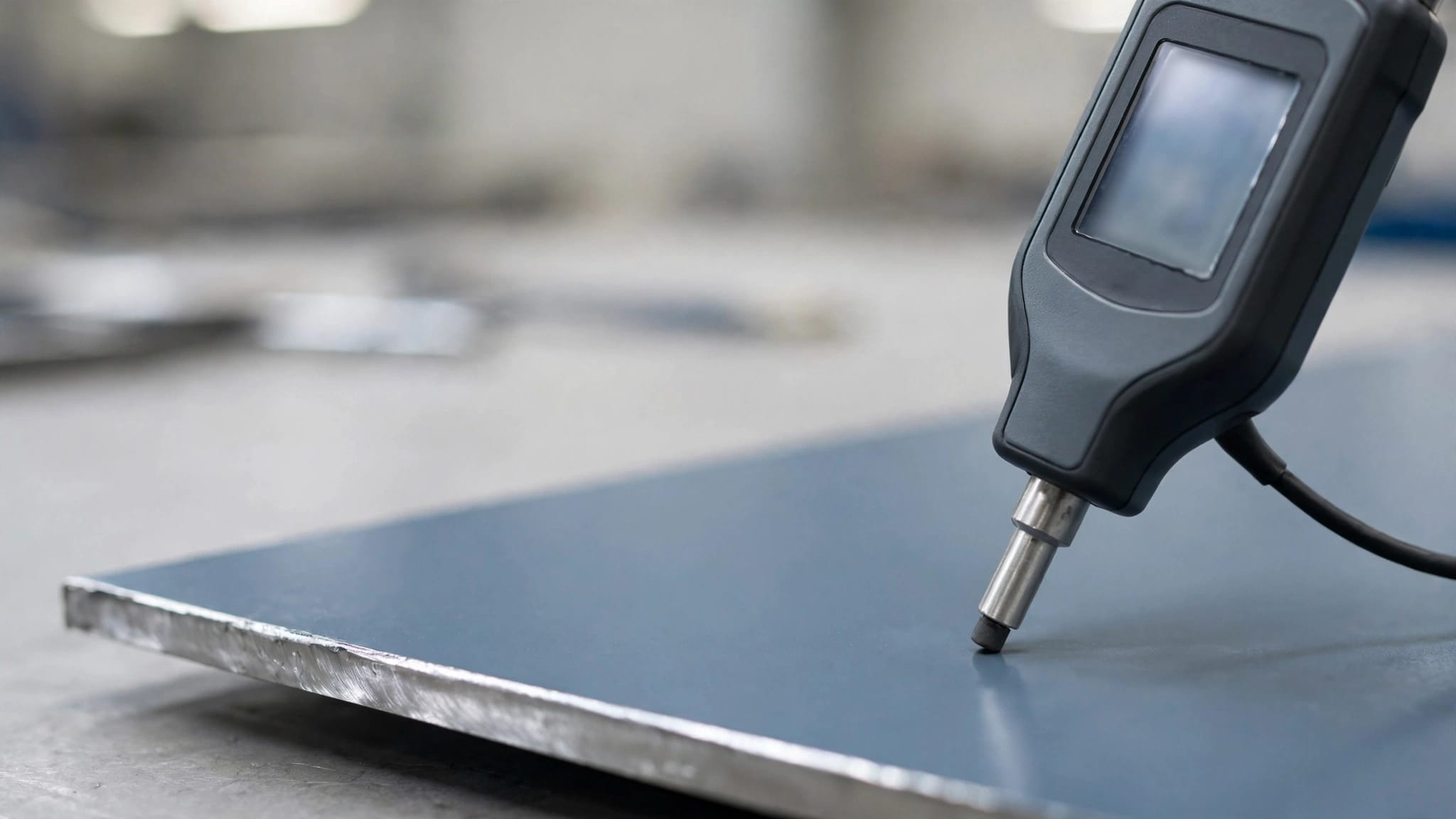
A dew point meter with a suitable surface-temperature sensor can measure air temperature, relative humidity, and substrate temperature, then calculate dew point and spread.
Allow the sensors to stabilize and use the instrument according to its instructions. Air readings should represent the work area rather than an unrelated heat source or exhaust outlet.
Measure more than one surface location when exposure varies. Shaded sections, lower elevations, and piping carrying cool fluids deserve attention because their temperatures can differ from nearby steel.
Take additional readings when weather, work location, or environmental controls change. The project specification determines any required measurement intervals.
Keep an environmental application record
A useful log identifies the date, time, asset, work zone, air temperature, relative humidity, dew point, substrate temperature, and calculated spread.
It should also identify the instrument and record relevant observations, including rain, visible condensation, surface dampness, or changing cloud cover. Connect those readings to the coating product, coat number, and application period.
Record pauses and the conditions that allowed work to resume. Product information, batch numbers, preparation records, and inspection results belong with the same asset history.
Our industrial coating inspection checklist covers how these records support maintenance and future coating evaluations.
Protect the Coating After Application
Acceptable conditions at the start don't guarantee acceptable conditions through curing. Florida projects need enough protected time for the applied system to reach its required stage before rain, dew, washdown, traffic, or service exposure.
Dry-to-touch, ready-to-recoat, and ready-for-service describe different milestones. A coating can feel dry while the underlying film remains soft or chemically incomplete.
Our explanation of paint drying versus curing describes that distinction for exterior paints. Industrial systems have their own product-specific recoat and service requirements.
Humidity affects coating chemistries differently. High humidity can slow water evaporation from waterborne products, while other systems depend on moisture for curing. Generic residential humidity limits shouldn't determine industrial application decisions.
Where the project calls for environmental control, containment, dehumidification, or controlled heating may help maintain acceptable conditions. Those measures must also preserve the ventilation and safety provisions required for the coating and work area.
What Facility Owners Should Expect From a Contractor
A coating proposal should identify the intended exposure, such as exterior weather, immersion, chemical contact, traffic, or washdown. That service environment helps determine the coating system and its application requirements.
The written scope should also address preparation, environmental monitoring, weather delays, and curing time. A fixed completion date without allowance for unsuitable conditions can encourage shortcuts.
At EFC, we provide industrial coating services and coating inspections across Southwest Florida. For facility owners, a useful contractor discussion connects the coating system to the asset's exposure and operational needs.
Look beyond whether the crew owns a meter. The important issue is how measurements influence decisions: which areas can proceed, when work must stop, and what records document those choices.
A planned delay is easier to manage than removing and replacing a failed coating. Weather allowances belong in the schedule before production begins.
Frequently Asked Questions
Can industrial coatings be applied when humidity is high?
Some systems permit higher humidity than others. Application depends on the product's requirements, substrate temperature, dew point spread, surface condition, and curing environment. There is no single humidity cutoff for every industrial coating.
Is a surface safe to coat if it looks dry?
Appearance alone isn't enough. A dry-looking surface may be close to the dew point, contaminated with soluble salts, or affected by internal moisture. Measurements and the specified preparation requirements provide stronger evidence than appearance or touch.
Does a good morning reading cover the entire day?
No. Sunshine, cloud cover, storms, and operational changes can alter surface temperatures and humidity. Readings need to represent the location and conditions during the work, with monitoring at the intervals required by the project.
Make Application Decisions From Surface Conditions
Dew point readings help protect industrial coatings when crews compare them with the actual substrate temperature. Their value comes from measured conditions and documented decisions , supported by proper preparation and curing.
Florida's weather makes that discipline especially important. The common 5°F margin is useful guidance, while the coating manufacturer's requirements and project specifications remain the basis for proceeding.
More featured articles...