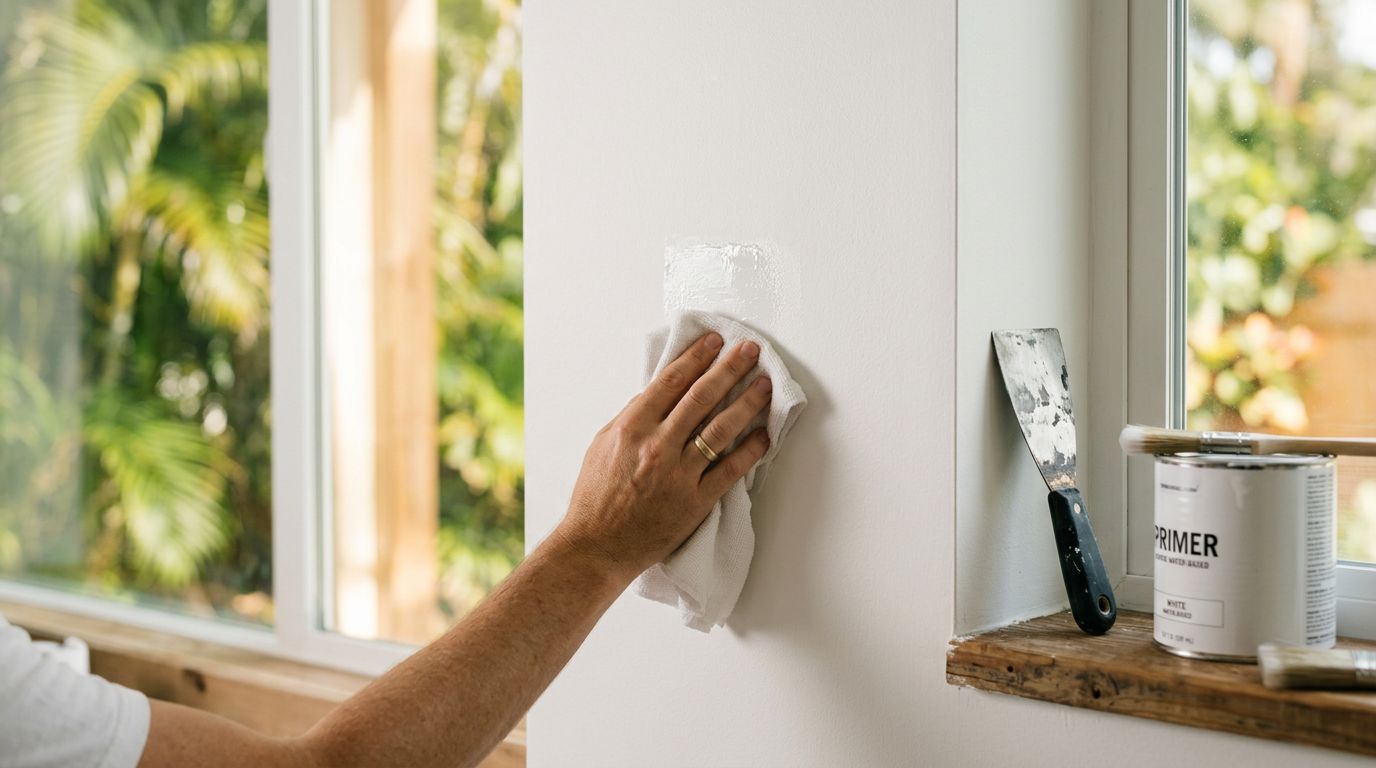
Leftover Paint Storage for Florida Heat and Humidity
The paint saved for your next repair can become unusable if it spends the summer in a hot Florida garage. Reliable leftover paint storage starts with a tight seal , a suitable location, and the product's safety instructions.
In Fort Myers, Naples, and surrounding communities, heat and moisture deserve attention even after the painting crew leaves. Water-based and oil-based products also have different storage hazards.
Start by identifying what you're keeping, then protect both the paint and the people around it.
Key Takeaways
- Keep paint in its original labeled container, with the lid securely closed and the can upright.
- Choose a cool, dry location that meets the product's storage instructions, away from sunlight and ignition sources.
- Restrict access by children and pets, and keep paint separate from food.
- Mold, unusual odors, and rubbery lumps are warning signs of deterioration.
- Florida disposal requirements vary locally, and oil-based products generally require hazardous waste handling.
Why Florida Conditions Complicate Leftover Paint Storage
Florida weather affects more than the finish on your walls. It also affects the containers holding your touch-up supplies.
Heat and direct sunlight
A shed, parked vehicle, or garage can expose paint to substantial heat. Direct sunlight adds another source of heating, even when a container sits indoors beside a window.
The label's storage directions should guide your choice of location. Application temperature limits describe conditions for painting, so don't assume they also define acceptable storage conditions.
A shaded shelf helps with sun exposure, but shade alone doesn't make an unconditioned space suitable.
Humidity and container damage
Humidity can encourage corrosion on metal cans and lids. Rust around the rim can interfere with the seal or contaminate paint when you reopen the container.
Moisture problems deserve attention even when a room feels cool. Look for condensation, roof leaks, or damp shelving.
Also, storage conditions and painting conditions are different. The guidance on Florida interior painting humidity limits concerns application and drying, rather than a universal humidity threshold for stored paint.
Identify Water-Based and Oil-Based Products First
The word "paint" covers products with different ingredients and hazards. Read the original label before assigning any container a storage spot.
Latex and acrylic paint
Most common latex and acrylic architectural paints are water-based. Their cleanup instructions usually call for soap and water, although the label remains the authority.
These products still need closed containers and protected storage. A water-based formula doesn't make leftover paint suitable for unrestricted access, food-storage areas, or disposal into drains.
Contamination can also spoil water-based paint. Keeping the lid closed between uses limits exposure to dirt and reduces unnecessary drying at the surface.
Oil-based paint and solvent-based coatings
Traditional oil-based paints often contain organic solvents. Many present fire or vapor hazards that require more precautions than ordinary water-based wall paint.
Keep the original warnings readable, and review the product's Safety Data Sheet when additional details are needed. Storage near a water heater, furnace, or other ignition source can conflict with those warnings.
However, "alkyd" doesn't always mean solvent-based. Waterborne alkyd coatings exist, so the cleanup directions, hazard statements, and storage instructions provide better guidance than the product category alone.
Seal and Label Paint Before Putting It Away
A bent lid or paint-filled rim can leave a gap that lets air enter. Close the container carefully rather than relying on a lid that merely looks seated.
Follow this sequence after the project:
- Wipe paint from the rim and lid's mating surfaces so dried buildup doesn't obstruct the seal.
- Inspect the lid and container for dents, corrosion, or damage that could prevent proper closure.
- Seat the lid evenly, then tap it closed with a rubber mallet or a hammer cushioned by a wood block.
- Add the room, surface, sheen, and project date without covering the original product identification or safety warnings.
Avoid striking the metal lid directly with a hammer. A distorted edge can make future closure less reliable.
Keep every container upright. This makes leaks easier to spot and keeps paint away from the lid during normal storage.
For leftover paint storage that supports future repairs, preserve the brand, product line, color code, base, and sheen. A color name alone may not identify the original coating.
Photograph the label and save it with your project records. If moisture later damages the paper label, you'll still have the details needed to discuss a replacement with your contractor.
Choose a Cool, Dry Location That Fits the Product
A convenient shelf isn't necessarily a safe shelf. Evaluate the room itself, including what happens when the building is empty.
Conditioned areas for suitable water-based paint
A dry, air-conditioned utility or storage area is generally a better candidate than a hot garage for ordinary water-based paint, provided the label permits it.
Choose a stable shelf away from windows, plumbing leaks, and damp exterior walls. Keep cans off wet floors and where you can inspect them without moving heavy equipment.
Don't use a refrigerator intended for food. Paint belongs apart from groceries, dishes, and food-preparation supplies.
Air conditioning also needs to remain dependable. A seasonal home can lose its controlled conditions when cooling shuts down or a storm interrupts power.
Additional planning for solvent-based products
Oil-based paint needs a location that satisfies its fire, ventilation, and temperature warnings. An occupied room or tightly enclosed household closet may be inappropriate.
For businesses, stored quantities and product classifications can affect fire-code requirements. A facility manager should review the Safety Data Sheet and applicable requirements before placing solvent-based coatings in a general supply room.
Properly rated storage may be necessary for certain products or quantities. A homemade cabinet doesn't automatically provide the protection of an approved flammable-liquid storage cabinet.
Keep Children, Pets, and Everyday Activities Away
Use restricted access , rather than relying only on height. Children can climb, and a can falling from a high shelf creates another hazard.
A locked storage area or suitable lockable cabinet offers better access control. Containers should also remain stable, rather than balanced near shelf edges or stacked where they could topple.
Keep paint apart from pet food, toys, and household food supplies. Never leave an open can or paint-filled tray unattended where a child or animal can reach it.
Odor also deserves attention. A strong paint smell around closed containers may indicate a poor seal or leak that needs investigation.
Opening paint introduces different ventilation needs than storing sealed containers. Guidance on safe airflow during interior painting can help when painting resumes, but a fan doesn't compensate for an unsafe storage location.
Recognize When Stored Paint Has Deteriorated
A container's age alone doesn't establish whether its contents remain usable. Product condition, contamination, and storage history all matter.
Warning signs inside and outside the can
Visible mold, an unusual sour odor, thick rubbery lumps, or a stubborn surface skin are warning signs. Paint with these problems doesn't belong on a finished wall.
Separation alone is less conclusive because pigments and other ingredients can settle. However, material that remains lumpy or inconsistent after normal mixing warrants rejection or advice from the manufacturer.
Inspect the container, too. Heavy corrosion, leakage, or a damaged lid can compromise both the paint and safe handling.
If floodwater entered the container, appearance alone isn't a reliable basis for keeping it.
Usable paint may still leave visible touch-ups
Stored paint can remain usable while producing a repair that stands out. Walls fade, collect residue, and develop wear, while some oil-based finishes amber over time.
Sheen differences also make patches noticeable, especially under side lighting. Matching the color name without matching the product and sheen can compound the problem.
The decision between a paint touch-up or full repaint depends on the existing finish as well as the saved paint. Broadly visible repairs may call for repainting the affected wall rather than continuing to add patches.
Understand Florida Paint Disposal Requirements
Unusable paint still requires responsible handling. Disposal rules differ by county, municipality, product type, and whether the waste comes from a household or business.
Water-based paint and local acceptance rules
Some Florida counties accept fully hardened water-based paint with regular trash. Others direct residents to household hazardous waste collection programs.
That distinction matters because liquid paint and hardened paint aren't interchangeable under local collection rules. The local solid waste authority determines accepted materials, container requirements, and collection arrangements.
Paint, rinse water, mineral spirits, and sludge can contaminate water when they enter sinks, toilets, storm drains, canals, or soil. Dilution doesn't make those materials suitable for drain or ground disposal.
Oil-based products and contaminated materials
Oil-based paints, stains, solvents, aerosols, and many primers generally require hazardous waste handling. Original labels help collection staff identify the contents, while mixed chemicals can complicate acceptance.
Contaminated rags also need separate attention. Some oil-soaked rags can generate heat as oils oxidize, creating a fire hazard when piled together.
The product's safety instructions and local waste program determine appropriate handling. A closed paint can doesn't resolve the separate hazard posed by its cleanup materials.
Commercial waste may follow different rules than residential waste. A painting business or facility manager shouldn't assume a household collection event accepts business-generated leftovers.
Frequently Asked Questions
Is a Florida garage suitable for storing leftover paint?
A garage isn't automatically suitable because it's enclosed. Heat buildup, dampness, ignition sources, and access all affect the decision.
The product label determines acceptable conditions. If the garage cannot maintain them, another approved location is needed. This deserves extra attention in garages containing water heaters, lawn equipment, or other chemicals.
What should my painting contractor leave for future touch-ups?
Useful records include the brand, product line, color code, base, sheen, and surfaces painted. The original labeled container adds product identification and safety information.
Ask which leftovers are appropriate to retain and where each product belongs. For a commercial property, keeping these records in a shared maintenance file makes them available when staff or contractors change.
Keep Your Touch-Up Paint Safe and Identifiable
Good leftover paint storage protects the container, its contents, and everyone who can reach it. In Florida, a secure lid needs a suitable location behind it.
Keep product-specific instructions with every can, preserve clear project records, and recognize deterioration before paint returns to your walls.
The paint saved after a project is useful only when it remains safe to keep and suitable for the next repair.
More featured articles...