Impact Windows or Exterior Painting First in Southwest Florida
Southwest Florida homes take a beating from sun, rain, salt, and wind. So when impact windows and exterior painting both sit on the to-do list, the order matters more than most homeowners expect.
If the windows go in after a fresh paint job, the crew can leave behind patch marks, cut stucco, and new caulk lines. In most cases, install the impact windows first, then paint the exterior.
Window work changes the edges of the house. Paint should follow the final version of those edges.
The short answer for most Southwest Florida homes
For most homeowners, the best order is simple: impact windows first, exterior painting second . That gives the painters a clean surface to finish around the new frames, trim, and sealant lines.
Window replacement is more invasive than many people expect. Installers often need to remove old frames, cut into stucco, disturb trim, or rebuild parts of the opening. Even careful crews leave behind patch areas that need repair.
If you paint first, those repairs can break the fresh finish right away. Then you end up paying for touch-ups, color matching, and possibly repainting entire sections to keep the wall looking even.
Painting after the windows also helps with the final look. The new windows, sealant, and trim all get blended into one finished surface instead of looking like separate jobs done months apart.
That timing matters even more in Southwest Florida, where strong sun can fade paint fast. A patch on a bright wall can stand out for years if the color match is off by a shade.
When exterior painting should come first
There are times when painting should move ahead of window replacement. The clearest case is when the exterior coating is failing now and the windows are not happening soon.
Peeling paint, heavy chalking, cracked caulk, and mildew growth all leave the wall exposed. If your home has those problems, waiting too long can make the damage worse. Water can work its way into weak spots, and that gets expensive fast.
Painting first also makes sense when the windows are still far out because of permits, financing, or product lead times. If the project is six months away, a worn exterior may need help before then.
HOA deadlines can change the order too. Some communities want exterior colors, trim, or visible repairs corrected on a set timeline. If a letter is already in hand, the paint job may need to happen before the window project can get on the calendar.
Budget can push the decision as well. If you can only complete one project this season, paint may be the better short-term move when the exterior is in rough shape. Just plan for touch-ups later, because new window work will likely disturb some of that fresh finish.
A simple way to choose the order
The best choice depends on how soon each job will happen and how much repair work is already on the house. This quick comparison helps narrow it down.
| Situation | Better order | Why it makes sense |
|---|---|---|
| Impact windows are already approved and scheduled | Windows first | Cuts, patches, and caulk lines are easier to hide during the final paint job |
| Exterior paint is peeling, chalking, or exposing stucco | Paint first | Protects the home now while window plans are still months away |
| HOA paint issues need attention soon | Paint first | Helps you stay ahead of notices and visible wear |
| You are phasing work over several seasons | Windows first, then paint | Reduces the chance of repainting around fresh window openings |
The pattern is easy to see. If the window job is near-term, let it happen first. If the exterior finish is already failing and the window project is delayed, paint can come first without much regret.
What happens when windows are installed after paint
This is where many homeowners get surprised. A fresh exterior does not stay untouched once the window crew starts cutting, sealing, and finishing.
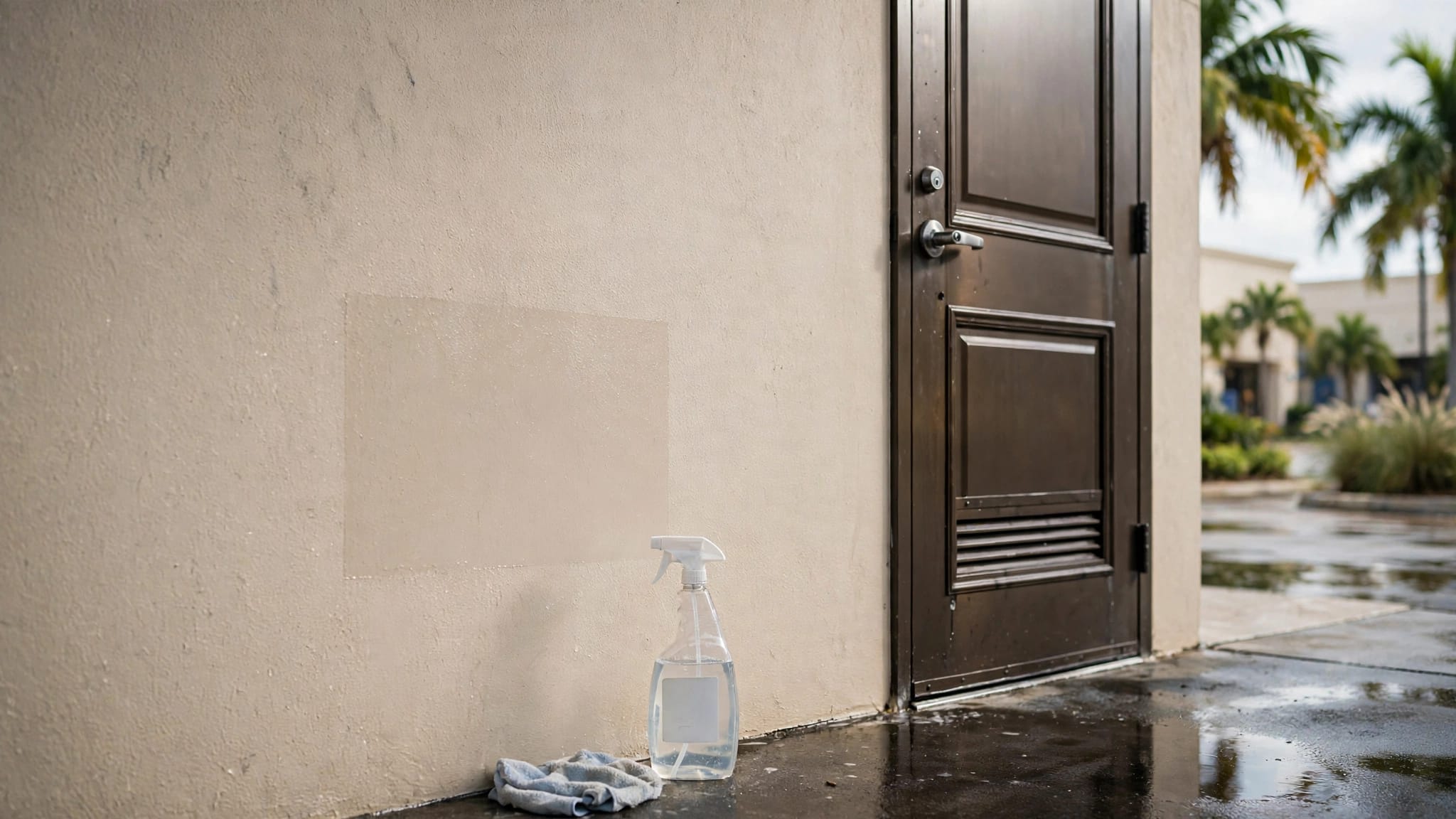
Stucco repairs are the biggest issue. New window installations often require patching around the opening, and even a good patch can show through paint if the color has faded. Trim can also get removed or adjusted, which means the original paint lines no longer line up.
Caulking is another detail that matters. New windows need proper sealants at the edges, and those beads need to cure before the finish coat goes on. If the painter works too soon, the sealant can smear or fail to bond well.
Then there is the match problem. Even if you keep the same color code, Southwest Florida sun changes paint over time. A wall painted in March may not match the same wall in October, especially near bright openings and trim.
That is where professional house painters in Southwest Florida matter, because the final coat has to blend repairs, not highlight them.
If you do paint first, save the color name, sheen, and batch details. Keep extra paint too. That makes post-window touch-ups less painful, and it saves time if a small section needs to be reworked later.
Coordinating permits, HOA rules, and storm season
Window replacement usually takes more planning than painting. Permits, product lead times, and inspections can all slow the schedule. Painting does not usually need the same permit path, but HOA approval still matters in many neighborhoods.
Because of that, the window timeline should be locked in first. If the permit is still pending, don't rush a full exterior repaint unless the current finish really needs it. Otherwise, you may end up paying twice for the same surface.
Contractor coordination helps more than most people expect. The window installer should know when painting is planned, and the painter should know which openings were changed. That way, nobody seals or finishes something the next trade still needs to access.
Storm season adds another layer. In Southwest Florida, you want the building envelope tight before the weather turns rough. If impact windows are going in soon, that project deserves priority, especially when heavy rain is close.
At the same time, exterior painting needs the right weather window too. Humid air and daily showers can slow curing, which is a problem for fresh caulk and new coatings. A dry stretch gives both trades a better result.
Here's a smart sequence when both jobs are coming up:
- Get window approvals and measurements in motion.
- Schedule the impact window installation.
- Let the installer finish all patches, sealant, and trim adjustments.
- Paint after the openings are fully repaired and cured.
- Save leftover paint for final touch-ups around frames and trim.
That order keeps the house cleaner and cuts down on rework. It also gives you a better shot at a finish that looks deliberate instead of patched together.
Budget phasing without creating extra work
Many homeowners split these projects because of cost. That makes sense, but the order should still protect the final result.
If you know both jobs are coming, avoid painting areas that will be cut into soon. Fresh exterior paint can look great for a few weeks, then lose its shine once the window crew starts cutting stucco and resetting openings.
On the other hand, if your exterior is failing now, don't hold off on paint just because windows are someday work. A neglected finish can let moisture into trim and masonry, and that creates a bigger repair bill later.
A good rule is to spend money where the structure changes first, then finish the visible surface last. Impact windows change the opening. Paint finishes the wall around it.
That order is also easier on the schedule. One trade can finish its rough work before the next trade starts the final coat. Less overlap means fewer mistakes, fewer fingerprints, and less time spent fixing a job that should have been straightforward.
Conclusion
For most Southwest Florida homes, impact windows first, exterior painting second is the cleanest path. It reduces repair overlap, helps with caulking and trim work, and gives the painter a finished surface to blend around.
Paint should come first only when the exterior is already failing or the window project is still far off. Even then, expect touch-ups after the windows go in.
The best-looking result comes from treating the two jobs as one plan. When the sequence is right, the house ends up protected, neat, and ready for the next storm season.
More featured articles...