How Long New Stucco Should Cure Before Painting in Florida
Fresh stucco can fool you. After a sunny morning, it may look dry and ready. In Florida, that surface look doesn't tell the whole story.
The short answer is this: most traditional stucco should cure about 28 days before painting in Florida . Still, that rule of thumb can shift based on the stucco system, weather exposure, and the paint or primer label. A one-coat system may allow a shorter wait, while humid weather or repeated rain can stretch the timeline.
For most traditional stucco in Florida, 28 days is the safe starting point, then confirm the wall meets the coating manufacturer's limits before paint goes on.
The common rule of thumb for stucco cure time in Florida
For homeowners and property managers, the simplest way to think about stucco cure time florida is this: traditional three-coat stucco usually gets about 28 to 30 days , while some newer one-coat systems may allow painting sooner if the specs allow it.
This quick table gives the big picture:
| Stucco system | Typical minimum before paint | Important note |
|---|---|---|
| Traditional three-coat stucco | 28 to 30 days | Best default for most Florida jobs |
| One-coat stucco | 7 to 10 days in some cases | Only if the manufacturer allows it |
| Full cure strength | 60 to 90 days | Stronger over time, even after paint-safe stage |
That doesn't mean every wall is ready on day 28. It means day 28 is often when a pro starts checking readiness more closely.
Also, fresh stucco usually needs proper moist curing during the first few days after application. That early step helps the cement harden the right way. Then the longer wait before painting gives trapped moisture and high alkalinity time to settle down.
If your project also includes trim joints, windows, or doors, good prep matters just as much as timing. These Southwest Florida caulking tips before stucco repaint can help you avoid sealing in trouble around openings.
Why Florida weather can stretch the curing window
Florida isn't gentle on fresh stucco. Humidity hangs in the air, summer rain shows up fast, and coastal salt can keep surfaces stressed longer than many owners expect.
High humidity slows moisture release. So even when the wall feels dry to your hand, the inside may still hold enough moisture to cause paint problems. Afternoon rain makes this worse because the surface can re-wet again and again. In Southwest Florida, that stop-and-start drying cycle is common.
Salt air near the coast adds another wrinkle. It doesn't just affect metal. It also raises the stakes for getting the coating system right, especially on homes in Fort Myers, Naples, and nearby beach communities. Add warm days and cooler nights, and you get expansion and contraction that can slow the path to a stable paint-ready surface.
Sun exposure matters too. South-facing and west-facing walls often dry faster on the outside. Shady walls, however, may lag behind by days. That's why one side of a building can be ready before another.
In other words, Florida curing is a little like drying laundry during storm season. One shirt on the line may feel dry. The towel in the shade still feels damp. Stucco behaves the same way, only the stakes are higher because paint can trap what's left inside.
Curing and surface drying are not the same thing
This is where many paint jobs go wrong. Drying means the surface water has left. Curing means the cement in the stucco is still hardening, gaining strength, and dropping in alkalinity. Those are not the same process.
A wall can feel dry in a day or two. Yet it may still be too alkaline for paint. That's why many pros check pH, not just touch the wall. A common target is below pH 9.5 for many finish systems. Some alkali-resistant primers allow higher pH, but only if the label says so.
Here are some signs new stucco may be ready for paint:
- The surface feels hard , not soft or chalky in patches.
- Color looks more even , without dark damp areas lingering.
- No white, salty residue appears , which can signal moisture movement.
- A plastic test stays dry , meaning no condensation forms under taped plastic after 24 hours.
- pH readings fall into the coating's allowed range .
- Cracks and patch areas are stable , not still shifting or crumbling.
Check more than one spot. A sunny front wall and a shaded side wall may tell different stories.
A good contractor won't rely on one quick glance. They'll look at texture, moisture, pH, weather exposure, and the coating specs together. If you want a better sense of scheduling and dry-time planning, this Florida exterior painting project timeline shows how weather can affect the process.
What happens if you paint too soon, and what coatings make sense later
Painting too early is like putting a lid on steam. Moisture tries to escape, but the paint film gets in the way. Then the problems start.
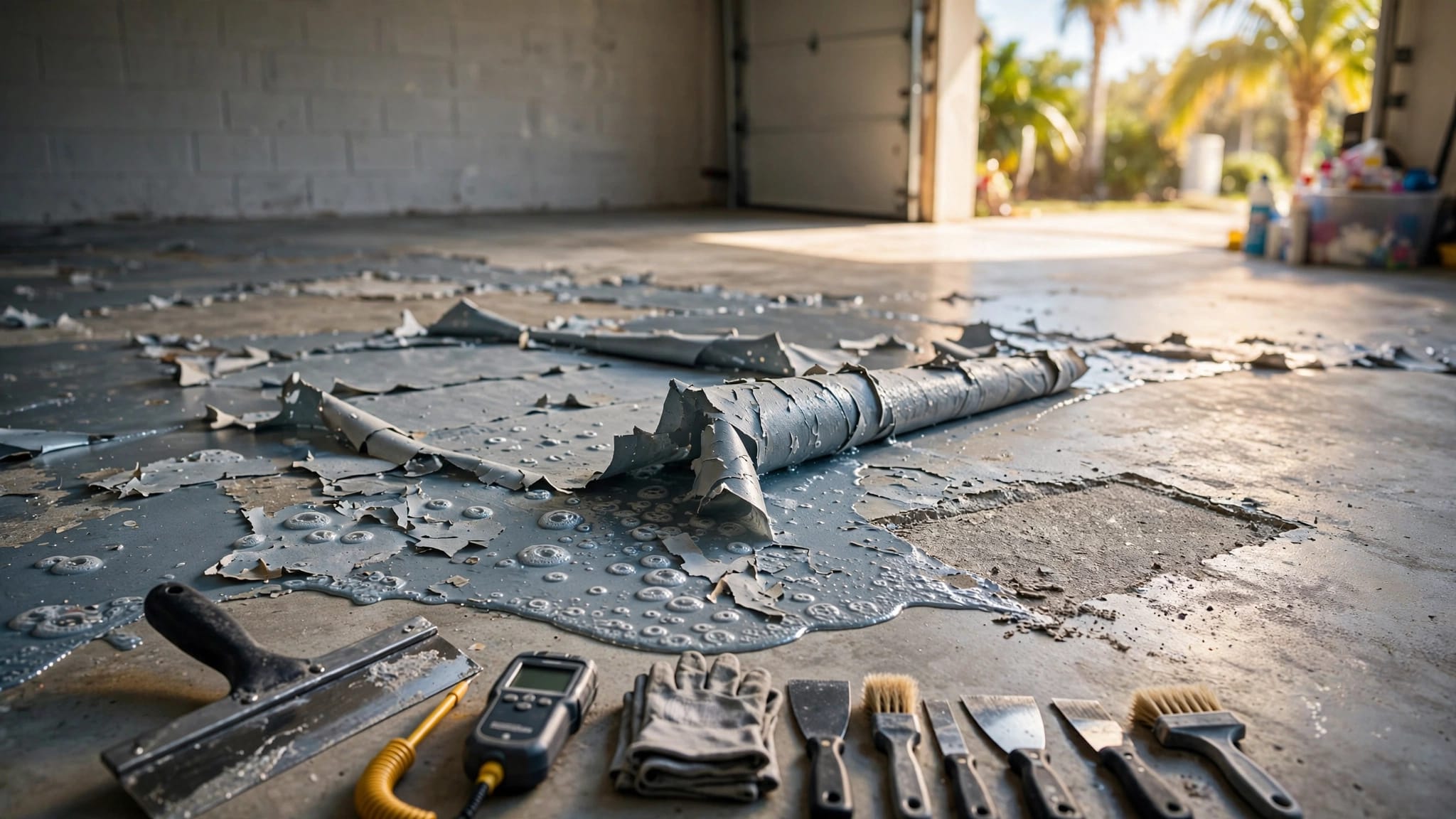
You may see blistering, bubbling, peeling, uneven color, patchy sheen, or white deposits pushing through the finish. In some cases, the paint sticks at first, then fails after a few hard rain cycles. For property managers, that often means call-backs, tenant complaints, and paying twice for the same wall.
Once stucco is ready, many Florida projects do well with breathable masonry coatings . These let moisture vapor move more freely. Elastomeric coatings can help bridge hairline cracks, but they form a thicker film, so timing matters even more. They are not a shortcut for uncured stucco.
The best move is simple: follow the stucco system, the primer and paint labels, and your contractor's guidance. If those instructions conflict with the 28-day rule, follow the product requirements.
After the job is done, long-term upkeep still matters. This guide to stucco repaint frequency in Southwest Florida can help you plan ahead.
Conclusion
For most Florida homes, patience pays off. Traditional stucco usually needs about 28 days before painting, but weather, wall exposure, and product rules can change that. Don't confuse dry to the touch with fully cured. If you're hiring a painter, ask how they verify readiness, because the right wait now can save years of trouble later.
More featured articles...