Commercial Painting Scope of Work for Fort Myers
Two painting bids can cover the same building and still describe different jobs. A clear commercial painting scope of work gives you a consistent basis for comparing prices, managing tenants, and accepting the finished project.
For Fort Myers property managers, clear responsibilities matter as much as color selection because weather, access, and existing damage affect the work. Start by defining exactly what the contractor will paint, then document preparation, products, scheduling, and completion requirements.
Define the commercial painting scope of work by area
Organize the scope around a marked floor plan, building elevations, or an area schedule. Give each location a consistent identifier so proposals, progress reports, and inspection photos reference the same places.
Identify every surface included
Name the buildings, floors, rooms, and exterior elevations included. Within each area, distinguish walls, ceilings, doors, frames, trim, soffits, railings, and other surfaces that require separate treatment.
Also identify the material beneath the coating, such as stucco, concrete, wood, or metal. Different materials and existing finishes may need different coating systems.
List concrete floors and industrial coatings separately if they belong in the project. Their service conditions and acceptance requirements can differ substantially from ordinary wall painting. State whether the contractor must verify quantities before submitting a price.
Define boundaries and ownership
Separate common areas from tenant-controlled spaces. Clarify whether storefront frames, tenant doors, loading areas, utility rooms, and rear elevations belong in the base price.
Specify whether doors receive paint on both faces and whether trim includes adjacent frames. Otherwise, contractors may interpret the same description differently.
Identify who approves colors and who authorizes entry into occupied spaces. Also name the property manager's decision-maker. A single approval contact helps prevent conflicting instructions from tenants, maintenance staff, and ownership during the project.
Make surface preparation a measurable obligation
Preparation should describe the expected condition before coating begins. Avoid accepting "prepare as needed" without supporting details about the existing surfaces and planned repairs.
Document current coating conditions
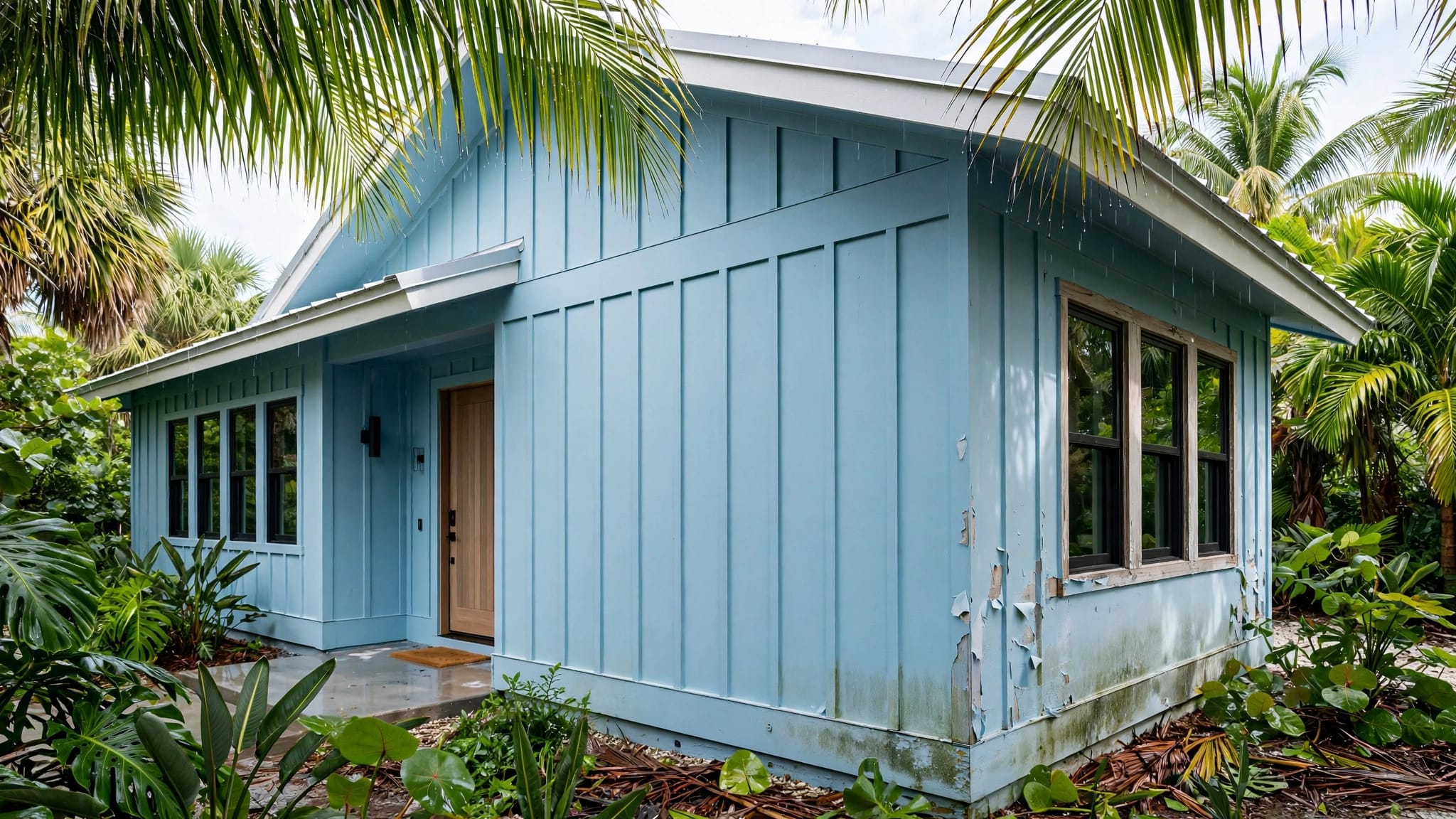
Walk the property with bidders and record peeling, blistering, chalking, cracking, rust staining, and visible moisture problems. Pay attention to seams, fasteners, joints, penetrations, drains, and splash zones.
Use dated photographs and location references. These records help distinguish known damage from concealed conditions discovered later.
For broader planning, EFC's Fort Myers commercial repaint checklist addresses occupied-property concerns and local exposure. Properties closer to coastal air may need additional evaluation of salt contamination and corrosion before the contractor finalizes preparation requirements.
Separate preparation from building repairs
Require the contractor to describe preparation methods appropriate to each substrate, existing coating, and proposed product. The scope should address cleanliness, soundness, compatibility, and acceptable moisture conditions.
Define which cracks, damaged areas, and sealant work fall within the painting price. Distinguish those items from structural repairs, active leaks, extensive stucco damage, and material replacement.
Require notification before crews coat surfaces with unresolved moisture or uncertain failure causes. Serious corrosion or unclear coating failures warrant evaluation by a qualified coating professional rather than an automatic repaint.
Specify coating systems, not broad quality labels
"Premium paint" leaves too much open to interpretation. Your scope should identify the proposed system for each surface and require written approval before substitutions.
Require product-level details
Ask for the manufacturer, exact product line, primer, finish coating, color identifier, and sheen. Require current product data sheets and safety data sheets before work starts.
The contractor should explain compatibility with the substrate and existing coating. A previous elastomeric finish, glossy coating, or unknown coating may require evaluation before product selection.
Document the proposed coat count, coverage requirements, and any film-thickness criteria applicable to the selected system. These must follow project-specific specifications and manufacturer guidance rather than a universal rule for every surface.
Match specifications to service conditions
Describe the exposure each system must handle. Exterior sunlight and rain differ from interior cleaning, warehouse traffic, chemical contact, or frequent washdown.
For Fort Myers exteriors, require the contractor to account for heat, humidity, coastal exposure where applicable, and weather during application. Ask how crews will confirm acceptable substrate and environmental conditions.
Also document drying, recoating, and return-to-service requirements for the selected products. Those are separate milestones. A surface ready for another coat may still need additional time before cleaning, handling, or normal traffic resumes.
Assign access, protection, and staging responsibilities
Access costs can change a bid substantially. Require contractors to identify needed lifts, scaffolding, staging areas, and delivery access before pricing the work. State whether equipment rental, mobilization, and any related fees belong in the base price.
Confirm approved entry points, parking spaces, elevator procedures, keys, alarm arrangements, and after-hours contacts. Also identify restricted areas containing confidential records, cash, medication, or sensitive equipment.
Protection should cover adjacent surfaces and property, including glazing, signage, fixtures, landscaping, vehicles, inventory, and flooring. Name who moves furniture and who returns it afterward.
If spraying is proposed, require a plan for containment and overspray protection suited to the location. Exterior work also needs a clear process for notifying vehicle owners and keeping pedestrians outside active work zones.
Finally, agree on storage and daily staging boundaries. Paint, tools, and equipment should have assigned locations that don't interfere with tenant operations or emergency access. Document the condition of nearby property before mobilization so both parties have a reliable baseline if damage occurs.
Schedule around tenants and Florida weather
A schedule should explain how the property keeps operating during the work. Require a sequence by building, elevation, floor, or tenant area rather than a single completion date.
Define work windows and reopening conditions
Document normal work hours, approved after-hours shifts, and any weekend restrictions. Identify periods when deliveries, appointments, customer traffic, or security procedures limit access.
Specify who sends tenant notices and how much advance notice each phase requires. Notices should describe affected entrances, parking restrictions, noise, odors, and any temporary closures.
EFC's guidance on phased commercial painting for active businesses supports planning work around ongoing operations. Require each phase to include preparation, application, drying, inspection, and the conditions for reopening the area.
Define the weather-delay process
Heat, humidity, rain, and morning moisture can affect application and drying. Require crews to follow the selected coating's environmental limits rather than a fixed calendar regardless of conditions.
The scope should state who documents unsuitable conditions and who approves a revised schedule. Also define how the contractor communicates delays to property management.
Leave room for weather-related adjustments without promising uninterrupted progress. Coordinate changes with tenants before crews move into a different zone, especially when the revised sequence affects access or scheduled business activities.
Put safety and indoor ventilation in writing
Require a site-specific safety plan before mobilization. Review it with the contractor and confirm which regulatory, property, and facility requirements apply to the actual work.
The plan should address working at height, equipment operation, pedestrian separation, chemical handling, and emergency contacts. Identify any coordination needed with building security or facilities staff.
For occupied interiors, require a ventilation and containment plan appropriate to the products and building. Opening windows alone may not fit air-conditioned spaces, wet weather, or security restrictions.
Clarify how crews will keep dust and odors away from occupied areas. Ask how the contractor will protect air intakes and coordinate any HVAC changes with authorized personnel.
If existing materials may contain hazardous substances, define the assessment and authorization process before disturbance. Don't let routine painting language imply that hazardous-material testing or remediation automatically belongs in the price. Document who handles that work and how it affects access and scheduling.
Make exclusions and change orders explicit
A usable commercial painting scope of work makes omitted work easy to find. Review exclusions alongside the included surfaces so neither document contradicts the other.
Common items requiring a clear decision include roof coatings, tenant signage, fireproofing, major stucco repairs, wood replacement, furniture moving, high-access areas, and work outside normal hours. Each should be included, excluded, or priced as a separate option.
Also identify allowances and unit prices where repair quantities remain uncertain. Define how crews measure that work and what documentation supports payment.
EFC's guide to Florida commercial painting contract terms provides additional context for reviewing responsibilities and omissions.
Require each change order to identify:
- The added or removed work and its location.
- The price adjustment and supporting quantities.
- The schedule effect and the person authorized to approve it.
Require written authorization before additional work starts. If the agreement permits emergency action to prevent immediate property damage, define the notification and documentation process.
Keep verbal requests from becoming informal scope changes. Tenant requests should pass through the property manager's approval process, even when the requested work looks minor.
Define cleanup, inspection, and acceptance criteria
Agree on acceptance standards before application begins. Otherwise, the contractor and property manager may judge the same finish against different expectations.
Require an approved sample area or mockup where appearance, texture, color, or sheen needs confirmation. State the lighting and viewing conditions for evaluating the completed work.
Inspection criteria should address coverage, uniform appearance, clean transitions, coating defects, and protection of adjacent property. For systems requiring measurable checks, identify the applicable cleanliness, surface-profile, adhesion, or film-thickness requirements and who documents them.
Include inspection points before coating where preparation or repairs will become concealed. Record findings by location, with photographs and corrective actions.
A final walkthrough can confirm appearance, but it cannot replace documented acceptance of preparation that later coats hide.
Define daily cleanup and final cleanup separately. Specify removal of debris, masking, unused materials, and equipment, plus restoration of agreed access and staging areas.
Closeout should include a completed punch list, product and color records, maintenance instructions, applicable warranty documents, and any agreed touch-up materials. Keep these with inspection photos, weather records, and repair documentation for future maintenance. Tie final acceptance to the agreed closeout requirements rather than the contractor's last day onsite.
A Clear Scope Gives You a Stronger Project
Comparable bids begin with defined work and responsibilities . When preparation, products, access, and acceptance standards are clear, you can evaluate proposals without guessing what each contractor included.
Use an onsite walkthrough to resolve uncertainties before signing. EFC's Fort Myers commercial painting services offer a starting point for discussing your property's surfaces and project needs.
The finished scope should give both parties the same answer to what gets painted, how the work proceeds, and what counts as complete.
More featured articles...