Battery Charging Area Flooring: Choosing a Coating
Choose battery charging area flooring by matching the complete coating system to chemical exposure, traffic, concrete condition, and cleaning methods. The right specification protects the slab while giving workers a surface they can maintain.
A coating described only as "industrial epoxy" leaves too much undefined, including preparation, traction, and repair details. Start with the conditions around your charging stations, then select a complete system that addresses them together.
Key Takeaways
- Match the coating to actual chemical exposure, including cleaning solutions, oils, and washdown conditions.
- Account for turning forklifts, concentrated wheel loads, and impacts rather than treating all traffic alike.
- Include concrete preparation, compatible repairs, traction, installation conditions, and maintenance in the project scope.
A useful proposal describes how these requirements fit together. Product names alone don't explain whether the finished floor suits your operation.
Define the Charging Area's Exposure Conditions
Charging areas often share space with vehicle staging, equipment maintenance, or warehouse travel lanes. Those overlapping activities affect the coating specification as much as the charging area's footprint.
Map where liquids reach the floor
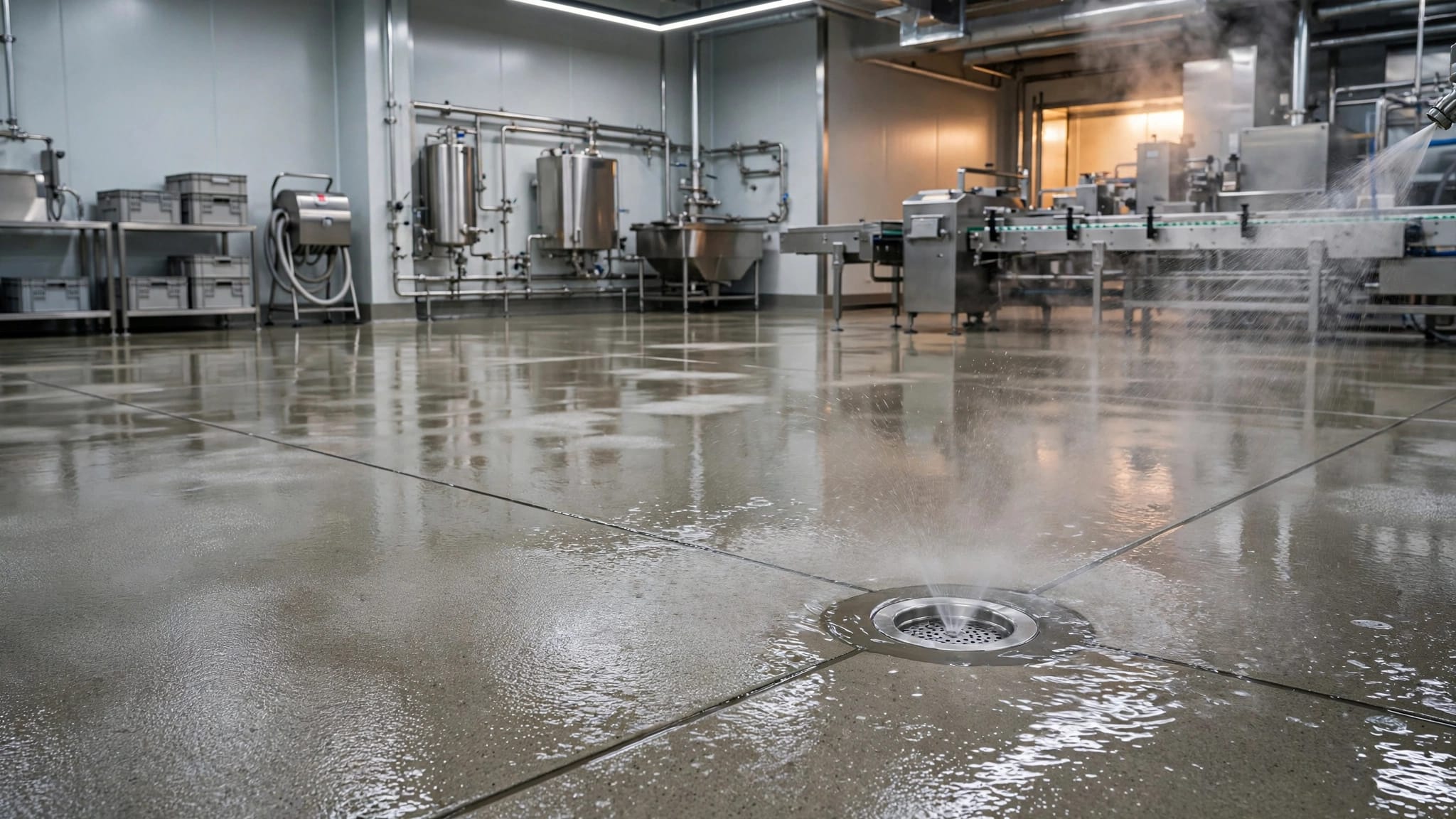
Identify liquids that reach the slab during normal work and cleanup. Include cleaning solutions, hydraulic oil, lubricants, and water carried through adjacent areas.
Record whether exposure involves occasional splashes, repeated wetting, or liquid that remains beneath equipment. Contact duration and temperature affect coating selection, so "chemical-resistant" needs context.
Our guidance on chemical-resistant coatings for industrial facilities explains why spills, washdowns, heat, and moisture belong in the same planning discussion.
Separate different operating zones
The area beneath equipment may face different conditions than a pedestrian aisle or forklift approach. Map those zones before defining the coating boundaries.
Include floor edges, equipment bases, existing drains, and transitions to untreated concrete. These details influence cleaning access and repair work.
Also identify how workers clean each zone. A floor washed regularly needs a different texture balance than a mostly dry aisle. Defining these differences early avoids extending one finish across areas with conflicting needs.
Compare Complete Coating Systems
Epoxy, polyurethane, polyurea, and polyaspartic are coating families, not interchangeable specifications. Formulation and the arrangement of layers determine the finished system's performance.
These options play different roles in an industrial floor assembly.
| System family | Typical role to consider | Selection priority |
|---|---|---|
| Epoxy | Primer, body coat, or resinous flooring layer | Required build, substrate condition, and exposure |
| Polyurethane | Protective finish over a compatible base | Wear demands and compatibility with underlying layers |
| Polyurea or polyaspartic | Coating options with application-scheduling considerations | Working window and installation conditions |
| Hybrid system | Different coating families in separate layers | Performance and adhesion of the complete assembly |
The takeaway is to compare full assemblies , rather than choosing a resin name and assuming the remaining details will follow.
For example, a hard-wearing finish cannot compensate for weak concrete beneath it. Similarly, adding a topcoat doesn't automatically correct incompatible materials or inadequate surface preparation.
Polyurea and polyaspartic systems can have short working windows. That makes material staging and crew coordination important, especially around equipment bases and transitions.
A proposal should identify the primer, repair materials, body coats, traction aggregate, and finish. It should also describe how those components work together. Compare competing proposals against the same exposure conditions and scope so a lower price doesn't conceal omitted preparation or repairs.
Match Abrasion and Impact Resistance to Traffic
Traffic counts tell only part of the story. A forklift traveling straight through an aisle stresses the floor differently than one braking and turning beside a charging station.
Turning tires can cause more wear than straight-line travel. Concentrated loads, dragged pallets, and dropped tools add separate demands. Our warehouse floor coating selection guide covers these differences in more detail.
Describe the equipment using the area, wheel types, load patterns, and frequent stopping points. Include pallet jacks and maintenance carts, even when forklifts account for most movement.
Abrasion resistance concerns repeated surface wear. Impact resistance concerns sudden loads, such as a dropped component. A coating needs to address the relevant demands without relying on surface hardness as the sole performance measure.
Pay particular attention to joints and damaged concrete. Wheels crossing an unsupported edge can continue breaking the substrate beneath a new finish.
Repeated wheel loads can keep breaking damaged concrete beneath an intact-looking finish. Repairs belong in the flooring scope, not outside it.
Balance Slip Resistance With Cleanability
A charging area needs traction under its expected conditions. However, adding more texture also changes how workers remove dirt and liquid.
Select texture for actual conditions
Choose traction based on footwear, contaminants, and whether workers typically encounter a dry or wet surface. A finish that feels secure when dry may behave differently when oily.
Texture should also suit the tasks performed nearby. Workers walking around equipment need dependable footing without unnecessary surface roughness that complicates routine cleaning.
Our guidance on choosing slip-resistant concrete coatings explains why surface texture needs to match operating conditions rather than appearance alone.
Match the finish to cleaning equipment
A heavily textured floor can hold residue if the cleaning equipment cannot reach between aggregate particles. Meanwhile, a very smooth finish may create traction concerns when contaminated.
Select the finish alongside the cleaning method. Mop cleaning, scrub brushes, and powered scrubbers interact differently with surface texture.
Equipment clearances matter, too. Tight spaces beneath or beside charging stations can limit access. A maintainable layout gives cleaning staff enough room to remove residue rather than pushing it into corners or leaving it along coating edges.
Make Concrete Preparation Part of the Specification
Preparation establishes the surface to which the coating bonds. Cleaning alone doesn't address weak concrete, existing coatings, cracks, or unsuitable surface texture.
Remove contamination and create the profile
The preparation method must suit both the slab and the selected coating system. Mechanical grinding or shot blasting may form part of that work, depending on the required profile and existing conditions.
Preparation standards describe distinct tasks. ASTM D4258 covers concrete cleaning, ASTM D4259 addresses abrasion, and ASTM D4260 covers acid etching.
As our parking garage coating guidance explains, these methods aren't interchangeable. The specification should state the required surface condition rather than listing a preparation method without explaining its purpose.
Address moisture, damage, and joints
Slab moisture can affect coating adhesion. Include an appropriate moisture assessment before selecting the floor assembly, particularly where existing finishes show blistering or separation.
Repair pits, spalls, and unsound concrete before applying the coating. Repairs need compatible materials and enough time to reach the condition required for overcoating.
Joints also need deliberate treatment. Movement joints cannot simply disappear beneath a rigid finish without accounting for movement. Detail transitions, perimeters, and repaired areas so the installation doesn't leave vulnerable edges where traffic or cleaning can start damage.
Plan Installation Around Facility Operations
Installation planning should cover access, environmental conditions, and the sequence of work. Moving equipment and clearing the slab can take substantial coordination before surface preparation begins.
Separate the work zone from operating traffic. Preparation dust, wet coatings, and material storage need controlled space. Phasing can keep part of a facility available, but it also creates additional edges and transitions to detail.
Application conditions matter throughout the work. Record air temperature, slab temperature, humidity, and dew point as appropriate to the selected system. In Southwest Florida, humidity belongs in the installation plan rather than becoming an issue after work starts.
The schedule should distinguish access for foot traffic, equipment loading, and chemical exposure. A surface that feels dry hasn't necessarily reached the condition needed for every service demand.
Include inspection points for preparation, repairs, and coating application. Documenting those stages makes the completed work easier to assess than relying on the appearance of the final coat alone.
Maintain the Floor Without Wearing Away Its Protection
A maintenance plan should identify cleaning products, equipment, and response procedures before the area returns to service. That gives staff a consistent method instead of leaving product selection to each shift.
Remove grit regularly because wheels can grind loose debris against the finish. Use cleaning solutions and equipment compatible with the installed system, and remove cleaner residue that could affect traction.
Inspect turning points, joints, equipment bases, and coating edges during routine cleaning. Watch for peeling, cracking, exposed concrete, and areas that remain dirty after normal cleaning.
Localized damage deserves attention before traffic enlarges it. Repair work should address the cause, whether that's deteriorating concrete, impact, contamination, or movement.
Keep installation records and repair details together. They help maintenance staff identify the coating assembly and avoid applying an incompatible repair material later.
Frequently Asked Questions
Is epoxy always the right choice for a charging area?
Epoxy is one option, but the resin name alone doesn't define a suitable floor. Selection depends on the complete assembly, substrate condition, chemical exposure, and traffic.
An epoxy body coat and a separate finish layer may have different jobs. The specification should explain those roles rather than treating every layer as equivalent or assigning the whole system's performance to one component.
Can an existing coating stay in place?
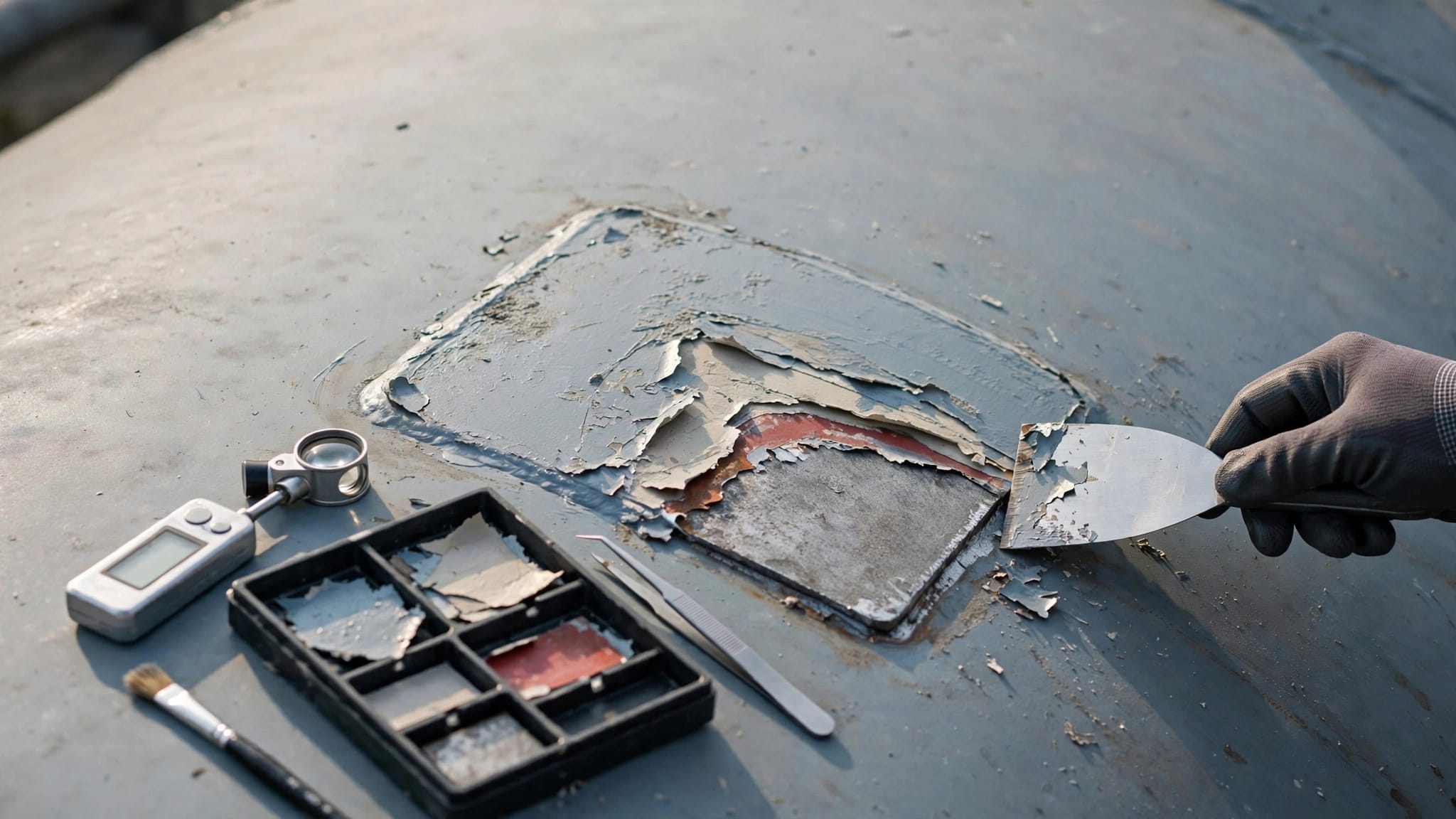
An existing finish can remain only when its condition, adhesion, and compatibility support the proposed assembly. Peeling, contamination, or weak underlying concrete requires more than another coat.
The scope should identify what stays, what comes off, and how transitions will be prepared. Otherwise, a new finish may inherit defects hidden beneath an acceptable-looking surface, leaving the underlying problem unresolved.
Choose a Floor Your Facility Can Maintain
Effective battery charging area flooring starts with a clear picture of exposure, traffic, and concrete condition. Preparation and system compatibility deserve the same attention as the finish coat.
At EFC Painting Contractors, we offer industrial finishes, epoxy floor application, and coating inspections across Southwest Florida. For your project, prioritize a defined scope that connects those services to the demands of the charging area and its ongoing maintenance.
More featured articles...