How Often to Reseal Pavers in Southwest Florida
How often should you reseal pavers in Southwest Florida? Usually sooner than homeowners expect. Sun, salt air, heavy rain, and constant moisture wear through sealer faster here than in cooler, drier places.
Most residential paver areas land in the 2 to 3 year range, but that's only a starting point. Driveways, pool decks, shaded patios, and commercial walkways all age at different speeds because traffic, drainage, sealer quality, and maintenance change the picture.
The best answer comes from the surface itself. If the color fades, water stops beading, or joint sand starts washing out, it's time to look closer.
A practical reseal schedule for local pavers
If you need to reseal pavers in Southwest Florida, start with how the space is used. A covered lanai may hold up longer than a sunny driveway, while a pool deck often needs attention sooner because of water, sunscreen, and barefoot traffic.
| Paver area | Typical reseal window | What pushes it sooner |
|---|---|---|
| Covered patio with light foot traffic | 3 to 4 years | Damp shade, poor drainage, weak previous sealer |
| Open patio or lanai | 2 to 3 years | Full sun, sprinkler overspray, frequent washing |
| Driveway | 1.5 to 3 years | Vehicle traffic, oil spots, tight turning areas |
| Pool deck | 1.5 to 2.5 years | Water, chlorine, sunscreen, constant rinsing |
| Commercial entry or rental property | 1 to 2 years | Heavy foot traffic, carts, repeated cleaning |
Use those ranges as planning windows, not deadlines. A strong sealer, good drainage, and steady cleaning can stretch the time. Weak product, standing water, or harsh sun can shorten it fast.
A calendar can guide you, but the surface tells the truth.
Light-use patios and walkways
A shaded patio that mostly gets foot traffic can often wait longer between reseals. Even then, shade can hold moisture after rain, and that moisture can wear on the finish in a different way. The surface may still look decent while the protective layer has thinned.
Walkways in quiet areas can also last a bit longer, especially if the pavers drain well and the joints stay intact. Still, a quick yearly check is smart. It takes little time and can prevent a bigger repair later.
Driveways and pool decks
Driveways usually need more frequent attention than patios. Tires, turning wheels, and oil spots all break down sealer faster. Pool decks take a different kind of abuse, with water, cleaning products, and constant sun exposure.
If a driveway or pool deck sits in full sun, expect the finish to age faster. That doesn't always mean the pavers are failing. It does mean the sealer is working harder and may need a fresh coat sooner.
Commercial and rental properties
Commercial walkways and rental homes often need resealing more often because the surface sees more traffic and more cleaning. Carts, shoes, luggage, and repeated pressure washing all wear on the finish.
For these spaces, yearly inspections make sense. A small worn area can spread, and patchy protection can make the whole surface look neglected. A simple upkeep plan helps the property stay clean and presentable.
What shortens sealer life in local weather
Southwest Florida weather is hard on pavers. The same area can bake in full sun, then sit wet after a storm. That mix is rough on any coating, and it changes how long the finish lasts.
Full sun and salt air
UV exposure is one of the biggest reasons paver sealer fades early. Direct sun breaks down the surface film, and coastal air adds another layer of wear. Even when the pavers still look intact, the protection may be thinning.
Areas near the water or in open yards usually need closer watch. If you can feel how hot the pavers get underfoot, the sun is doing real damage over time.
Drainage and standing water
Water is another big factor. If pavers hold puddles after rain, the sealer wears unevenly. Water sitting in joints can also weaken the sand and make the surface look tired before its time.
Poor drainage is easy to miss at first. Then one storm reveals low spots, and the finish starts to look blotchy in the same places again and again.
Traffic, cleaners, and sprinkler spray
Traffic matters more than many people expect. A patio that gets a few chairs moved around is very different from a driveway with daily cars or a shop entrance with carts and shoes.
Cleaning habits matter too. Strong cleaners, repeated pressure washing, and sprinkler overspray all affect the finish. If irrigation hits the same edge every morning, that area may need resealing much sooner than the rest.
Sealer quality and old prep work
Not all sealers age the same way. Some hold color and water resistance longer, while others fade or haze faster. The last prep job matters too, because a sealer applied over dirty or damp pavers will not last as long.
A poor base is hard to hide. If the old coat was too thick, trapped moisture can cause clouding, peeling, or a sticky finish later.
Signs your pavers need resealing
The surface usually gives warning signs before the sealer fails completely. Once you know what to look for, the timing becomes easier to judge.
- Water soaks in fast. A healthy sealed surface should make water bead or sit briefly on top.
- Color looks flat or faded. If the rich tone is gone, the finish has likely thinned.
- Joint sand washes out. Loose sand is a sign that the surface protection is weakening.
- White haze or powder appears. This can point to efflorescence, moisture issues, or a tired coating.
- Stains sink in quickly. Oil, rust, or leaf stains should not grab the surface so fast.
- Shine looks patchy. Traffic lanes and high-use spots often wear first.
- Algae or weeds return faster. Open joints and weak protection make it easier for growth to come back.
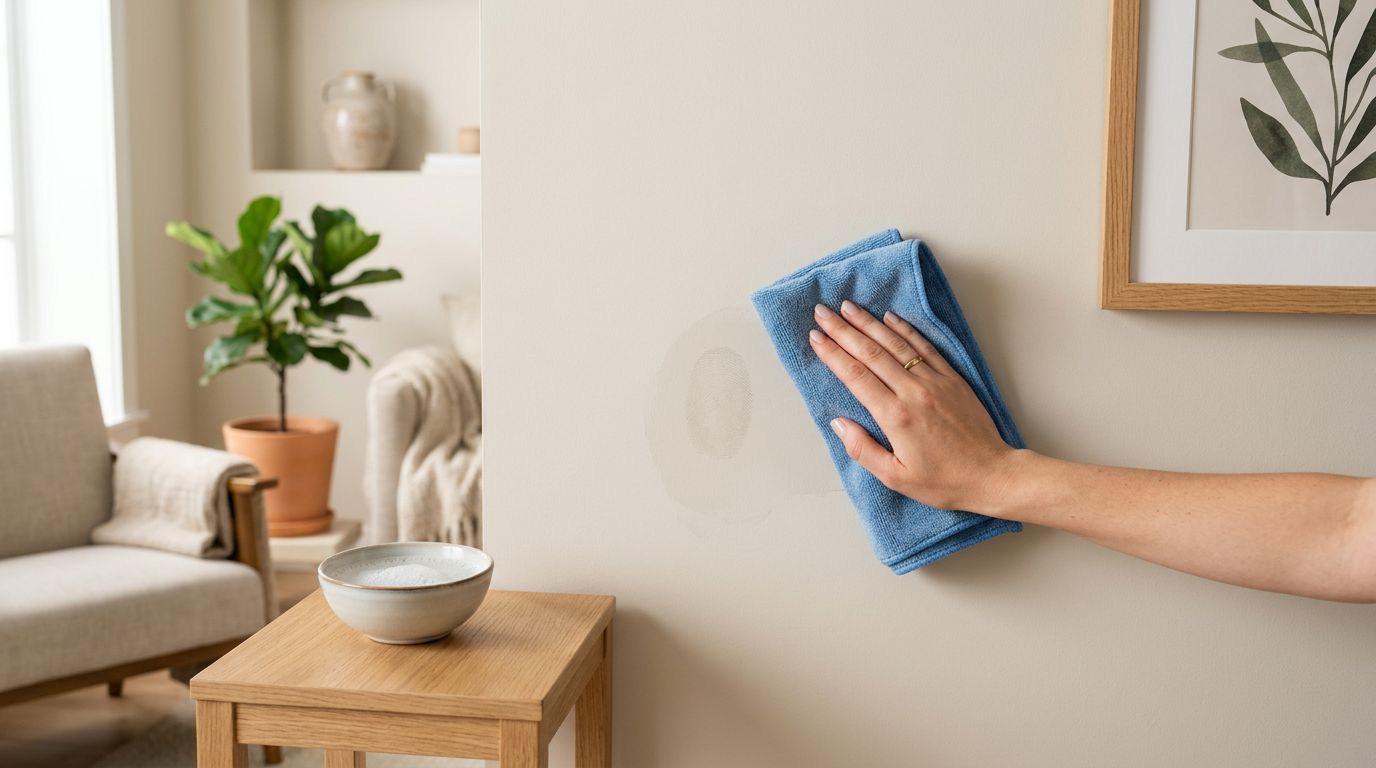
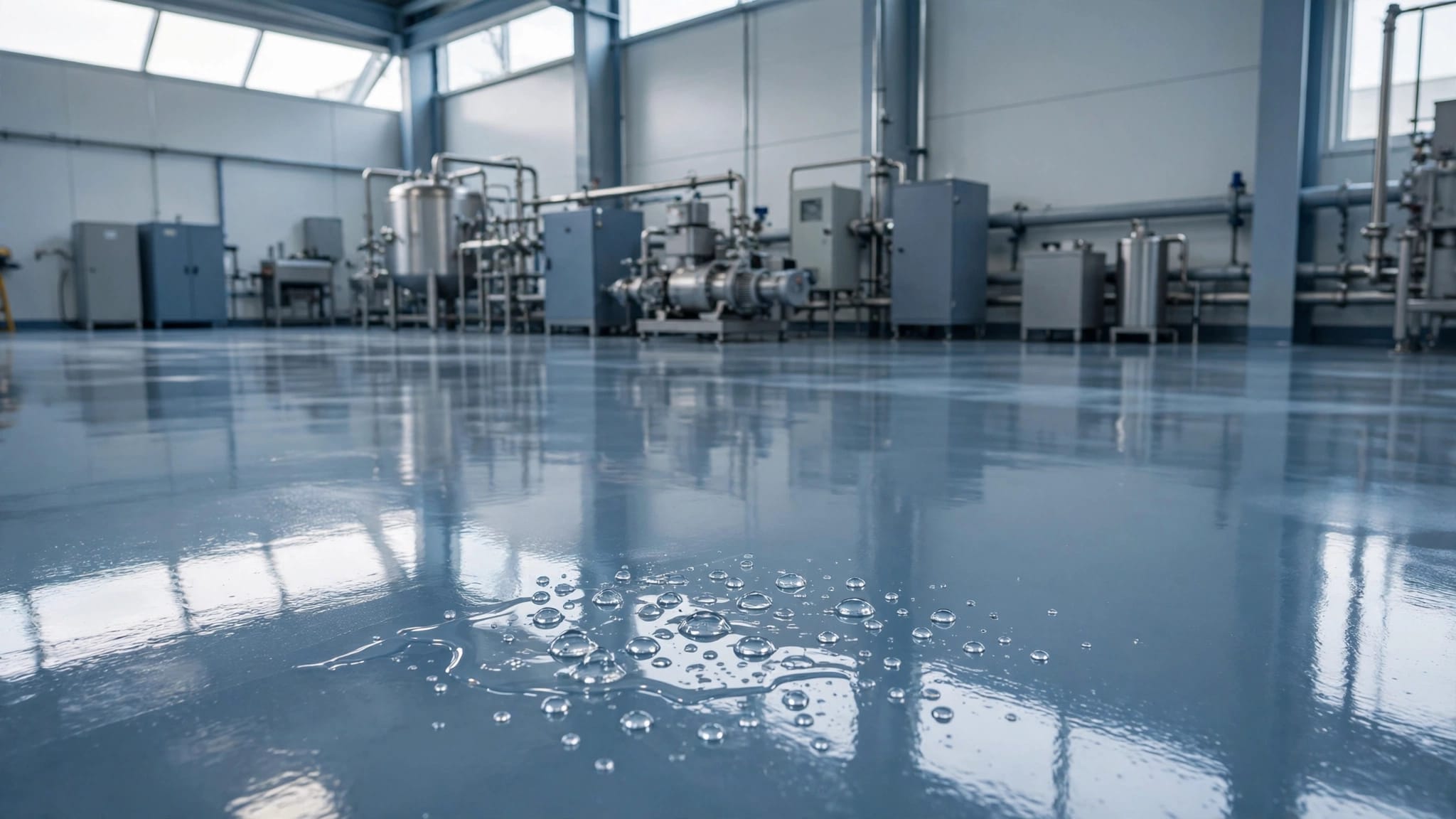
A quick water test helps. Pour or spray a small amount on a clean spot and watch what happens. If it darkens the paver right away, the sealer is losing strength.
Cloudy or milky spots after sealing usually point to trapped moisture below the surface.
That same warning matters before a reseal too. If pavers are still holding water, the next coat can fail early.
What good prep looks like before a reseal
Prep makes a bigger difference than most people think. A fresh coat on a dirty or damp surface won't last, no matter how nice it looks on day one.
- Clean the pavers well. Remove dirt, mildew, leaf stains, and loose sand. Pressure washing helps, but the surface still needs a clean rinse.
- Let the pavers dry fully. Humid weather slows drying. Water can stay below the top layer long after the surface looks dry.
- Fix weak spots first. Reset loose pavers, re-sand open joints, and deal with peeling sealer or white haze before applying new product.
- Apply the right amount. Thin, even coats work better than heavy ones. Too much sealer can leave a slick or cloudy finish.
If the old sealer is failing badly, stripping may be needed before the new coat goes down. That step takes more time, but it helps the new finish bond better and look more even.
A simple test can save a lot of work. Wet one section, inspect the joints, and look for dullness, dark spots, or lingering moisture. That tells you more than the calendar does.
Conclusion
The real answer to how often to reseal pavers in Southwest Florida is simple. Most areas need attention every 2 to 3 years , but exposure, traffic, drainage, sealer quality, and maintenance all change the schedule.
Watch the surface, not just the date. Fading, fast water absorption, loose sand, and patchy shine are the signs that matter.
If your pavers are starting to look tired, they're probably telling you it's time for a fresh coat.
More featured articles...