Ceilings or Walls First in Florida Interior Painting
If you're repainting a Florida home, the ceiling usually comes first. That order keeps drips, splatter, and cut-line mistakes off finished walls, and it gives you a cleaner final look.
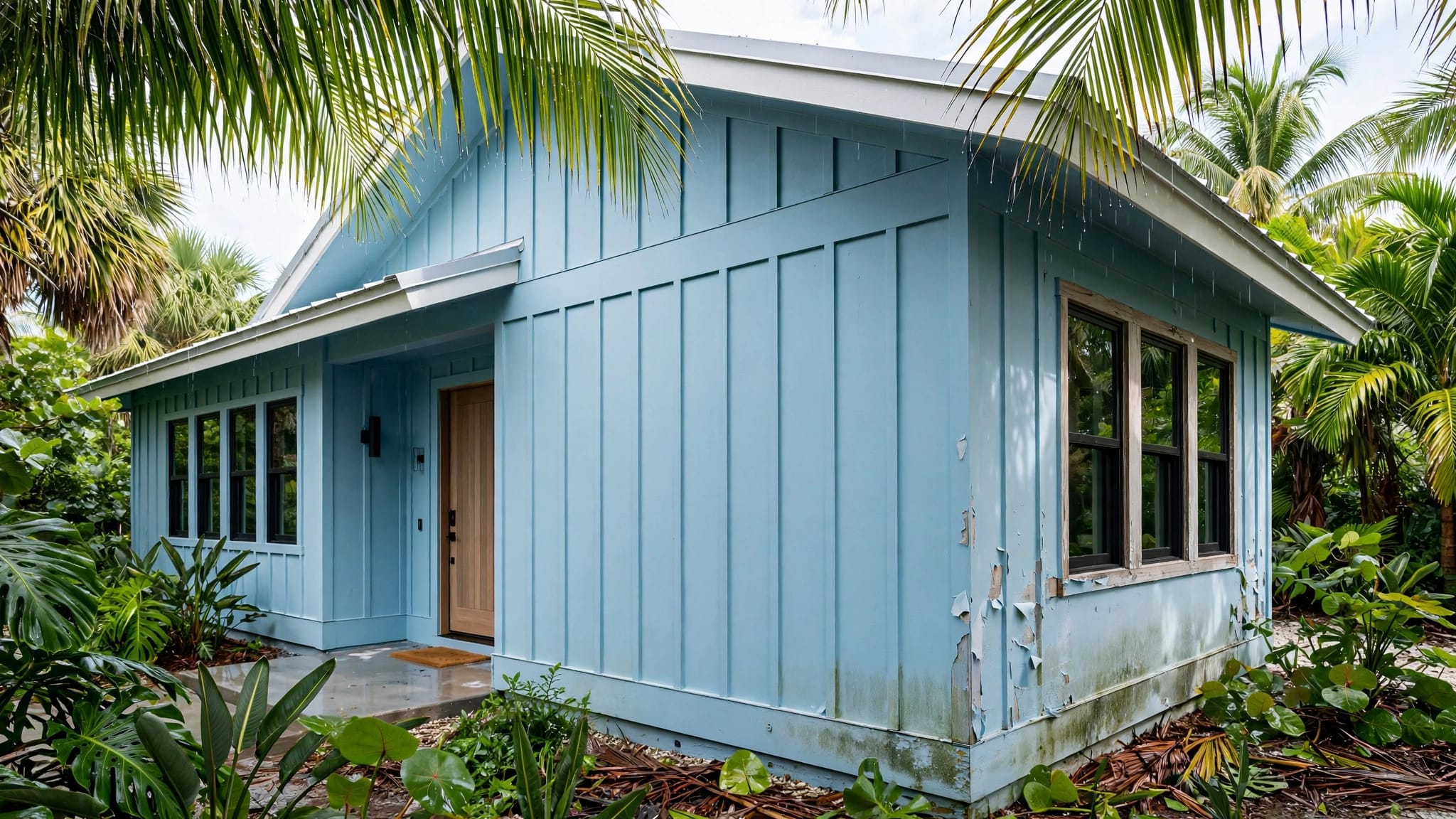
Florida adds another layer. Humidity slows dry time, closed rooms can hold stale air, and bathrooms or laundry rooms can stay damp longer than you expect. A smart paint sequence protects the finish and cuts down on rework.
Key Takeaways
- Ceilings first is the best starting point for most full interior repaints.
- Walls first can work when the ceiling is staying the same or won't be painted at all.
- Humidity changes the schedule , so dry time matters as much as the order of the work.
- Trim usually comes after walls , then touch-ups finish the job.
- Mildew-prone rooms need better ventilation and the right paint choice, especially in Florida.
Why ceilings come first in most Florida homes
Ceiling work is the messiest part of an interior repaint. Even careful rolling can leave splatter on nearby walls, and overhead cut-ins almost always create a few drips. If the walls already have finish paint, every drip becomes an extra repair.
That is why most painters start above and work down. A solid interior painting process in Florida keeps the job organized from prep to final touch-up, which matters even more when the weather is sticky.
Ceiling paint also tends to be flatter than wall paint. Flat finishes hide small flaws, but they can look rough if they get brushed over after the walls are done. When the ceiling goes first, the wall color can overlap the edge cleanly and cover minor marks that would stand out later.
Ceiling work is easier to control before the wall color is in place.
That order also helps with patching. Nail holes, hairline cracks, and old repairs often show up more clearly after the ceiling is painted. If you paint the walls first, those ceiling fixes become harder to blend.
When painting walls first makes sense
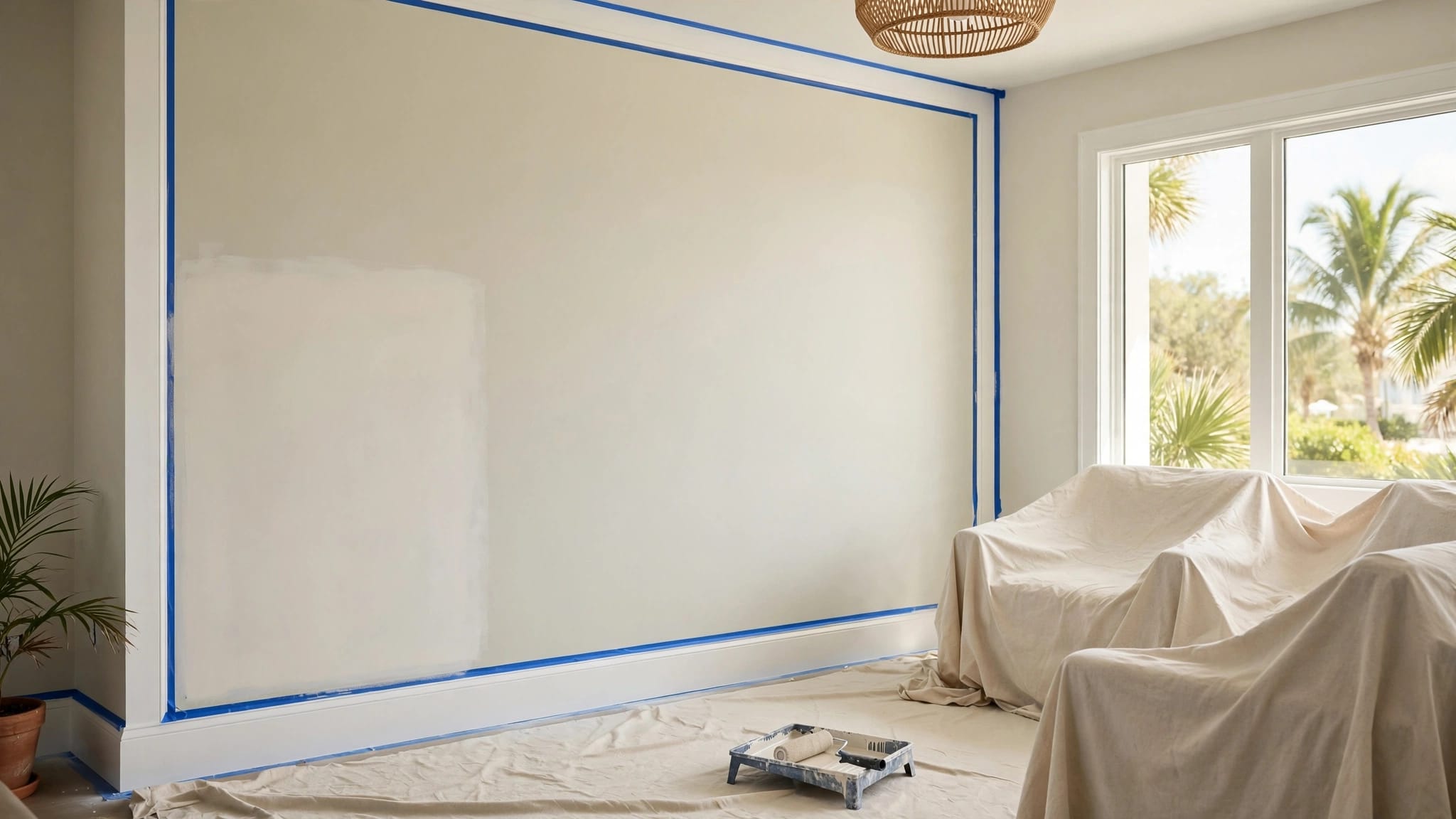
There are exceptions. If the ceiling is staying the same color, or it will not be painted at all, walls first can make sense. That happens in quick refreshes, accent-wall projects, and rooms where the ceiling is already in good shape.
Walls-first also works when the project is limited to one area. For example, if you're repainting a bedroom wall and leaving the ceiling untouched, there is no reason to paint overhead just to follow a rule. The right sequence depends on the scope of the job.
A few common situations can point to walls first:
- The ceiling is already finished and will not change.
- You're painting one accent wall or a small section of the room.
- The ceiling has decorative details that are not part of the repaint.
- The project is a touch-up job, not a full room repaint.
Even then, trim usually still comes after the walls. That keeps baseboards, casing, and crown molding cleaner, because wall paint rarely stays perfectly off those edges.
A practical order for ceilings, walls, trim, and touch-ups
For a full interior repaint, a simple order works best.
- Prep the room first. Cover floors, remove or mask fixtures, patch holes, and caulk gaps.
- Paint the ceiling next. Let it dry fully before moving down to the walls.
- Cut in and roll the walls. Keep a wet edge so the finish looks even.
- Paint trim after the walls. Baseboards, window casing, and door trim are easier to clean up this way.
- Finish with touch-ups. Pull tape carefully, inspect in daylight, then fix thin spots or edge marks.
If you want a closer look at how a crew organizes those steps, what to expect during interior painting shows how a Southwest Florida repaint is usually handled.
Dry time deserves attention in Florida. A surface may feel dry fast, but the coating can still be soft underneath. That matters after patching, after primer, and between coats.
Keep the AC running in a normal range, and use fans for circulation rather than blasting wet paint directly. On muggy days, keep windows closed. Open windows can pull in damp air and slow the cure.
Florida humidity and mildew-prone rooms
Bathrooms, laundry rooms, kitchens, and closets need extra care. These spaces trap moisture more easily, especially in homes that sit closed up for part of the year. In those rooms, the paint sequence matters, but the product choice matters too.
If a room has a mildew history, use a coating designed for humid spaces. Choosing mold-resistant interior paint is a smart step in Florida, especially in baths and laundry areas. The paint still needs a clean, dry surface, though. No coating fixes a moisture problem hiding behind the wall.
"Dry to the touch" does not always mean ready for the next coat.
That warning saves a lot of frustration. A patched ceiling corner or bathroom wall can seem fine early in the day, then stay soft long enough to show roller marks or flashing later. Give those areas the extra time they need.
Ventilation helps, but it has to be controlled. A bathroom exhaust fan, HVAC airflow, and a dehumidifier can help the room recover. Still, air movement should support the paint, not hit it hard enough to leave texture marks or dust in the finish.
Common mistakes that create extra work
A few small errors can turn a clean repaint into a long cleanup.
- Painting walls before the ceiling is finished leaves drips that need sanding and spot repair.
- Rushing the next coat in humid weather can trap moisture and cause a soft, uneven finish.
- Using too much fan force can push dust onto wet paint or dry the surface too fast.
- Skipping mildew-resistant paint in damp rooms can lead to faster wear and more maintenance.
One more mistake shows up all the time. People tape, paint, and then leave the room sealed up for hours on a rainy Florida afternoon. That can trap moisture and slow the finish more than expected. Controlled airflow works better than a closed, still room.
Conclusion
For most Florida interiors, ceilings first is the cleaner choice. Walls come next, trim follows, and touch-ups finish the job. That order keeps overhead drips off finished surfaces and gives you more control when humidity slows drying.
When the ceiling is staying put, walls first can make sense. For a full repaint, though, starting at the top still gives the most predictable result in a Florida home.
If the room is damp or prone to mildew, slow the pace and pay attention to ventilation, dry time, and product choice. A careful sequence makes the finish look better and last longer.
More featured articles...