Best Paint for Florida Wood Fences in Sun and Rain
Florida fences take a beating. Strong sun dries the wood, afternoon storms soak it, and humid air gives mildew a head start. If the coating can't handle all three, it starts to fade, crack, or peel sooner than it should.
The best paint for wood fences in this climate needs more than a pretty color. It has to block UV rays, shed water, flex with the boards, and stand up to mildew. For many Florida homes, that points to a high-quality 100% acrylic exterior paint, though stain still has a place in some situations.
What Florida Weather Does to a Wood Fence
Sunlight is rough on wood. UV rays break down the finish, then the color fades and the surface turns dull. On south and west-facing fences, that damage shows up faster because those sides get the most direct sun.
Rain causes a different problem. Water gets into tiny cracks, end grain, and fastener holes. Then the wood swells, dries, and shrinks again. That cycle puts stress on the coating, especially if the finish is stiff or thin.
Humidity and shade add another layer. Mildew loves damp surfaces that dry slowly, so fences near landscaping, pools, or tight side yards often stain up first. Sprinkler overspray makes it worse.
If water gets in and can't get out, even a good finish can fail early.
That is why Florida fence coatings need to do more than look nice on day one. They need to stay stable through heat, moisture, and movement.
Why 100% Acrylic Exterior Paint Often Performs Best
For most Florida wood fences, 100% acrylic exterior paint is the strongest all-around choice. It gives a solid color, and it forms a flexible film that moves with the wood better than many harder coatings. That flexibility matters when boards expand after a storm and shrink again in the sun.
Acrylic paint also brings strong UV resistance. In plain terms, it holds color better under brutal sun. If your fence faces open sky or gets hit by reflected light from a driveway or patio, that matters a lot.
It also does a better job of hiding old repairs, patchwork boards, and uneven grain. A fence rarely looks uniform for long. A coating that smooths out the visual mess can make the whole property look sharper.
Moisture protection is another plus. A quality acrylic finish helps block rain from soaking in as fast, and that gives the wood more time to dry between storms. Add mildew resistance, and you have a finish that fits Florida better than many lighter-duty options.
When stain or solid-color stain is the smarter choice
Stain is still useful. If you want the wood grain to show, stain makes sense. If the fence is new and you want a more natural look, semi-transparent stain is often the better visual choice.
Solid-color stain sits in the middle. It looks more like paint, but it usually penetrates more and builds less film. On rough-sawn or heavily textured wood, that can help with maintenance. Some owners also prefer it because future recoats can feel simpler.
Still, when the goal is the longest color life and the strongest surface protection, 100% acrylic exterior paint usually wins . That is especially true on older fences, patched fences, and fences that take full sun all day.
How the Main Fence Coatings Compare in Florida
Here's a quick side-by-side look at the most common choices.
| Finish | Best for | Strengths | Trade-offs |
|---|---|---|---|
| 100% acrylic exterior paint | Fences that need strong color and maximum protection | Best UV hold, flexible, mildew resistant, hides wear well | Needs excellent prep, can peel if moisture is trapped |
| Solid-color stain | Older or rough wood, owners who want a painted look with less film build | Easier maintenance on some surfaces, penetrates better than paint | Usually less color depth and weather defense than premium acrylic paint |
| Semi-transparent stain | Newer wood or homeowners who want grain visible | Natural look, simple touch-ups | Fades faster and offers less hiding power |
For a Florida fence that gets full sun and frequent rain, the table usually points back to acrylic paint. If appearance matters most and you want the wood grain to show, stain can still be the right call.
Prep Work Decides How Long the Finish Lasts
The coating matters, but prep decides the real lifespan. A great product on a dirty or damp fence will still fail early. That's why fence work starts before the first brush stroke.
First, clean off dirt, mildew, and loose fibers. A careful wash helps, but the wood needs time to dry after it. Then scrape or sand any peeling areas so the new coating can bond to sound wood. If there are damaged boards, rot, or loose fasteners, fix those first.
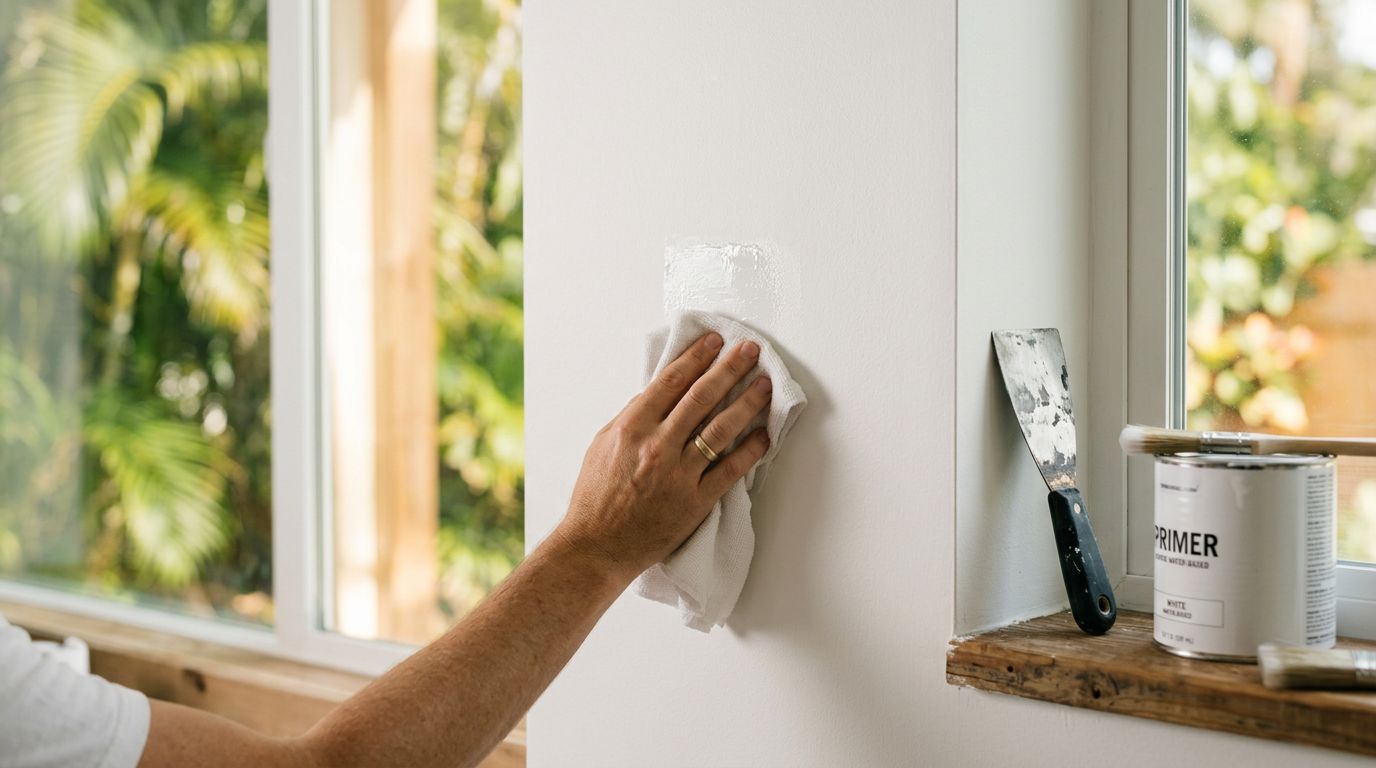
Bare spots need primer. So do repairs, knots, and any wood that has been exposed after scraping. Primer helps the topcoat grip, and it gives the finish a more even look.
If the fence needs repairs or a larger exterior refresh, professional home exterior painters can handle the prep, spot-priming, and coating in one pass.
Prep quality affects longevity more than most people expect.
That matters even more in Florida. A fence painted over damp wood, mildew, or old failed coating will usually show problems before the season is over.
How to Apply the Finish So It Holds Up
A good weather window is part of the job. Pick a stretch of dry days, not just a dry morning. The fence needs to be dry all the way through, especially after washing or rain.
- Start with the worst spots first. Hit cut ends, bottom rails, and repairs before the broad flat faces. Those areas drink up water first.
- Use thin coats. One heavy coat can trap moisture and dry unevenly. Two thinner coats usually look better and last longer.
- Back-brush after spraying. Spraying speeds things up, but brushing the finish into the grain helps coverage on rough wood.
- Cover every exposed edge. Tops, bottoms, and cut ends need special attention because they absorb water fast.
After the coating cures, keep an eye on the fence each season. Wash off mildew, trim plants away from the boards, and touch up chips before water gets under the finish.
Choosing the Right Finish for Your Fence
If your fence sits in full sun, gets hit by rain often, and needs the longest life possible, choose 100% acrylic exterior paint . It gives the best mix of UV resistance, moisture protection, flexibility, mildew resistance, and peel resistance.
If you want the grain to show or the wood has a rough, rustic look, solid-color stain may fit better. Semi-transparent stain works when the natural wood look matters most, but it gives up some protection and color hold.
The finish is only part of the answer. Dry wood, solid prep, and careful application make the difference between a fence that looks fresh for years and one that starts flaking early.
Conclusion
Florida weather is hard on wood fences, so the coating has to work hard too. For most homes, the safest bet is a quality 100% acrylic exterior paint that can handle sun, rain, humidity, and mildew without peeling apart.
The real secret is pairing the right finish with strong prep. Clean wood, dry wood, and careful priming do more for longevity than a fancy label ever will.
More featured articles...