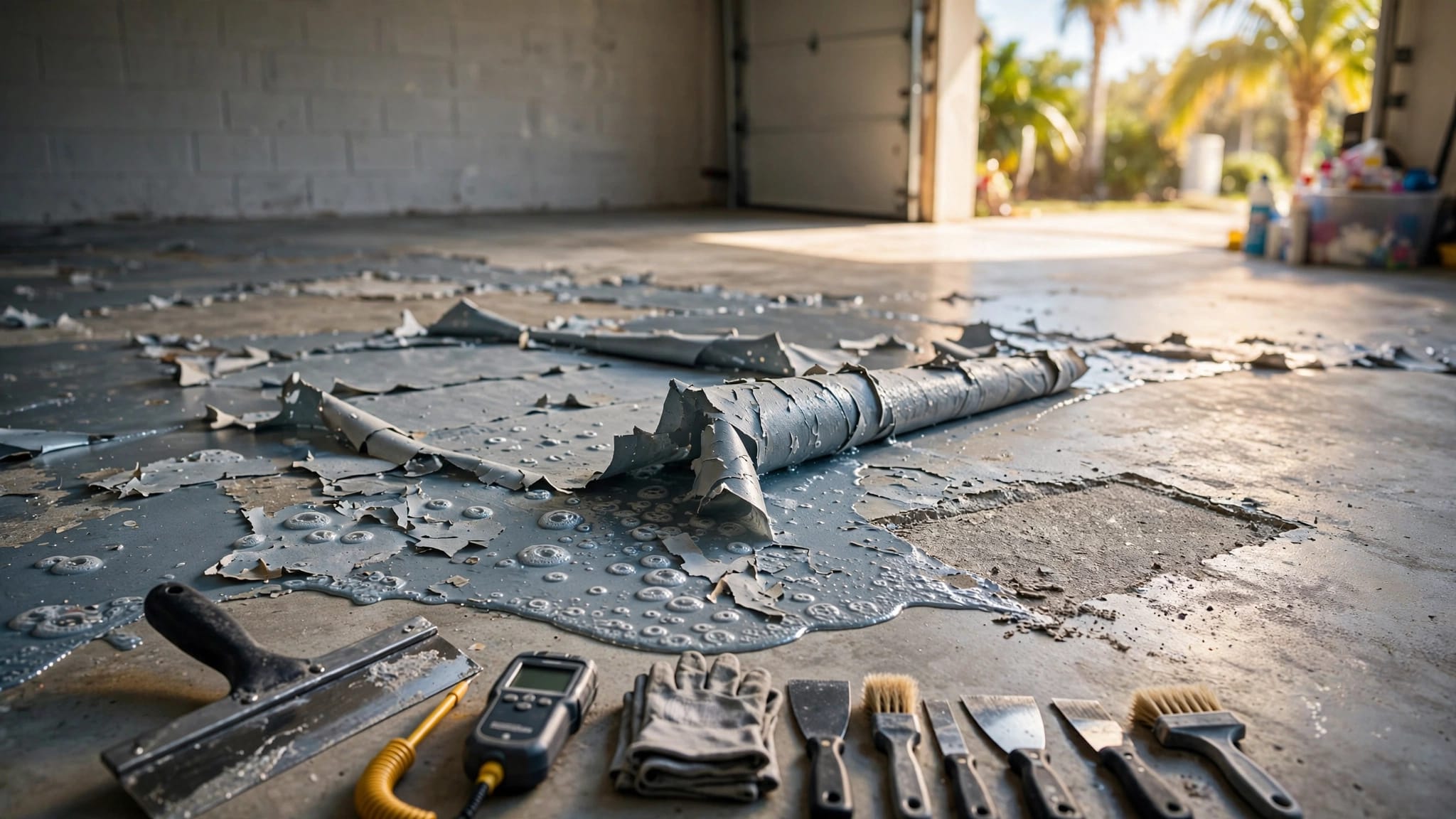
Stucco Repair or Exterior Painting First in Southwest Florida
Southwest Florida homes take a beating from sun, salt air, rain, and humidity. That matters when you're deciding between stucco repair and exterior painting first, because the wrong order can waste time and money.
If your walls have cracks, soft spots, or water stains, paint alone will not fix the problem. A fresh coat can look good for a while, then fail early if the stucco underneath is still moving or holding moisture.
The right order usually depends on the damage. In most cases, stucco repair and proper curing should happen before painting, so the finish bonds well and lasts longer.
Why the order matters on Florida stucco
Paint is a finish, not a cure. It can improve curb appeal, but it cannot stabilize failing stucco or stop hidden moisture from causing more damage.
Southwest Florida weather makes this more important. Heavy rain, long humid stretches, and intense sun all push stucco and paint through constant expansion and contraction. If the surface already has cracks or weak spots, paint can highlight those flaws instead of hiding them.
When repairs happen first, the wall gets a chance to dry and settle. That gives the paint a solid surface to grip. It also helps reduce peeling, blistering, and early fading.
Paint applied too soon can trap moisture. Once that happens, problems may show up fast, especially around windows, corners, and any previous patch areas.
Paint hides color. It does not hide trapped water or unstable stucco.
A good sequence is simple. Fix the substrate, let it cure, then paint. That order gives you better adhesion, a cleaner finish, and fewer surprises later.
Hairline cracks are different from structural stucco damage
Not every crack means the same thing. Some are cosmetic, while others point to a larger issue.
Hairline cracks are narrow and often appear in older stucco or after normal seasonal movement. They may only need a small repair before painting. Structural cracks are wider, deeper, or spread in patterns that keep growing. Those cracks can point to movement, water intrusion, or a problem with the wall itself.
If the crack is small and dry, a repair and paint job may be enough. If the crack is wide, jagged, or keeps reappearing, painting over it is a short-term fix.
Here is a quick way to think about it:
| Stucco condition | What it often means | Usual next step |
|---|---|---|
| Fine hairline cracks | Normal aging or minor movement | Patch, smooth, then paint after curing |
| Small chips or surface flaking | Weather wear or weak topcoat | Repair the damaged spots first |
| Wide cracks or stepped cracks | Possible structural movement | Investigate before painting |
| Soft, stained, or swollen areas | Possible water intrusion | Dry out and fix the source first |
The table makes one point clear. The more serious the damage, the less sense it makes to paint first.
Moisture changes the timeline
Moisture is the part many homeowners miss. A wall can look dry on the outside and still hold water inside the stucco layers.
That is why exterior prep in Florida often includes checking for hidden moisture before any coating goes on. A proper stucco moisture test before painting helps reveal whether the wall is ready or still needs time.
If you paint over damp stucco, the finish can fail early. You may see bubbling, peeling, or dark spots. In some cases, mold can also become a problem behind the coating.
The safest approach is to repair the source of the moisture first. That could mean sealing around windows, fixing failed caulk joints, or correcting damaged stucco around roof edges and parapets. Then the repaired areas need enough dry time before primer or paint goes on.
Humidity slows everything down in Southwest Florida. Even after a rain event, the wall may need more time than you expect. That is one reason experienced contractors watch weather windows closely before scheduling finish work.
When repair first is the clear choice
In many homes, the answer is easy. Repair comes first when the stucco is damaged enough to affect the finished coat.
A few signs usually point that way:
- Cracks are wider than a hairline.
- Water stains keep returning after cleaning.
- Stucco feels soft, sandy, or hollow in spots.
- Patches from older repairs are peeling or separating.
- New cracks appear after a rain or a storm.
If you see more than one of those signs, paint alone is the wrong move. The wall needs attention before it can hold a good finish.
Minor surface wear is different. A few small cracks and some faded color may only need patching and repainting. The goal is to match the repair quality to the damage. Overdoing it wastes money. Underdoing it leaves the problem in place.
A good contractor will also look at the age of the home, the last paint job, and how the stucco has been performing over time. That context matters, because a wall that has failed once is more likely to fail again if the prep is rushed.
How pros handle stucco repair and exterior painting together
When one company handles both repair and paint, the process is usually smoother. The crew can wash, patch, sand, prime, and coat the home in the right order.
That matters because each step affects the next one. If a repair is too rough, it can show through the paint. If a patched area is not sealed well, it may flash a different color. If curing is rushed, the final coat may not bond the way it should.
A contractor who offers residential exterior painting services can also help you avoid mismatched materials. The right primer, patch product, and finish paint all need to work with the existing stucco and the local weather.
Good prep usually includes:
- Cleaning the surface well so dirt and chalk do not block adhesion.
- Fixing damaged stucco before any final coating.
- Allowing repaired areas to dry or cure fully.
- Priming patched areas when needed.
- Painting during a dry stretch with the right temperature and humidity.
The finish often looks better when one team manages the whole sequence. The color blends more evenly, and the repaired spots are less likely to stand out.
How long should you wait before painting repaired stucco?
There is no single number that fits every wall. Repair size, weather, product type, and moisture levels all affect the wait time.
Small cosmetic patches may be ready sooner than deep repairs. Larger areas often need more time, especially if the stucco was wet or the weather stays humid. In Southwest Florida, a dry-looking surface can still need extra time before it is truly ready for paint.
The safest rule is to follow the repair product instructions and check the condition of the wall, not just the calendar. If the patch is still cool, damp, or soft, it needs more time.
A contractor should be able to explain when the wall is ready for primer and finish paint. If there is any doubt, waiting a little longer is usually better than painting too early. Early paint failure costs more than a short delay.
Conclusion
If your stucco is damaged, repair first, paint second is usually the smarter order in Southwest Florida. That sequence gives the surface time to dry, cures the patch properly, and helps the finish last longer.
Hairline cracks may only need minor patching, while wider cracks and moisture issues call for more careful work. When the wall is sound and dry, paint can do its job well. When it is not, paint only covers the symptoms for a short time.
FAQ
Should stucco repair always happen before exterior painting?
Usually, yes. If the stucco has cracks, loose areas, or moisture damage, repair should come first. Paint works best on a stable, dry surface.
Can you paint over damaged stucco?
You can, but it is a bad idea in most cases. The paint may look fine at first, then peel, bubble, or crack as the stucco problem keeps moving underneath.
How long should repaired stucco cure before painting?
It depends on the repair size, the product used, and the weather. Small repairs may dry faster, while deeper patches need more time. In Southwest Florida, humidity can slow the process.
What if the cracks are tiny?
Very small hairline cracks may only need patching before paint. Even then, the wall should be checked for moisture and movement first.
Why does moisture matter so much?
Because trapped water can ruin the paint bond. It can also lead to peeling, staining, or hidden damage that gets worse over time.
Who should handle the work if I need both repairs and painting?
A contractor with experience in both stucco repair and exterior painting is the easiest path. That way, the prep, repair, and finish all line up the way they should.
More featured articles...