Should You Paint or Replace a Rusty Pool Cage in Florida?
A rusty pool cage in Florida can look worse than it is, or it can be a warning sign that the frame is near the end. The hard part is knowing which one you're dealing with before you spend money.
Many homeowners see stains, peeling finish, or rusty fasteners and assume the whole enclosure needs replacement. Others hope paint will solve everything. The right answer usually sits between those two extremes.
Most of the time, the decision comes down to one question: is this a cosmetic problem, or is the structure already failing? Once you answer that, the next step gets much clearer.
What rust really means on a Florida pool cage
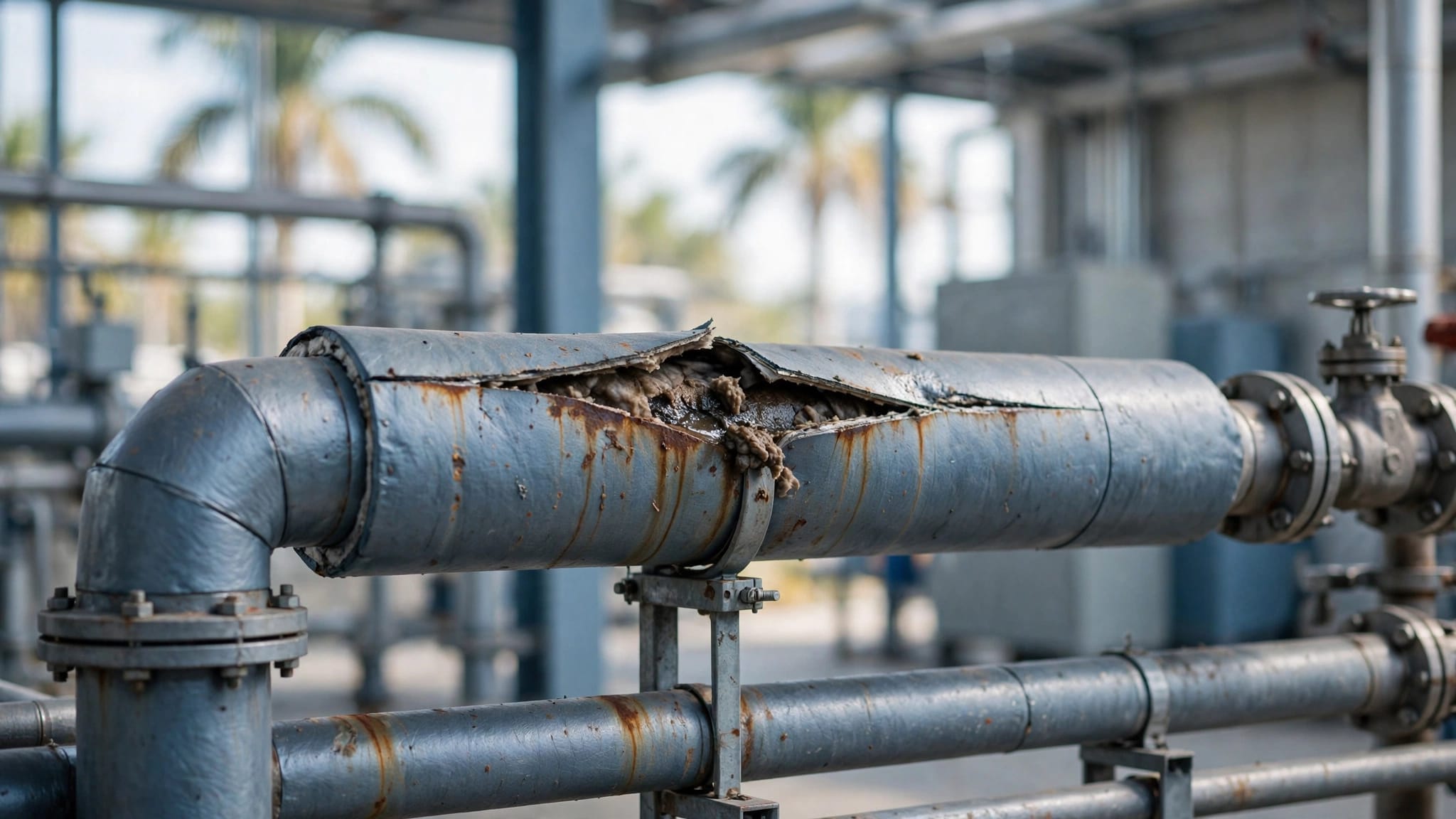
Pool cages in Florida are usually aluminum, so the frame itself does not rust like steel. What people call rust often shows up on screws, brackets, anchors, and other metal hardware. You may also see corrosion, white oxidation, pitting, peeling finish, or stained spots where moisture keeps sitting.
That matters because the fix changes with the damage. A few rusty fasteners or faded surfaces can often be handled with cleaning, prep, primer, and repainting. Wider corrosion around joints, posts, or connection points is a different story.
Florida weather speeds all of this up. Humidity lingers. Rain gets into small gaps. Salt air reaches far inland in some areas. Add storms, wind, and flying debris, and a cage that looked fine last year may start to show weak spots fast.
A careful look should focus on more than color. Check for loose screws, soft spots, bent members, rattling panels, and sections that move when pushed. Those are structural clues, not paint issues.
When repainting makes sense
Repainting works best when the cage is still sound and the damage stays on the surface. That usually means the frame is stable, the hardware is mostly intact, and the finish is worn more than the metal itself.
A repaint can make sense when:
- Rust is limited to small areas or isolated hardware.
- The frame feels solid and does not shift or wobble.
- The main issue is chalking, fading, or peeling coating.
- Corrosion has not spread through joints or anchor points.
- The cage still has good years left if it gets proper prep.
Surface work starts with cleaning, rust removal, sanding, and repair of minor problem spots. Then the crew can apply a primer that bonds to metal and a finish suited to outdoor exposure. Skipping those steps usually leads to the same failure showing up again.
If you also want nearby trim, soffits, or patio-adjacent walls handled at the same time, a contractor that offers interior and exterior home painting can keep the prep and finish work consistent.
A repaint is smart when you want to extend the life of a good cage without a full rebuild. It refreshes the look and slows more damage, as long as the frame is still worth saving.
When replacement is the safer call
Replacement starts to make more sense when the problem goes past the surface. If fasteners are weakened, members are failing, or corrosion is spread across several sections, paint won't bring the cage back to a safe condition.
Look closely for these warning signs:
- Loose or missing hardware that keeps coming back.
- Posts or beams that shift, flex, or feel unstable.
- Cracks, heavy pitting, or metal loss near joints.
- Multiple repairs that no longer blend together.
- Widespread damage after a storm or long water exposure.
If the frame moves, paint won't fix it.
At that point, you're not choosing between two finishes. You're choosing between a cosmetic update and a structural problem that needs real repair. Replacement can also make sense if the enclosure has reached the end of its useful life, especially after years of salt air, storms, and patchwork fixes.
There is also a practical side to this choice. Replacing a failing cage can cost more upfront, but it resets the clock on a weak structure. Painting a badly damaged one can turn into a short-term fix that keeps needing more work.
Paint vs. replace at a glance
A side-by-side view makes the difference easier to see.
| Situation | Paint | Replace |
|---|---|---|
| Small rust spots on hardware | Often a good fit | Usually too much |
| Faded or peeling finish | Good candidate | Usually not needed |
| Solid frame with minor corrosion | Can work well | Usually not needed |
| Loose, bent, or failing members | Poor choice | Better option |
| Widespread corrosion | Temporary at best | Usually the right move |
| Storm-damaged enclosure | Limited value | Often the better fix |
The takeaway is simple. Paint is for a cage that is still structurally sound. Replacement is for a cage that has moved past cosmetic wear and into real damage.
Florida weather changes the math
Florida is tough on pool cages. Heat, humidity, rain, sun, and salt all work together. Even a well-built enclosure can age faster here than it would in a drier climate.
Coastal homes face extra stress from salt exposure. Inland homes deal more with heat, moisture, and storm cycles. Either way, the finish on a pool cage does more than look good. It helps slow corrosion and keeps hardware and joints from breaking down too fast.
That said, paint is not a shield for a failing frame. If water has sat in joints for years, or if storm damage has bent sections out of alignment, coating over it only hides the problem for a while. Good prep helps a lot, but it can't rebuild metal that has already been lost.
Lifespan also matters. A newer enclosure with light wear may be worth repainting. An older cage with repeated repairs may be better off replaced, especially if you want fewer headaches over the next several hurricane seasons.
What a good inspection should cover
Before you decide, take a slow walk around the cage and look beyond the obvious rust spots. A quick visual check can tell you a lot, but a professional inspection is better when anything seems off.
Pay attention to the fasteners first. Screws, brackets, and base connections usually show the earliest signs of trouble. Then check the vertical posts, top rails, and corners for movement, corrosion, or damaged coatings. Finally, look at the screen tracks and door areas, since those spots often reveal shifting or frame wear.
A solid inspection should answer three questions. Is the metal still stable? Is the damage local or widespread? Does the cage have enough life left to justify a repaint?
If the answer to any of those feels uncertain, get an experienced contractor involved before you choose. A good painter can tell the difference between a surface problem and a deeper issue, and that matters more than picking the cheapest option.
Conclusion
A rusty pool cage in Florida is not always a replacement job, but it is never something to ignore. Surface corrosion, faded finish, and minor hardware wear can often be handled with proper prep and repainting.
Once the damage reaches loose members, failing fasteners, or wider structural corrosion, replacement is usually the wiser path. Florida weather is hard on pool enclosures, so the best decision comes from a close look at the frame, not the color on it.
When the cage is still solid, paint can buy it more time. When the structure is tired, replacement gives you a cleaner and safer reset.
More featured articles...