How to Paint Galvanized Metal in Florida Without Peeling
Florida can ruin a weak paint job fast. Heat, salt air, heavy humidity, and sudden rain all work against galvanized metal, especially on gates, railings, trim, and exterior fixtures.
The good news is that peeling usually comes from a few fixable mistakes. If you clean the surface well, use the right primer, and paint in a dry weather window, the finish has a real chance to hold up.
Why galvanized metal peels so fast in Florida
Galvanized metal is coated with zinc to fight corrosion, but that zinc creates its own challenge. Fresh galvanizing often has a slick surface, light oils, or passivation residue that paint does not like.
Florida adds more pressure. Salt spray settles on metal. Humidity slows dry times. Afternoon storms can hit before the coating has a chance to set. Then strong sun bakes the finish and expands the metal, which is hard on a weak bond.
That is why the goal is not to put more paint on the metal. The goal is to build a coating system that can grip zinc and survive a wet, hot climate.
Clean, dull, dry, and properly primed beats thick paint every time.
Clean and profile the surface before you prime
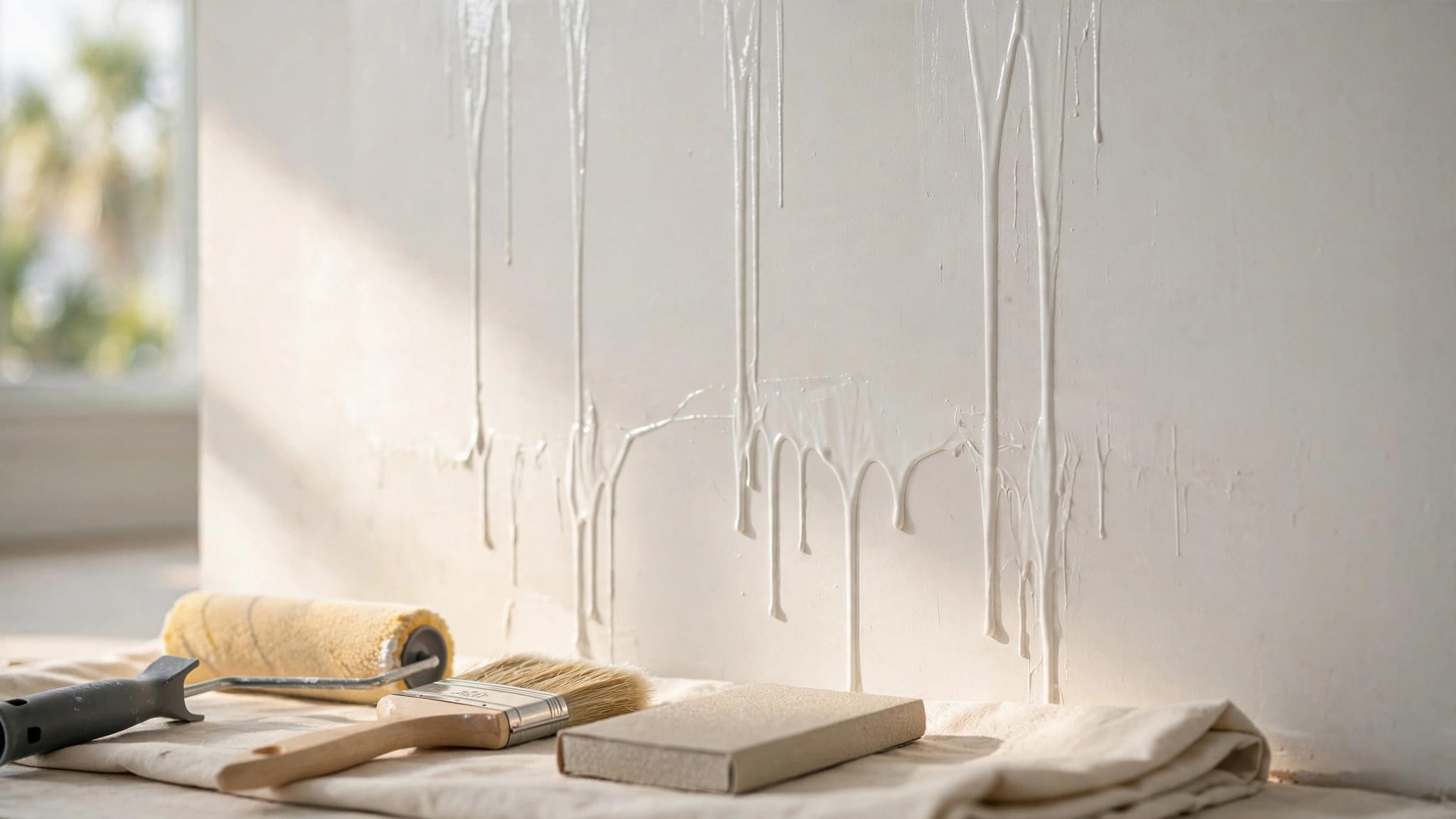
Start with a full wash. Remove salt, dirt, mildew, chalk, and any oil from handling or storage. A mild detergent and clean water work for many jobs, but the surface has to be rinsed well. Soap residue can cause adhesion problems later.
If the metal has white rust, scrub it off before you paint galvanized metal. That powdery film is a sign the zinc has already started to oxidize. It should not stay under the coating.
Next, dull the shine. New galvanized metal is often too smooth for paint to grab. A light scuff with a fine abrasive pad or 180 to 220 grit sandpaper usually gives the primer enough tooth. The goal is a uniform dull finish, not bare steel. Cut through the zinc, and you create a different problem.
After sanding, wipe off the dust and let the surface dry completely. Any trapped moisture can lead to peeling, bubbling, or early failure.
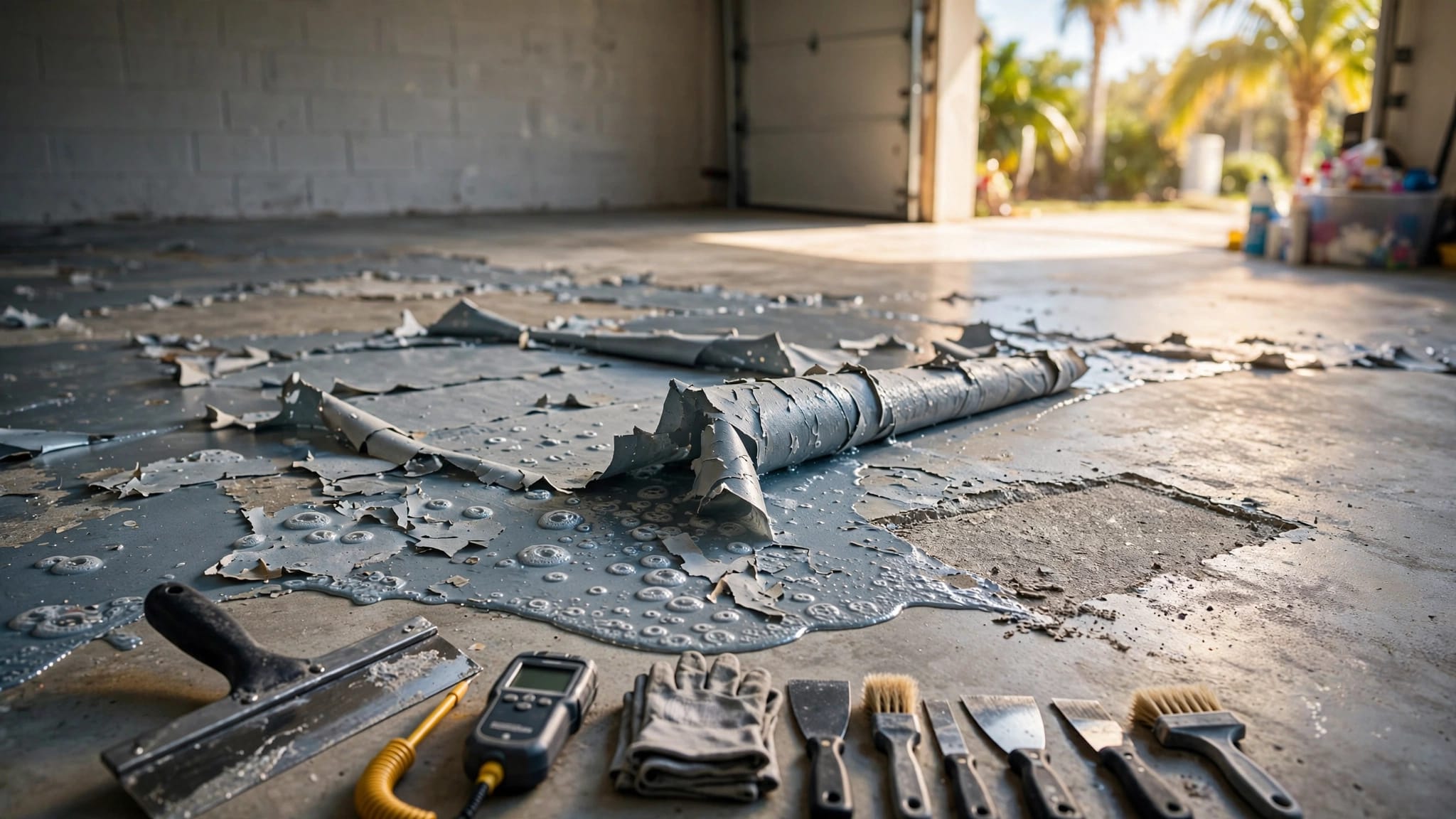
If the piece already has old paint, check for loose spots first. Scrape off anything that is lifting, then feather the edges. A new coating will not hide a failing layer underneath.
Pick a primer made for zinc and coastal exposure
Primer choice matters more than topcoat color. A good primer bonds to galvanized metal and gives the finish coat something stable to hold onto.
For many homes, a galvanized-metal bonding primer works well on gates, railings, and trim. For heavier exposure or commercial work, a two-part epoxy primer is often stronger. Small repairs may call for an etching primer if the product label allows it. The key is compatibility, not brand hype.
Here is a simple way to think about the options:
| Primer type | Best use | Watch for |
|---|---|---|
| Galvanized-metal bonding primer | Most residential gates, trim, and railings | Needs clean, dry, lightly abraded metal |
| Two-part epoxy primer | Coastal exposure, commercial metal, heavy wear | Mix carefully and respect the recoat window |
| Etching primer | Small smooth parts and spot repairs | Must match the topcoat system |
Use the product label as the final word. Some primers need a certain cure time before the next coat. Some work only with specific topcoats. Mixing systems without checking compatibility is a common reason paint peels early.
For larger storefronts, warehouse trim, railings, and other high-wear exterior metal, the coating system should match the site conditions. Industrial painting services are often the better fit when the project needs stronger prep, tighter scheduling, or corrosion control.
Choose a topcoat that can handle Florida sun
Once the primer is right, the topcoat has to do its part. In Florida, the finish needs strong UV resistance and good moisture tolerance. A 100% acrylic exterior coating, an acrylic urethane, or a metal-rated direct-to-metal topcoat is usually a better choice than a cheap general-purpose paint.
Sheen matters too. Satin and semi-gloss finishes usually shed dirt and salt better than flat paint. They also clean up more easily, which helps on railings, handrails, and fences that collect grime fast.
Match the topcoat to the job. A decorative lanai frame does not need the same system as a commercial stair rail or mechanical enclosure. Still, the coating should stay flexible enough to move with heat cycles and rain exposure.
Avoid using a bargain paint that is meant for drywall or interior trim. It may look fine on day one, but Florida weather finds weak products quickly.
Paint in a weather window, not in a rush
Timing is a big part of peeling prevention. Even a strong coating can fail if you paint in the wrong conditions.
Start after the morning dew has lifted, but before the metal turns hot in direct sun. Afternoon heat can make paint flash too fast, which hurts leveling and adhesion. Late in the day is risky too, because evening moisture can settle on fresh paint before it cures.
Keep an eye on more than rain. Humidity spikes, overnight dew, and fast temperature drops all matter. Ideally, the surface should stay dry for the full rain-free window on the label and remain several degrees above the dew point.
Shade helps. If you can paint a part of the project out of direct sun, the coating has a better chance to set evenly. That matters on metal, which heats up and cools down much faster than wood or masonry.
Let the coating cure before it gets used
Dry to the touch is not the same as cured. A fresh coating may feel firm long before it reaches full strength.
That matters on gates, handrails, and access panels. If you latch, rub, wash, or stack the piece too soon, you can scar the finish or weaken the bond. In Florida, cure times often stretch because of humidity, even when the paint looks dry.
Follow the full cure time on the product data sheet, not just the dry time on the can. If the area gets heavy use or salt exposure, give it extra time before hard service. Water, pressure washing, tape, and cleaners should stay off the surface until the coating has hardened.
Patience here saves a repaint later.
Mistakes that make paint peel early
A few habits cause most failures on galvanized metal:
- Skipping the wash and painting over salt or oil.
- Using a standard primer that is not made for zinc.
- Painting smooth, shiny galvanizing without scuffing it first.
- Coating over loose old paint instead of fixing the base layer.
- Painting in direct sun, high humidity, or a stormy weather window.
- Putting the part back in service before the coating has cured.
One wrong step can weaken the whole job. Two or three wrong steps usually mean peeling starts early, often at edges and corners first.
Keep the finish in good shape after it dries
A good coating still needs simple upkeep. Rinse off salt spray on a regular schedule, especially near the coast. Clean dirt and mildew before they build up. Touch up chips and scratches fast, because exposed spots invite more damage.
If the finish is on a gate or railing, check contact points where metal rubs against metal. Those areas wear first. On commercial properties, inspect trim and exposed steel after storm season and after any pressure washing.
Small maintenance steps go a long way in Southwest Florida. A sound coating can last much longer when the surface stays clean and damage gets fixed early.
Conclusion
Florida punishes weak coatings, but galvanized metal can hold paint well when the prep is right. The formula is simple: clean the zinc, give it a light profile, use a compatible primer, and choose a topcoat built for heat, humidity, and salt.
If you get the weather window, cure time, and maintenance right, peeling stops being the rule. The finish stays tighter, looks better, and holds up where Florida weather is toughest.
More featured articles...