Concrete Cure Time Before Pool Deck Coating in Florida
Fresh concrete can look ready long before it's ready for coating. In Florida, the usual starting point for a pool deck is 28 days of cure time , but that's only the baseline. Moisture, weather, slab depth, and the coating system all affect when the deck is truly ready.
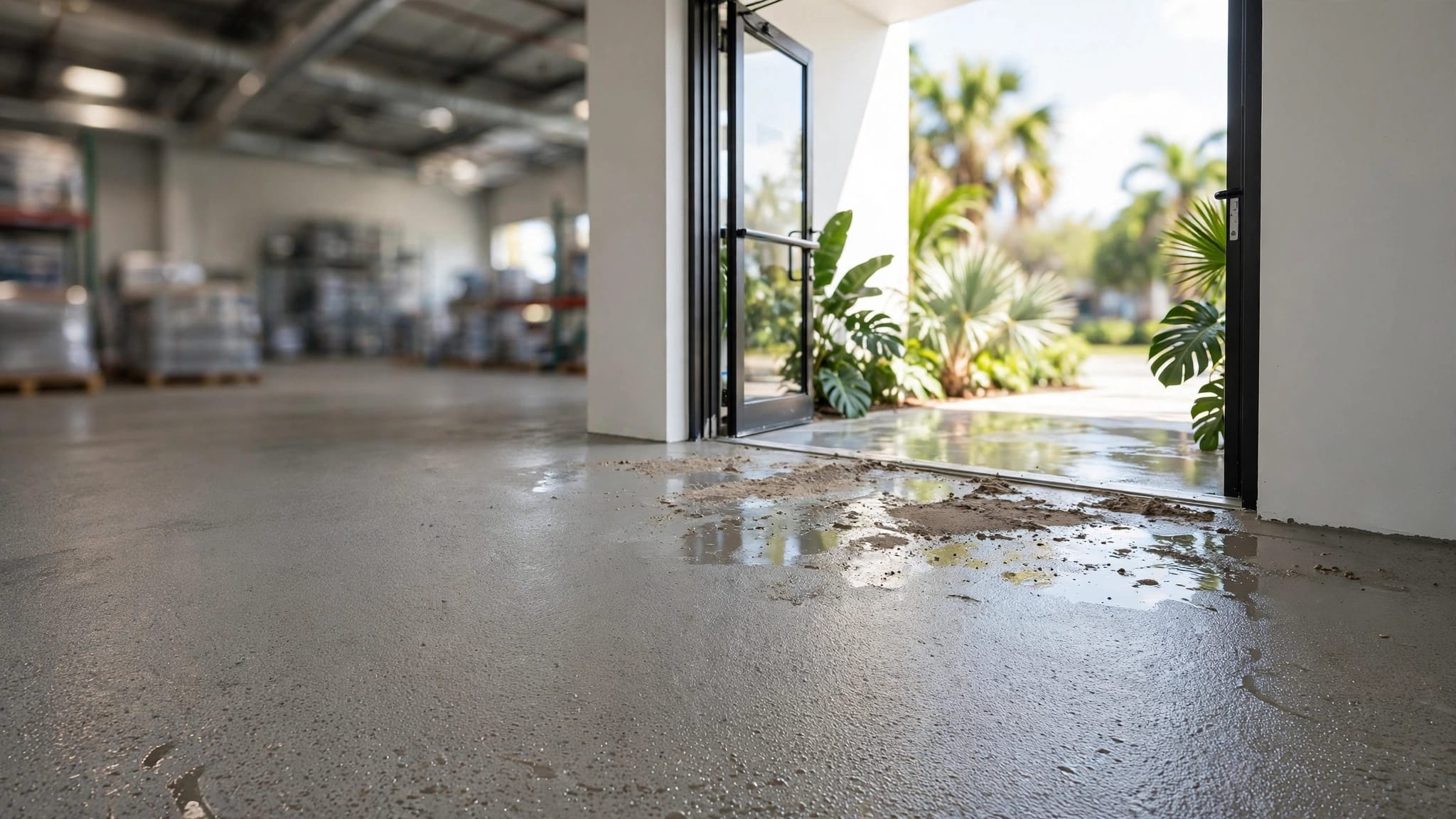
A deck that feels dry can still hold water inside. Coat it too soon, and the finish can blister, peel, or lose bond early. The safest answer comes from both the calendar and a moisture test, not one alone.
The 28-day baseline for new pool deck concrete
For most new slabs, 28 days is the standard minimum concrete cure time before coating. That gives the concrete time to harden through hydration, which is the chemical process that makes it strong.
In Florida, heat can fool you. The surface may dry fast in the sun, yet the slab below can stay damp much longer. Rainy weather, shade, and high humidity can stretch that timeline even more.
That's why 28 days should be treated as the starting point, not the finish line. Some coating products need more time, and some projects need extra waiting because of repairs, thicker slabs, or poor drying conditions.
If you're planning a finish that also needs bare-foot comfort, it helps to compare systems early. The right surface texture matters just as much as the cure schedule, especially around a pool.
Curing and surface dryness are not the same
Concrete curing and concrete drying are often mixed up, but they are different. Curing is the hardening process inside the slab. Surface dryness is only what you see and feel at the top.
| Stage | What it means | What it means for coating |
|---|---|---|
| Curing | The concrete is still hardening through hydration | The slab may still be too green for coating |
| Surface dry | The top feels dry to the touch | Moisture can still be trapped below the surface |
| Coating-ready | Moisture levels and product rules line up | The slab is ready for prep and coating |
A deck can feel dry and still hold moisture below the surface.
That hidden moisture is where many coating failures start. A pool deck lives in a wet environment, so even small mistakes show up fast. That's why moisture testing matters before any coating goes down.
A contractor may use approved tests to check what is happening inside the slab. Those results tell a much better story than appearance alone. Clean concrete is not always ready concrete.
What changes concrete cure time in Florida
Heat, humidity, and afternoon rain
Florida weather can speed up the way concrete looks on top, but it doesn't always help the slab finish curing below. Hot sun dries the surface fast. Humidity slows the release of moisture from inside the slab.
Afternoon storms add another wrinkle. If the deck gets wet again during the cure period, the schedule can shift. Repeated wetting and drying often means more waiting, not less.
Slab thickness and mix
Thicker slabs usually take longer to release moisture. A standard patio pour may behave differently than a deeper section around steps, drains, or repairs.
The concrete mix matters too. A dense mix, added admixtures, or a higher water content can all change how long the slab needs before coating. Two decks poured on the same week may still cure at different speeds.
Moisture hidden inside the slab
This is the part homeowners can't see. The top may look ready while the slab still holds moisture below the surface.
Moisture testing helps confirm whether the deck is truly ready. It also helps prevent expensive do-overs. Before coating a pool deck, the contractor should confirm moisture levels and check the product data sheet for the approved range.
The coating system sets the final rule
Different coating systems have different needs. Some products are more forgiving. Others need a tighter cure window and stricter prep.
If you're comparing finish styles, it helps to review best pool deck coatings for barefoot comfort before you lock in the schedule. A cooler, more comfortable deck can also come with its own cure and installation requirements.
The key point is simple. Follow the manufacturer's instructions, not just the calendar. A good-looking slab still needs to meet the product's moisture and cure standards.
Choosing the right day to coat a Florida pool deck
The best time to coat is after the slab has cured, passed moisture checks, and had enough dry weather for prep work. That usually means more than just waiting out 28 days.
Surface prep matters too. Even a fully cured slab can fail if dust, laitance, or leftover moisture stays on the concrete. A careful contractor will check the slab, the weather, and the coating rules before starting.
If your project includes other concrete areas around the property, professional concrete floor protection can help you compare coating options for different surfaces. The right system depends on where the slab sits, how it's used, and how much moisture it sees.
For Florida pool decks, patience pays off. The slab should be cured enough, dry enough, and tested enough before anyone reaches for the roller or sprayer.
Conclusion
For new pool decks in Florida, 28 days is the usual minimum cure time, but it isn't the only factor that matters. Weather, slab thickness, mix design, trapped moisture, and the coating manufacturer's rules can all change the schedule.
The safest approach is simple. Treat curing and surface dryness as two separate checks, then confirm moisture before coating. That extra step helps the finish bond the way it should and helps the deck hold up in Florida heat, rain, and poolside wear.
More featured articles...